Complete breed guide
Australian Cattle Dog OWNERSHIP GUIDE
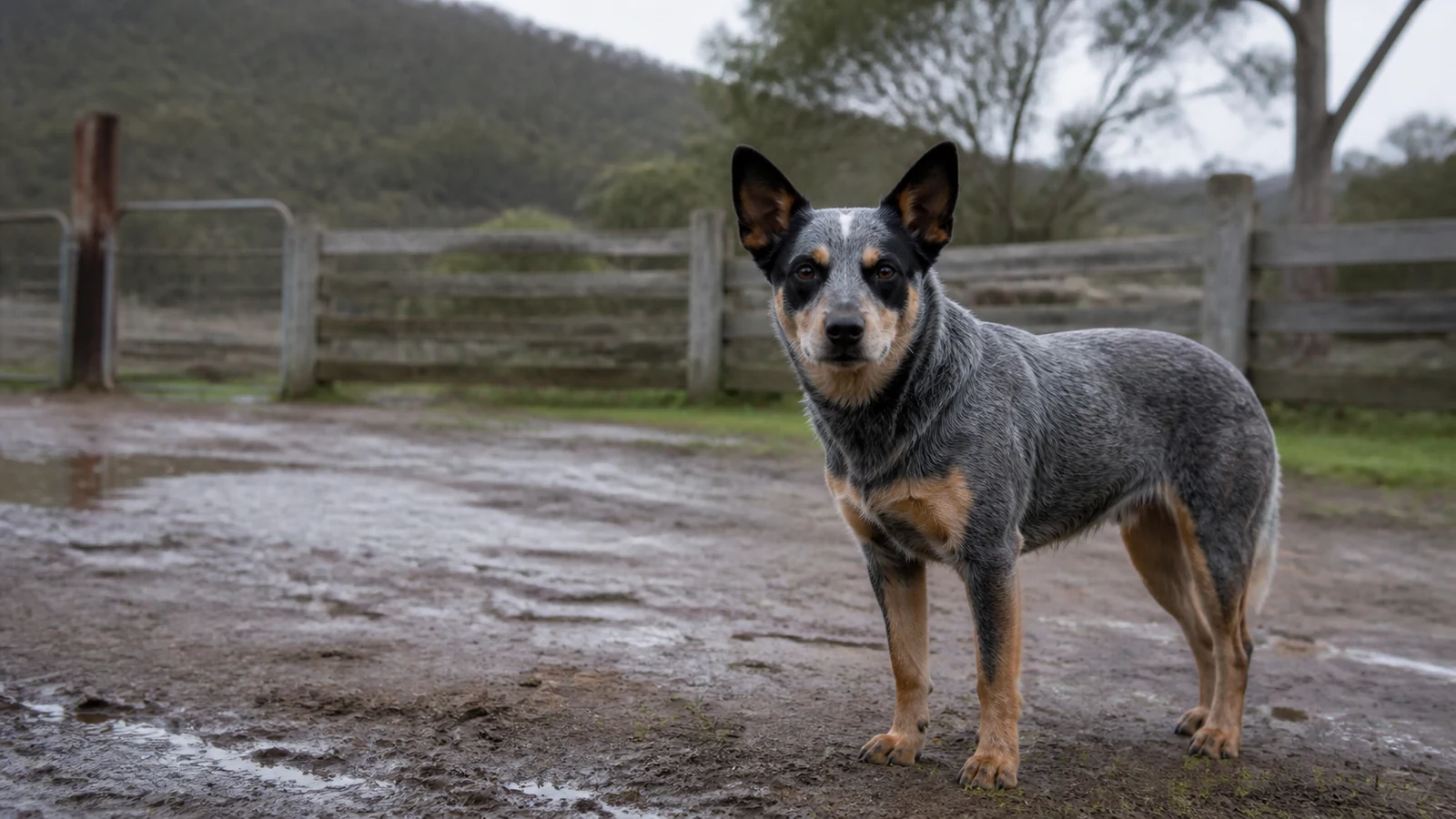
The Australian Cattle Dog, also known as the Blue Heeler or Red Heeler, is a robust and intelligent herding breed developed in Australia to drive cattle across vast, rugged terrain. Renowned for its endurance, loyalty, and work ethic, this breed has become a favorite among active individuals and families who can meet its considerable physical and mental demands. However, prospective owners should understand that this is not a casual companion; it thrives when given a job to do and consistent guidance.
This article provides an evidence-conscious overview of the breed, drawing on official breed standards and recognized sources. We will explore the Australian Cattle Dog's origins, temperament, exercise and training requirements, suitability with families and other pets, grooming and health considerations, and the financial and time commitments involved. By the end, you will have a realistic picture of what life with an Australian Cattle Dog entails, helping you decide if this remarkable breed is the right fit for your lifestyle.
Origin and Purpose
The Australian Cattle Dog was developed in the 19th century by Australian settlers who needed a hardy dog capable of mustering and driving cattle over long distances in harsh conditions. The breed's foundation involved crossing the native Dingo with various British herding dogs, including the Smithfield and the Scottish Highland Collie, and later adding Dalmatian and Black and Tan Kelpie bloodlines. This blend produced a dog with the stamina, agility, and resilience required for the demanding Australian outback.
The breed's primary purpose remains herding cattle, and it is still widely used on farms and ranches today. The FCI standard (No. 287) describes the Australian Cattle Dog as a 'strong, compact, and symmetrically built' working dog, with a keen, alert expression and a natural aptitude for controlling livestock. Its history as a working dog has shaped its temperament, energy levels, and need for purposeful activity, which are essential considerations for any prospective owner.
Temperament and Variation
Australian Cattle Dogs are known for their intelligence, loyalty, and protective instincts. They are often described as 'one-person dogs' or 'velcro dogs' because they form strong bonds with their primary caregiver and may be reserved with strangers. However, individual temperament varies widely, influenced by genetics, socialization, and training. While the breed standard emphasizes a 'wary but not aggressive' attitude toward strangers, early and ongoing socialization can help shape a more adaptable adult dog.
There are two recognized color variations: blue and red, both of which can appear in speckled or mottled patterns. These variations are purely cosmetic and do not affect temperament or working ability. Prospective owners should be aware that the breed's natural herding instinct may manifest in behaviors such as nipping at heels, circling, and attempting to 'herd' children or other pets. This is a manageable trait with proper training and outlets, but it underscores the need for an experienced owner who can channel these instincts appropriately.
Exercise and Mental Work
The Australian Cattle Dog is a high-energy breed that requires substantial daily exercise to remain physically and mentally healthy. While exact needs vary by individual, most will benefit from at least one to two hours of vigorous activity, such as running, hiking, or playing fetch, in addition to mental stimulation. Without adequate outlets, they may develop destructive behaviors like digging, chewing, or excessive barking. Prospective owners should be prepared to commit to a consistent exercise routine that challenges both body and mind.
Mental work is equally important, as this breed is highly intelligent and thrives on problem-solving. Activities such as obedience training, agility, herding trials, or puzzle toys can provide the cognitive engagement they crave. The breed's working heritage means it is happiest when it has a 'job' to do, whether that is learning new commands, participating in dog sports, or helping with household tasks. A bored Australian Cattle Dog can become anxious or mischievous, so mental enrichment should be a daily priority.
Training and Socialisation
Training an Australian Cattle Dog requires patience, consistency, and a firm but positive approach. They are eager to learn and respond well to reward-based methods, but they can also be independent and stubborn at times. Early obedience training is essential to establish clear boundaries and prevent the development of unwanted behaviors. Because they are so intelligent, they can quickly become bored with repetitive drills, so varying training sessions and incorporating play can keep them engaged.
Socialisation is equally critical, especially during puppyhood. Exposing the dog to a wide range of people, animals, environments, and situations helps build a confident and well-adjusted adult. Without proper socialisation, they may become overly wary or reactive. It is also important to teach bite inhibition and to manage their herding instincts around children and other pets. While they can be wonderful companions for active families, they are generally better suited to experienced dog owners who can provide firm, consistent leadership.
Family and Other Pets
Australian Cattle Dogs can be loyal and affectionate family members, but they may not be the best choice for households with very young children. Their herding instinct can lead them to nip at heels, and their high energy may be overwhelming for toddlers. With older children who understand how to interact respectfully with dogs, they can form strong bonds and be playful companions. Supervision is always recommended, and teaching children how to behave around dogs is essential.
Regarding other pets, Australian Cattle Dogs may have a high prey drive and can be prone to chasing small animals, including cats, rabbits, or rodents. Early socialisation can help them coexist with other dogs, but they may be dominant or assertive, especially with same-sex dogs. They are generally not recommended for homes with small pets unless raised with them from a young age. Prospective owners should assess their household dynamics and be prepared to manage these tendencies through training and management.
Grooming and Health
The Australian Cattle Dog has a short, double coat that sheds moderately year-round and more heavily during seasonal changes. Regular brushing, at least once or twice a week, helps remove loose hair and keep the coat healthy. They are relatively low-maintenance in terms of grooming, but they do require routine nail trimming, ear cleaning, and dental care. Bathing is only necessary when they are dirty, as over-bathing can strip natural oils from their skin.
As a breed, Australian Cattle Dogs are generally hardy and healthy, but they are prone to certain hereditary conditions, including hip dysplasia, progressive retinal atrophy (PRA), and deafness. Reputable breeders screen their breeding stock for these issues, and prospective owners should ask for health clearances. Regular veterinary check-ups and a balanced diet are important for maintaining overall health. While they have a relatively long lifespan for a dog of their size, typically 12 to 15 years, they are not immune to age-related conditions, so proactive care is essential.
Costs and Responsibility
Owning an Australian Cattle Dog involves significant financial and time commitments. Initial costs include the purchase price from a reputable breeder (which can vary widely) or adoption fees from a rescue, as well as supplies such as a crate, bed, leash, and food. Ongoing expenses include high-quality dog food, routine veterinary care, vaccinations, parasite prevention, and pet insurance. Emergency medical costs can be substantial, so planning ahead is wise.
Beyond finances, this breed demands a considerable investment of time and energy. They are not suited to a sedentary lifestyle or long periods alone. Prospective owners must be prepared to provide daily exercise, mental stimulation, training, and companionship for the dog's entire life, which can be 12 to 15 years. This is a working breed that thrives on activity and purpose, and without it, they can develop behavioral problems. Responsible ownership also involves adhering to local regulations, ensuring proper containment, and being a good neighbor by managing barking and other behaviors.
Clear answers
FREQUENTLY ASKED QUESTIONS
Are Australian Cattle Dogs good with children?
Australian Cattle Dogs can be good with children if they are raised with them and properly socialized, but their herding instinct may lead them to nip at heels, which can be problematic with very young kids. They are often better suited to families with older children who can understand how to interact respectfully. Supervision and training are essential to ensure safe interactions.
How much exercise does an Australian Cattle Dog need?
Australian Cattle Dogs are high-energy and typically need at least one to two hours of vigorous exercise daily, such as running, hiking, or playing fetch. They also require mental stimulation to prevent boredom. Without adequate exercise and mental work, they may develop destructive behaviors. The exact amount varies by individual, so owners should adjust based on their dog's needs.
Are Australian Cattle Dogs easy to train?
Australian Cattle Dogs are highly intelligent and eager to learn, which can make training rewarding. However, they can also be independent and stubborn, so consistent, positive reinforcement methods work best. Early socialization and obedience training are crucial to channel their intelligence and prevent behavioral issues. They excel in dog sports and activities that challenge their minds.
Do Australian Cattle Dogs shed a lot?
Yes, Australian Cattle Dogs shed moderately year-round and more heavily during seasonal changes. Their short double coat requires regular brushing, at least once or twice a week, to manage loose hair and keep their coat healthy. They are not considered hypoallergenic, and prospective owners with allergies should spend time with the breed before committing.
What health issues are common in Australian Cattle Dogs?
Australian Cattle Dogs are generally healthy, but they are prone to certain hereditary conditions, including hip dysplasia, progressive retinal atrophy (PRA), and deafness. Reputable breeders screen for these issues, and prospective owners should request health clearances. Regular veterinary check-ups and a healthy lifestyle can help mitigate risks, but no breed is free from potential health problems.
Sources and further reading
Scores describe typical breed tendencies from 1 to 10. They are not a quality ranking or a prediction for an individual dog.
Size and presence6/10
CompactVery large
Physical strength6/10
LightExceptional
Energy level9/10
LowRelentless
Exercise demand10/10
ModestVery demanding
Mental work needed10/10
ModerateDaily job
Trainability8/10
ChallengingExceptional
Everyday manageability3/10
SpecialistStraightforward
First-time owner fit4/10
Poor fitGood fit
Family-life fit7/10
LimitedExcellent
Dog sociability6/10
SelectiveVery social
Prey drive9/10
LowVery high
Guarding tendency7/10
MinimalSerious
Independence5/10
Handler-focusedSelf-directed
Grooming demand6/10
LightHeavy
Apartment fit4/10
Poor fitGood fit