Complete breed guide
Prague Ratter OWNERSHIP GUIDE
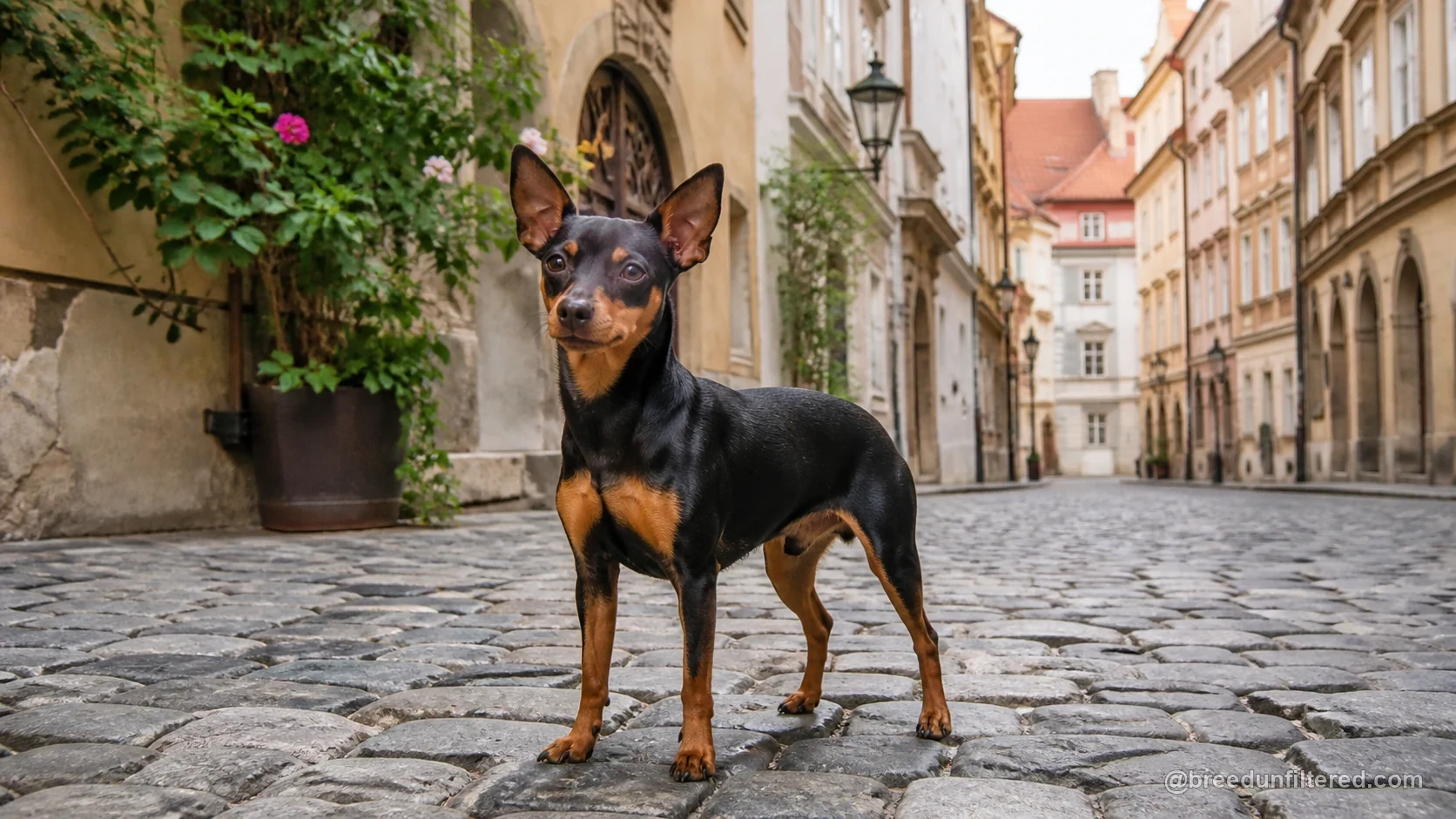
The Prague Ratter, also known as the Pražský Krysařík, is a small companion dog with roots in Central Europe. Despite its diminutive size, this breed is known for its lively spirit and alert nature. Recognized provisionally by the Fédération Cynologique Internationale (FCI), the Prague Ratter is gaining attention beyond its native Czech Republic, appealing to those seeking a compact and intelligent canine companion.
This article provides an evidence-conscious overview of the Prague Ratter, covering its origins, temperament, care needs, and more. We aim to offer practical insights for prospective owners, emphasizing that individual dogs can vary widely. Whether you live in an apartment or a house, understanding the breed's characteristics is essential for a harmonious relationship.
Origin and Purpose
The Prague Ratter's history is intertwined with the Czech lands, where it was historically used to control vermin in homes and castles. The breed's name, 'Krysařík,' translates to 'little rat catcher,' reflecting its original role. While its exact lineage is debated, it is believed to be an ancient breed, with references dating back centuries. The FCI provisionally recognized the breed in 2019, acknowledging its distinct identity and cultural significance.
Today, the Prague Ratter is primarily a companion dog, though it retains its alert and active nature. Its small size and adaptability make it suitable for various living situations, but its historical purpose as a ratter means it may have a keen prey drive. Prospective owners should appreciate this heritage while focusing on the dog's individual personality and needs.
Temperament and Variation
The Prague Ratter is often described as lively, intelligent, and affectionate with its family. It tends to be alert and may be reserved with strangers, making it a good little watchdog. However, temperament can vary significantly between individuals, influenced by genetics, socialization, and training. Some may be more outgoing, while others are more cautious. It's essential to meet the parents or observe the puppy's behavior to gauge its personality.
This breed is known for its strong bond with its owner and can be quite devoted. It may thrive on human companionship and may not do well if left alone for long periods. While generally good with children if properly socialized, its small size makes it vulnerable to accidental injury. As with any dog, early and ongoing socialization is key to developing a well-rounded adult.
Exercise and Mental Work
Despite its small stature, the Prague Ratter is an active and agile dog. It enjoys daily walks and play sessions, but its exercise needs are moderate. A fenced yard or regular leash walks can suffice, but mental stimulation is equally important. Puzzle toys, training games, and scent work can help keep this intelligent breed engaged and prevent boredom-related behaviors.
Because of its ratter heritage, the Prague Ratter may enjoy activities that tap into its natural instincts, such as nose work or earthdog trials. However, it's crucial to tailor exercise to the individual dog's age, health, and energy level. Always consult with a veterinarian to design an appropriate exercise regimen, especially for puppies and senior dogs.
Training and Socialisation
The Prague Ratter is generally intelligent and eager to please, which can make training a rewarding experience. Positive reinforcement methods, such as treats and praise, work best. Harsh training techniques can be counterproductive and damage the bond between dog and owner. Consistency and patience are key, as this breed can sometimes be stubborn.
Early socialization is vital to help the Prague Ratter become a well-adjusted adult. Expose it to various people, animals, environments, and sounds in a controlled and positive manner. Puppy classes can be an excellent way to start. While the breed may be wary of strangers, proper socialization can help it distinguish between normal situations and actual threats.
Family and Other Pets
The Prague Ratter can make a wonderful family pet for households that understand its needs. It is often affectionate with its family members and can be playful with children, but supervision is essential due to its small size. Children should be taught how to handle the dog gently and respectfully. The breed may be better suited to families with older children who can follow rules.
When it comes to other pets, the Prague Ratter's prey drive may be triggered by small animals like rodents or birds. However, with early socialization, it can learn to coexist with cats and other dogs. Its attitude toward other dogs can vary; some may be assertive despite their size. Proper introductions and ongoing management are important for multi-pet households.
Grooming and Health
The Prague Ratter has a short, smooth coat that requires minimal grooming. Weekly brushing with a soft brush or rubber mitt can help remove loose hair and keep the coat shiny. It is a moderate shedder. Regular nail trimming, ear cleaning, and dental care are also part of a good grooming routine. Bathing should be done only when necessary to avoid stripping natural oils.
As a breed, the Prague Ratter is generally healthy, but like all dogs, it can be prone to certain conditions. Patellar luxation, dental issues, and eye problems are sometimes seen in small breeds. Responsible breeders screen for hereditary conditions. Prospective owners should ask about health clearances and ensure the puppy comes from a reputable source. Regular veterinary check-ups are essential.
Costs and Responsibility
Owning a Prague Ratter involves financial and time commitments. Initial costs include the purchase price, which can vary widely depending on the breeder and location, as well as supplies like a crate, bed, and food. Ongoing expenses include high-quality dog food, routine veterinary care, vaccinations, and preventive medications. Emergency medical costs can be significant, so pet insurance is worth considering.
Beyond finances, responsible ownership requires time for exercise, training, and companionship. The Prague Ratter is a social dog that may not thrive if left alone for long hours. Prospective owners should assess their lifestyle and ensure they can meet the dog's needs. Adoption from a rescue is also an option, as some Prague Ratters may end up in shelters. Ultimately, bringing any dog into your home is a long-term commitment.
Clear answers
FREQUENTLY ASKED QUESTIONS
Are Prague Ratters good with children?
Prague Ratters can be good with children, especially when raised together and properly socialized. However, due to their small size, they are more prone to injury from rough handling. It's crucial to teach children how to interact gently and to always supervise interactions. Some individuals may be more tolerant than others, so it's important to assess each dog's temperament.
Do Prague Ratters bark a lot?
Prague Ratters are alert and may bark to announce visitors or unusual sounds, making them good watchdogs. However, excessive barking can become a problem if not managed. Training and mental stimulation can help reduce nuisance barking. Individual variation exists, so some may be quieter than others. Early socialization and consistent training are key to controlling barking behavior.
How much exercise does a Prague Ratter need?
Prague Ratters are active but have moderate exercise needs. Daily walks and play sessions are usually sufficient, but they also enjoy mental challenges. The exact amount varies by age, health, and individual energy. It's important to avoid over-exercising puppies and to adjust for senior dogs. Always consult a veterinarian for personalized advice.
Are Prague Ratters easy to train?
Prague Ratters are intelligent and generally eager to please, which can make training relatively easy with positive reinforcement. However, they can be independent or stubborn at times. Consistency and patience are essential. Early socialization and puppy classes are recommended. Harsh methods are counterproductive and can harm the bond between dog and owner.
Do Prague Ratters get along with other pets?
Prague Ratters may have a high prey drive due to their ratter heritage, so they might chase small animals like rodents or birds. With early socialization, they can learn to live peacefully with cats and other dogs. Their attitude toward other dogs can vary; some may be assertive. Proper introductions and supervision are important.
Sources and further reading
Scores describe typical breed tendencies from 1 to 10. They are not a quality ranking or a prediction for an individual dog.
Size and presence5/10
CompactVery large
Physical strength5/10
LightExceptional
Energy level6/10
LowRelentless
Exercise demand6/10
ModestVery demanding
Mental work needed7/10
ModerateDaily job
Trainability7/10
ChallengingExceptional
Everyday manageability4/10
SpecialistStraightforward
First-time owner fit5/10
Poor fitGood fit
Family-life fit6/10
LimitedExcellent
Dog sociability6/10
SelectiveVery social
Prey drive8/10
LowVery high
Guarding tendency6/10
MinimalSerious
Independence6/10
Handler-focusedSelf-directed
Grooming demand3/10
LightHeavy
Apartment fit5/10
Poor fitGood fit