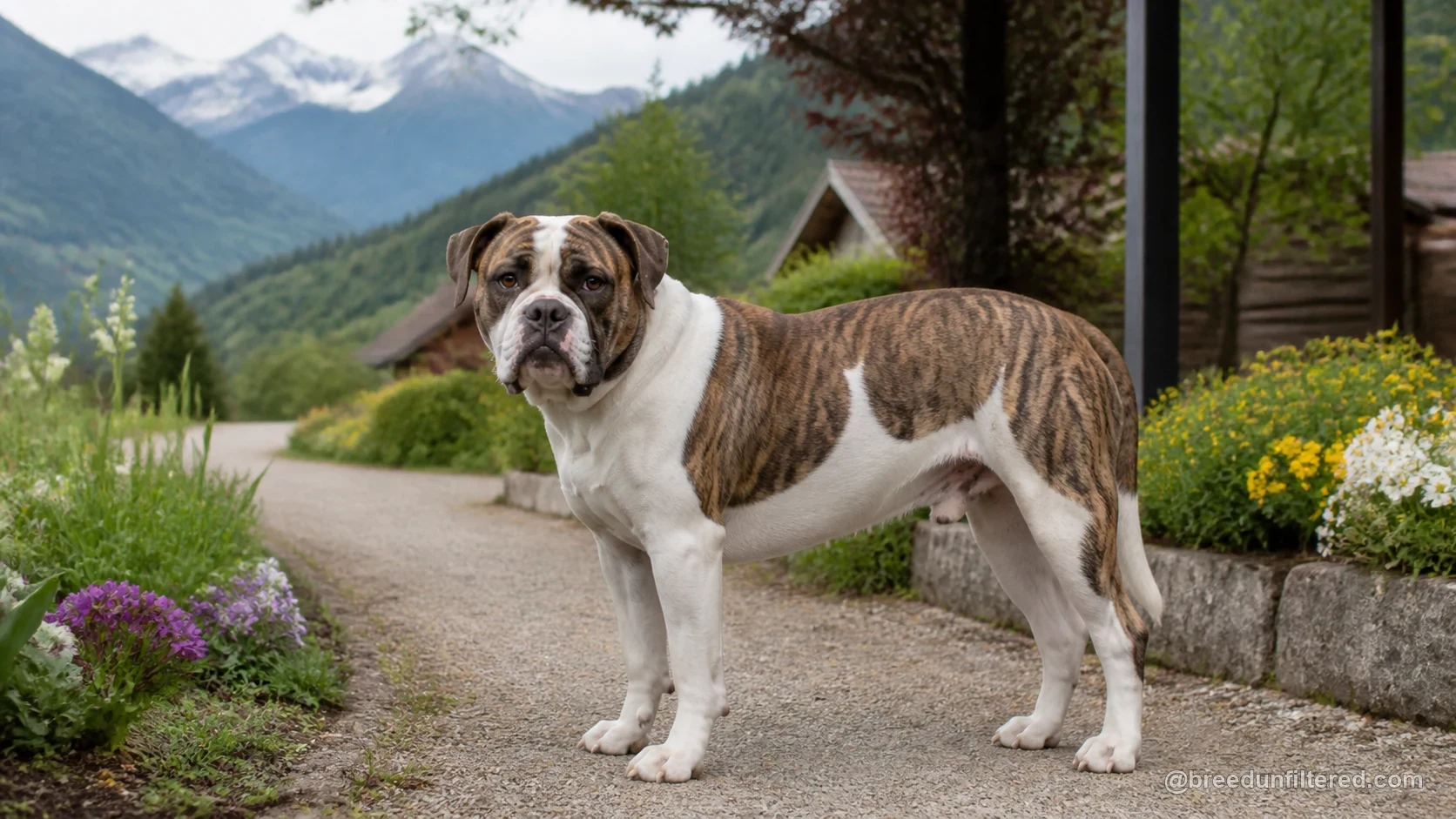
Complete breed guide
Continental Bulldog OWNERSHIP GUIDE
The Continental Bulldog is a relatively new breed, developed in Switzerland with the goal of creating a healthier, more athletic bulldog while preserving the beloved bulldog character. Recognized provisionally by the FCI under standard number 369, this breed is gaining attention for its more moderate conformation and active nature compared to some traditional bulldog breeds. Prospective owners should understand that this is a companion dog with a distinct personality, requiring a commitment to training, socialization, and responsible health care.
This article provides an evidence-conscious overview of the Continental Bulldog, drawing on the official FCI standard and general breed knowledge. We will explore the breed's origins, temperament, exercise and training needs, suitability for families and other pets, grooming and health considerations, and the financial and time commitments involved. The goal is to help you decide if this breed aligns with your lifestyle and to prepare you for the realities of living with a Continental Bulldog.
Origin and Purpose
The Continental Bulldog was developed in Switzerland in the early 2000s by a group of breeders seeking to create a bulldog with improved health and athleticism. They crossed various bulldog types, including the Old English Bulldog and other working bulldogs, to reduce the extreme brachycephaly and heavy build seen in some breeds. The result is a medium-sized, muscular dog with a more moderate head and better respiratory function, while retaining the friendly and courageous temperament typical of bulldogs.
The breed was recognized provisionally by the Fédération Cynologique Internationale (FCI) in 2022, with the official standard number 369. This provisional recognition is a step toward full recognition, reflecting the breed's growing popularity and the efforts of breed clubs to standardize its characteristics. The Continental Bulldog is primarily a companion dog, but its history includes a desire to preserve the working abilities of bulldogs, making it more agile and enduring than some of its relatives.
Temperament and Variation
The Continental Bulldog is known for its friendly, self-assured, and sometimes stubborn temperament. According to the FCI standard, it should be confident and calm, with a lively and alert expression. Individual dogs can vary in energy and sociability, but they generally form strong bonds with their families and are often described as affectionate and playful. They are not typically aggressive, but they have a protective instinct that may manifest as alert barking.
As with any breed, temperament is influenced by genetics, socialization, and training. Early and ongoing exposure to different people, animals, and environments is crucial to help a Continental Bulldog develop into a well-rounded adult. While the breed standard provides a general outline, each dog is an individual, and prospective owners should meet the parents or littermates when possible to gauge temperament.
Exercise and Mental Work
The Continental Bulldog is more athletic than many traditional bulldogs, but it is not a high-energy breed. Daily moderate exercise, such as brisk walks and play sessions, is typically sufficient to keep it physically fit. However, due to its brachycephalic (short-nosed) nature, owners should be mindful of overheating and avoid strenuous activity in hot weather. Mental stimulation is equally important; puzzle toys, obedience training, and scent games can help prevent boredom and destructive behaviors.
The breed's intelligence and willingness to please make it responsive to training, but its occasional stubbornness requires patience and positive reinforcement. Varying activities can keep the dog engaged, and many Continental Bulldogs enjoy canine sports like obedience or rally, which provide both physical and mental challenges. Owners should tailor exercise to their dog's age, health, and individual stamina, always prioritizing safety and comfort.
Training and Socialisation
Training a Continental Bulldog requires consistency, patience, and a positive, reward-based approach. The breed is intelligent but can be independent-minded, so short, engaging sessions work best. Harsh methods are counterproductive and can damage the trust between dog and owner. Early socialization is essential to ensure the dog is comfortable with various people, animals, and situations, reducing the likelihood of fearfulness or reactivity later in life.
Puppy classes and ongoing training can help establish good manners and strengthen the bond between owner and dog. The Continental Bulldog responds well to clear boundaries and routines. While it may not excel in high-level obedience competitions, it is capable of learning basic commands and household rules. Owners should be prepared to invest time in training throughout the dog's life, as reinforcement is key to maintaining desired behaviors.
Family and Other Pets
The Continental Bulldog is generally good with children, thanks to its patient and affectionate nature. However, as with any dog, interactions should be supervised, and children should be taught how to behave around dogs. The breed's sturdy build means it can tolerate some rough play, but it may not appreciate being teased. With proper socialization, it can coexist peacefully with other dogs and cats, though some individuals may have a higher prey drive toward small animals.
Because of its companion-oriented nature, the Continental Bulldog thrives in a home where it is included in family activities. It may not do well if left alone for long periods, as it can develop separation anxiety. Prospective owners should consider their daily schedule and ensure they have time to devote to their dog's social and emotional needs. A fenced yard is beneficial, but the breed can adapt to apartment living if given adequate exercise and mental stimulation.
Grooming and Health
The Continental Bulldog has a short, smooth coat that is relatively low-maintenance. Weekly brushing with a soft bristle brush or rubber mitt can help remove loose hair and keep the coat healthy. They are moderate shedders, and during seasonal changes, more frequent brushing may be needed. Regular ear cleaning, nail trimming, and dental care are also important parts of a grooming routine.
As a brachycephalic breed, the Continental Bulldog can be prone to respiratory issues, skin fold dermatitis, and eye problems. Responsible breeders screen for common health conditions, but owners should be prepared for potential veterinary costs. Maintaining a healthy weight and avoiding excessive exercise in hot weather can help mitigate some risks. Regular check-ups with a veterinarian are essential to monitor the dog's overall health and address any concerns early.
Costs and Responsibility
Owning a Continental Bulldog involves significant financial and time commitments. Initial costs include the purchase price from a reputable breeder, which can be substantial, as well as supplies such as a crate, bed, food bowls, and grooming tools. Ongoing expenses include high-quality food, routine veterinary care, vaccinations, parasite prevention, and pet insurance. Emergency medical care can be costly, so planning ahead is wise.
Beyond finances, owners must be responsible for the dog's physical and emotional well-being. This includes providing proper nutrition, regular exercise, mental stimulation, and social interaction. The Continental Bulldog is a companion breed that thrives on human contact, so it is not suitable for those who are away from home frequently. Prospective owners should also consider their living situation, local regulations, and the availability of veterinary services. Responsible ownership is a lifelong commitment that should not be taken lightly.
Clear answers
FREQUENTLY ASKED QUESTIONS
Are Continental Bulldogs good with children?
Continental Bulldogs are generally good with children due to their patient and affectionate nature. However, supervision is always recommended, and children should be taught how to interact respectfully with dogs. Early socialization helps ensure positive relationships.
How much exercise does a Continental Bulldog need?
They need moderate daily exercise, such as walks and playtime. Because they are brachycephalic, avoid strenuous activity in hot weather to prevent overheating. Mental stimulation is also important to keep them engaged and prevent boredom.
Are Continental Bulldogs easy to train?
They are intelligent but can be stubborn, so training requires patience and positive reinforcement. Consistent, short sessions work best. Early socialization and obedience training are essential for a well-behaved adult dog.
Do Continental Bulldogs have health problems?
As a brachycephalic breed, they may be prone to respiratory issues, skin fold dermatitis, and eye problems. Responsible breeders screen for health conditions, but owners should be prepared for potential veterinary costs and regular check-ups.
Can Continental Bulldogs live in apartments?
Yes, they can adapt to apartment living if given adequate exercise and mental stimulation. They are not high-energy, but they need daily walks and playtime. A fenced yard is beneficial but not essential.
Sources and further reading
Scores describe typical breed tendencies from 1 to 10. They are not a quality ranking or a prediction for an individual dog.
Size and presence5/10
CompactVery large
Physical strength6/10
LightExceptional
Energy level7/10
LowRelentless
Exercise demand7/10
ModestVery demanding
Mental work needed7/10
ModerateDaily job
Trainability6/10
ChallengingExceptional
Everyday manageability4/10
SpecialistStraightforward
First-time owner fit5/10
Poor fitGood fit
Family-life fit6/10
LimitedExcellent
Dog sociability6/10
SelectiveVery social
Prey drive6/10
LowVery high
Guarding tendency5/10
MinimalSerious
Independence6/10
Handler-focusedSelf-directed
Grooming demand5/10
LightHeavy
Apartment fit5/10
Poor fitGood fit