Complete breed guide
Valencian Terrier OWNERSHIP GUIDE
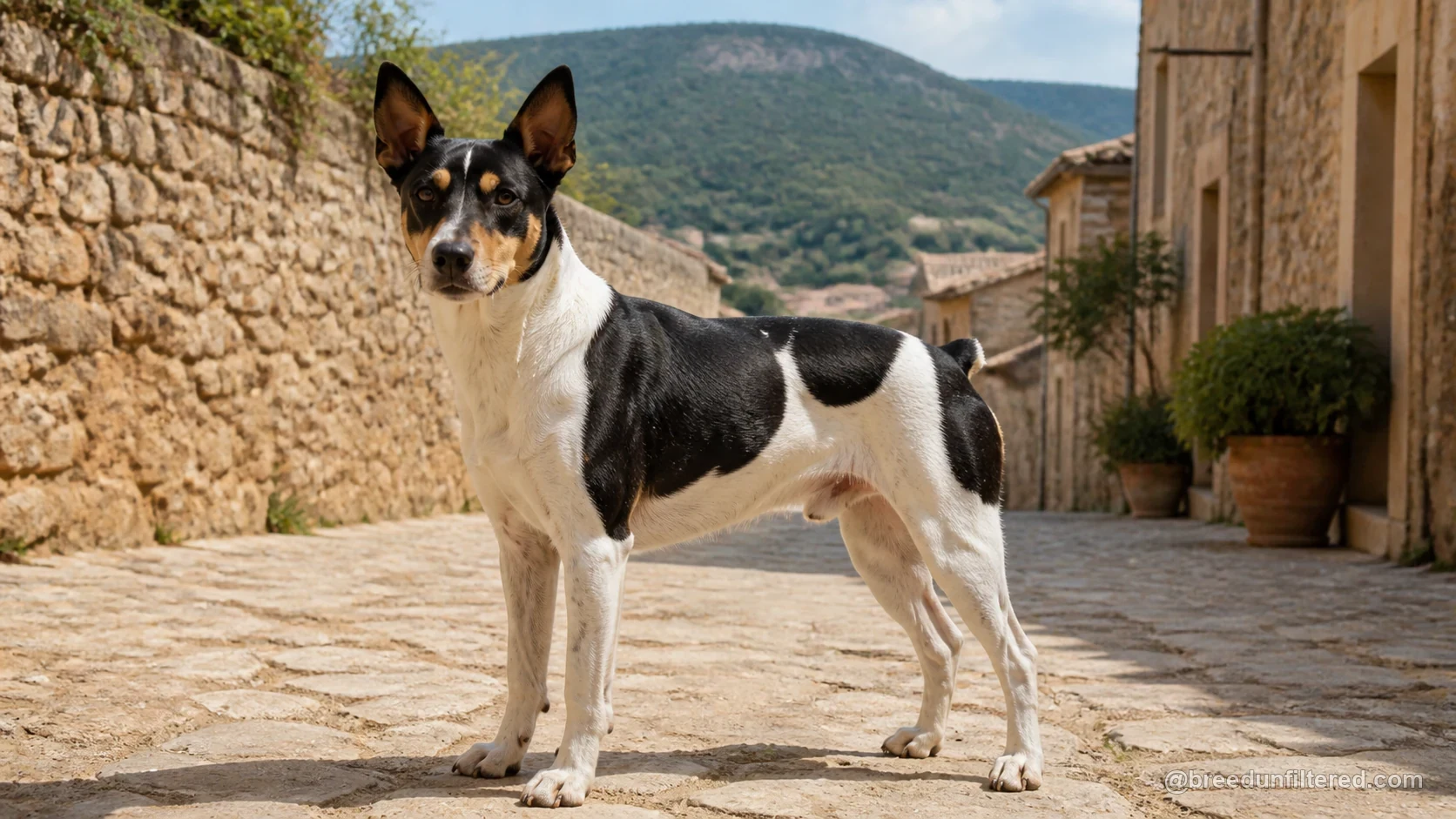
The Valencian Terrier, also known as the Gos Rater Valencià, is a small but tenacious breed with deep roots in the Spanish region of Valencia. Recognized provisionally by the Fédération Cynologique Internationale (FCI) under standard number 370, this terrier was historically bred to control vermin on farms and in homes. Today, it is gaining attention beyond its native land as a lively companion, though it remains a working dog at heart.
Prospective owners should understand that the Valencian Terrier is not a typical lapdog. It is an intelligent, energetic, and independent breed that thrives with a job to do. While it can adapt to various living situations, its strong prey drive and assertive personality require experienced handling and consistent training. This article provides a balanced overview of the breed's characteristics, care needs, and potential challenges to help you decide if it is the right fit for your lifestyle.
Origin and Purpose
The Valencian Terrier, known locally as the 'Gos Rater Valencià', originates from the Valencian Community in eastern Spain. Its name translates to 'Valencian rat-hunting dog', reflecting its primary historical role as a ratter on farms, in granaries, and around homes. The breed was developed to keep rodent populations in check, a task that required agility, courage, and a keen hunting instinct.
Although the breed's exact ancestry is not fully documented, it is believed to share roots with other Mediterranean terriers and small hunting dogs. The FCI granted provisional recognition to the Valencian Terrier in 2004, and it remains a relatively rare breed outside Spain. Its working heritage still influences its temperament and behavior, making it a capable and determined companion for those who appreciate its utilitarian background.
Temperament and Variation
The Valencian Terrier is typically described as lively, alert, and confident. It is known for its strong attachment to its family, yet it can be wary of strangers, making it a decent watchdog. Individual temperaments can vary, but most display a notable prey drive and a tendency to chase small animals. This breed is not typically aggressive without cause, but it is assertive and may not back down from a challenge.
As with any breed, early socialization and consistent training play a significant role in shaping behavior. Some Valencian Terriers may be more outgoing, while others are more reserved. They are intelligent and can be independent thinkers, which sometimes translates into stubbornness. Prospective owners should be prepared for a dog that is affectionate with its people but may have a strong will of its own.
Exercise and Mental Work
The Valencian Terrier is an energetic breed that requires regular physical activity to stay healthy and content. Daily walks, play sessions, and opportunities to run in a securely fenced area are important. However, exercise needs can vary with age and individual energy levels. This breed is not suited to a sedentary lifestyle and may become restless or destructive if under-exercised.
Mental stimulation is equally crucial. As a working breed, the Valencian Terrier benefits from puzzle toys, scent games, and training exercises that challenge its mind. Activities like barn hunt or earthdog trials can tap into its natural instincts. Without adequate mental engagement, this intelligent dog may develop undesirable behaviors such as excessive digging or barking.
Training and Socialisation
Training a Valencian Terrier requires patience, consistency, and positive reinforcement methods. This breed responds well to reward-based training, but it can be sensitive to harsh corrections. Early obedience training is essential to establish boundaries and channel its intelligence constructively. Because of its independent nature, training sessions should be varied and engaging to hold its attention.
Socialisation from a young age is vital to help the Valencian Terrier become a well-adjusted adult. Exposing it to different people, environments, and other animals can reduce wariness and prevent overreactivity. However, due to its strong prey drive, interactions with small pets should always be supervised. A well-socialised Valencian Terrier can coexist peacefully with other dogs, but introductions should be gradual and controlled.
Family and Other Pets
The Valencian Terrier can be a devoted family companion, often forming strong bonds with its primary caregiver. It may be tolerant of respectful children, but its terrier nature means it may not tolerate rough handling. Supervision is recommended when the dog is around very young children. This breed is generally better suited to families who understand its need for structure and activity.
Regarding other pets, the Valencian Terrier's prey drive can pose a challenge. It may view small animals such as rabbits, hamsters, or cats as prey, especially if not raised with them. With proper socialisation, some individuals can live peacefully with cats, but it is not guaranteed. For multi-dog households, the Valencian Terrier can get along with other dogs, particularly if they are of similar size and temperament, but same-sex aggression can occur.
Grooming and Health
The Valencian Terrier has a short, smooth coat that is relatively low-maintenance. Weekly brushing with a soft bristle brush or rubber mitt can help remove loose hair and keep the coat healthy. This breed is a moderate shedder, and more frequent brushing may be needed during seasonal shedding periods. Bathing should be done only when necessary to avoid stripping natural oils.
As a generally healthy breed, the Valencian Terrier does not have a long list of breed-specific health issues, but like all dogs, it can be prone to certain conditions. Responsible breeders screen for common problems such as patellar luxation and eye disorders. Regular veterinary check-ups, a balanced diet, and proper dental care are essential. Prospective owners should be prepared for routine healthcare costs and potential unexpected medical expenses.
Costs and Responsibility
Owning a Valencian Terrier involves financial and time commitments. Initial costs include the purchase price from a responsible breeder, which can vary, as well as supplies like a crate, bedding, and food. Ongoing expenses include high-quality dog food, routine veterinary care, vaccinations, and parasite prevention. Pet insurance is worth considering to help manage unexpected health costs.
Beyond finances, this breed requires a significant investment of time for exercise, training, and companionship. It is not a dog that can be left alone for long periods without mental and physical outlets. Prospective owners should assess their lifestyle to ensure they can meet the breed's needs. Adopting from a rescue or breed-specific organization is also an option, and it is important to research and choose a reputable source to support ethical breeding practices.
Clear answers
FREQUENTLY ASKED QUESTIONS
Is the Valencian Terrier a good family dog?
The Valencian Terrier can be a good family dog for households with older children who understand how to interact respectfully with dogs. It is loyal and affectionate with its family, but its terrier nature may make it less tolerant of rough play. Supervision with young children is recommended, and early socialisation is key to fostering a well-rounded temperament.
How much exercise does a Valencian Terrier need?
The Valencian Terrier is an energetic breed that needs daily physical activity, such as brisk walks and playtime in a secure area. The exact amount varies by age and individual energy, but most will benefit from at least an hour of exercise per day. Mental stimulation is equally important to prevent boredom and destructive behaviors.
Does the Valencian Terrier get along with other pets?
Due to its strong prey drive, the Valencian Terrier may not be reliable with small pets like rabbits or hamsters. With early and consistent socialisation, some individuals can live peacefully with cats, but it is not guaranteed. It can generally get along with other dogs, especially if raised together, but same-sex aggression is possible.
Is the Valencian Terrier easy to train?
The Valencian Terrier is intelligent but can be independent and stubborn, making training a challenge for first-time owners. Positive reinforcement methods work best, and consistency is crucial. Early obedience training and socialisation are essential to channel its energy and intelligence into appropriate behaviors.
What are the grooming requirements for a Valencian Terrier?
The Valencian Terrier has a short, smooth coat that requires minimal grooming. Weekly brushing to remove loose hair and occasional baths are usually sufficient. Regular nail trimming, ear cleaning, and dental care are also part of a healthy grooming routine. This breed is a moderate shedder.
Sources and further reading
Scores describe typical breed tendencies from 1 to 10. They are not a quality ranking or a prediction for an individual dog.
Size and presence5/10
CompactVery large
Physical strength5/10
LightExceptional
Energy level6/10
LowRelentless
Exercise demand6/10
ModestVery demanding
Mental work needed7/10
ModerateDaily job
Trainability6/10
ChallengingExceptional
Everyday manageability3/10
SpecialistStraightforward
First-time owner fit5/10
Poor fitGood fit
Family-life fit6/10
LimitedExcellent
Dog sociability3/10
SelectiveVery social
Prey drive8/10
LowVery high
Guarding tendency6/10
MinimalSerious
Independence6/10
Handler-focusedSelf-directed
Grooming demand3/10
LightHeavy
Apartment fit5/10
Poor fitGood fit