Complete breed guide
Australian Silky Terrier OWNERSHIP GUIDE
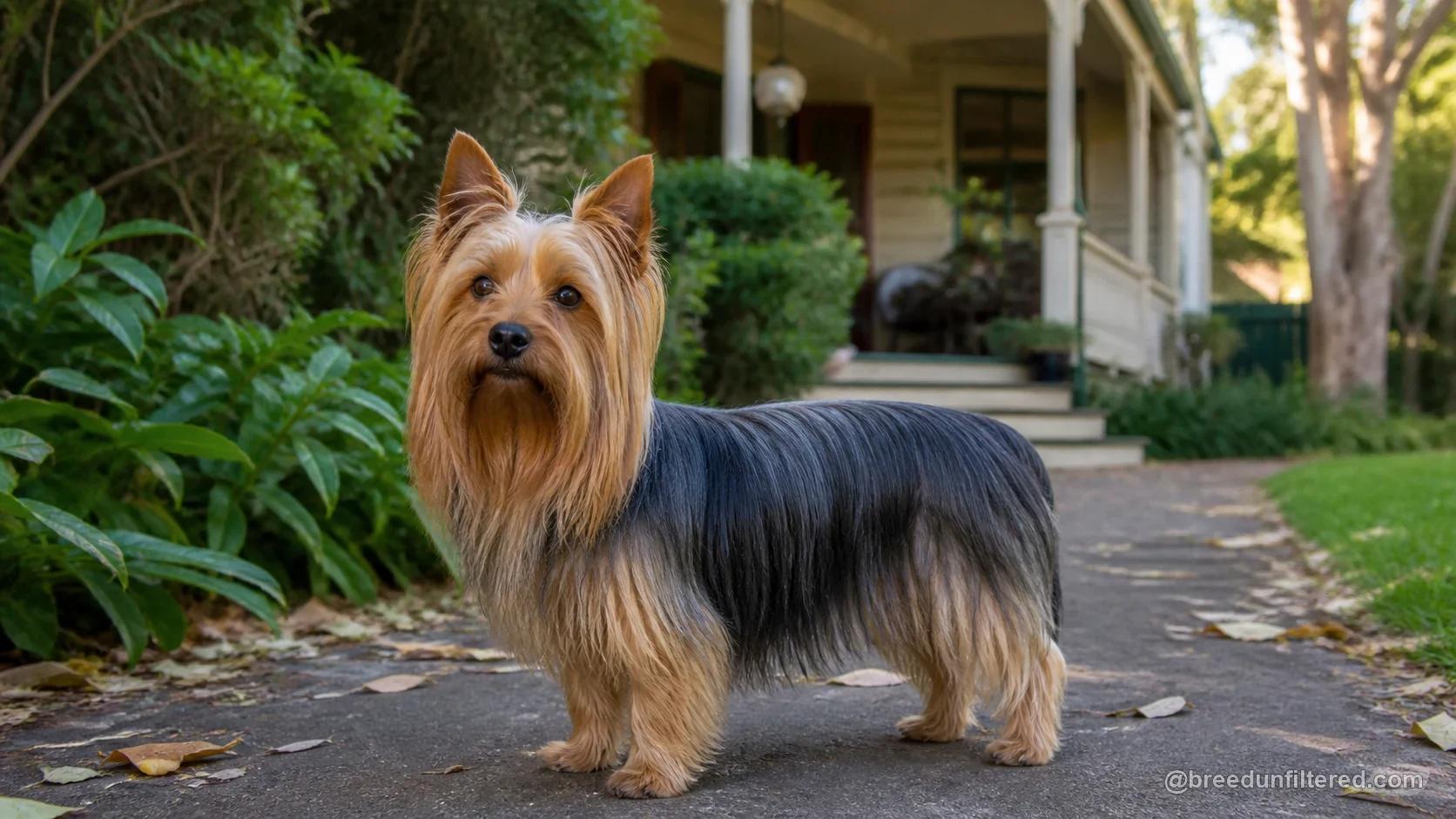
The Australian Silky Terrier, recognized by the FCI in Group 3, is a small companion dog with a distinct, silky coat and a confident terrier spirit. Despite its diminutive size, this breed carries the tenacity and alertness of its terrier ancestors, making it a lively and engaging companion for the right household. Prospective owners should look beyond the charming appearance and understand the breed's exercise, training, and grooming commitments.
This article provides an evidence-conscious overview of the Australian Silky Terrier, drawing on the official FCI standard and reputable breed resources. We'll explore the breed's origins, typical temperament, care requirements, and potential challenges, helping you decide if this spirited terrier aligns with your lifestyle. Remember that every dog is an individual, and early socialization and consistent training play a crucial role in shaping behavior.
Origin and Purpose
The Australian Silky Terrier originated in Australia in the late 19th century, likely from crosses between the Yorkshire Terrier and the Australian Terrier. The breed was developed to combine the silky coat of the former with the sturdy, working terrier traits of the latter, creating a small dog capable of hunting rodents and serving as a companion. The FCI standard (No. 236) classifies it under Group 3, Terriers, and notes its 'definitive' recognition.
Historically, these terriers were valued for their vermin-hunting abilities on farms and in urban settings. Today, they are primarily companion animals, but their terrier heritage remains evident in their alertness, courage, and occasional tendency to chase small animals. Understanding this background helps owners appreciate their dog's instincts and provide appropriate outlets for their energy.
Temperament and Variation
The Australian Silky Terrier is often described as spirited, alert, and confident. The FCI standard portrays the breed as 'keenly alert' and 'full of life,' traits that make them excellent watchdogs. However, individual temperaments can vary widely based on genetics, socialization, and training. While some may be more outgoing, others might be reserved with strangers, so early and positive exposure to various people and situations is recommended.
This breed tends to form strong bonds with its family and can be affectionate, but it also retains a measure of independence typical of terriers. They may not always be eager to please, and their intelligence can sometimes translate into stubbornness. Prospective owners should be prepared for a dog with a mind of its own, requiring patient and consistent guidance rather than heavy-handed methods.
Exercise and Mental Work
As a small terrier, the Australian Silky Terrier has moderate exercise needs. Daily walks and play sessions in a securely fenced area can help meet their physical activity requirements. However, they are not high-energy dogs that need hours of vigorous exercise; rather, they enjoy short bursts of activity and interactive play. Mental stimulation is equally important, as these intelligent dogs can become bored and develop undesirable behaviors if left unchallenged.
Engaging their minds through puzzle toys, scent games, or basic obedience training can be highly beneficial. Because of their hunting background, they may have a strong prey drive, so leash walks in areas with wildlife or small animals require caution. Providing a variety of activities can help channel their energy positively and strengthen the bond between dog and owner.
Training and Socialisation
Training an Australian Silky Terrier requires patience, consistency, and positive reinforcement. They respond well to reward-based methods, such as treats and praise, but may become bored with repetitive drills. Short, engaging sessions are more effective than long, monotonous ones. Early socialization is crucial to help them become well-adjusted adults, exposing them to different people, dogs, and environments in a controlled, positive manner.
Without proper socialization, they may develop excessive barking or wariness toward strangers and other dogs. While they are intelligent and capable of learning commands, their independent streak can make them appear stubborn. Owners who approach training with a sense of humor and flexibility will find the process more enjoyable. Professional training classes can also provide valuable guidance, especially for first-time terrier owners.
Family and Other Pets
Australian Silky Terriers can make affectionate companions for families, but they are often better suited to homes with older children who understand how to interact respectfully with small dogs. Their small size makes them vulnerable to accidental injury from rough handling, so supervision is essential when they are around toddlers. They may be protective of their family and can be wary of strangers, making them good watchdogs.
When it comes to other pets, their terrier instincts can pose challenges. They may chase small animals such as rodents, birds, or cats, especially if not raised with them. With early and consistent socialization, some individuals can coexist peacefully with other dogs and cats, but it is not guaranteed. Prospective owners with existing pets should carefully consider the breed's prey drive and arrange gradual introductions.
Grooming and Health
The Australian Silky Terrier's long, silky coat requires regular grooming to prevent mats and tangles. Daily brushing is often recommended, along with periodic baths and trims. Some owners choose to keep the coat shorter for easier maintenance, but this may alter the breed's typical appearance. Regular ear cleaning, nail trimming, and dental care are also essential parts of the grooming routine.
As with many purebred dogs, the Australian Silky Terrier may be predisposed to certain health conditions, though responsible breeding can reduce risks. Potential issues include patellar luxation, dental disease, and eye problems. It is important for owners to work with a veterinarian to establish a preventive health plan and to be aware of the breed's specific needs. The FCI standard does not list specific health tests, but reputable breeders often screen for common conditions.
Costs and Responsibility
Owning an Australian Silky Terrier involves financial and time commitments. Initial costs include purchasing from a responsible breeder or adopting, as well as supplies like a crate, bedding, food, and grooming tools. Ongoing expenses include high-quality dog food, routine veterinary care, grooming services if not done at home, and pet insurance. Emergency medical costs can be significant, so planning ahead is wise.
Beyond finances, owners must dedicate time to daily exercise, training, grooming, and companionship. This breed thrives on human interaction and may develop separation anxiety if left alone for long periods. Prospective owners should assess their lifestyle to ensure they can meet these needs. Responsible ownership also involves adhering to local regulations, such as leash laws and licensing, and ensuring the dog is properly identified with a microchip.
Clear answers
FREQUENTLY ASKED QUESTIONS
Are Australian Silky Terriers good with children?
Australian Silky Terriers can be good with older, respectful children, but their small size makes them vulnerable to accidental injury from rough play. Supervision is essential when they are around younger kids. Early socialization helps them become more tolerant, but it's important to teach children how to interact gently and safely with small dogs.
How much exercise does an Australian Silky Terrier need?
Australian Silky Terriers have moderate exercise needs. Daily walks and play sessions in a secure area are usually sufficient. They enjoy short bursts of activity rather than long endurance exercises. Mental stimulation is equally important, as they are intelligent and can become bored easily. Puzzle toys and training games can help meet their needs.
Do Australian Silky Terriers shed a lot?
Australian Silky Terriers have a long, silky coat that sheds minimally, but they require regular grooming to prevent mats and tangles. Daily brushing is often recommended, along with periodic baths and trims. Some owners opt for a shorter clip to reduce grooming time, but this changes the breed's typical appearance.
Are Australian Silky Terriers easy to train?
Australian Silky Terriers are intelligent but can be independent and stubborn, making training a challenge for some owners. They respond best to positive reinforcement techniques, such as treats and praise, and short, engaging sessions. Early socialization and consistent training are crucial to bring out their best behavior.
Do Australian Silky Terriers get along with other pets?
Australian Silky Terriers have a strong prey drive, which can make them inclined to chase small animals like rodents, birds, or cats. With early and consistent socialization, some individuals can learn to coexist peacefully with other dogs and cats, but it is not guaranteed. Careful introductions and supervision are recommended.
Sources and further reading
Scores describe typical breed tendencies from 1 to 10. They are not a quality ranking or a prediction for an individual dog.
Size and presence4/10
CompactVery large
Physical strength5/10
LightExceptional
Energy level9/10
LowRelentless
Exercise demand9/10
ModestVery demanding
Mental work needed8/10
ModerateDaily job
Trainability7/10
ChallengingExceptional
Everyday manageability3/10
SpecialistStraightforward
First-time owner fit4/10
Poor fitGood fit
Family-life fit6/10
LimitedExcellent
Dog sociability4/10
SelectiveVery social
Prey drive10/10
LowVery high
Guarding tendency5/10
MinimalSerious
Independence7/10
Handler-focusedSelf-directed
Grooming demand6/10
LightHeavy
Apartment fit5/10
Poor fitGood fit