Complete breed guide
Posavatz Hound OWNERSHIP GUIDE
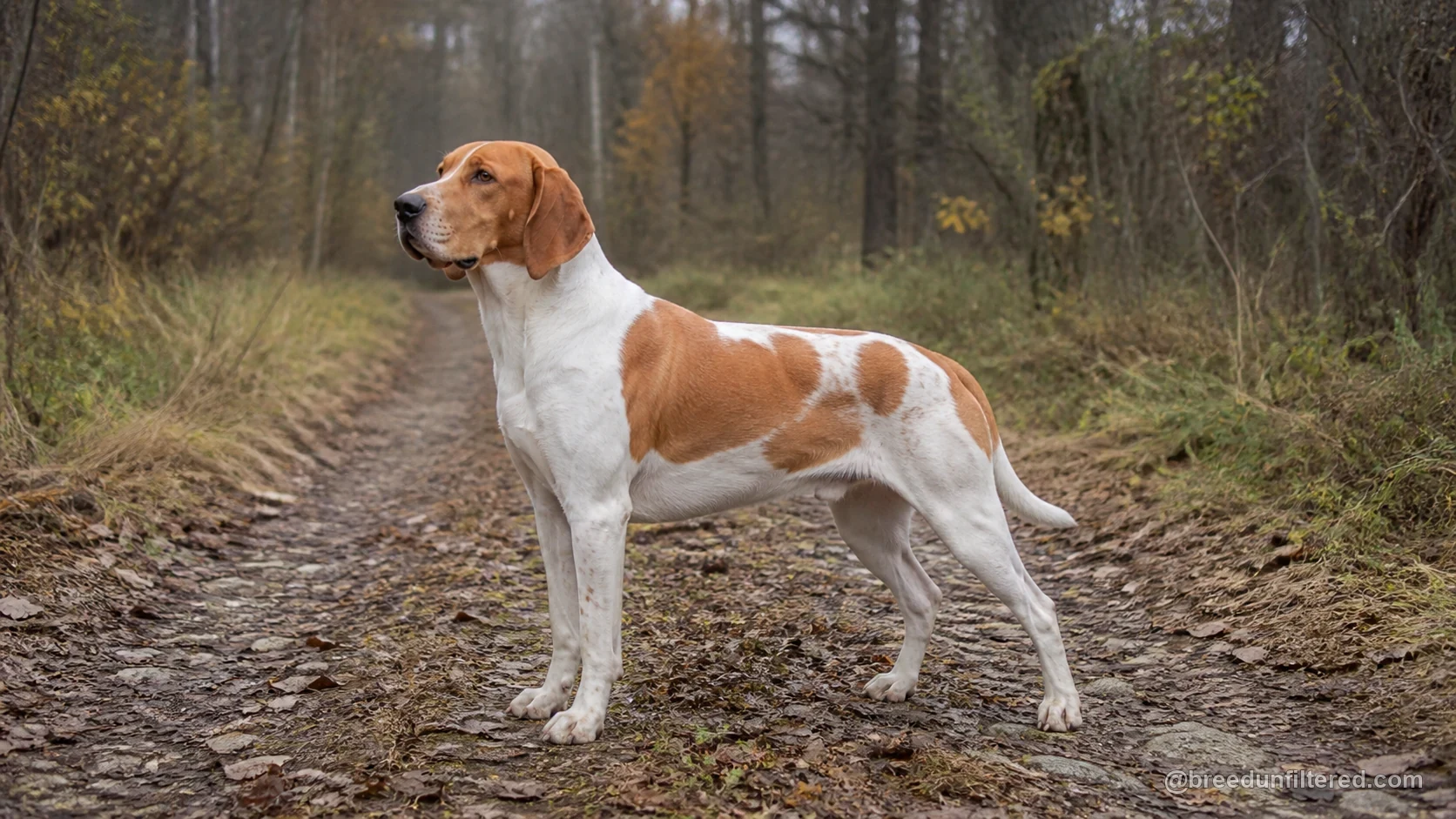
The Posavatz Hound, also known as the Posavski Gonic, is a medium-sized scenthound originating from the Posavina region of Croatia. Bred to hunt hare and fox in dense thickets and along riverbanks, this breed combines a keen nose with remarkable endurance and a determined, yet composed, attitude. While still relatively rare outside its homeland, the Posavatz Hound has gained admirers for its versatility, loyalty, and unpretentious nature.
For prospective owners, understanding the Posavatz Hound's background is essential. This is a working dog at heart, with instincts and energy levels shaped by centuries of hunting. While they can make devoted companions, they are not a low-maintenance couch potato. Their intelligence, independence, and strong prey drive require an owner who can provide structured exercise, mental challenges, and consistent training. This article offers a balanced overview of the breed's characteristics, care needs, and suitability for various households.
Origin and Purpose
The Posavatz Hound's roots trace back to the river valleys of Posavina in Croatia, where it was developed to hunt in challenging terrain. Historical references suggest the breed's ancestors were present in the region for centuries, with the modern standard established in the early 20th century. Recognized by the Fédération Cynologique Internationale (FCI) in 1955, the breed remains closely tied to its hunting heritage, primarily used for hare and fox hunting, often working in packs or individually.
This breed's purpose has shaped its physical and mental attributes. They possess a powerful, well-developed nose, a melodious voice when on a trail, and a sturdy, agile build that allows them to navigate dense undergrowth and uneven ground. Their endurance is notable, as they are expected to work for hours without tiring. Understanding this background is crucial for anyone considering the breed, as it explains their strong prey drive, independence, and need for regular, vigorous activity.
Temperament and Variation
The Posavatz Hound is generally described as even-tempered, loyal, and affectionate with their family. They are known to be good-natured and sociable, often forming strong bonds with their human pack. However, they also retain a degree of independence, a trait common among hounds that must make decisions while working at a distance from their handler. This can manifest as a stubborn streak, especially if they catch an interesting scent.
Individual variation is significant, as with any breed. Some Posavatz Hounds may be more outgoing and eager to please, while others are more reserved or single-minded. Early and ongoing socialisation is key to developing a well-rounded adult dog. While they are generally not aggressive, they can be wary of strangers, making them decent watchdogs. It's important to remember that temperament is influenced by genetics, upbringing, and environment, so meeting the parents and observing the puppy's behaviour can offer clues.
Exercise and Mental Work
As a scent hound, the Posavatz Hound requires substantial daily exercise to stay physically and mentally satisfied. This is not a breed that thrives on a short walk around the block. They benefit from long walks, jogs, or hikes, ideally in areas where they can safely explore and use their nose. Off-lead exercise in a securely fenced area is valuable, but recall must be reliable, as their hunting instinct can override obedience when they pick up a scent.
Mental stimulation is equally important. Scent games, tracking exercises, and puzzle toys can help channel their natural abilities in a constructive way. Without adequate physical and mental outlets, Posavatz Hounds may become restless, bored, and potentially destructive. Prospective owners should be prepared to commit to a consistent exercise routine that meets the dog's needs, which can vary with age, health, and individual energy levels. It's always wise to consult with a veterinarian to tailor an exercise plan.
Training and Socialisation
Training a Posavatz Hound requires patience, consistency, and positive reinforcement methods. They respond well to treats, praise, and play, but they can be sensitive to harsh corrections, which may damage trust. Early obedience training is essential, focusing on basic commands and, crucially, a reliable recall. Because of their independent nature, training sessions should be engaging and varied to hold their interest.
Socialisation from a young age is vital to help them become confident and well-mannered. Exposing them to a wide range of people, animals, environments, and situations can reduce the likelihood of fearfulness or reactivity. While they generally get along with other dogs, their prey drive may make them unsafe around small pets such as cats or rabbits unless raised with them. A well-socialised Posavatz Hound can be a pleasant companion in many settings, but they may never be as biddable as some other breeds.
Family and Pets
The Posavatz Hound can make a loving family dog, especially in active households that include them in daily activities. They are typically good with children, particularly when raised with them, and they often form strong bonds with all family members. Their playful yet gentle nature can be a good match for older children who understand how to interact respectfully with dogs. However, as with any breed, supervision is recommended to ensure safety for both the dog and the child.
Regarding other pets, the Posavatz Hound's hunting background means they may view smaller animals as prey. They can coexist with cats and other small pets if introduced early and carefully, but it's not guaranteed. They generally do well with other dogs, especially if they are used to working in packs. Prospective owners should consider their existing pets and be prepared to manage introductions and ongoing supervision to foster a harmonious multi-pet household.
Grooming and Health
The Posavatz Hound has a short, dense, and weather-resistant coat that requires minimal grooming. Weekly brushing with a soft bristle brush or hound glove will help remove loose hair and keep the coat healthy. They are moderate shedders, and during seasonal changes, more frequent brushing may be needed. Regular ear checks are important, as their floppy ears can trap moisture and debris, potentially leading to infections. Nail trimming, teeth brushing, and occasional baths are also part of routine care.
As a generally healthy breed, the Posavatz Hound has a lifespan of around 12 to 14 years. However, like all breeds, they may be predisposed to certain conditions, including hip dysplasia and ear infections. Responsible breeders screen their breeding stock for common issues. Prospective owners should ask about health clearances and the health history of the parents. Regular veterinary check-ups, a balanced diet, and appropriate exercise can help maintain their overall well-being.
Costs and Responsibility
Owning a Posavatz Hound involves significant financial and time commitments. Initial costs include the purchase price from a reputable breeder, which can vary, as well as supplies such as a crate, bedding, food bowls, and a leash. Ongoing expenses include high-quality dog food, routine veterinary care, vaccinations, parasite prevention, and pet insurance. Emergency medical costs can be substantial, so planning is essential.
Beyond finances, responsible ownership means dedicating time to exercise, training, and companionship. This breed is not suited to a sedentary lifestyle or being left alone for long periods. They thrive in homes with secure, fenced yards where they can safely explore. Prospective owners should research the breed thoroughly, talk to breeders and owners, and honestly assess their ability to meet the dog's needs. Adopting from a rescue is also an option, though the breed is rare, so availability may be limited.
Clear answers
FREQUENTLY ASKED QUESTIONS
Are Posavatz Hounds good with children?
Posavatz Hounds can be good with children, especially when raised with them. They are generally gentle and playful, but their size and energy may be overwhelming for very young kids. Supervision and teaching children how to interact respectfully with dogs are essential. As with any breed, individual temperament varies, so early socialisation and positive experiences are key.
How much exercise does a Posavatz Hound need?
Posavatz Hounds are high-energy dogs that need substantial daily exercise. This includes long walks, runs, or hikes, plus opportunities to use their nose. They are not suited to apartment living without a very active owner. Mental stimulation, such as scent games, is also important to prevent boredom and destructive behaviour.
Are Posavatz Hounds easy to train?
Posavatz Hounds are intelligent but can be independent and stubborn, making training a challenge for novice owners. They respond best to positive reinforcement methods, such as treats and praise, and consistent, patient training. Early socialisation and obedience classes are recommended. Their strong prey drive can affect recall, so reliable off-lead control is difficult to achieve.
Do Posavatz Hounds get along with other pets?
Posavatz Hounds generally get along with other dogs, especially if socialised early. However, due to their hunting instincts, they may chase or harm small animals like cats, rabbits, or rodents. Introducing them to other pets at a young age and under supervision can help, but there is no guarantee. Always monitor interactions.
What are the grooming requirements for a Posavatz Hound?
The Posavatz Hound has a short, dense coat that requires minimal grooming. Weekly brushing to remove loose hair and distribute skin oils is sufficient. They shed moderately, and more frequent brushing during shedding seasons helps manage loose fur. Regular ear cleaning is important to prevent infections, along with routine nail trimming and dental care.
Sources and further reading
Scores describe typical breed tendencies from 1 to 10. They are not a quality ranking or a prediction for an individual dog.
Size and presence5/10
CompactVery large
Physical strength6/10
LightExceptional
Energy level9/10
LowRelentless
Exercise demand10/10
ModestVery demanding
Mental work needed8/10
ModerateDaily job
Trainability5/10
ChallengingExceptional
Everyday manageability1/10
SpecialistStraightforward
First-time owner fit3/10
Poor fitGood fit
Family-life fit6/10
LimitedExcellent
Dog sociability8/10
SelectiveVery social
Prey drive10/10
LowVery high
Guarding tendency3/10
MinimalSerious
Independence10/10
Handler-focusedSelf-directed
Grooming demand2/10
LightHeavy
Apartment fit4/10
Poor fitGood fit