Complete breed guide
Broholmer OWNERSHIP GUIDE
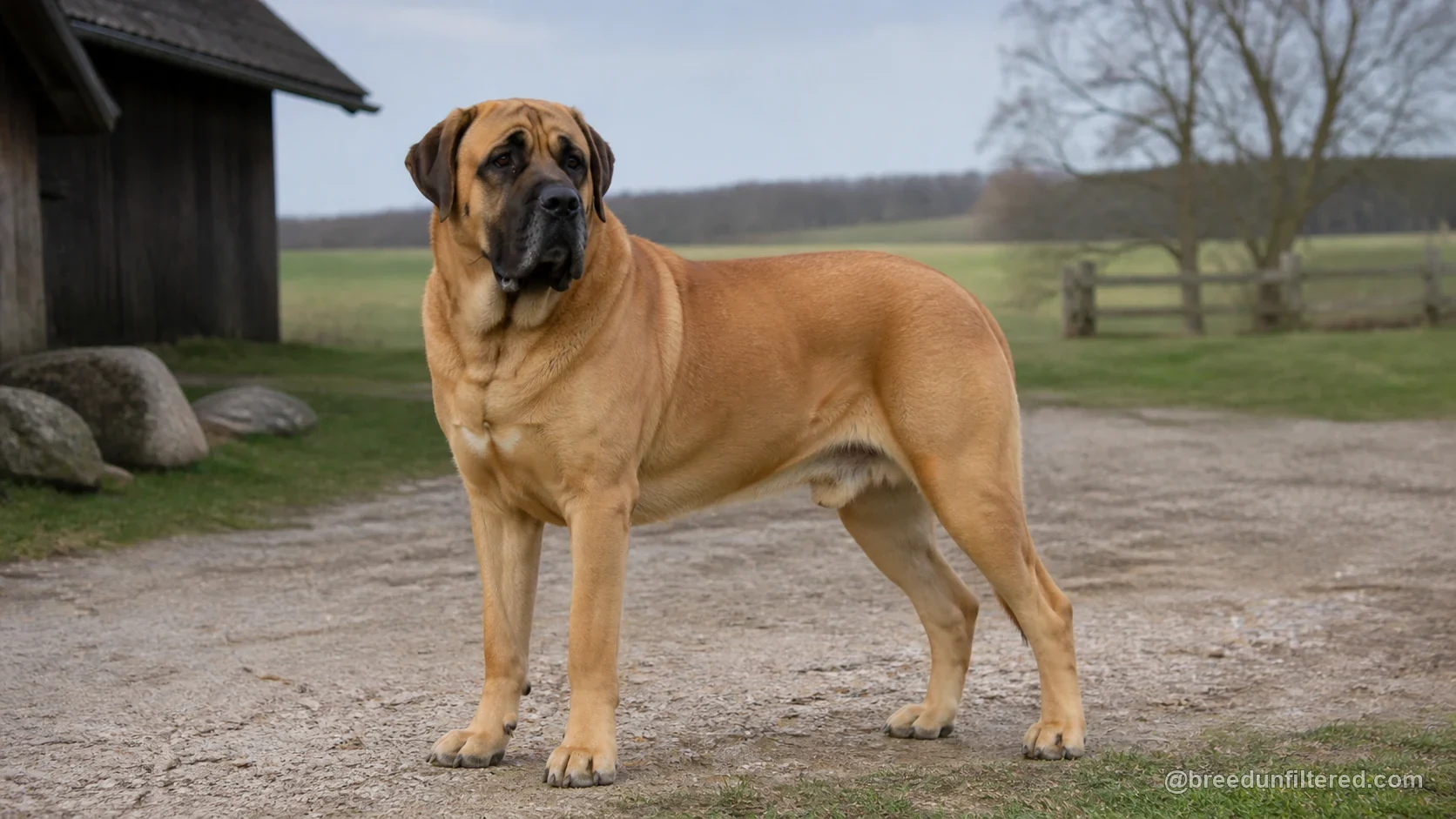
The Broholmer, also known as the Danish Mastiff, is a large, powerful breed with a calm and friendly disposition. Originating in Denmark, this molosser-type dog was historically used as a guard and hunting dog, but today it is cherished as a devoted family companion. Prospective owners should be prepared for a substantial commitment in space, time, and training, as this breed thrives on close human contact and consistent guidance.
Before welcoming a Broholmer into your home, it's essential to understand its unique characteristics. While generally even-tempered and affectionate, these dogs require early socialisation and firm, gentle training to become well-adjusted adults. Their size alone demands respect and careful management, making them best suited to experienced owners with ample space and a willingness to invest in their dog's physical and mental well-being.
Origin and Purpose
The Broholmer's roots trace back to medieval Denmark, where it was bred from large mastiff-type dogs to serve as a guard and hunting companion. The breed's name comes from the Broholm estate, where it was refined in the 19th century. Recognised by the Fédération Cynologique Internationale (FCI) under standard number 315, the Broholmer is classified in Group 2, which includes Pinschers, Schnauzers, Molossians, and Swiss Mountain Dogs.
Historically, the Broholmer was used to track and hold large game, as well as to guard estates. After a period of decline, dedicated enthusiasts revived the breed in the mid-20th century. Today, it is primarily a companion and family dog, though it retains its protective instincts. Understanding this heritage helps prospective owners appreciate the breed's need for purposeful activity and a secure, structured environment.
Temperament and Variation
The Broholmer is known for its calm, confident, and friendly temperament. It is typically devoted to its family and can be reserved with strangers, making it an effective watchdog. However, individual dogs can vary in energy and sociability, influenced by genetics, socialisation, and training. While many Broholmers are gentle and patient, some may be more assertive or independent, requiring an owner who can provide clear leadership.
As with any breed, early and ongoing socialisation is crucial to help a Broholmer develop into a well-mannered adult. Exposing puppies to a variety of people, animals, and environments can reduce the likelihood of shyness or over-protectiveness. Prospective owners should meet the parents if possible and discuss temperament with breeders to get a sense of the puppy's potential personality.
Exercise and Mental Work
Despite their large size, Broholmers are not excessively energetic. They require moderate daily exercise, such as a long walk or a play session in a securely fenced yard, to keep them physically fit and mentally stimulated. However, they are not suited to intense athletic activities or prolonged running, especially in hot weather, due to their heavy build and potential joint issues. Regular, moderate exercise is key to preventing obesity, which can exacerbate health problems.
Mental stimulation is equally important for this intelligent breed. Puzzle toys, scent games, and basic obedience training can help keep their minds engaged. Broholmers enjoy being included in family activities and may become bored or destructive if left alone for long periods. Providing a variety of enrichment activities can prevent behavioural issues and strengthen the bond between dog and owner.
Training and Socialisation
Training a Broholmer requires patience, consistency, and positive reinforcement methods. This breed is intelligent but can be stubborn, so harsh corrections are counterproductive. Early obedience training is essential to manage their size and strength, and to establish good manners. Crate training and housebreaking should begin as soon as the puppy arrives, with a focus on rewarding desired behaviours.
Socialisation should start early and continue throughout the dog's life. Introducing the Broholmer to a wide range of people, dogs, and situations helps build confidence and reduces the risk of fear-based aggression. Puppy classes and supervised playdates are excellent ways to socialise a young Broholmer. An owner who invests time in training and socialisation will be rewarded with a well-adjusted, reliable companion.
Family and Pets
Broholmers are generally good with children, especially when raised with them. Their calm and patient nature makes them suitable playmates, but their size means supervision is necessary to prevent accidental knocks or injuries. Teaching children how to interact respectfully with a large dog is important. As with any breed, never leave a dog and a young child unsupervised.
With other pets, Broholmers can coexist peacefully if socialised early. They may have a higher prey drive towards small animals, so introductions should be gradual and controlled. While they are not typically aggressive towards other dogs, same-sex aggression can occur, particularly in unneutered males. Early and ongoing socialisation with other dogs can help mitigate these tendencies.
Grooming and Health
The Broholmer has a short, dense coat that requires minimal grooming. Weekly brushing with a firm bristle brush or a rubber curry comb helps remove loose hair and keep the coat healthy. They shed moderately, with heavier shedding during seasonal changes. Bathing should be infrequent to avoid stripping natural oils, and routine care such as nail trimming, ear cleaning, and dental hygiene should be part of the regular grooming schedule.
As a large breed, Broholmers are prone to certain health conditions, including hip and elbow dysplasia, and bloat (gastric dilatation-volvulus). Responsible breeders screen their breeding stock for these issues. Prospective owners should ask about health clearances and be prepared for potential veterinary costs. Maintaining a healthy weight and avoiding vigorous exercise immediately after meals can reduce the risk of bloat.
Costs and Responsibility
Owning a Broholmer is a significant financial and time commitment. Initial costs include the purchase price, which can vary, as well as supplies such as a crate, bed, food bowls, and grooming tools. Ongoing expenses include high-quality food, routine veterinary care, vaccinations, and preventive medications. Emergency medical care and pet insurance are also worth considering, as large breeds can incur higher veterinary bills.
Beyond finances, prospective owners must be prepared for the responsibility of caring for a large, powerful dog. This includes providing adequate space, secure fencing, and daily exercise and mental stimulation. Broholmers thrive on human companionship and should not be left alone for long periods. They are not suited to apartment living unless the owner is committed to providing ample outdoor time. Responsible ownership also involves training, socialisation, and ensuring the dog is a positive member of the community.
Clear answers
FREQUENTLY ASKED QUESTIONS
Are Broholmers good with children?
Broholmers are generally good with children, especially when raised with them. Their calm and patient nature makes them suitable playmates, but their large size means supervision is necessary to prevent accidental injuries. Teaching children how to interact respectfully with a large dog is essential, and as with any breed, never leave a dog and a young child unsupervised.
How much exercise does a Broholmer need?
Broholmers require moderate daily exercise, such as a long walk or a play session in a securely fenced yard. They are not excessively energetic and are not suited to intense athletic activities, especially in hot weather. Regular, moderate exercise helps keep them physically fit and mentally stimulated, preventing obesity and boredom-related behaviours.
Are Broholmers easy to train?
Broholmers are intelligent but can be stubborn, so training requires patience, consistency, and positive reinforcement. Harsh corrections are counterproductive. Early obedience training and socialisation are essential to manage their size and strength. With a gentle, firm approach, they can learn quickly and become well-mannered companions.
Do Broholmers get along with other dogs?
Broholmers can coexist peacefully with other dogs if socialised early. However, same-sex aggression can occur, particularly in unneutered males. Early and ongoing socialisation with a variety of dogs is important to reduce the risk of conflicts. Supervised introductions and positive experiences can help them develop good social skills.
What health issues are common in Broholmers?
As a large breed, Broholmers are prone to hip and elbow dysplasia, and bloat (gastric dilatation-volvulus). Responsible breeders screen their breeding stock for these conditions. Prospective owners should ask about health clearances and be prepared for potential veterinary costs. Maintaining a healthy weight and avoiding vigorous exercise after meals can reduce the risk of bloat.
Sources and further reading
Scores describe typical breed tendencies from 1 to 10. They are not a quality ranking or a prediction for an individual dog.
Size and presence8/10
CompactVery large
Physical strength9/10
LightExceptional
Energy level7/10
LowRelentless
Exercise demand7/10
ModestVery demanding
Mental work needed7/10
ModerateDaily job
Trainability6/10
ChallengingExceptional
Everyday manageability2/10
SpecialistStraightforward
First-time owner fit3/10
Poor fitGood fit
Family-life fit6/10
LimitedExcellent
Dog sociability3/10
SelectiveVery social
Prey drive6/10
LowVery high
Guarding tendency9/10
MinimalSerious
Independence7/10
Handler-focusedSelf-directed
Grooming demand3/10
LightHeavy
Apartment fit3/10
Poor fitGood fit