Complete breed guide
Danish-Swedish Farmdog OWNERSHIP GUIDE
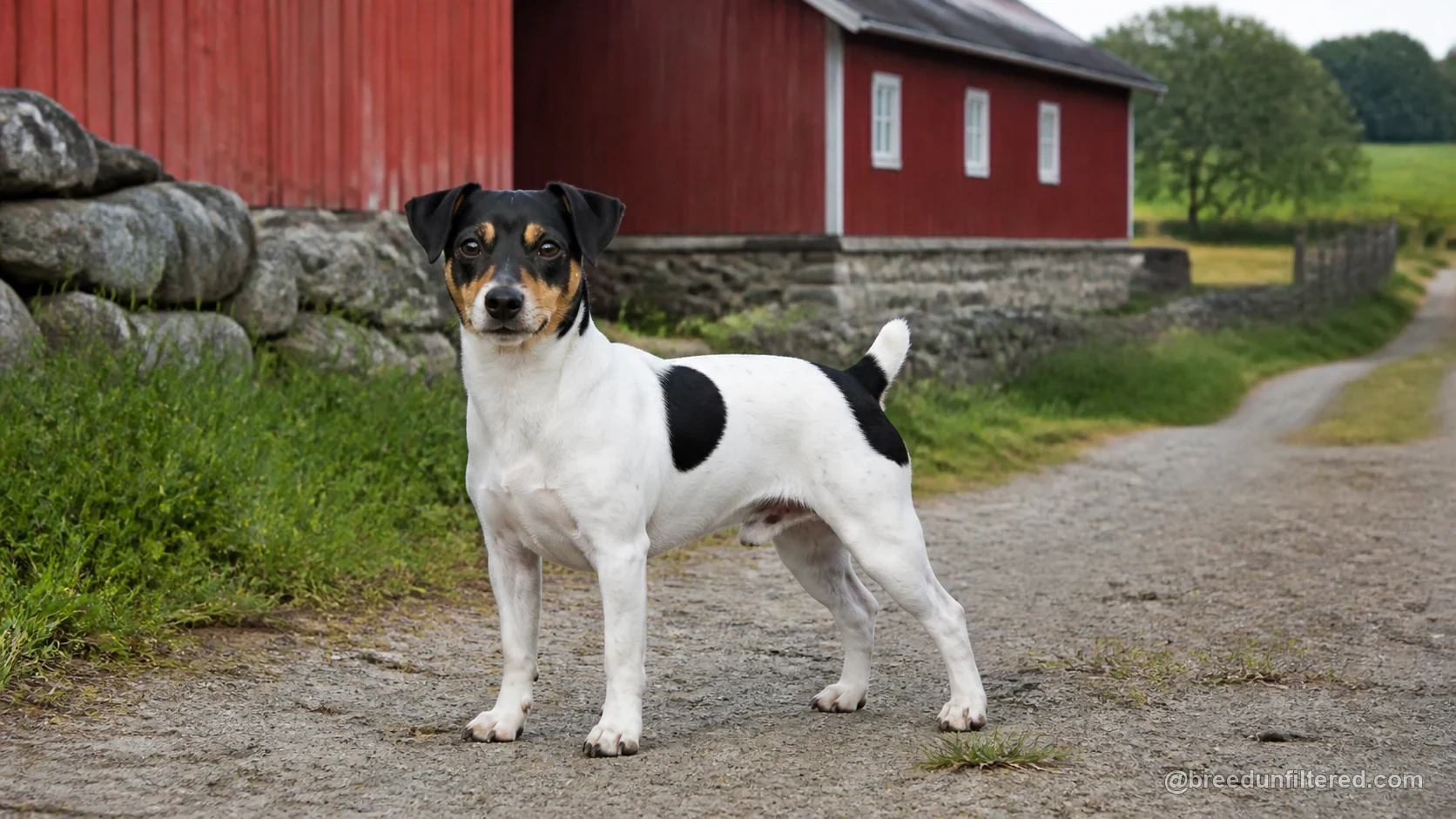
The Danish-Swedish Farmdog, also known as the Dansk-Svensk Gårdshund, is a small but sturdy breed that originated in Denmark and southern Sweden. Historically, these dogs were valued as versatile farm dogs, adept at controlling vermin, guarding property, and serving as loyal companions. Their name reflects their working heritage, and they remain a practical and adaptable breed for modern homes.
This breed is characterized by its compact size, expressive face, and lively demeanor. Danish-Swedish Farmdogs are known for their intelligence and eagerness to please, making them enjoyable companions for active individuals or families. However, they are also energetic and require consistent mental and physical stimulation to thrive. This article provides an overview of the breed's origins, temperament, care needs, and more to help prospective owners decide if this is the right dog for them.
Origin and Purpose
The Danish-Swedish Farmdog has a long history in Scandinavia, where it was bred to be a general-purpose farm dog. These dogs were expected to hunt rats and other vermin, alert owners to strangers, and even herd livestock when needed. Their versatility made them indispensable on small farms, and they were prized for their hardiness and adaptability to various tasks.
The breed was officially recognized by the Fédération Cynologique Internationale (FCI) in 2019, with the standard number 356. Today, while their role as working farm dogs has diminished, they still retain the instincts and abilities that made them valuable. They are increasingly popular as companion animals, but their heritage means they thrive in environments where they have a job to do, whether that's participating in dog sports or simply being an active family member.
Temperament and Variation
Danish-Swedish Farmdogs are typically alert, confident, and friendly. They are known for their intelligence and often display a playful, curious nature. While individual temperaments can vary, the breed standard describes them as lively and eager to work. They tend to form strong bonds with their families and can be affectionate companions, but they may be reserved with strangers, making them decent watchdogs.
As with any breed, early socialization plays a crucial role in shaping a dog's temperament. Exposing a Danish-Swedish Farmdog to various people, animals, and environments from a young age can help ensure they grow into well-adjusted adults. It's important to note that these dogs are not typically aggressive, but they may exhibit a strong prey drive due to their vermin-hunting background, which can influence their behavior around small animals.
Exercise and Mental Work
The Danish-Swedish Farmdog is an energetic breed that requires regular physical activity to stay healthy and happy. Daily walks, play sessions, and opportunities to run in a securely fenced area are essential. They are well-suited for activities like agility, obedience, and even barn hunt, which tap into their natural instincts. Without adequate exercise, they may become restless and develop undesirable behaviors.
Mental stimulation is equally important for this intelligent breed. Puzzle toys, training sessions, and interactive games can help keep their minds engaged. Because they were bred to work, they often enjoy having a 'job' to do, whether it's learning new tricks or participating in canine sports. Prospective owners should be prepared to dedicate time each day to both physical and mental enrichment to prevent boredom.
Training and Socialisation
Danish-Swedish Farmdogs are generally eager to please and respond well to positive reinforcement training methods. They are intelligent and can learn commands quickly, but they may also have a stubborn streak. Consistency and patience are key. Using treats, praise, and play as rewards can make training sessions enjoyable for both dog and owner.
Early socialization is crucial to help them become well-mannered adults. Exposing them to a variety of people, dogs, and situations can reduce the likelihood of fearfulness or aggression. Puppy classes and regular outings can be beneficial. While they are typically good with children and other dogs when raised together, their prey drive may make them unsuitable for homes with small pets like rabbits or guinea pigs unless carefully managed.
Family and Pets
Danish-Swedish Farmdogs can make excellent family pets for active households. They are generally playful and affectionate with children, though supervision is always recommended with young kids to ensure safe interactions. Their small size makes them manageable, but they are sturdy enough to enjoy rough-and-tumble play. They often thrive in homes where they can be involved in family activities.
When it comes to other pets, early socialization can help them coexist peacefully with other dogs. However, due to their hunting background, they may view smaller animals as prey. Cats may be accepted if raised together, but introductions should be gradual and supervised. Prospective owners with small pets should carefully consider the breed's instincts and be prepared to manage them.
Grooming and Health
The Danish-Swedish Farmdog has a short, smooth coat that is relatively low-maintenance. Weekly brushing with a soft bristle brush or grooming mitt can help remove loose hair and keep the coat shiny. They shed moderately, so regular grooming can help manage shedding. Bathing should be done only when necessary to avoid stripping natural oils.
As a generally healthy breed, Danish-Swedish Farmdogs have a life expectancy of around 12-15 years. However, like all breeds, they may be prone to certain health conditions. Responsible breeders screen for issues such as hip dysplasia, patellar luxation, and eye disorders. Regular veterinary check-ups, a balanced diet, and proper exercise can contribute to their overall well-being. Prospective owners should ask breeders about health testing and the health history of the puppy's parents.
Costs and Responsibility
Owning a Danish-Swedish Farmdog involves financial and time commitments. Initial costs include purchasing a puppy from a reputable breeder, which can vary widely, and setting up essentials like a crate, bedding, food, and veterinary care. Ongoing expenses include high-quality dog food, routine vet visits, vaccinations, and preventive medications. Pet insurance is also worth considering.
Beyond finances, responsible ownership requires dedicating time to training, exercise, and companionship. These dogs thrive on human interaction and should not be left alone for long periods. They are not suited to a sedentary lifestyle. Prospective owners should assess their ability to meet the breed's needs and ensure they can provide a loving, active home for the dog's entire life.
Clear answers
FREQUENTLY ASKED QUESTIONS
Are Danish-Swedish Farmdogs good with children?
Danish-Swedish Farmdogs can be good with children, especially when raised together. They are generally playful and affectionate, but like any dog, interactions should be supervised, particularly with young children. Teaching children how to approach and handle dogs respectfully is important. Early socialization and training can help ensure a positive relationship.
Do Danish-Swedish Farmdogs bark a lot?
Danish-Swedish Farmdogs are alert and may bark to announce visitors or unusual sounds, making them decent watchdogs. However, excessive barking can become a problem if they are bored or under-stimulated. Providing adequate exercise and mental enrichment can help reduce nuisance barking. Training can also teach them when it's appropriate to be quiet.
How much exercise does a Danish-Swedish Farmdog need?
Danish-Swedish Farmdogs are energetic and require daily exercise, typically at least 30-60 minutes of activity. This can include walks, playtime, and off-leash running in a safe area. They also benefit from mental challenges like puzzle toys or training sessions. Without sufficient exercise, they may become hyperactive or develop destructive behaviors.
Are Danish-Swedish Farmdogs easy to train?
Danish-Swedish Farmdogs are intelligent and generally eager to please, which makes them trainable. They respond well to positive reinforcement methods such as treats and praise. However, they can be independent at times, so consistency and patience are important. Early socialization and obedience training are recommended to bring out their best.
Do Danish-Swedish Farmdogs get along with other dogs?
Danish-Swedish Farmdogs can get along with other dogs, especially if they are socialized from a young age. They are typically friendly and enjoy play. However, their prey drive may make them chase smaller animals, so introductions to cats or small pets should be careful. Supervised interactions and gradual introductions are key to successful multi-pet households.
Sources and further reading
Scores describe typical breed tendencies from 1 to 10. They are not a quality ranking or a prediction for an individual dog.
Size and presence8/10
CompactVery large
Physical strength8/10
LightExceptional
Energy level6/10
LowRelentless
Exercise demand6/10
ModestVery demanding
Mental work needed7/10
ModerateDaily job
Trainability6/10
ChallengingExceptional
Everyday manageability2/10
SpecialistStraightforward
First-time owner fit3/10
Poor fitGood fit
Family-life fit7/10
LimitedExcellent
Dog sociability4/10
SelectiveVery social
Prey drive8/10
LowVery high
Guarding tendency8/10
MinimalSerious
Independence9/10
Handler-focusedSelf-directed
Grooming demand5/10
LightHeavy
Apartment fit3/10
Poor fitGood fit