Complete breed guide
Polish Tatra Shepherd OWNERSHIP GUIDE
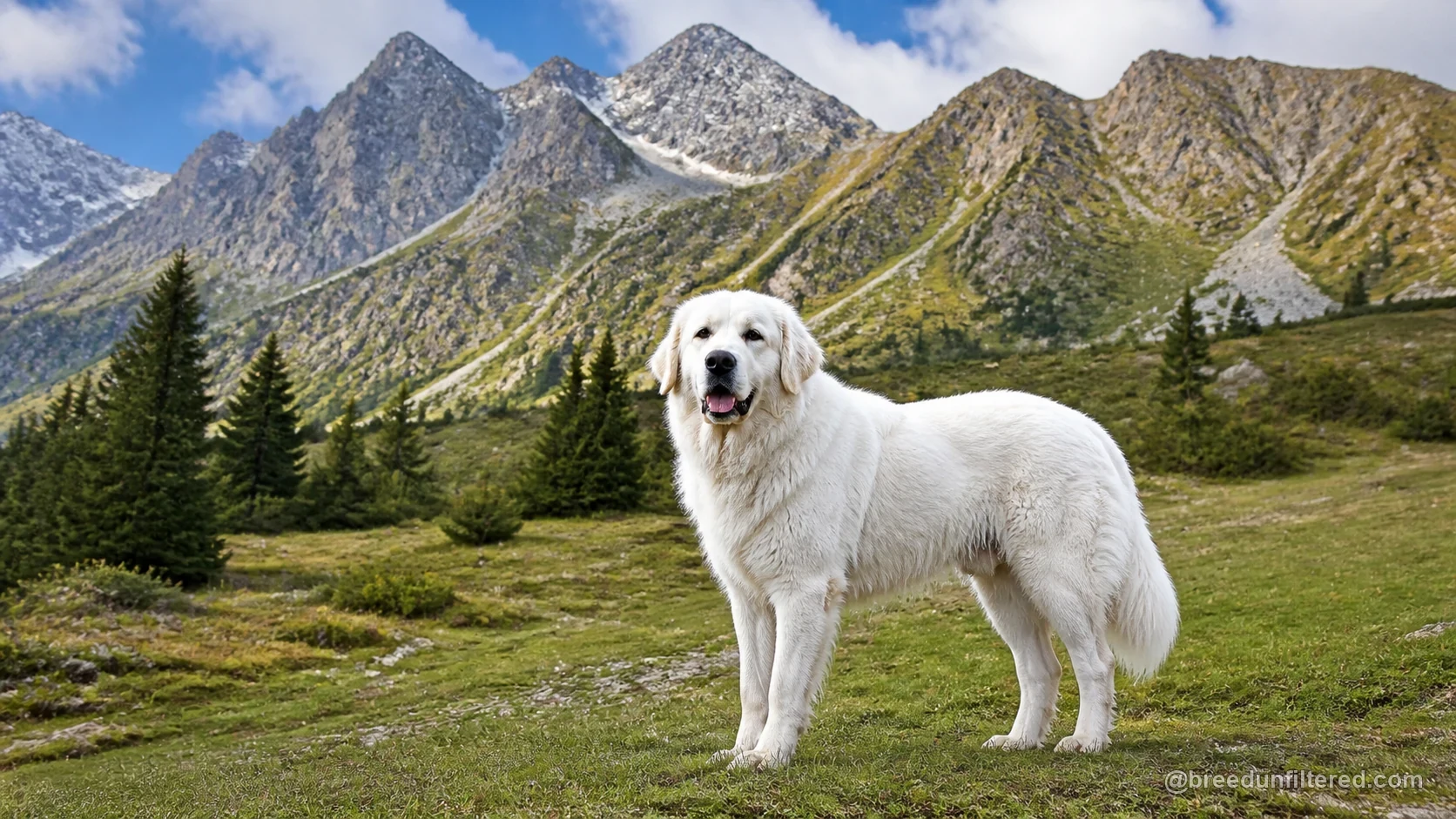
The Polish Tatra Shepherd, also known as the Polski Owczarek Podhalanski, is a large, white livestock guardian breed from the Tatra Mountains of southern Poland. For centuries, these dogs have protected flocks from predators, working independently in harsh mountain conditions. Their imposing size and thick coat are matched by a calm, watchful demeanor, making them devoted companions for experienced owners who understand their guarding heritage.
Prospective owners should know that the Tatra is not a typical family pet. Bred to think for themselves, they are intelligent, loyal, and deeply protective of their family and territory. While they can be gentle and affectionate with their people, they require firm, consistent training, ample space, and a job to feel fulfilled. This article provides an evidence-conscious overview of the breed's origins, temperament, care needs, and responsibilities to help you decide if a Polish Tatra Shepherd is the right fit for your home.
Origin and Purpose
The Polish Tatra Shepherd originates from the Podhale region of the Tatra Mountains, where it has been used for centuries as a livestock guardian. The breed's primary role was to protect sheep and cattle from predators such as wolves and bears. This working heritage is recognized by the Fédération Cynologique Internationale (FCI), which classifies the breed under Group 1 (Sheepdogs and Cattle Dogs) with standard number 252. The official FCI standard describes a dog of impressive size, with a white coat that blends into snowy landscapes, and a calm, watchful temperament.
Unlike herding dogs that move livestock, Tatras are guardians: they live with the flock and deter predators through presence and, if necessary, confrontation. This independent decision-making was essential for their survival in remote mountain pastures. As a result, modern Tatras retain a strong protective instinct and a tendency to assess situations on their own. Understanding this purpose is crucial for prospective owners, as it shapes the breed's behavior, training needs, and suitability for various lifestyles.
Temperament and Variation
The Polish Tatra Shepherd is known for its calm, steady, and loyal temperament. They are typically reserved with strangers but deeply devoted to their family. While individual dogs vary, the breed standard emphasizes a balanced, confident demeanor without excessive shyness or aggression. Tatras are not typically hyperactive; they are often described as 'gentle giants' who are content to watch over their domain. However, their guarding instinct means they are alert and may bark to announce visitors or unusual activity.
Because they were bred to work independently, Tatras can be stubborn and may not always respond instantly to commands. They are intelligent and can learn quickly, but they also have a mind of their own. Early socialization and consistent, positive training are essential to shape a well-adjusted adult. It's important to note that temperament is influenced by genetics, upbringing, and environment, so no universal claims can be made about every individual dog.
Exercise and Mental Work
Polish Tatra Shepherds have moderate exercise needs compared to many working breeds. They are not high-energy dogs that require hours of intense running, but they do need daily walks and opportunities to roam in a securely fenced area. As livestock guardians, they are accustomed to patrolling and may enjoy having a 'territory' to watch over. However, they are also content to lounge for much of the day, conserving energy for potential threats.
Mental stimulation is equally important. Tatras thrive when given a job, such as guarding a yard, participating in dog sports like obedience or tracking, or engaging in puzzle toys. Without adequate mental and physical outlets, they may become bored and develop undesirable behaviors like excessive barking or digging. Prospective owners should be prepared to provide structured activities that challenge their dog's mind and satisfy their instinct to work.
Training and Socialisation
Training a Polish Tatra Shepherd requires patience, consistency, and a respectful approach. They respond best to positive reinforcement methods that build trust, as harsh or forceful techniques can damage their confidence and willingness to cooperate. Because they are independent thinkers, owners must be clear and consistent in their expectations. Early obedience training is essential to establish basic manners and recall, though it's important to recognize that a Tatra may not have the same eagerness to please as a retriever.
Socialisation from a young age is critical. Exposing the puppy to a variety of people, animals, and environments helps them develop into a well-rounded adult. However, even with socialisation, Tatras may remain aloof with strangers and protective of their family. They are generally good with children they know, but supervision is always recommended. It's also important to socialise them with other dogs, as their guarding instincts can sometimes lead to same-sex aggression or territorial behavior.
Family and Other Pets
Polish Tatra Shepherds can be wonderful family dogs for those who understand their needs. They are typically gentle and patient with children, especially when raised with them, and they form strong bonds with their human pack. However, their large size and protective nature mean they should always be supervised around young children to prevent accidental knocks or overzealous guarding. They are not typically aggressive, but they may interpret rough play as a threat to their family.
When it comes to other pets, Tatras can coexist with cats and other dogs if raised with them from puppyhood. Their livestock guardian background means they may be tolerant of other animals, but they may also view unfamiliar dogs as intruders. Same-sex aggression can occur, particularly between males. Early and ongoing socialisation is key, but even then, individual temperament varies. Prospective owners should be prepared to manage introductions carefully and provide a structured environment.
Grooming and Health
The Polish Tatra Shepherd has a thick, double coat that requires regular grooming. They shed moderately throughout the year and heavily during seasonal changes, often 'blowing' their undercoat. Weekly brushing is typically sufficient, but daily brushing may be needed during heavy shedding periods. Their coat is somewhat water-resistant and dirt-repellent, but they may still require occasional baths. Regular ear cleaning, nail trimming, and dental care are also part of routine maintenance.
As a breed, Polish Tatra Shepherds are generally healthy, but like all dogs, they can be prone to certain conditions. Hip dysplasia is a concern in many large breeds, and responsible breeders screen their stock. Other potential issues include eye disorders and hypothyroidism. It's essential to obtain a puppy from a breeder who performs health clearances and provides documentation. Regular veterinary check-ups and a balanced diet are crucial for maintaining overall health. This information is not a diagnosis but a general overview of breed-related health considerations.
Costs and Responsibility
Owning a Polish Tatra Shepherd is a significant financial and time commitment. Initial costs include the purchase price from a reputable breeder, which can be substantial, as well as supplies like a crate, bedding, and grooming tools. Ongoing expenses include high-quality food, routine veterinary care, vaccinations, and preventive medications. Because of their size, they may require larger doses of medications and more food, increasing costs. Pet insurance is also worth considering to help manage unexpected medical bills.
Beyond finances, Tatras require a dedicated owner who can provide ample space, time for training and exercise, and a commitment to their mental well-being. They are not suited to apartment living or owners who are away for long hours. Their protective nature means they need a securely fenced yard and responsible management to prevent escapes or incidents. Prospective owners should thoroughly research the breed, meet adult Tatras, and talk to breeders or rescue organizations to ensure they can meet the breed's needs for a lifetime, which can be 10-12 years.
Clear answers
FREQUENTLY ASKED QUESTIONS
Are Polish Tatra Shepherds good with children?
Polish Tatra Shepherds can be good with children, especially when raised with them. They are typically gentle and protective of their family, but their large size and guarding instincts mean supervision is essential. Early socialisation and training help them learn appropriate behavior around kids. However, individual temperament varies, and no dog should be left unsupervised with young children.
Do Polish Tatra Shepherds bark a lot?
Polish Tatra Shepherds are alert and may bark to announce visitors or unusual activity, as they were bred to guard livestock. They are not typically excessive barkers, but they will use their voice to alert their family. Without adequate mental stimulation or if left alone for long periods, they may bark more out of boredom. Training and providing a job can help manage barking.
Are Polish Tatra Shepherds easy to train?
Polish Tatra Shepherds are intelligent but independent, which can make training a challenge for novice owners. They respond best to positive reinforcement and consistent, patient methods. They may not be as eager to please as some other breeds, so training requires time and effort. Early socialisation and obedience classes are highly recommended to establish good habits.
Do Polish Tatra Shepherds get along with other dogs?
Polish Tatra Shepherds can get along with other dogs, especially if raised with them. However, they may be territorial and can exhibit same-sex aggression, particularly males. Early and ongoing socialisation is crucial, but even then, individual temperament varies. Owners should manage introductions carefully and be prepared to separate dogs if needed.
What is the lifespan of a Polish Tatra Shepherd?
The typical lifespan of a Polish Tatra Shepherd is around 10 to 12 years, though some may live longer with good care. As a large breed, they are prone to certain health issues like hip dysplasia, so regular veterinary check-ups and a healthy lifestyle are important. Responsible breeding practices can also contribute to a longer, healthier life.
Sources and further reading
Scores describe typical breed tendencies from 1 to 10. They are not a quality ranking or a prediction for an individual dog.
Size and presence6/10
CompactVery large
Physical strength5/10
LightExceptional
Energy level9/10
LowRelentless
Exercise demand9/10
ModestVery demanding
Mental work needed10/10
ModerateDaily job
Trainability9/10
ChallengingExceptional
Everyday manageability2/10
SpecialistStraightforward
First-time owner fit3/10
Poor fitGood fit
Family-life fit7/10
LimitedExcellent
Dog sociability3/10
SelectiveVery social
Prey drive7/10
LowVery high
Guarding tendency9/10
MinimalSerious
Independence6/10
Handler-focusedSelf-directed
Grooming demand8/10
LightHeavy
Apartment fit4/10
Poor fitGood fit