Complete breed guide
Long-Haired Pyrenean Sheepdog OWNERSHIP GUIDE
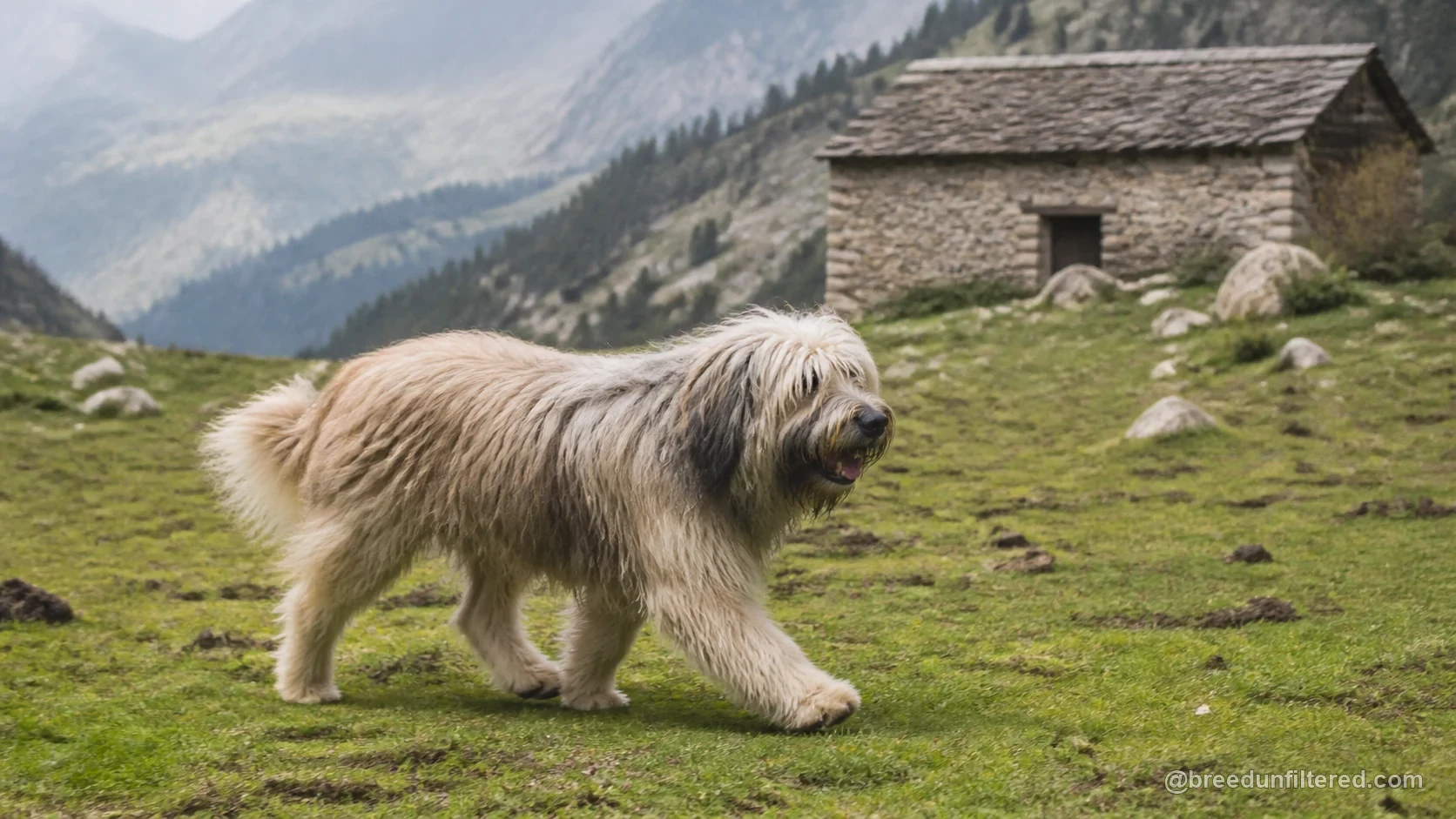
The Long-Haired Pyrenean Sheepdog, known in French as the Chien de Berger des Pyrénées à Poil Long, is a rustic and spirited herding dog from the French Pyrenees. Bred for centuries to work livestock in mountainous terrain, this breed combines agility, intelligence, and a strong work ethic. Its shaggy coat and alert expression give it a distinctive charm, but prospective owners should understand that this is a dog with significant exercise and mental stimulation needs.
This guide provides an evidence-conscious overview of the breed's characteristics, care requirements, and potential challenges. While individual dogs vary, understanding the breed's typical tendencies can help you decide if this energetic and devoted companion is the right fit for your lifestyle. We'll explore its origins, temperament, training, grooming, and more, drawing on official breed standards and recognized sources.
Origin and Purpose
The Long-Haired Pyrenean Sheepdog originates from the Pyrenees mountains, where it has been a working partner to shepherds for generations. Recognized by the Fédération Cynologique Internationale (FCI) under standard number 141, it is one of two varieties of the Pyrenean Sheepdog, the other being the smooth-faced. Historically, these dogs were valued for their ability to herd and guard flocks in challenging terrain, often working independently alongside their human counterparts.
The breed's purpose has shaped its physical and behavioral traits. Its weather-resistant double coat protects against harsh mountain conditions, while its agility and endurance allow it to navigate steep slopes. The FCI standard describes a dog that is lively, intelligent, and devoted to its work. Today, while still used for herding in some regions, many Long-Haired Pyrenean Sheepdogs are primarily companions, but they retain the instincts and energy of their working heritage.
Temperament and Variation
The Long-Haired Pyrenean Sheepdog is typically described as lively, intelligent, and responsive. It forms strong bonds with its family and can be affectionate, though it may be reserved with strangers. As a herding breed, it is alert and watchful, often displaying a keen awareness of its surroundings. Individual temperament varies, influenced by genetics, socialization, and training, so it's important to meet the parents or observe the puppy's behavior when possible.
This breed is known for its sensitivity and can be quick to react to changes in its environment. It thrives on positive interaction and may become anxious or destructive if left alone for long periods. While generally good-natured, it can be vocal, using barking to communicate or alert. Prospective owners should be prepared for a dog that is both energetic and emotionally attuned, requiring a committed and patient approach to companionship.
Exercise and Mental Work
As a herding breed, the Long-Haired Pyrenean Sheepdog has substantial exercise needs. It benefits from daily physical activity such as brisk walks, runs, or play sessions in a securely fenced area. However, physical exercise alone is not sufficient; this intelligent dog requires mental challenges to prevent boredom. Activities like puzzle toys, obedience training, or herding trials can help satisfy its need to work.
The breed's herding instinct is strong, and it may attempt to 'herd' children or other pets by nipping at heels. Providing structured outlets for this behavior, such as canine sports or interactive games, can be beneficial. Without adequate exercise and mental stimulation, the dog may develop undesirable behaviors like excessive barking or digging. Owners should be prepared to invest time and effort in keeping their dog engaged and content.
Training and Socialisation
Training a Long-Haired Pyrenean Sheepdog requires patience, consistency, and positive reinforcement. This breed is intelligent and learns quickly, but it can also be independent and sensitive to harsh corrections. Reward-based methods, such as treats and praise, tend to yield the best results. Early socialization is crucial to help the dog become well-adjusted and comfortable with various people, animals, and environments.
Because of its herding background, the breed may be wary of strangers and protective of its family. Exposing the puppy to a wide range of experiences in a positive manner can help mitigate excessive shyness or reactivity. Obedience classes can provide a structured setting for training and socialization. Owners should be aware that this breed may not be the best choice for first-time dog owners due to its high energy and training demands.
Family and Pets
The Long-Haired Pyrenean Sheepdog can be a devoted family companion, often forming strong bonds with all household members. It may be particularly good with older children who understand how to interact respectfully with dogs. However, its herding instinct can lead to nipping at children's heels, so supervision and training are essential. The breed's energy level may be overwhelming for very young children, and it is generally not recommended for households with toddlers unless properly managed.
When it comes to other pets, the breed's compatibility varies. With proper socialization, it can coexist with other dogs and even cats, but its prey drive may be triggered by small animals. Early and ongoing socialization is key to fostering peaceful relationships. The breed's protective nature means it may be wary of unfamiliar animals, so introductions should be gradual and controlled. Prospective owners should consider their existing pets and be prepared to manage interactions.
Grooming and Health
The Long-Haired Pyrenean Sheepdog has a long, shaggy double coat that requires regular grooming. Weekly brushing is typically necessary to prevent mats and tangles, and more frequent grooming may be needed during seasonal shedding periods. The coat is weather-resistant but can collect debris, so occasional baths and checks for burrs or parasites are advisable. Professional grooming may be required for some owners, adding to the cost of care.
As with many purebred dogs, the Long-Haired Pyrenean Sheepdog may be predisposed to certain health conditions, though the breed is generally considered hardy. Potential issues can include hip dysplasia, eye problems, and patellar luxation, but these are not guaranteed. Responsible breeders screen their breeding stock for hereditary conditions. Prospective owners should ask about health clearances and maintain regular veterinary check-ups to support the dog's well-being.
Costs and Responsibility
Owning a Long-Haired Pyrenean Sheepdog involves financial and time commitments. Initial costs include purchasing from a reputable breeder (or adopting from a rescue), which can vary widely. Ongoing expenses include high-quality food, routine veterinary care, grooming supplies or services, and training classes. Emergency medical costs should also be considered, and pet insurance may be a prudent investment.
Beyond finances, this breed demands a significant investment of time and energy. It is not a dog that can be left alone for long hours or ignored. Prospective owners should assess their lifestyle to ensure they can provide adequate exercise, mental stimulation, and companionship. The breed's strong herding instincts and potential for vocalization may not suit apartment living or close neighbors. Responsible ownership means committing to the dog's needs for its entire lifespan, which can be 12 to 15 years or more.
Clear answers
FREQUENTLY ASKED QUESTIONS
Is the Long-Haired Pyrenean Sheepdog good with children?
The Long-Haired Pyrenean Sheepdog can be good with children, especially when raised with them and properly socialized. However, its herding instinct may lead to nipping at heels, so supervision is important. The breed's high energy may be too much for very young children, and it is generally better suited to families with older kids who can interact respectfully.
How much exercise does a Long-Haired Pyrenean Sheepdog need?
This breed has high exercise needs due to its herding heritage. Daily physical activity such as long walks, runs, or play sessions is essential, along with mental challenges like puzzle toys or training. Without sufficient exercise, the dog may become bored and develop behavioral issues. Owners should be prepared for an active lifestyle.
Does the Long-Haired Pyrenean Sheepdog shed a lot?
Yes, the Long-Haired Pyrenean Sheepdog sheds, particularly during seasonal changes. Its long double coat requires regular brushing, ideally several times a week, to manage loose hair and prevent mats. During heavy shedding periods, more frequent grooming may be necessary. This breed is not considered hypoallergenic.
Is the Long-Haired Pyrenean Sheepdog easy to train?
The breed is intelligent and can learn quickly, but it also has an independent streak. Training is most effective with positive reinforcement methods, as harsh corrections can be counterproductive. Consistency and patience are key. Early socialization and obedience training are recommended to shape a well-mannered adult dog.
Can a Long-Haired Pyrenean Sheepdog live in an apartment?
Apartment living is possible if the dog's exercise and mental needs are met, but it is not ideal. The breed is active and may be vocal, which could disturb neighbors. A securely fenced yard is beneficial. Without adequate outlets for energy, the dog may become restless. Prospective owners should consider their living situation carefully.
Sources and further reading
Scores describe typical breed tendencies from 1 to 10. They are not a quality ranking or a prediction for an individual dog.
Size and presence6/10
CompactVery large
Physical strength5/10
LightExceptional
Energy level8/10
LowRelentless
Exercise demand8/10
ModestVery demanding
Mental work needed10/10
ModerateDaily job
Trainability8/10
ChallengingExceptional
Everyday manageability5/10
SpecialistStraightforward
First-time owner fit4/10
Poor fitGood fit
Family-life fit7/10
LimitedExcellent
Dog sociability6/10
SelectiveVery social
Prey drive7/10
LowVery high
Guarding tendency8/10
MinimalSerious
Independence5/10
Handler-focusedSelf-directed
Grooming demand8/10
LightHeavy
Apartment fit4/10
Poor fitGood fit