Complete breed guide
Dutch Shepherd Dog OWNERSHIP GUIDE
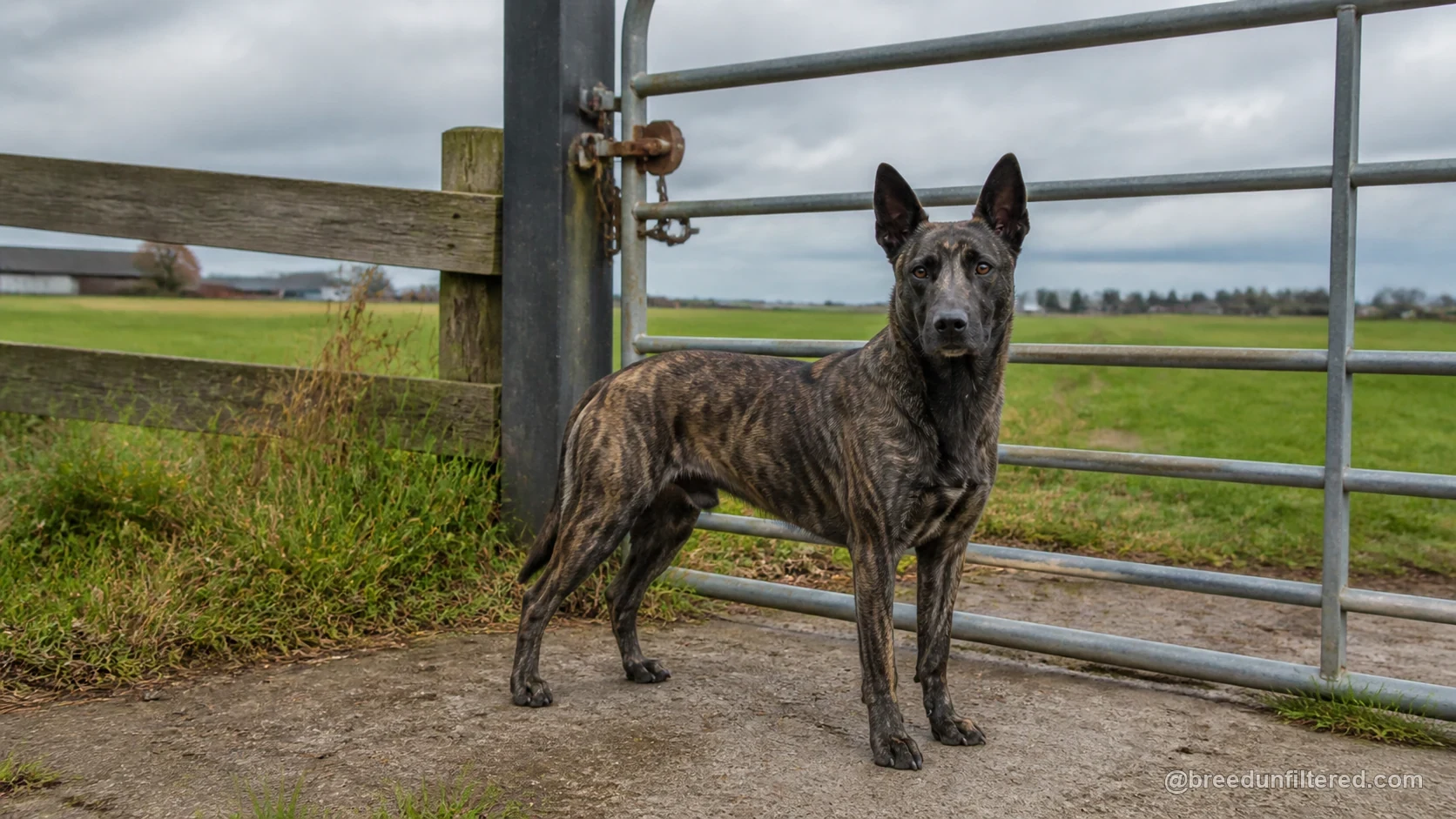
The Dutch Shepherd Dog, known in its homeland as the Hollandse Herdershond, is a versatile and intelligent herding breed that has been gaining attention beyond its traditional working roles. Recognized by the Fédération Cynologique Internationale (FCI) in Group 1, this breed is prized for its loyalty, trainability, and robust work ethic. However, prospective owners should understand that this is a high-energy, purpose-driven dog that thrives in an active and structured environment, not a casual companion for a sedentary lifestyle.
This article provides an evidence-conscious overview of the Dutch Shepherd Dog, drawing on the official FCI standard and reputable breed resources. We will explore the breed's origins, temperament, exercise and training requirements, suitability for families and other pets, grooming and health considerations, and the financial and time commitments involved. By the end, you will have a clearer picture of whether this remarkable breed aligns with your lifestyle and capabilities.
Origin and Purpose
The Dutch Shepherd Dog originated in the rural areas of the Netherlands, where it was historically used as a versatile farm dog. Its primary role was herding livestock, but it also served as a watchdog, rat catcher, and general utility dog. The breed's ability to work independently and adapt to various tasks made it invaluable to farmers. The FCI standard (number 223) describes the breed as a medium-sized, well-proportioned dog with a strong, agile build, reflecting its working heritage.
Unlike some herding breeds that were developed for a single function, the Dutch Shepherd was bred for versatility and endurance. This heritage is evident in its modern-day capabilities, which include herding, obedience, agility, and protection sports. The breed's working drive remains strong, and many individuals excel in canine sports and professional roles such as police or military work. Understanding this background is crucial for prospective owners, as it explains the breed's high energy levels and need for purposeful activity.
Temperament and Variation
The Dutch Shepherd is generally described as loyal, alert, and intelligent. The FCI standard notes that the breed is 'devoted to its master' and 'reliable' in its work. However, temperament can vary among individuals, and it is important to avoid universal claims. Some Dutch Shepherds may be more reserved with strangers, while others are more outgoing. Early and ongoing socialisation is essential to help them develop into well-adjusted adults.
There are three coat varieties within the breed: short-haired, long-haired, and rough-haired. While coat type does not directly determine temperament, it can influence grooming needs and may be a consideration for owners with allergies or lifestyle preferences. The rough-haired variety is the rarest and requires more specialised grooming. Regardless of coat, the Dutch Shepherd is a sensitive and responsive dog that forms strong bonds with its family, but it may not be suited to a home where it is left alone for long periods.
Exercise and Mental Work
The Dutch Shepherd is a high-energy breed that requires substantial daily exercise to maintain physical and mental well-being. While the exact amount varies by individual, prospective owners should be prepared for at least one to two hours of vigorous activity each day, such as running, hiking, or interactive play. Without adequate exercise, these dogs may develop destructive behaviours or excessive barking. It is important to note that exercise needs are not a fixed prescription; they depend on the dog's age, health, and conditioning.
Equally important is mental stimulation. The Dutch Shepherd is an intelligent working dog that thrives on tasks and challenges. Activities such as obedience training, agility, nose work, or puzzle toys can help satisfy its need for mental engagement. Owners who cannot provide structured mental work may find their dog becomes restless or anxious. This breed is not suited to a purely sedentary lifestyle; it requires an owner who is committed to providing both physical and cognitive outlets.
Training and Socialisation
Training a Dutch Shepherd can be a rewarding experience due to its intelligence and eagerness to please. However, this breed is not recommended for first-time owners who lack experience with strong-willed, high-drive dogs. Positive reinforcement methods, such as clicker training and reward-based techniques, are generally effective. Harsh or punitive methods can damage the trust between dog and handler and may lead to behavioural issues. Consistency and patience are key.
Early socialisation is critical to help the Dutch Shepherd become a well-mannered companion. Exposing the puppy to a variety of people, animals, environments, and situations can reduce the risk of fearfulness or aggression. While the breed has a natural guarding instinct, proper socialisation can help it distinguish between normal and threatening situations. Owners should also be aware that the Dutch Shepherd may be reserved with strangers, and ongoing socialisation throughout its life is recommended.
Family and Other Pets
The Dutch Shepherd can make a loyal and affectionate family dog when raised with children and properly socialised. It is generally tolerant and playful, but like any dog, interactions with young children should be supervised. The breed's herding instinct may cause it to try to 'herd' children, which can be managed through training. Families with active lifestyles who can involve the dog in activities are often a good match.
Regarding other pets, the Dutch Shepherd's prey drive can be significant, especially towards small animals such as cats or rabbits. However, individual variation is considerable, and early socialisation can help it coexist with other pets. It is generally more sociable with dogs it has been raised with, but may be same-sex aggressive with unfamiliar dogs. Prospective owners should assess their current household and be prepared to manage introductions carefully.
Grooming and Health
Grooming needs vary by coat type. Short-haired Dutch Shepherds require minimal grooming, with occasional brushing to remove loose hair. Long-haired and rough-haired varieties need more frequent brushing to prevent mats and tangles. All varieties shed seasonally, and during these periods, more regular grooming is necessary. Routine care such as nail trimming, ear cleaning, and dental hygiene should be part of the owner's schedule.
The Dutch Shepherd is generally a healthy breed, but like all purebreds, it can be prone to certain hereditary conditions. Hip dysplasia and elbow dysplasia are known to occur, and responsible breeders screen their breeding stock. Eye conditions such as progressive retinal atrophy (PRA) have also been reported. Prospective owners should ask breeders for health clearances and be aware that no breed is free from health risks. Regular veterinary check-ups and a balanced diet are essential for maintaining overall health.
Costs and Responsibility
Owning a Dutch Shepherd involves significant financial and time commitments. Initial costs include the purchase price from a reputable breeder, which can be substantial, as well as supplies such as a crate, bedding, and grooming tools. Ongoing expenses include high-quality food, routine veterinary care, vaccinations, and preventative medications. Emergency medical costs can be unexpected, so pet insurance is often recommended.
Beyond finances, the Dutch Shepherd requires a dedicated owner who can provide ample exercise, mental stimulation, and training. This breed is not suited to apartment living unless the owner is exceptionally committed to meeting its needs. It may not be appropriate for those who travel frequently or have limited time. Prospective owners should honestly assess their lifestyle and resources before acquiring a Dutch Shepherd, and consider adoption from breed-specific rescues as an alternative to purchasing from a breeder.
Clear answers
FREQUENTLY ASKED QUESTIONS
Is the Dutch Shepherd a good family dog?
The Dutch Shepherd can be a good family dog when properly socialised and trained. It is loyal and affectionate with its family, but its high energy and herding instincts may be challenging with very young children. Supervision is recommended, and families should be prepared to provide ample exercise and mental stimulation.
How much exercise does a Dutch Shepherd need?
Dutch Shepherds are high-energy dogs that typically require at least one to two hours of vigorous exercise daily. This can include running, hiking, or interactive play. Mental stimulation is equally important, and without it, they may develop behavioural issues. Individual needs vary based on age and health.
Are Dutch Shepherds easy to train?
Dutch Shepherds are intelligent and eager to please, making them highly trainable for experienced owners. However, they are strong-willed and require consistent, positive reinforcement methods. They are not recommended for first-time owners due to their high drive and need for structured training.
Do Dutch Shepherds get along with other pets?
Dutch Shepherds may have a high prey drive and can be aggressive towards small animals, but early socialisation can help them coexist with cats and other pets. They generally get along with dogs they are raised with, but may be same-sex aggressive with unfamiliar dogs. Careful introductions are essential.
What are the grooming requirements for a Dutch Shepherd?
Grooming depends on coat type. Short-haired varieties need minimal brushing, while long-haired and rough-haired varieties require more frequent grooming to prevent mats. All shed seasonally. Regular nail trimming, ear cleaning, and dental care are also necessary.
Sources and further reading
Scores describe typical breed tendencies from 1 to 10. They are not a quality ranking or a prediction for an individual dog.
Size and presence6/10
CompactVery large
Physical strength6/10
LightExceptional
Energy level9/10
LowRelentless
Exercise demand10/10
ModestVery demanding
Mental work needed10/10
ModerateDaily job
Trainability8/10
ChallengingExceptional
Everyday manageability1/10
SpecialistStraightforward
First-time owner fit2/10
Poor fitGood fit
Family-life fit7/10
LimitedExcellent
Dog sociability6/10
SelectiveVery social
Prey drive9/10
LowVery high
Guarding tendency8/10
MinimalSerious
Independence7/10
Handler-focusedSelf-directed
Grooming demand4/10
LightHeavy
Apartment fit4/10
Poor fitGood fit