Complete breed guide
Polish Lowland Sheepdog OWNERSHIP GUIDE
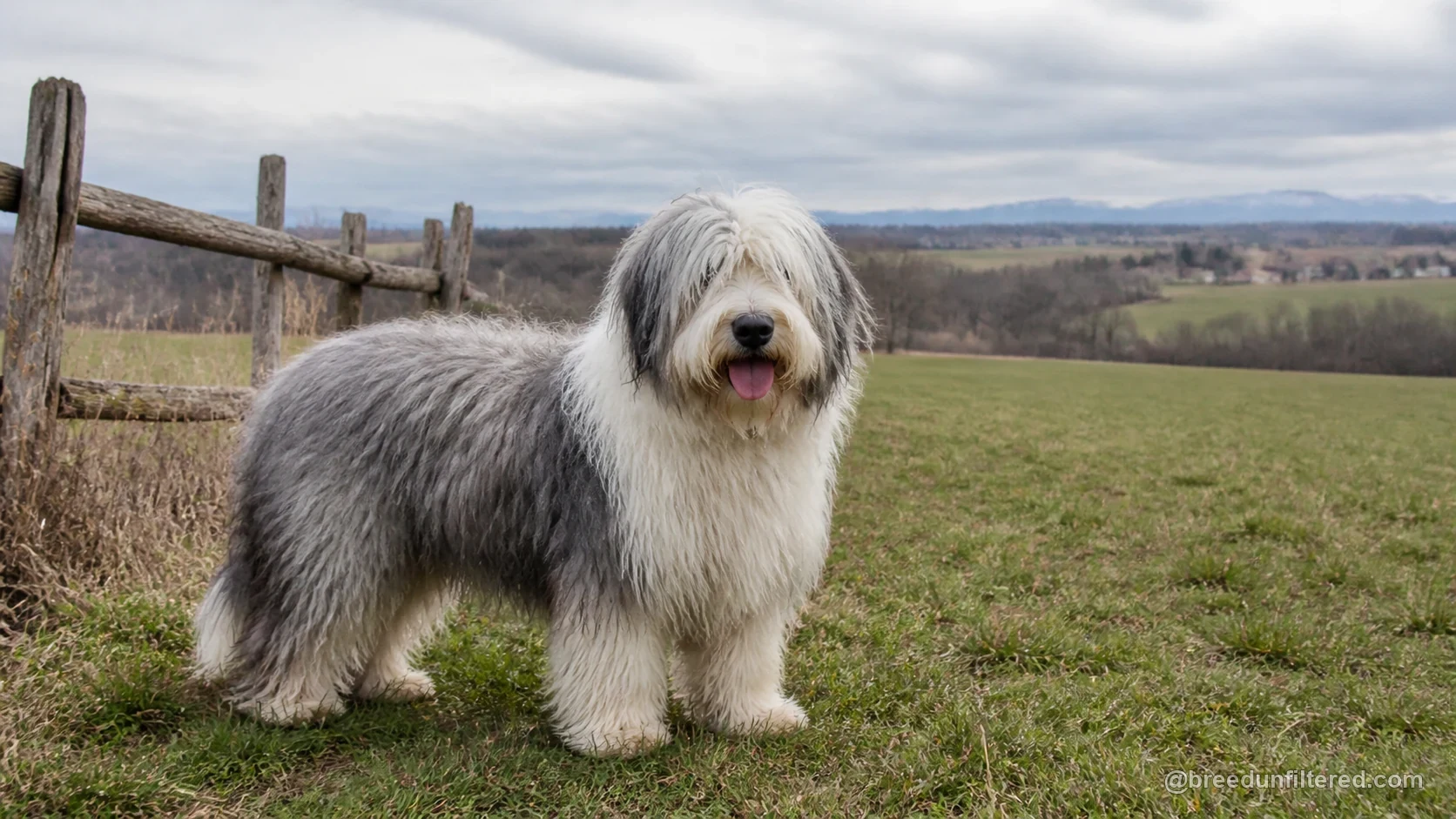
The Polish Lowland Sheepdog, known in its homeland as the Polski Owczarek Nizinny (PON), is a medium-sized herding dog with a shaggy, double coat and a lively, intelligent expression. Bred for centuries to move and guard livestock in the plains of Poland, this breed combines a strong work ethic with a playful, sometimes stubborn, personality. For the right owner, the PON offers a devoted and entertaining companion, but its needs are specific and not suited to every household.
This article provides an evidence-conscious overview of the breed, drawing on the official FCI standard and recognised breed resources. It covers the PON's origins, temperament, exercise and training requirements, suitability for families and other pets, grooming and health considerations, and the financial and time commitments involved. The goal is to help you decide whether this intelligent and energetic herder is the right match for your lifestyle.
Origin and Purpose
The Polish Lowland Sheepdog originates from the lowland regions of Poland, where it was developed as a herding and guarding dog for sheep and cattle. The breed's history is ancient, with ancestors likely including herding dogs from Asia and Europe, and it is closely related to other shaggy herding breeds like the Bearded Collie and the Hungarian Puli. The FCI standard, number 251, describes the PON as a medium-sized, robust dog with a long, dense coat and a natural instinct to work.
Historically, the PON was valued for its ability to move livestock over long distances and to protect them from predators and thieves. This working heritage has shaped the breed's temperament: they are alert, resourceful, and independent, yet also deeply bonded to their human handlers. Today, while many PONs are beloved companions, they still retain strong herding instincts and a desire to have a job to do, which influences their behaviour in a home environment.
Temperament and Variation
The Polish Lowland Sheepdog is known for being intelligent, lively, and affectionate with its family. The FCI standard describes the breed as 'self-confident' and 'vigilant', with a 'vivid temperament'. Individual dogs can vary, but most PONs are alert and responsive, often forming a close bond with one primary person while remaining friendly with the whole household. They are not typically aggressive, but they can be wary of strangers, making them good watchdogs.
It is important to recognise that temperament is influenced by genetics, socialisation, and training. While breed tendencies exist, each dog is an individual. Some PONs may be more outgoing, while others are more reserved. Early and ongoing socialisation is crucial to help a PON develop into a well-adjusted adult. Prospective owners should meet the parents of a puppy if possible and work with a reputable breeder who prioritises temperament in their breeding programme.
Exercise and Mental Work
As a herding breed, the Polish Lowland Sheepdog has considerable energy and stamina. They require daily physical exercise, but perhaps more importantly, they need substantial mental stimulation. Activities such as obedience training, agility, herding trials, or puzzle toys can help satisfy their intelligent minds. Without adequate mental and physical outlets, a PON may become bored and develop undesirable behaviours like excessive barking or chewing.
The exact amount of exercise will vary with the individual dog's age, health, and temperament. A general guideline is that an adult PON benefits from at least an hour of vigorous activity each day, but this is not a prescription. Owners should be prepared to provide a mix of structured walks, off-lead play in a secure area, and interactive games. Mental work can be as tiring as physical exercise, so incorporating training sessions into the daily routine is highly recommended.
Training and Socialisation
Polish Lowland Sheepdogs are intelligent and eager to please, but they also have an independent streak. They respond best to positive reinforcement methods that use treats, praise, and play as rewards. Harsh training techniques are counterproductive and can damage the trust between dog and owner. Consistency and patience are key, as the PON can be stubborn and may test boundaries. Early training should focus on basic obedience and impulse control.
Socialisation is equally important. Exposing a PON puppy to a wide variety of people, animals, environments, and situations from a young age helps prevent fearfulness and aggression. Because they are naturally wary of strangers, careful introductions are necessary. Puppy classes and controlled interactions with other dogs can be beneficial. A well-socialised PON is more likely to be a confident and reliable companion in different settings.
Family and Other Pets
The Polish Lowland Sheepdog can make a wonderful family dog for active households. They are generally good with children, especially when raised with them, and they often enjoy being part of family activities. However, their herding instinct may lead them to try to 'herd' children by nipping at their heels, which should be discouraged through training. Supervision is always recommended when a dog is interacting with young children, regardless of breed.
With other pets, the PON's herding and guarding background can influence its behaviour. They may attempt to herd other dogs or cats, but with proper socialisation, many PONs live peacefully with other animals. They can be same-sex aggressive with other dogs, particularly if not neutered, so careful introductions and management are advised. As with any breed, individual temperament varies, and early socialisation is the best predictor of harmonious multi-pet households.
Grooming and Health
The Polish Lowland Sheepdog has a long, dense, double coat that requires regular grooming. The outer coat is shaggy and may be wavy or curly, and the undercoat is soft and thick. Owners should expect to brush the coat several times a week to prevent mats and tangles, and more frequently during seasonal sheds. Professional grooming may be needed every few months to keep the coat in good condition. The coat also requires attention around the eyes and ears to prevent irritation.
As with all breeds, the PON is prone to certain health conditions, but this does not mean every dog will be affected. Responsible breeders screen for known issues, which may include hip dysplasia, eye disorders, and hypothyroidism. The breed has a relatively small gene pool, so genetic diversity is a consideration. Prospective owners should ask breeders about health testing and the health history of the puppy's parents. Regular veterinary check-ups and a healthy lifestyle contribute to overall well-being.
Costs and Responsibility
Owning a Polish Lowland Sheepdog is a significant financial and time commitment. Initial costs include the purchase price from a reputable breeder, which can be substantial, as well as supplies such as a crate, bedding, food bowls, and grooming tools. Ongoing expenses include high-quality dog food, routine veterinary care, vaccinations, parasite prevention, and pet insurance. Grooming costs can add up if you use professional services, and boarding or pet-sitting fees may apply when you travel.
Beyond finances, the PON requires a considerable investment of time and energy. They are not a breed that can be left alone for long periods; they thrive on human interaction and can become destructive if bored or lonely. Prospective owners should assess their lifestyle honestly, considering their work schedule, living situation, and activity level. A PON is a long-term commitment of 12 to 15 years, and responsible ownership means being prepared for the dog's entire lifetime.
Clear answers
FREQUENTLY ASKED QUESTIONS
Are Polish Lowland Sheepdogs good with children?
Polish Lowland Sheepdogs can be good with children, especially when raised with them and properly socialised. They are generally playful and affectionate, but their herding instinct may cause them to nip at heels. Supervision and training are important to teach appropriate behaviour around kids. As with any breed, individual temperament varies, so it's essential to introduce dogs and children carefully.
How much exercise does a Polish Lowland Sheepdog need?
Polish Lowland Sheepdogs are energetic and need daily physical activity, but the exact amount varies by age and health. Most adults benefit from at least an hour of exercise per day, including walks and playtime. Equally important is mental stimulation, such as training sessions or puzzle toys, to keep their intelligent minds engaged. Without enough activity, they may become bored and develop behavioural issues.
Are Polish Lowland Sheepdogs easy to train?
Polish Lowland Sheepdogs are intelligent and can be trained, but they have an independent nature that may present challenges. They respond best to positive reinforcement methods like treats and praise. Consistency and patience are key, as they can be stubborn. Early socialisation and obedience training are recommended to shape a well-mannered adult dog. Harsh methods are counterproductive.
Do Polish Lowland Sheepdogs shed a lot?
Polish Lowland Sheepdogs have a double coat that sheds moderately throughout the year and more heavily during seasonal changes. Regular brushing, several times a week, helps manage loose hair and prevent mats. They are not considered hypoallergenic, and their grooming needs are significant. Some owners opt for professional grooming to maintain the coat, which adds to the cost of ownership.
Are Polish Lowland Sheepdogs good for first-time owners?
Polish Lowland Sheepdogs are not typically recommended for first-time owners due to their high energy, intelligence, and independent streak. They require consistent training, ample exercise, and mental stimulation. Novice owners may find their stubbornness challenging. However, with dedication and a willingness to learn, an experienced first-time owner could succeed if they provide proper socialisation and structure.
Sources and further reading
Scores describe typical breed tendencies from 1 to 10. They are not a quality ranking or a prediction for an individual dog.
Size and presence6/10
CompactVery large
Physical strength6/10
LightExceptional
Energy level8/10
LowRelentless
Exercise demand8/10
ModestVery demanding
Mental work needed10/10
ModerateDaily job
Trainability9/10
ChallengingExceptional
Everyday manageability5/10
SpecialistStraightforward
First-time owner fit4/10
Poor fitGood fit
Family-life fit7/10
LimitedExcellent
Dog sociability6/10
SelectiveVery social
Prey drive7/10
LowVery high
Guarding tendency7/10
MinimalSerious
Independence5/10
Handler-focusedSelf-directed
Grooming demand8/10
LightHeavy
Apartment fit4/10
Poor fitGood fit