Complete breed guide
Polish Greyhound OWNERSHIP GUIDE
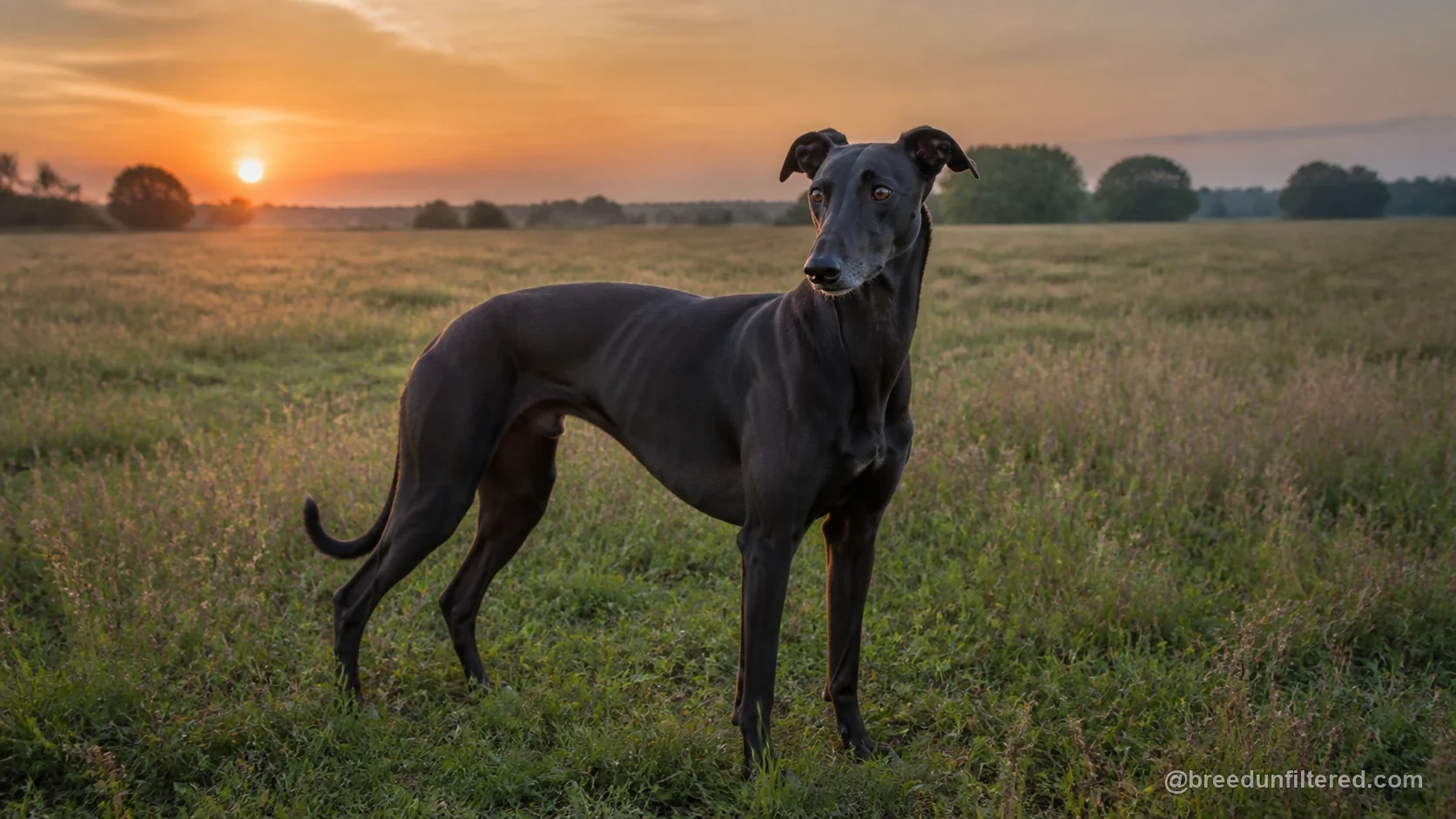
The Polish Greyhound, known in its homeland as the Chart Polski, is a sighthound of ancient lineage, historically prized for hunting wolves, foxes, and hares across the vast plains of Poland. Recognized by the FCI in Group 10, this breed embodies speed, endurance, and a dignified, somewhat aloof demeanor. Unlike its more widely known cousins, the Polish Greyhound remains relatively rare outside its native country, making it a unique companion for those who appreciate its history and character.
Prospective owners should understand that this is not a typical family pet. The Polish Greyhound is a working sighthound with a strong prey drive, a sensitive nature, and a need for both physical and mental stimulation. While they can be gentle and affectionate with their families, they require experienced handling, secure environments, and a commitment to meeting their exercise and training needs. This guide aims to provide a balanced, evidence-conscious overview to help you decide if this noble breed is the right fit for your lifestyle.
Origin and Purpose
The Polish Greyhound's roots trace back to medieval Poland, where it was developed as a coursing hound capable of pursuing large game such as wolves and deer. Its name, Chart Polski, reflects its Polish heritage, and the breed is deeply intertwined with the country's hunting traditions. The FCI standard (No. 333) describes a dog of 'strong structure, powerful, and enduring,' emphasizing its ability to work in harsh climates and challenging terrain.
Historically, the breed was prized by Polish nobility, and its numbers declined during periods of political upheaval. Dedicated breeders worked to preserve the Polish Greyhound after World War II, and today it remains a rare breed, with most populations concentrated in Poland and a growing interest in other countries. Understanding this heritage is crucial, as it shapes the breed's instincts and temperament, including its independence and strong chase drive.
Temperament and Variation
The Polish Greyhound is known for its calm and composed demeanor at home, often described as gentle and loyal to its family. However, it can be reserved with strangers, reflecting its history as a working dog that needed to be discerning. Individual temperaments vary, influenced by genetics, socialization, and training, so it's essential to meet the parents and observe the puppy's behavior when possible.
This breed is not typically aggressive, but it has a strong independent streak and may be sensitive to harsh handling. They are intelligent and can be stubborn, which means they respond best to patient, positive reinforcement methods. While they are not typically guard dogs, their size and alertness may make them effective watchdogs, though they are more likely to greet a stranger with aloofness than aggression.
Exercise and Mental Work
As a sighthound, the Polish Greyhound requires regular opportunities to run freely in a safe, fenced area. They have a high energy level and need daily exercise to maintain physical and mental well-being. However, they are also known to be 'couch potatoes' indoors, content to lounge after a good run. A typical routine might include a long walk or jog, supplemented by off-leash sprints in a secure enclosure.
Mental stimulation is equally important. This breed is intelligent and benefits from activities that engage its mind, such as lure coursing, tracking, or puzzle toys. Without adequate mental and physical outlets, they may develop undesirable behaviors like digging or excessive barking. Prospective owners should be prepared to dedicate time and effort to meet these needs, as a bored Polish Greyhound can become restless and destructive.
Training and Socialisation
Training a Polish Greyhound requires patience and consistency. They are sensitive and do not respond well to harsh corrections; instead, positive reinforcement techniques, such as treats and praise, yield better results. Early socialization is crucial to help them become well-adjusted adults, exposing them to various people, animals, and environments in a controlled manner.
Due to their independent nature, recall can be challenging, especially when prey drive is triggered. Therefore, training should emphasize reliable recall from an early age, and off-leash freedom should only be granted in secure areas. Obedience classes can be beneficial, but owners should seek trainers experienced with sighthounds to avoid frustration. With time and effort, these dogs can learn basic commands and become pleasant companions.
Family and Other Pets
The Polish Greyhound can be a devoted family member, often forming strong bonds with their human pack. They are generally gentle with children, especially when raised with them, but their size and energy may inadvertently knock over small toddlers. Supervision is recommended, and children should be taught to respect the dog's space and signals.
Regarding other pets, the breed's prey drive is a significant consideration. They may view small animals, such as cats, rabbits, or small dogs, as prey, particularly if not socialized with them from a young age. Even with socialization, instincts can override training, so it is safest to keep them separated from non-canine pets. They can coexist with other dogs, especially if introduced properly, but same-sex aggression may occur.
Grooming and Health
The Polish Greyhound has a short, dense coat that is relatively low-maintenance. Weekly brushing with a soft bristle brush or hound glove helps remove loose hair and keep the coat healthy. They shed moderately, and occasional baths are sufficient unless they get particularly dirty. Their nails should be trimmed regularly, and ears checked for cleanliness.
As a breed, the Polish Greyhound is generally healthy, but like all dogs, they can be prone to certain conditions. Hip dysplasia, eye disorders, and heart issues have been reported, though not exclusively. Responsible breeders screen their breeding stock for hereditary conditions. Prospective owners should ask about health clearances and be prepared for routine veterinary care. Their thin skin and low body fat make them sensitive to cold and injury, so they should be protected from extreme weather.
Costs and Responsibility
Owning a Polish Greyhound is a long-term commitment, both financially and in terms of time. Initial costs include the purchase price, which can be high due to the breed's rarity, as well as supplies like a crate, bed, and fencing. Ongoing expenses include quality food, routine veterinary care, and potential emergency treatments. Pet insurance is advisable to mitigate unexpected costs.
Beyond finances, this breed demands a responsible owner who can provide secure containment, ample exercise, and mental stimulation. They are not suited to apartment living unless the owner is exceptionally dedicated to meeting their needs. Prospective owners should research the breed thoroughly, connect with reputable breeders or rescue organizations, and honestly assess their ability to meet the dog's requirements. This is a breed for those who appreciate its unique qualities and are willing to invest in its well-being.
Clear answers
FREQUENTLY ASKED QUESTIONS
Is the Polish Greyhound good with children?
The Polish Greyhound can be gentle and affectionate with children, especially when raised with them. However, due to their size and energy, they may accidentally knock over small children. Supervision is essential, and children should be taught to interact respectfully. Early socialization helps, but individual temperaments vary, so it's important to assess each dog's behavior.
How much exercise does a Polish Greyhound need?
Polish Greyhounds are high-energy sighthounds that need daily opportunities to run in a safe, fenced area. They benefit from a combination of walks and off-leash sprints. Without adequate exercise, they may become restless or develop behavioral issues. The exact amount varies by age and health, but owners should be prepared for at least an hour of vigorous activity each day.
Can a Polish Greyhound live with cats?
Due to their strong prey drive, Polish Greyhounds may not be reliable with cats or other small pets. Some individuals can coexist if raised together, but instincts can override training. It is generally safer to keep them separated from non-canine animals. Prospective owners with cats should exercise caution and seek guidance from experienced breeders.
Are Polish Greyhounds easy to train?
Polish Greyhounds are intelligent but independent, making training a challenge for novice owners. They respond best to positive reinforcement and consistent, patient methods. Harsh corrections can be counterproductive. Early socialization and obedience training are essential, and working with a trainer experienced in sighthounds can be beneficial.
What health issues are common in Polish Greyhounds?
The Polish Greyhound is generally a healthy breed, but like all dogs, they may be prone to certain conditions such as hip dysplasia, eye disorders, and heart issues. Responsible breeders screen for these conditions. Regular veterinary check-ups and a healthy lifestyle can help manage risks. It's important to obtain a puppy from a breeder who provides health clearances.
Sources and further reading
Scores describe typical breed tendencies from 1 to 10. They are not a quality ranking or a prediction for an individual dog.
Size and presence6/10
CompactVery large
Physical strength7/10
LightExceptional
Energy level9/10
LowRelentless
Exercise demand9/10
ModestVery demanding
Mental work needed6/10
ModerateDaily job
Trainability5/10
ChallengingExceptional
Everyday manageability2/10
SpecialistStraightforward
First-time owner fit4/10
Poor fitGood fit
Family-life fit7/10
LimitedExcellent
Dog sociability3/10
SelectiveVery social
Prey drive10/10
LowVery high
Guarding tendency2/10
MinimalSerious
Independence8/10
Handler-focusedSelf-directed
Grooming demand3/10
LightHeavy
Apartment fit5/10
Poor fitGood fit