Complete breed guide
Istrian Wire-Haired Hound OWNERSHIP GUIDE
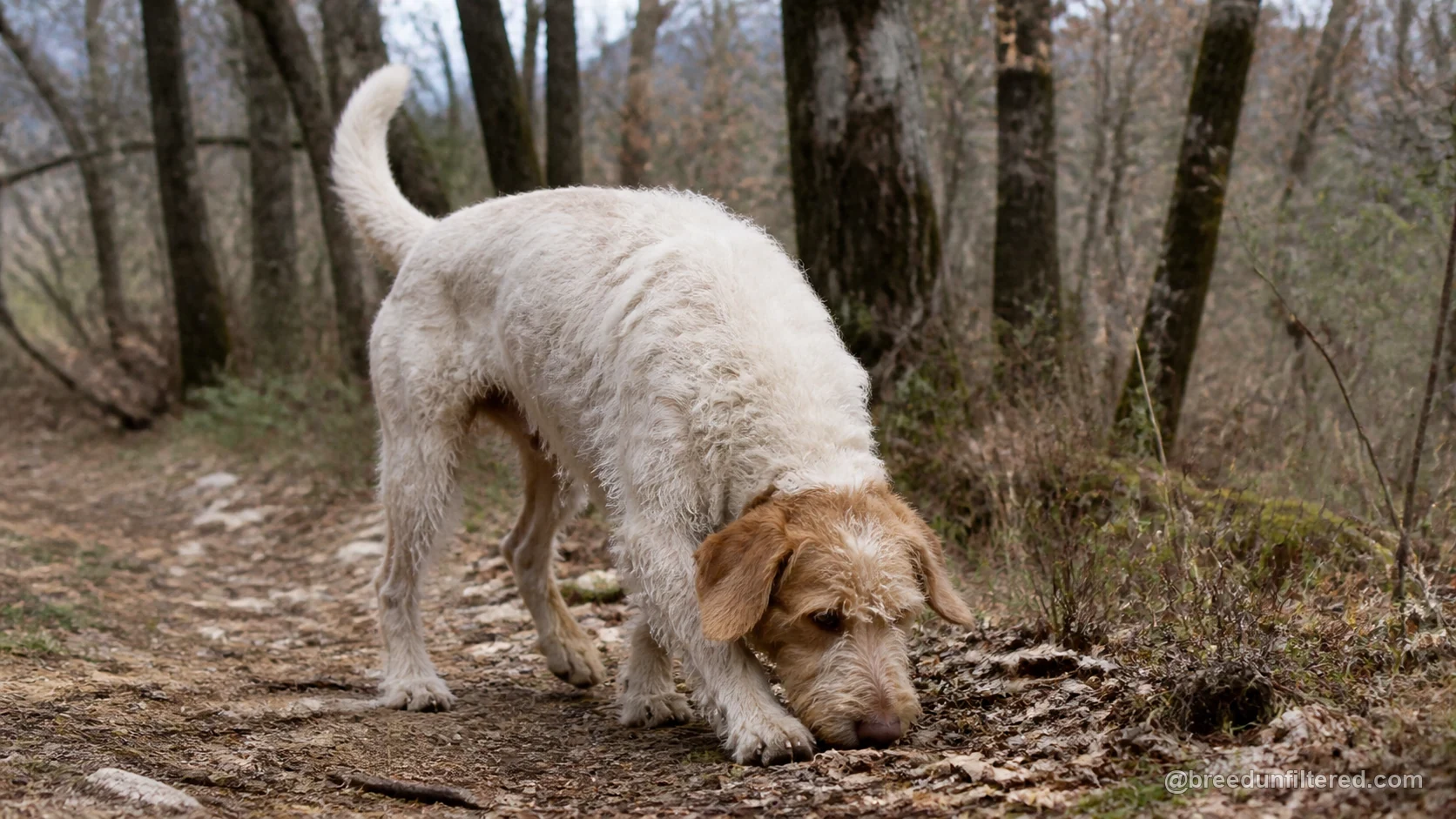
The Istrian Wire-Haired Hound, known in its native Croatia as the Istarski Ostrodlaki Gonič, is a scenthound developed for hunting in the rugged terrain of the Istrian peninsula. Recognized definitively by the Fédération Cynologique Internationale (FCI) under standard number 152, this breed is prized for its endurance, keen nose, and distinctive harsh coat that offers protection from thick brush and harsh weather. While still relatively rare outside its homeland, it has begun to attract attention from hunters and active families seeking a versatile and loyal companion.
Prospective owners should understand that this is a working hound with strong instincts and considerable energy. The breed is not a typical house pet; it thrives when given a job, whether that involves hunting, scent work, or vigorous outdoor activities. This article provides an evidence-conscious overview of the breed's origins, temperament, care requirements, and practical considerations to help you decide if the Istrian Wire-Haired Hound is the right fit for your lifestyle.
Origin and Purpose
The Istrian Wire-Haired Hound originates from the Istria region, which spans parts of modern-day Croatia and Slovenia. It is one of several hound breeds developed in the Balkans, sharing ancestry with other scent hounds of the area. The breed was specifically bred to hunt hare and fox, working independently or in packs, and to track game over challenging limestone terrain. Its wiry coat is a key adaptation, protecting it from brambles, rocks, and cold weather.
The FCI recognized the breed definitively, placing it in Group 6 (Scent Hounds) under standard number 152. The breed remains relatively rare internationally, with most registrations occurring in its home region. Its primary role is still as a working hound, though some individuals are kept as companions. Understanding this heritage is crucial, as it shapes the breed's physical and behavioral traits.
Temperament and Variation
As a scenthound, the Istrian Wire-Haired Hound is typically determined, persistent, and focused when following a scent. It is generally described as even-tempered and loyal to its family, but it can be reserved with strangers. Individual temperament varies widely, influenced by genetics, socialization, and training. Some dogs may be more outgoing, while others are more aloof. It is not a breed known for aggression, but its hunting instincts are strong.
This hound is often vocal, using baying or barking to communicate during work, which can be a consideration for neighbors. It is an independent thinker, a trait common in hounds, which can make training a challenge for novice owners. However, with consistent, positive methods, it can be a responsive and affectionate companion. Prospective owners should meet the parents or littermates to gauge temperament, as there is no guarantee of a specific personality.
Exercise and Mental Work
The Istrian Wire-Haired Hound is a high-energy breed that requires substantial daily exercise. It is not content with a short walk; it needs opportunities to run, explore, and use its nose. Activities such as hiking, jogging, or off-lead running in a securely fenced area are beneficial. Without adequate physical activity, it may become restless and develop undesirable behaviors. However, exact exercise requirements vary by individual and should be tailored to the dog's age and health.
Mental stimulation is equally important. Scent games, tracking exercises, and puzzle toys can help satisfy its innate drive to work. This breed excels in canine sports like nose work and barn hunt, which channel its abilities productively. Owners should be prepared to dedicate time each day to both physical and mental engagement. A bored hound may resort to digging, barking, or attempting to escape to follow a scent.
Training and Socialisation
Training an Istrian Wire-Haired Hound requires patience and consistency. This breed is intelligent but independent, and it may not see the point in obedience for its own sake. Positive reinforcement techniques, such as treats and praise, work best. Harsh methods are counterproductive and can damage trust. Early socialization is essential to help the dog become well-adjusted, exposing it to various people, animals, and environments to reduce shyness or reactivity.
Because of its hunting background, recall can be unreliable when the dog is on a scent. Off-lead training should be approached with caution, and a secure, fenced area is recommended. Owners should also be aware that this breed may not be naturally eager to please, so training sessions should be short, engaging, and rewarding. Enrolling in obedience classes can provide structure and support, especially for first-time hound owners.
Family and Other Pets
The Istrian Wire-Haired Hound can be a good family dog, especially in active households. It is generally tolerant and playful with children, though like any dog, interactions should be supervised. Its size and energy may be overwhelming for very young children, so teaching children how to behave around dogs is important. The breed forms strong bonds with its family and prefers to be included in activities rather than left alone for long periods.
With other dogs, it often gets along well, especially if raised together, as it is used to working in packs. However, its prey drive is strong, and it may view small animals such as cats, rabbits, or rodents as quarry. Early socialization can help, but there is no guarantee that it will live peacefully with non-canine pets. Prospective owners with small pets should exercise caution and consider the individual dog's background.
Grooming and Health
The wiry coat of the Istrian Wire-Haired Hound is relatively low-maintenance but requires regular care. Weekly brushing helps remove loose hair and prevent matting. Occasional hand-stripping or professional grooming may be needed to maintain the coat's texture, especially for show dogs. The breed is a moderate shedder, and bathing should be done only when necessary to avoid stripping natural oils. Regular ear checks are important, as floppy ears can trap moisture and debris.
As a generally healthy breed, there is limited documented health information. Like many hounds, it may be prone to ear infections and injuries from outdoor activities. Responsible breeders screen for common canine conditions such as hip dysplasia, but no breed-specific health registry exists. Prospective owners should ask breeders about health testing and the longevity of the parents. Routine veterinary care, a balanced diet, and proper exercise contribute to overall well-being.
Costs and Responsibility
Owning an Istrian Wire-Haired Hound involves significant financial and time commitments. Initial costs include the purchase price, which can vary widely depending on location and breeder reputation, as well as supplies like a crate, bedding, and grooming tools. Ongoing expenses include high-quality food, routine veterinary care, vaccinations, and parasite prevention. Emergency medical costs should also be anticipated, so pet insurance is worth considering.
Beyond finances, this breed demands a substantial time investment for exercise, training, and companionship. It is not suited to a sedentary lifestyle or long periods alone. Prospective owners should assess their living situation, daily schedule, and commitment to providing a fulfilling life for a working hound. Adopting from a rescue or breed-specific organization is an option, though availability may be limited. Responsible ownership means understanding and meeting the breed's needs for its entire lifespan.
Clear answers
FREQUENTLY ASKED QUESTIONS
Is the Istrian Wire-Haired Hound good for first-time dog owners?
This breed is generally not recommended for first-time owners due to its independent nature and high exercise needs. Hounds can be stubborn and require patient, consistent training. Novice owners may find the breed challenging, but with dedication and professional guidance, it is possible. However, a more biddable breed might be easier for those new to dog ownership.
How much exercise does an Istrian Wire-Haired Hound need?
The Istrian Wire-Haired Hound is a high-energy breed that needs substantial daily exercise, typically at least an hour or more of vigorous activity. This should include opportunities to run and use its nose. Without sufficient exercise, it may become destructive or develop behavioral issues. The exact amount varies by individual, so owners should adjust based on their dog's age and condition.
Does the Istrian Wire-Haired Hound get along with cats?
Due to its strong prey drive, the Istrian Wire-Haired Hound may not be reliable with cats or other small pets. Early socialization can help, but instincts can override training. Some individuals may live peacefully with cats if raised together, but there is no guarantee. Prospective owners with small pets should exercise caution and consider the risks.
What are the grooming requirements for an Istrian Wire-Haired Hound?
The wiry coat requires weekly brushing to remove loose hair and prevent tangles. Occasional hand-stripping may be needed to maintain coat texture. The breed is a moderate shedder. Regular ear cleaning is important to prevent infections, especially after outdoor activities. Bathing should be infrequent to preserve natural oils.
Are Istrian Wire-Haired Hounds good family dogs?
They can be good family dogs in active households, as they are generally loyal and playful. They are usually tolerant of children, but supervision is recommended due to their size and energy. They thrive when included in family activities. However, their hunting instincts may make them unsuitable for homes with small pets.
Sources and further reading
Scores describe typical breed tendencies from 1 to 10. They are not a quality ranking or a prediction for an individual dog.
Size and presence5/10
CompactVery large
Physical strength5/10
LightExceptional
Energy level9/10
LowRelentless
Exercise demand10/10
ModestVery demanding
Mental work needed8/10
ModerateDaily job
Trainability5/10
ChallengingExceptional
Everyday manageability1/10
SpecialistStraightforward
First-time owner fit2/10
Poor fitGood fit
Family-life fit6/10
LimitedExcellent
Dog sociability8/10
SelectiveVery social
Prey drive10/10
LowVery high
Guarding tendency3/10
MinimalSerious
Independence10/10
Handler-focusedSelf-directed
Grooming demand6/10
LightHeavy
Apartment fit4/10
Poor fitGood fit