Complete breed guide
Petit Brabançon OWNERSHIP GUIDE
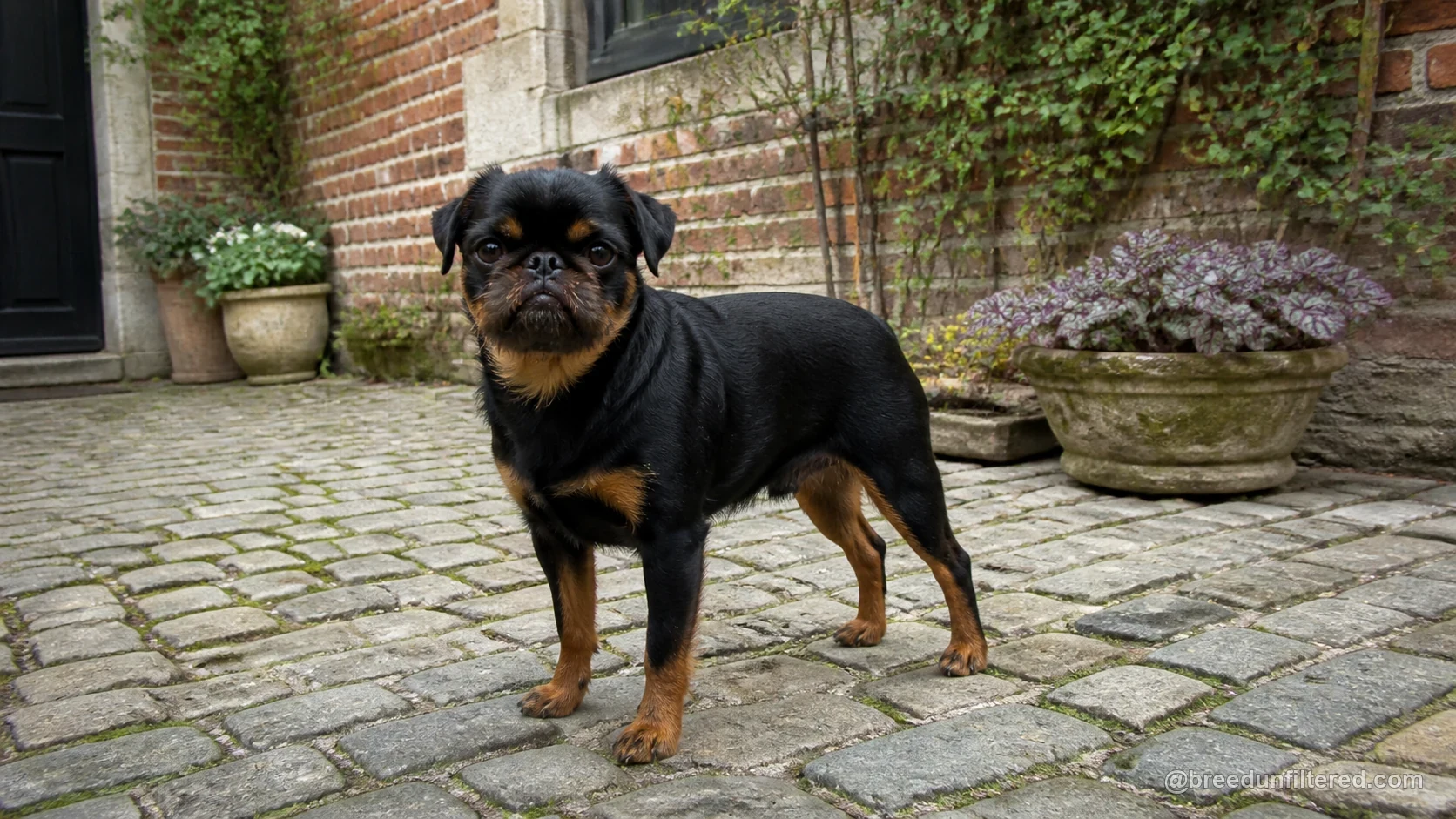
The Petit Brabançon, also known as the Small Brabant Griffon, is a charming toy breed with a distinctive rough coat and an expressive, almost human-like face. Originating in Belgium, this small companion dog is part of the Griffon family, which includes the Brussels Griffon and the Belgian Griffon. Despite its royal connections and historical popularity, the Petit Brabançon remains relatively rare outside its homeland, making it a unique choice for those seeking a devoted and lively companion.
This breed is known for its affectionate and intelligent nature, often forming strong bonds with its family. While they are small in size, they possess a big personality and a surprising amount of confidence. Prospective owners should be prepared for a dog that thrives on human interaction and may not do well when left alone for long periods. Understanding the breed's needs in terms of exercise, training, and grooming is essential to providing a happy and healthy home for a Petit Brabançon.
Origin and Purpose
The Petit Brabançon traces its roots to Belgium, where it was developed in the 19th century. It is one of three Griffon breeds, distinguished by its smooth coat, while the Brussels Griffon and Belgian Griffon have rough coats. The breed's ancestors were small terrier-type dogs used to hunt rats in stables and coach houses. Over time, they were crossed with other small breeds, including the Pug and the King Charles Spaniel, to refine their appearance and temperament.
The Petit Brabançon was particularly popular among Belgian nobility, and it is said that Queen Marie Henriette of Belgium was an avid fan of the breed. The Fédération Cynologique Internationale (FCI) officially recognized the Petit Brabançon under standard number 82, placing it in Group 9 (Companion and Toy Dogs). Today, the breed is primarily a companion animal, valued for its affectionate nature and lively personality rather than its working abilities.
Temperament and Variation
The Petit Brabançon is known for its affectionate and devoted nature. These dogs often form strong bonds with their owners and enjoy being involved in family activities. They are typically alert and curious, with a playful streak that can last well into adulthood. While they are generally good-natured, they can be somewhat reserved with strangers, making them decent watchdogs despite their small size.
Individual temperament can vary, but most Petit Brabançons are intelligent and eager to please. They are sensitive dogs that respond best to positive reinforcement and gentle guidance. Harsh training methods can cause them to become timid or stubborn. Early socialisation is crucial to help them develop into well-rounded adults, as they can be prone to shyness if not exposed to a variety of people, sights, and sounds during puppyhood.
Exercise and Mental Work
Despite their small stature, Petit Brabançons have moderate energy levels and require daily exercise to stay healthy and happy. A couple of short walks, combined with playtime in a securely fenced yard, usually suffice. They also enjoy interactive games like fetch or hide-and-seek, which provide both physical activity and mental stimulation. However, they are adaptable and can thrive in apartments if their exercise needs are met.
Mental enrichment is just as important as physical exercise for this intelligent breed. Puzzle toys, obedience training sessions, and scent games can help keep their minds sharp and prevent boredom. Without adequate mental stimulation, Petit Brabançons may develop undesirable behaviors such as excessive barking or chewing. Owners should be prepared to engage their dog's brain daily to ensure a well-balanced companion.
Training and Socialisation
Training a Petit Brabançon can be a rewarding experience due to their intelligence and eagerness to please. They respond well to positive reinforcement techniques, such as treats, praise, and play. Consistency and patience are key, as they can be sensitive to harsh corrections. Short, fun training sessions are more effective than long, repetitive ones, as they can become bored easily.
Socialisation is critical for this breed. Exposing them to various people, animals, and environments from a young age helps prevent shyness or fearfulness. Puppy classes and regular outings can be beneficial. While they generally get along well with other dogs and pets when properly introduced, they may have a tendency to be territorial or possessive of their owners. Early and ongoing socialisation can mitigate these tendencies.
Family and Other Pets
The Petit Brabançon makes an excellent companion for families, especially those with older children who understand how to interact respectfully with small dogs. They are affectionate and enjoy being part of family activities, often following their owners from room to room. However, due to their small size, they can be easily injured by rough handling, so supervision is necessary when young children are present.
With proper socialisation, Petit Brabançons can coexist peacefully with other dogs and cats. They often enjoy the company of other pets and may even prefer having a canine companion. However, they can be possessive of their food and toys, so it is important to teach them to share and to supervise interactions with other animals. Their prey drive is relatively low, but they may chase small animals if not properly trained.
Grooming and Health
The Petit Brabançon has a short, smooth coat that is relatively low-maintenance. Weekly brushing with a soft bristle brush or grooming mitt is usually sufficient to remove loose hair and keep the coat shiny. They are average shedders, and regular grooming also helps distribute natural oils. Occasional baths are needed, but over-bathing can strip the coat of essential oils, so it should be done only when necessary.
Like many toy breeds, the Petit Brabançon is prone to certain health conditions, including patellar luxation, eye problems, and dental issues. Responsible breeders screen for these conditions, but prospective owners should be aware of potential health concerns. Regular veterinary check-ups, a balanced diet, and proper dental care are essential to maintaining their overall health. Their lifespan is typically 12 to 15 years, and with good care, they can live long, healthy lives.
Costs and Responsibility
Owning a Petit Brabançon involves financial and time commitments. The initial cost of purchasing a puppy from a reputable breeder can be significant, and ongoing expenses include high-quality food, routine veterinary care, grooming supplies, and pet insurance. Additionally, owners should budget for unexpected medical costs that may arise. It is essential to choose a breeder who prioritizes health and temperament over profit.
Beyond financial costs, owning a Petit Brabançon requires a significant time investment. These dogs thrive on human companionship and do not do well when left alone for extended periods. They are best suited for individuals or families who can provide plenty of attention and interaction. Prospective owners should also consider their living situation, as the breed adapts well to apartment living but still needs regular exercise and mental stimulation.
Clear answers
FREQUENTLY ASKED QUESTIONS
Are Petit Brabançons good with children?
Petit Brabançons can be good with children, especially older ones who know how to handle small dogs gently. They are affectionate and enjoy playing, but their small size makes them vulnerable to accidental injury from rough handling. Supervision is essential when they are around young children, and teaching children how to interact respectfully with the dog is crucial for a harmonious relationship.
How much exercise does a Petit Brabançon need?
Petit Brabançons have moderate energy levels and typically need about 30 minutes of exercise per day, which can be split into two short walks. They also enjoy playtime in a secure area. Mental stimulation is equally important, so incorporating puzzle toys and training games into their routine helps keep them happy and prevents boredom-related behaviors.
Do Petit Brabançons bark a lot?
Petit Brabançons are alert and may bark to announce visitors or unusual sounds, making them decent watchdogs. However, they are not excessive barkers if properly trained and given enough mental and physical stimulation. Without adequate attention, they may develop nuisance barking, so it's important to provide them with plenty of engagement and socialisation.
Are Petit Brabançons easy to train?
Petit Brabançons are intelligent and eager to please, which makes them relatively easy to train with positive reinforcement methods. They respond well to treats and praise, but they can be sensitive, so harsh corrections should be avoided. Consistency and short, fun training sessions work best, as they can become bored with repetitive drills.
What health issues are common in Petit Brabançons?
Like many toy breeds, Petit Brabançons may be prone to patellar luxation, eye conditions such as cataracts, and dental problems. They can also be sensitive to anesthesia. Responsible breeders screen for these issues, but prospective owners should be aware of potential health concerns and ensure regular veterinary check-ups to maintain their dog's well-being.
Sources and further reading
Scores describe typical breed tendencies from 1 to 10. They are not a quality ranking or a prediction for an individual dog.
Size and presence3/10
CompactVery large
Physical strength3/10
LightExceptional
Energy level5/10
LowRelentless
Exercise demand4/10
ModestVery demanding
Mental work needed6/10
ModerateDaily job
Trainability7/10
ChallengingExceptional
Everyday manageability7/10
SpecialistStraightforward
First-time owner fit7/10
Poor fitGood fit
Family-life fit8/10
LimitedExcellent
Dog sociability7/10
SelectiveVery social
Prey drive4/10
LowVery high
Guarding tendency3/10
MinimalSerious
Independence5/10
Handler-focusedSelf-directed
Grooming demand7/10
LightHeavy
Apartment fit10/10
Poor fitGood fit