Complete breed guide
Poodle OWNERSHIP GUIDE
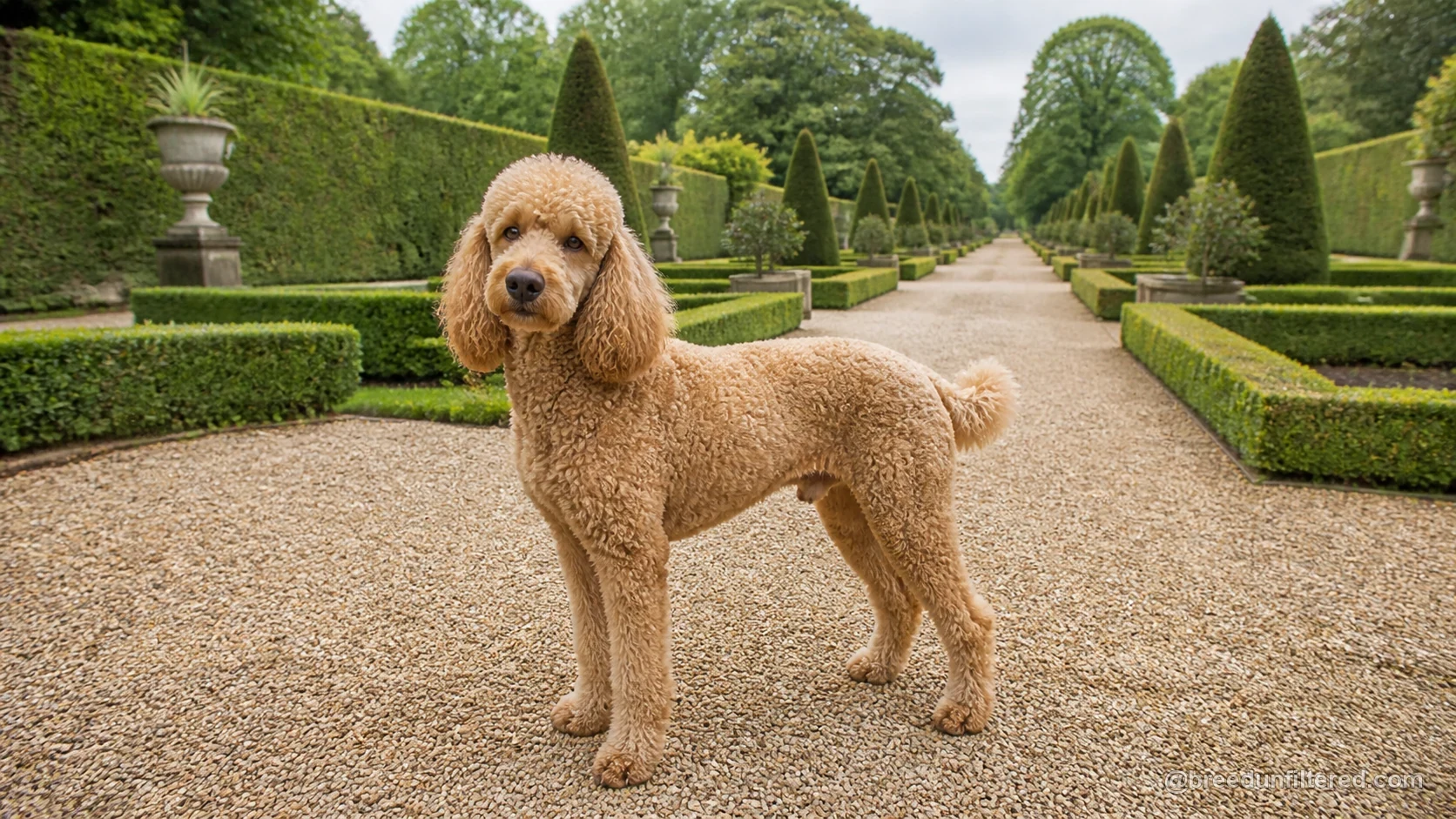
The Poodle, recognized by the Fédération Cynologique Internationale (FCI) under standard number 172, is a breed with a rich history and a reputation for intelligence and elegance. Often associated with France, the breed's origins are debated, with some evidence pointing to Germany, where the name 'Pudel' means to splash in water. Originally bred as a water retriever, the Poodle's distinctive clip was designed to protect vital organs while allowing freedom of movement in cold water. Today, the Poodle is a versatile companion, excelling in various roles from family pet to performance dog.
Prospective owners should understand that the Poodle is not a one-size-fits-all breed. It comes in three size varieties—standard, miniature, and toy—each with its own characteristics and care requirements. While often perceived as a high-maintenance show dog, the Poodle is fundamentally a working breed that thrives on mental and physical engagement. This guide aims to provide a balanced overview of the breed's origin, temperament, exercise needs, training, family compatibility, grooming, health, and the responsibilities of ownership, helping you make an informed decision.
Origin and Purpose
The Poodle's exact origins are a subject of historical debate, but it is widely accepted that the breed was developed in Germany as a water retriever, with the name deriving from the German 'pudeln,' meaning to splash. The breed's iconic clip was not merely aesthetic; it served a practical purpose, leaving hair on the chest and joints to protect against cold water while reducing drag. The Poodle was later refined in France, where it became a favorite of the aristocracy and circus performers, showcasing its intelligence and trainability.
The FCI classifies the Poodle under Group 9 (Companion and Toy Dogs), but its working heritage is undeniable. The breed's versatility has led to its use in various capacities, including hunting, retrieving, and even military work. Today, the Poodle is primarily a companion, but its instincts remain sharp. Understanding this background helps owners appreciate the breed's need for purposeful activity and its remarkable ability to learn complex tasks.
Temperament and Variation
Poodles are often described as intelligent, alert, and active. They are known for their keen sense of observation and their ability to anticipate their owner's actions. While individual temperaments vary, the breed generally forms strong bonds with their families and can be sensitive to the emotional climate of the home. The three size varieties—standard, miniature, and toy—share core traits but differ in energy levels and sturdiness. Standards are typically more athletic and reserved, while toys may be more delicate and prone to 'small dog syndrome' if not trained consistently.
It is important to avoid universal claims about temperament, as each dog is an individual. However, Poodles are generally eager to please and thrive on human interaction. They can be reserved with strangers, making them decent watchdogs, but they are not typically aggressive. Early socialization is crucial to ensure they develop into well-rounded adults. Prospective owners should meet both parents and spend time with the specific puppy to gauge its personality.
Exercise and Mental Work
Poodles are an energetic breed that requires regular physical activity to maintain their health and happiness. The amount of exercise varies by size and individual, but all Poodles benefit from daily walks and play sessions. Standards may need more vigorous exercise, such as running or swimming, while toys can be satisfied with shorter, more frequent play. However, exercise alone is not enough; Poodles are highly intelligent and need mental stimulation to prevent boredom, which can lead to destructive behaviors.
Mental work can include puzzle toys, obedience training, and canine sports such as agility, rally, or dock diving. These activities not only tire the mind but also strengthen the bond between dog and owner. A well-exercised and mentally stimulated Poodle is typically calm and content indoors. Owners should be prepared to dedicate time each day to both physical and mental enrichment, as this is essential for the breed's well-being.
Training and Socialisation
Poodles are renowned for their trainability, often ranking among the most intelligent dog breeds. They respond well to positive reinforcement techniques such as treats, praise, and play. Harsh methods are counterproductive, as Poodles can be sensitive and may shut down or become anxious. Consistency and patience are key. Early training should begin in puppyhood, focusing on basic commands and house manners. Poodles are quick learners and often excel in advanced obedience and tricks.
Socialisation is equally important. Exposing a Poodle to a variety of people, animals, environments, and sounds from a young age helps prevent fearfulness and reactivity. Puppy classes and controlled playdates are excellent ways to build confidence. While Poodles generally get along with other dogs, individual personalities vary, and proper introductions are essential. A well-socialised Poodle is more likely to be a relaxed and adaptable companion in various situations.
Family and Other Pets
Poodles can make wonderful family pets, but their suitability depends on the family's lifestyle and the dog's size. Standards are often good with children, especially when raised with them, but their size and energy may be overwhelming for very young kids. Miniatures and toys are more delicate and may not tolerate rough handling, so supervision is necessary. Poodles are generally social with other dogs and can coexist with cats if introduced properly, though their prey drive may be triggered by small animals.
It is crucial to teach children how to interact respectfully with dogs, and to provide the Poodle with a safe space where it can retreat. The breed's sensitivity means it thrives in a harmonious household. Families that are active and willing to include the dog in activities will find a loyal and playful companion. However, those seeking a low-maintenance pet may find the Poodle's needs demanding.
Grooming and Health
The Poodle's coat is a defining feature, but it requires significant upkeep. Their curly, single-layer coat does not shed much, which is beneficial for allergy sufferers, but it mats easily and needs regular brushing—ideally daily—to prevent tangles. Professional grooming every 4-6 weeks is typically necessary to maintain the coat and skin health. Many owners choose a practical clip, such as the 'puppy clip,' for ease of maintenance. Regular ear cleaning and dental care are also essential.
Like all breeds, Poodles are predisposed to certain health conditions, though not every dog will be affected. Common issues include hip dysplasia, progressive retinal atrophy, and certain skin conditions. Responsible breeders screen for these conditions. Prospective owners should ask for health clearances and be prepared for potential veterinary costs. A healthy diet and regular exercise contribute to overall well-being, but no breed is immune to health problems. It is important to consult with a veterinarian for personalized advice.
Costs and Responsibility
Owning a Poodle is a long-term commitment that involves financial and time investments. The initial cost of a puppy from a reputable breeder can be significant, and ongoing expenses include high-quality food, grooming supplies, professional grooming, veterinary care, and pet insurance. Grooming alone can be a substantial recurring cost. Additionally, Poodles require daily exercise and mental stimulation, which demands time and energy from the owner.
Beyond finances, responsible ownership means providing a safe, loving environment and committing to training and socialisation throughout the dog's life. Poodles can live 12-15 years or more, so prospective owners should consider their future lifestyle changes. Adopting from a rescue is also an option, giving a home to a Poodle in need. Ultimately, the rewards of Poodle ownership are immense, but they come with responsibilities that should not be underestimated.
Clear answers
FREQUENTLY ASKED QUESTIONS
Are Poodles hypoallergenic?
Poodles are often described as hypoallergenic because they have a single-layer coat that sheds minimally, producing less dander. However, no dog is truly hypoallergenic, and individual reactions vary. Regular grooming and bathing can help reduce allergens, but it's important to spend time with a Poodle before bringing one home if allergies are a concern.
Do Poodles bark a lot?
Poodles are generally alert and may bark to notify their owners of something unusual, but they are not typically excessive barkers. However, without proper training and mental stimulation, they can develop nuisance barking. Early socialisation and consistent training can help manage this behavior, and providing enough exercise and mental enrichment reduces boredom-related barking.
How much grooming does a Poodle need?
Poodles require daily brushing to prevent mats and tangles, and professional grooming every 4-6 weeks is recommended to maintain coat health and appearance. This includes haircuts, ear cleaning, and nail trimming. Grooming is a significant time and financial commitment, but it also provides an opportunity to check for skin issues and maintain overall hygiene.
Are Poodles good with children?
Poodles can be good with children, but it depends on the size of the Poodle and the age of the child. Standards are generally sturdy and playful, but may be too boisterous for toddlers. Miniatures and toys are more delicate and may not tolerate rough handling. Supervision and teaching children how to interact respectfully are essential for a positive relationship.
What is the lifespan of a Poodle?
Poodles generally have a lifespan of 12 to 15 years, with smaller varieties often living longer than standards. Providing a balanced diet, regular exercise, and routine veterinary care can contribute to a long, healthy life. Responsible breeding practices also play a role in reducing the risk of hereditary health issues.
Sources and further reading
Scores describe typical breed tendencies from 1 to 10. They are not a quality ranking or a prediction for an individual dog.
Size and presence3/10
CompactVery large
Physical strength3/10
LightExceptional
Energy level6/10
LowRelentless
Exercise demand5/10
ModestVery demanding
Mental work needed6/10
ModerateDaily job
Trainability7/10
ChallengingExceptional
Everyday manageability6/10
SpecialistStraightforward
First-time owner fit7/10
Poor fitGood fit
Family-life fit8/10
LimitedExcellent
Dog sociability7/10
SelectiveVery social
Prey drive4/10
LowVery high
Guarding tendency3/10
MinimalSerious
Independence5/10
Handler-focusedSelf-directed
Grooming demand9/10
LightHeavy
Apartment fit8/10
Poor fitGood fit