Complete breed guide
Bolognese OWNERSHIP GUIDE
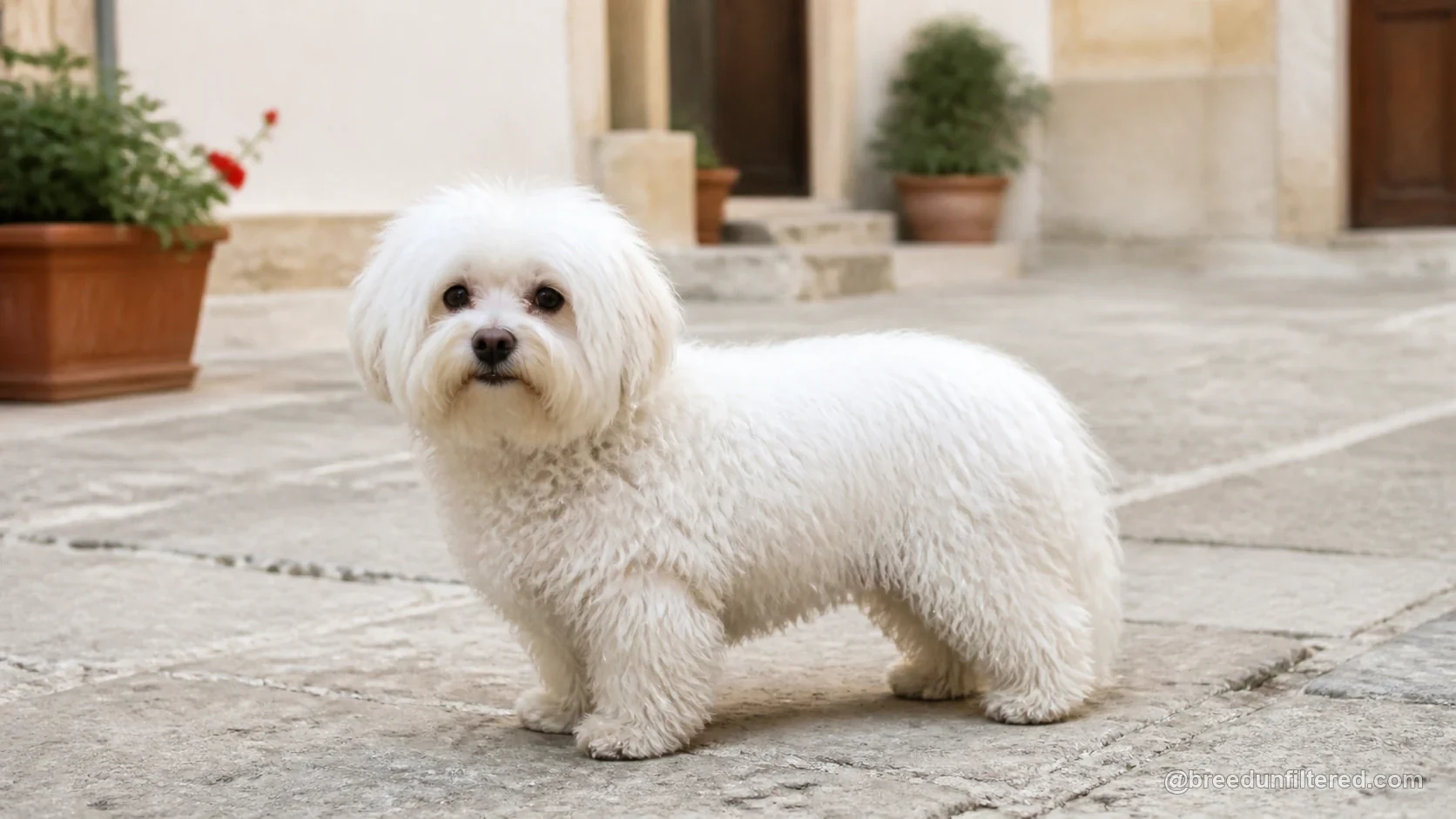
The Bolognese is a small, white, companion dog from Italy, named after the city of Bologna. Part of the Bichon family, it shares ancestry with the Maltese, Bichon Frise, and Havanese. This breed was a favorite among Italian nobility and has been depicted in Renaissance paintings, valued for its charming and affectionate nature. Today, the Bolognese remains a rare but beloved companion, known for its distinctive fluffy coat and devoted personality.
Prospective owners should understand that the Bolognese is not a high-energy working dog but a companion bred for human interaction. It thrives on close family contact and can become anxious if left alone for long periods. While its small size makes it adaptable to apartments, it still requires daily walks and mental engagement. This article provides an evidence-based overview of the breed's origin, temperament, care needs, and responsibilities to help you decide if a Bolognese fits your lifestyle.
Origin and Purpose
The Bolognese is an ancient breed with roots in the Mediterranean region, specifically developed in and around Bologna, Italy. It is classified under FCI Group 9 (Companion and Toy Dogs) and is recognized definitively under standard number 196. Historical records suggest that the breed was a favorite among Italian aristocrats and was often given as diplomatic gifts. Its primary purpose has always been companionship, providing warmth and affection to its owners.
Unlike many breeds that were developed for specific jobs like hunting or herding, the Bolognese was bred solely for human companionship. This purpose has shaped its temperament, making it highly attuned to human emotions and eager to be involved in family life. The breed's rarity today is partly due to its historical association with nobility and the limited geographic spread of its breeding. However, dedicated breeders and clubs work to preserve this charming companion.
Temperament and Variation
The Bolognese is known for its calm, gentle, and devoted nature. It forms strong bonds with its family and often prefers the company of its favorite person. While individual temperaments vary, the breed generally exhibits a quiet and observant demeanor, not prone to excessive barking. This makes it a suitable companion for those who appreciate a peaceful home environment. However, its attachment can lead to separation anxiety if not managed properly.
Within the breed, there can be variation in sociability and confidence. Some Bolognese may be more reserved with strangers, while others are more outgoing. Early and consistent socialization is crucial to help them develop into well-adjusted adults. They are not typically aggressive, but they may be wary of unfamiliar people or situations. Understanding these tendencies helps prospective owners prepare for a dog that is affectionate but may need gentle encouragement to accept new experiences.
Exercise and Mental Work
The Bolognese has moderate exercise needs. Daily walks and play sessions are sufficient to keep it physically fit, but it is not a breed that requires hours of vigorous activity. Its small size means it can get much of its exercise indoors, but outdoor exploration is important for mental stimulation and socialization. Owners should aim for at least a couple of short walks each day, along with interactive play to prevent boredom.
Mental work is equally important for this intelligent breed. Puzzle toys, trick training, and scent games can engage its mind and prevent behavioral issues. The Bolognese enjoys learning and responds well to positive reinforcement. Without adequate mental stimulation, it may become bored and develop undesirable habits like excessive chewing or barking. Balancing physical and mental exercise is key to a happy and well-behaved Bolognese.
Training and Socialisation
Training a Bolognese requires patience and consistency. This breed is intelligent but can be somewhat independent, so a gentle, reward-based approach works best. Harsh methods are counterproductive and can damage the trust between dog and owner. Early training should focus on basic obedience and house manners. The Bolognese is eager to please, but it may have a stubborn streak, so short, engaging sessions are more effective than long, repetitive ones.
Socialisation is critical from a young age. Exposing the Bolognese to a variety of people, environments, and other animals helps it become a confident adult. Puppy classes and controlled introductions are excellent ways to build positive associations. Without proper socialisation, the breed may become timid or overly wary. A well-socialised Bolognese is typically friendly and adaptable, making it a pleasant companion in many situations.
Family and Other Pets
The Bolognese is a wonderful family dog, especially for households with older children who understand how to interact gently with small dogs. It thrives on being included in family activities and may become unhappy if left out. Its small size makes it vulnerable to accidental injury from rough play, so supervision with younger children is essential. The breed is generally affectionate with all family members but may bond most closely with one person.
When it comes to other pets, the Bolognese can coexist peacefully with cats and other dogs, especially if raised together. Its prey drive is relatively low, so it is unlikely to chase small animals, but individual variation exists. Proper introductions and gradual acclimation are important. With its gentle nature, the Bolognese often gets along well with other companion animals, making it a versatile addition to a multi-pet household.
Grooming and Health
The Bolognese has a distinctive single coat that is fluffy and cotton-like, not double-coated. This coat requires regular grooming to prevent mats and tangles. Daily brushing is recommended, along with periodic baths to keep the coat clean and white. Many owners opt for professional grooming every few months to maintain a neat appearance. The breed is considered low-shedding, which may be appealing to some, but it is not hypoallergenic.
As with many purebred dogs, the Bolognese may be predisposed to certain health conditions, but responsible breeding can reduce risks. Common concerns in small breeds include dental issues, patellar luxation, and eye problems. Regular veterinary check-ups, a balanced diet, and proper dental care are essential. Prospective owners should seek breeders who perform health screenings and provide health clearances. While the Bolognese is generally healthy, being informed helps ensure a long, happy life.
Costs and Responsibility
Owning a Bolognese involves financial and time commitments. Initial costs include the purchase price from a reputable breeder, which can be significant due to the breed's rarity. Additionally, you will need supplies like a crate, bedding, food bowls, and grooming tools. Ongoing expenses include high-quality dog food, routine veterinary care, vaccinations, and grooming services. Pet insurance is also recommended to help manage unexpected medical costs.
Beyond finances, responsible ownership means dedicating time to training, exercise, and companionship. The Bolognese is a social dog that should not be left alone for long hours. Prospective owners must be prepared for a long-term commitment, as the breed's lifespan is typically 12 to 14 years. They should also consider their living situation and lifestyle to ensure they can provide a stable, loving environment. Adopting from a rescue is another option, though Bolognese-specific rescues may be limited.
Clear answers
FREQUENTLY ASKED QUESTIONS
Are Bolognese dogs good for first-time owners?
Yes, the Bolognese can be a good choice for first-time owners due to its moderate exercise needs and trainability. However, its strong attachment to humans means it may develop separation anxiety if left alone frequently. New owners should be prepared to invest time in training and socialization, and to provide plenty of companionship. With consistent, positive reinforcement, a Bolognese can thrive in a novice owner's home.
Do Bolognese dogs bark a lot?
Bolognese are generally not excessive barkers, but they will alert their owners to unusual sounds or visitors. Their barking tendency can vary individually, and proper training can help manage it. They are more likely to bark out of boredom or anxiety, so ensuring they have enough mental and physical stimulation is key. Early socialization can also reduce unnecessary barking at unfamiliar stimuli.
How much grooming does a Bolognese need?
The Bolognese requires daily brushing to prevent mats and tangles in its fluffy coat. Regular baths, about every three to four weeks, help keep the coat clean and white. Professional grooming every few months is often recommended to maintain a neat appearance. Additionally, routine ear cleaning and nail trimming are necessary. This breed is low-shedding, but grooming is a significant commitment.
Are Bolognese good with children?
Bolognese can be good with children, especially older ones who know how to handle small dogs gently. Their small size makes them vulnerable to accidental injury from rough play, so supervision is essential. They are affectionate and enjoy being part of family activities. With proper socialization and teaching children respectful interaction, a Bolognese can be a loving family companion.
What is the average lifespan of a Bolognese?
The average lifespan of a Bolognese is typically 12 to 14 years, though some may live longer with excellent care. Genetics, diet, exercise, and regular veterinary check-ups all play a role in longevity. Responsible breeding practices can help reduce the risk of hereditary health issues. Prospective owners should be prepared for a long-term commitment to their dog's well-being.
Sources and further reading
Scores describe typical breed tendencies from 1 to 10. They are not a quality ranking or a prediction for an individual dog.
Size and presence3/10
CompactVery large
Physical strength3/10
LightExceptional
Energy level6/10
LowRelentless
Exercise demand5/10
ModestVery demanding
Mental work needed6/10
ModerateDaily job
Trainability6/10
ChallengingExceptional
Everyday manageability6/10
SpecialistStraightforward
First-time owner fit9/10
Poor fitGood fit
Family-life fit8/10
LimitedExcellent
Dog sociability7/10
SelectiveVery social
Prey drive4/10
LowVery high
Guarding tendency3/10
MinimalSerious
Independence7/10
Handler-focusedSelf-directed
Grooming demand9/10
LightHeavy
Apartment fit8/10
Poor fitGood fit