Complete breed guide
Boston Terrier OWNERSHIP GUIDE
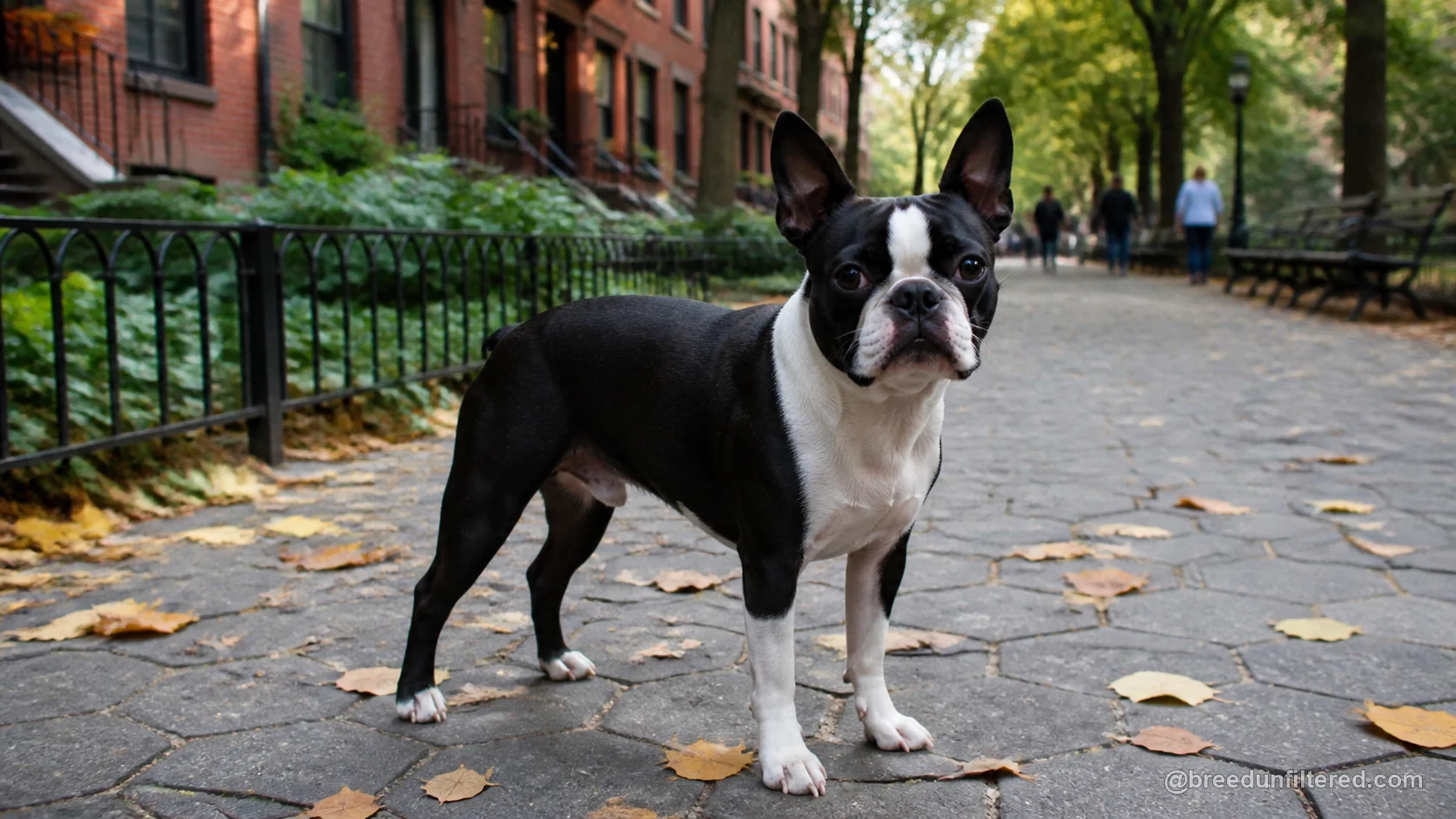
The Boston Terrier, often called the American Gentleman, is a compact, smooth-coated breed that originated in the United States. Known for its tuxedo-like markings and expressive eyes, this breed has long been a popular companion in cities and suburbs alike. Prospective owners should understand that while Boston Terriers are charming and adaptable, they are also a brachycephalic breed with specific health and care considerations.
This guide offers an evidence-conscious overview of the Boston Terrier, drawing on official breed standards and recognized kennel club resources. We will explore the breed's history, typical temperament, exercise and training needs, family compatibility, grooming, and the responsibilities of ownership. The goal is to help you decide if this breed aligns with your lifestyle, without making universal claims about individual dogs.
Origin and Purpose
The Boston Terrier was developed in the late 19th century in Boston, Massachusetts, from crosses between English Bulldogs and white English Terriers. The breed was refined to be a companion dog, and it was one of the first non-sporting breeds recognized by the American Kennel Club in 1893. The FCI standard (No. 140) places the breed in Group 9, Companion and Toy Dogs, reflecting its primary role as a companion.
The breed's name and 'tuxedo' coat pattern are iconic, but its purpose has always been to be a devoted house dog. Unlike many terriers, the Boston Terrier was not bred for hunting or vermin control, but rather for companionship. This history influences its temperament, which is typically described as friendly and alert, though individual variation is always present.
Temperament and Variation
Boston Terriers are often described as intelligent, lively, and affectionate. They tend to form strong bonds with their families and often enjoy being involved in daily activities. However, like any breed, temperament varies by individual, and early socialization and training play a significant role in shaping behavior. Some Bostons may be more reserved or stubborn, so prospective owners should be prepared for a range of personalities.
The breed is known for its expressive face and sometimes comical antics. They are generally not known for excessive barking, but they can be alert watchdogs. While they are often good with children and other pets, supervision and proper introductions are always recommended. It's important to avoid expecting a 'one-size-fits-all' temperament, as each dog is unique.
Exercise and Mental Work
Boston Terriers are moderately energetic. They enjoy daily walks and play sessions, but they are not high-endurance athletes. Due to their brachycephalic (short-nosed) anatomy, they can have difficulty breathing in hot or humid weather, so exercise should be moderated and scheduled during cooler times of day. Mental stimulation is equally important; puzzle toys, training games, and short obedience sessions can help keep their minds sharp.
While they can adapt to apartment living, they still need regular opportunities to burn off energy. A fenced yard can be convenient, but it is not a substitute for leash walks and interactive play. Owners should be mindful of the dog's limits and avoid overexertion, especially in warm climates. The key is to provide consistent, moderate activity rather than sporadic intense exercise.
Training and Socialisation
Boston Terriers are generally eager to please and respond well to positive reinforcement techniques such as treats, praise, and play. They can be sensitive, so harsh corrections are not recommended. Early socialization is crucial to help them become well-adjusted adults. Exposing them to various people, places, and situations in a positive manner can reduce the likelihood of fearfulness or reactivity.
Consistency and patience are important in training. Some Bostons can be a bit stubborn, but they are usually quick learners when motivated. Crate training and housebreaking are typically manageable with a routine. Because they are companion dogs, they thrive on human interaction and may not do well if left alone for long periods. Training should also include alone-time exercises to prevent separation-related behaviors.
Family and Other Pets
Boston Terriers are often good family dogs, especially in households with older children who understand how to interact respectfully with dogs. Their moderate size and sturdy build make them suitable for play, but they can be injured by rough handling, so supervision is advised. They generally get along with other dogs and cats, especially if raised together, but individual introductions should be managed carefully.
Their affectionate nature means they often want to be part of family activities. They may not be the best choice for families who are away from home for long hours, as they can develop separation anxiety. Prospective owners should consider their family's schedule and activity level. With proper socialization, many Bostons live harmoniously with other pets, but there is no guarantee for every individual.
Grooming and Health
The Boston Terrier has a short, smooth coat that is relatively low-maintenance. Weekly brushing with a soft bristle brush or grooming mitt can help remove loose hair and keep the coat shiny. They are moderate shedders, and occasional baths are sufficient. Their facial wrinkles should be kept clean and dry to prevent skin issues, and regular nail trimming, ear cleaning, and dental care are essential.
As a brachycephalic breed, Boston Terriers can be prone to respiratory issues, eye problems, and certain orthopedic conditions. Responsible breeders screen for hereditary conditions, but owners should be prepared for potential veterinary costs. It is important to maintain a healthy weight and avoid overexertion, especially in heat. Regular check-ups with a veterinarian are crucial to monitor their health.
Costs and Responsibility
Owning a Boston Terrier involves financial and time commitments. Initial costs include the purchase price from a reputable breeder or adoption fees, as well as supplies like crates, beds, and food. Ongoing expenses include high-quality dog food, routine veterinary care, vaccinations, and preventive medications. Emergency medical care can be costly, so pet insurance is worth considering.
Beyond finances, owners must commit to daily exercise, training, and companionship. Boston Terriers are social animals and may not thrive in environments where they are left alone for extended periods. Prospective owners should also be aware of the breed's sensitivity to temperature extremes. Responsible ownership means providing a safe, loving home and being prepared for the dog's entire lifespan, which is typically 11 to 13 years.
Clear answers
FREQUENTLY ASKED QUESTIONS
Are Boston Terriers good for first-time dog owners?
Boston Terriers can be a good choice for first-time owners due to their moderate energy and eagerness to please. However, they have specific needs, such as brachycephalic care and socialization. Beginners should be prepared to invest time in training and to manage potential health issues. It's advisable to research and possibly consult with breeders or veterinarians.
How much exercise does a Boston Terrier need?
Boston Terriers generally need moderate daily exercise, such as a 30-minute walk plus playtime. They are not high-endurance dogs and can overheat easily, so exercise should be adjusted for weather. Mental stimulation is also important. Always watch for signs of fatigue, and consult a vet for personalized advice.
Do Boston Terriers get along with children and other pets?
Many Boston Terriers are affectionate and playful with children, especially when raised with them. They often get along with other dogs and cats, but early socialization is key. Supervision is recommended with young children to prevent accidental injury. Individual temperament varies, so introductions should be gradual.
What are common health issues in Boston Terriers?
Boston Terriers can be prone to brachycephalic airway syndrome, eye problems like cataracts and corneal ulcers, and patellar luxation. They may also experience allergies and skin issues. Responsible breeding and regular veterinary care can mitigate risks, but owners should be aware of potential medical costs.
Are Boston Terriers easy to train?
Boston Terriers are generally intelligent and responsive to positive reinforcement training. They can be a bit stubborn at times, but with consistency and rewards, they learn quickly. Early socialization and obedience classes are beneficial. Harsh methods are counterproductive, as they are sensitive dogs.
Sources and further reading
Scores describe typical breed tendencies from 1 to 10. They are not a quality ranking or a prediction for an individual dog.
Size and presence3/10
CompactVery large
Physical strength3/10
LightExceptional
Energy level5/10
LowRelentless
Exercise demand4/10
ModestVery demanding
Mental work needed6/10
ModerateDaily job
Trainability7/10
ChallengingExceptional
Everyday manageability8/10
SpecialistStraightforward
First-time owner fit9/10
Poor fitGood fit
Family-life fit8/10
LimitedExcellent
Dog sociability7/10
SelectiveVery social
Prey drive4/10
LowVery high
Guarding tendency3/10
MinimalSerious
Independence5/10
Handler-focusedSelf-directed
Grooming demand7/10
LightHeavy
Apartment fit8/10
Poor fitGood fit