Complete breed guide
Peruvian Hairless Dog OWNERSHIP GUIDE
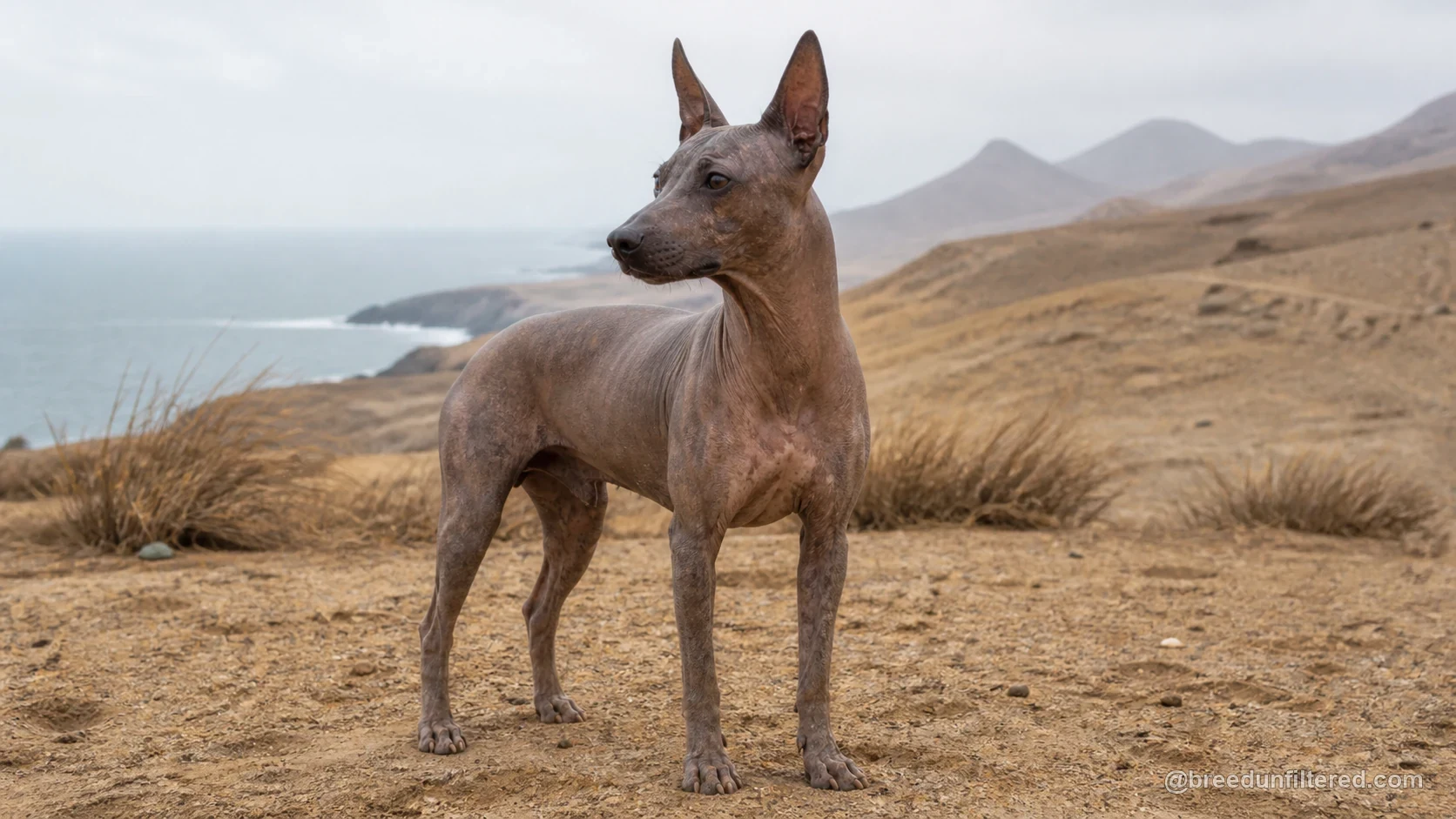
The Peruvian Hairless Dog, also known as the Perro Sin Pelo del Perú, is a rare and ancient breed that has captured the hearts of dog enthusiasts with its distinctive appearance and loyal nature. Recognized by the Fédération Cynologique Internationale (FCI) in Group 5, this breed is prized for its hairlessness, which is a result of a genetic mutation that has been selectively bred for centuries. Beyond its striking looks, the Peruvian Hairless Dog is known for its intelligence, alertness, and strong bond with its family, making it a fascinating companion for those who appreciate its unique qualities.
However, owning a Peruvian Hairless Dog is not without its challenges. This breed requires dedicated care, including protection from the sun and cold, regular skin maintenance, and consistent training. Prospective owners should be prepared for a dog that is both sensitive and independent, with a strong prey drive and a tendency to be wary of strangers. In this article, we will explore the breed's origin, temperament, exercise needs, training requirements, family compatibility, grooming, health considerations, and the responsibilities of ownership, providing a balanced perspective for anyone considering adding this remarkable dog to their life.
Origin and Purpose
The Peruvian Hairless Dog is one of the oldest dog breeds in the Americas, with roots tracing back to pre-Inca civilizations over 3,000 years ago. Archaeological evidence, including pottery and textiles, depicts hairless dogs that resemble the modern breed, suggesting they were kept as companions and possibly used in religious ceremonies. The breed's exact origins are debated, but it is believed to have developed in the coastal regions of Peru, where the warm climate favored hairless dogs. The FCI officially recognized the breed in 1985, and today it is considered a national treasure in Peru.
Historically, the Peruvian Hairless Dog served multiple purposes. Some sources suggest they were used for hunting small game, while others indicate they were kept for their purported healing properties, as their warm bodies were believed to alleviate ailments. In modern times, the breed is primarily a companion animal, valued for its loyalty and unique appearance. The breed's hairlessness is a dominant trait, but not all puppies are born hairless; some are born with a full coat, which is considered a variation and is not eligible for show competition in some kennel clubs. Understanding the breed's historical context helps prospective owners appreciate its distinctive characteristics and the cultural significance it holds.
Temperament and Variation
The Peruvian Hairless Dog is known for its alert, intelligent, and loyal temperament. It tends to form a strong bond with its primary caregiver and can be reserved or wary around strangers, making it an effective watchdog. However, this breed is also sensitive and can be easily stressed by harsh training methods or chaotic environments. Early and consistent socialization is crucial to help them become well-adjusted adults. While individual temperaments vary, the breed generally exhibits a calm and composed demeanor indoors, but can be lively and playful when engaged.
There are three size varieties of the Peruvian Hairless Dog: small (from 25 to 40 cm at the withers), medium (from 40 to 50 cm), and large (from 50 to 65 cm). Despite size differences, temperament is similar across varieties, though smaller dogs may be more delicate and require extra care. The breed's hairlessness is a defining feature, but it also means they are prone to skin issues such as sunburn, dryness, and acne. Owners must be prepared to manage these skin conditions with appropriate sun protection, moisturizers, and regular cleaning. Understanding the breed's temperament and physical variations is essential for providing the right environment and care.
Exercise and Mental Work
The Peruvian Hairless Dog has moderate exercise needs. They enjoy daily walks and play sessions, but they are not excessively high-energy. A fenced yard is beneficial, but they can adapt to apartment living if given sufficient outdoor time. Because they are sensitive to temperature extremes, exercise should be scheduled during cooler parts of the day in hot climates and with protective clothing in cold weather. Mental stimulation is equally important; puzzle toys, scent games, and obedience training can help prevent boredom and destructive behaviors.
This breed is intelligent and thrives on mental challenges. They are known to be problem solvers, which can be both a delight and a challenge for owners. Without adequate mental engagement, they may become anxious or develop undesirable habits. Incorporating training sessions that use positive reinforcement, such as clicker training or treat rewards, can strengthen the bond and keep their minds sharp. It is important to note that exercise needs can vary based on the individual dog's age, health, and size, so owners should adjust routines accordingly and consult with a veterinarian for personalized advice.
Training and Socialisation
Training a Peruvian Hairless Dog requires patience, consistency, and a gentle approach. They are sensitive and respond best to positive reinforcement techniques, such as praise, treats, and play. Harsh corrections or forceful methods can damage their trust and lead to stubbornness. Early training should focus on basic obedience commands, such as sit, stay, and recall, as well as leash manners. This breed can be independent, so owners must establish clear boundaries and maintain a calm, assertive leadership style.
Socialisation is critical for the Peruvian Hairless Dog to develop into a well-rounded adult. Exposing them to a variety of people, animals, environments, and sounds from a young age can help reduce their natural wariness of strangers and prevent fear-based aggression. Puppy classes and controlled introductions to other dogs are recommended. However, due to their strong prey drive, they may not be reliable off-leash in areas with small animals. Owners should also be aware that this breed can be territorial, so proper socialisation can help mitigate excessive guarding behaviors.
Family and Pets
The Peruvian Hairless Dog can make a devoted family companion, especially for families with older children who understand how to interact respectfully with dogs. They are generally gentle and affectionate with their family members, but they may be reserved with strangers. Their sensitivity means they do not do well in households with loud, chaotic environments or rough handling. Families with young children should supervise interactions and teach children how to approach and touch the dog gently.
Regarding other pets, the Peruvian Hairless Dog has a strong prey drive, which can make them unsuitable for homes with small animals such as rabbits, guinea pigs, or even cats, unless they are raised together from a young age. They may also be dominant with other dogs of the same sex. Early socialisation can improve their tolerance, but it is not guaranteed. Prospective owners should consider their existing pets and the breed's natural instincts when deciding if this dog is the right fit for their household.
Grooming and Health
Grooming the Peruvian Hairless Dog is relatively low-maintenance in terms of brushing, but it requires special attention to skin care. Because they lack hair, their skin is exposed to the elements and can become dry, sunburned, or irritated. Regular bathing with a gentle, moisturizing shampoo is recommended, along with the application of dog-safe sunscreen when outdoors. They may also develop blackheads or acne, which can be managed with proper hygiene and veterinary guidance. Their nails grow quickly and need regular trimming, and their ears should be checked and cleaned to prevent infections.
Health-wise, the Peruvian Hairless Dog is generally a hardy breed, but they are prone to certain conditions, including skin allergies, dental issues, and hip dysplasia (especially in larger varieties). They may also be sensitive to anesthesia due to their low body fat. Responsible breeders screen for hereditary conditions, and prospective owners should ask for health clearances. Regular veterinary check-ups, a balanced diet, and appropriate exercise are essential to maintaining their overall health. It is important to note that hairless dogs may have a higher body temperature than coated breeds, so they need protection from extreme temperatures.
Costs and Responsibility
Owning a Peruvian Hairless Dog involves significant financial and time commitments. The initial cost of purchasing a puppy from a reputable breeder can be high, often ranging from $1,500 to $3,000 or more, depending on lineage and location. Additionally, owners must budget for routine veterinary care, vaccinations, microchipping, and pet insurance. Specialized skin care products, such as sunscreen and moisturizers, add to ongoing expenses. Grooming supplies, high-quality food, and training classes are also necessary investments.
Beyond financial costs, responsible ownership requires a commitment to the dog's well-being. This breed thrives on human companionship and may suffer from separation anxiety if left alone for long periods. They need daily exercise, mental stimulation, and social interaction. Prospective owners should also consider their living situation, as the breed's sensitivity to temperature may require climate control. Adopting from a rescue or shelter is another option, though Peruvian Hairless Dogs are rare, so finding one may require patience. Ultimately, bringing this unique dog into your life is a long-term responsibility that should not be taken lightly.
Clear answers
FREQUENTLY ASKED QUESTIONS
Are Peruvian Hairless Dogs good with children?
Peruvian Hairless Dogs can be good with children, especially if they are raised together and the children are taught to interact respectfully. They are generally gentle and affectionate with their family, but they can be sensitive to rough handling or loud noises. Supervision is recommended with young children to ensure safe interactions, and early socialisation can help them become more tolerant.
Do Peruvian Hairless Dogs need a lot of exercise?
Peruvian Hairless Dogs have moderate exercise needs. They enjoy daily walks and playtime, but they are not extremely high-energy. However, they do require mental stimulation to prevent boredom. Exercise should be adjusted based on the dog's age, health, and size, and owners should protect them from extreme temperatures during outdoor activities.
Are Peruvian Hairless Dogs hypoallergenic?
While no dog is truly hypoallergenic, the Peruvian Hairless Dog is often considered more suitable for allergy sufferers because they lack hair and produce less dander. However, they still produce saliva and skin oils, which can trigger allergies in some people. It is recommended that allergy sufferers spend time with the breed before committing to ownership.
How often should I bathe my Peruvian Hairless Dog?
Bathing frequency depends on the dog's skin condition and activity level. Generally, a bath every 2-4 weeks with a gentle, moisturizing shampoo is recommended to keep the skin clean and hydrated. Over-bathing can strip natural oils, so it is important to monitor the skin and adjust accordingly. Regular wiping with a damp cloth can help between baths.
What is the lifespan of a Peruvian Hairless Dog?
The lifespan of a Peruvian Hairless Dog is typically around 12 to 15 years, though some may live longer with proper care. Factors such as genetics, diet, exercise, and regular veterinary care can influence longevity. Providing a balanced diet, routine health check-ups, and a safe environment can help ensure a long, healthy life.
Sources and further reading
Scores describe typical breed tendencies from 1 to 10. They are not a quality ranking or a prediction for an individual dog.
Size and presence5/10
CompactVery large
Physical strength5/10
LightExceptional
Energy level9/10
LowRelentless
Exercise demand9/10
ModestVery demanding
Mental work needed8/10
ModerateDaily job
Trainability5/10
ChallengingExceptional
Everyday manageability2/10
SpecialistStraightforward
First-time owner fit3/10
Poor fitGood fit
Family-life fit6/10
LimitedExcellent
Dog sociability6/10
SelectiveVery social
Prey drive10/10
LowVery high
Guarding tendency7/10
MinimalSerious
Independence9/10
Handler-focusedSelf-directed
Grooming demand8/10
LightHeavy
Apartment fit4/10
Poor fitGood fit