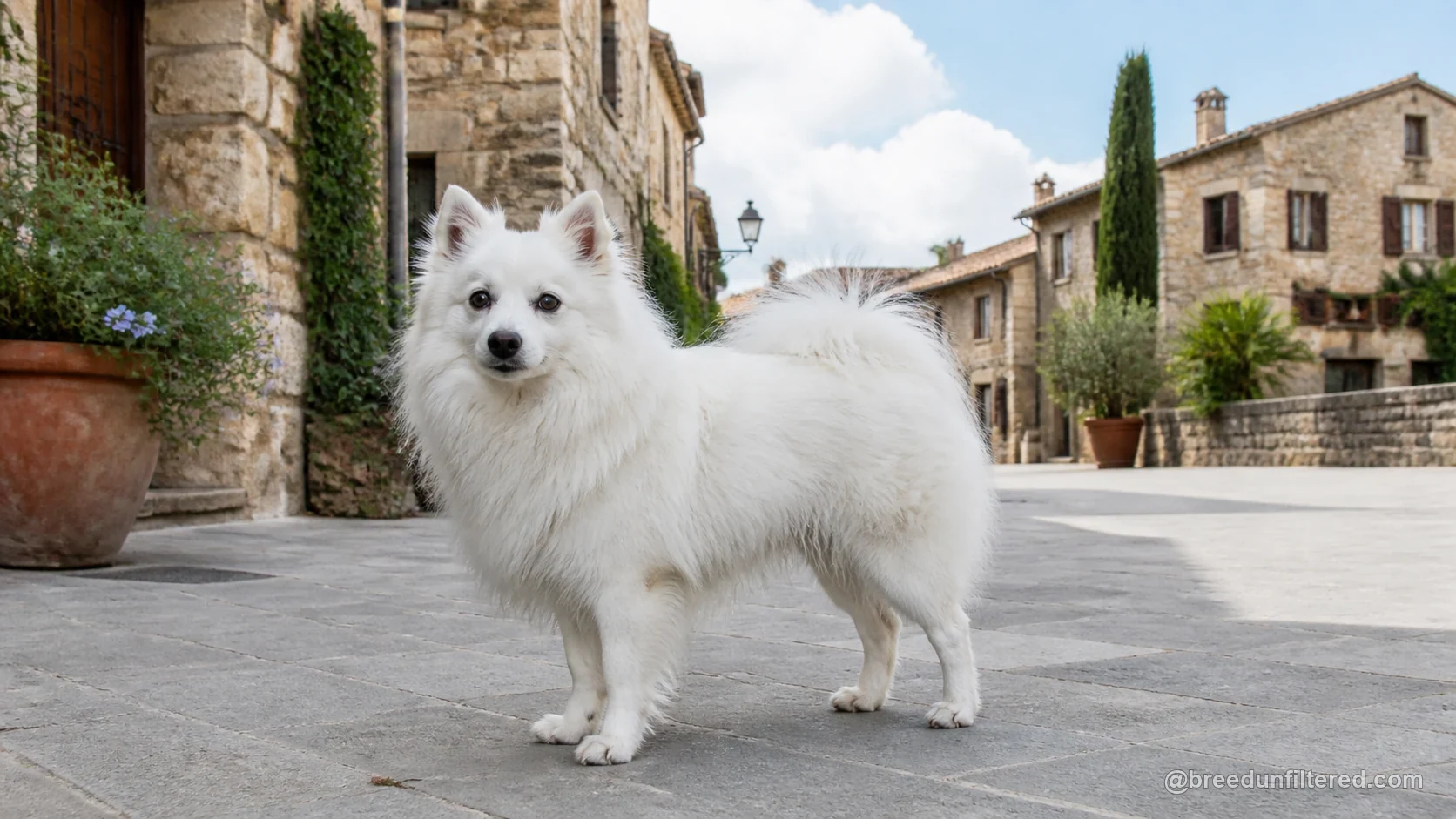
Complete breed guide
Italian Volpino OWNERSHIP GUIDE
The Italian Volpino, known officially as Volpino Italiano, is a small spitz-type dog with roots that reach back to ancient Italy. Recognized by the Fédération Cynologique Internationale (FCI) in Group 5, this breed is cherished for its fox-like appearance, plush double coat, and spirited demeanor. Though rare outside its homeland, the Volpino has a devoted following among those who appreciate a compact companion with a big personality.
Prospective owners should understand that the Volpino is not a lapdog in the traditional sense; it is an alert, intelligent, and energetic breed that thrives on close human interaction. While its small size makes it adaptable to various living situations, its vocal nature and need for mental stimulation require a committed owner. This article provides an evidence-conscious overview of the breed's history, temperament, care needs, and practical considerations for those considering adding a Volpino to their family.
Origin and Purpose
The Italian Volpino is an ancient breed, with ancestors believed to have been companions and watchdogs in the homes of Etruscan and Roman civilizations. The name 'Volpino' derives from 'volpe,' the Italian word for fox, reflecting its foxy face and pointed ears. Historically, these dogs were kept as ratters and alert sentinels, using their sharp bark to warn of intruders, and they were also treasured as loyal companions by nobility and commoners alike.
The breed's modern history is intertwined with Italian culture, and it was standardized in the early 20th century. However, like many European breeds, the Volpino faced a decline after the World Wars, and dedicated breeders worked to preserve it. Today, the FCI recognizes the breed under standard number 195, and while it remains relatively rare internationally, it is valued for its historical significance and its role as a lively, affectionate companion.
Temperament and Variation
The Italian Volpino is known for its vivacious and alert temperament. These dogs are typically affectionate with their families and form strong bonds, often shadowing their owners around the house. They are also naturally wary of strangers, making them excellent watchdogs, though this trait requires careful socialization to prevent excessive suspicion. Individual personalities can vary, with some Volpinos being more outgoing and others more reserved, but the breed standard describes a lively and devoted companion.
As a spitz-type dog, the Volpino retains many primitive instincts, including a tendency to be vocal and a strong prey drive. They are intelligent and can be independent thinkers, which may present training challenges for novice owners. However, with consistent, positive reinforcement, they are eager to please and can excel in canine activities such as agility and obedience. It is important to remember that temperament is influenced by genetics, upbringing, and environment, so early socialization and training are crucial.
Exercise and Mental Work
Despite their small size, Italian Volpinos are energetic dogs that require regular exercise to stay physically and mentally healthy. Daily walks, play sessions, and opportunities to run in a securely fenced area are typically beneficial. They enjoy interactive games like fetch and can be enthusiastic participants in dog sports. However, their exercise needs are moderate, and they can adapt to apartment living if given sufficient outlets for their energy.
Mental stimulation is equally important for this intelligent breed. Puzzle toys, scent games, and training sessions that challenge their minds can help prevent boredom and destructive behaviors. Without adequate mental engagement, a Volpino may resort to excessive barking or digging. Owners should be prepared to provide a variety of activities that engage both body and mind, tailoring the routine to their dog's individual preferences and energy levels.
Training and Socialisation
Training an Italian Volpino requires patience, consistency, and a positive, reward-based approach. These dogs respond well to treats, praise, and play, but they can become stubborn if met with harsh methods. Early obedience training is recommended to establish good manners and to channel their intelligence constructively. Short, engaging sessions are often more effective than long, repetitive drills, as the breed can lose interest quickly.
Socialisation is a critical component of raising a well-adjusted Volpino. Exposing them to a variety of people, animals, environments, and sounds from a young age can help mitigate their natural wariness and reduce the likelihood of fear-based aggression. Puppy classes and supervised interactions with other dogs can be beneficial. A well-socialized Volpino is typically more confident and adaptable, making them a joy to live with in diverse settings.
Family and Other Pets
The Italian Volpino can make a wonderful family companion for households that understand its needs. They are generally affectionate with children, especially when raised with them, and they enjoy being included in family activities. However, due to their small size and spirited nature, interactions with very young children should be supervised to prevent accidental injury. The breed's tendency to be vocal may be a consideration for families with infants or noise-sensitive neighbors.
When it comes to other pets, the Volpino's prey drive can be a challenge. They may chase small animals such as cats, rabbits, or rodents, though early socialization can help them coexist peacefully with other dogs and even cats. Each dog's behavior is unique, and introductions should be gradual and controlled. With proper training and supervision, many Volpinos live harmoniously with other pets, but prospective owners should be prepared to manage their natural instincts.
Grooming and Health
The Italian Volpino has a thick, double coat that requires regular grooming to keep it in good condition. Weekly brushing is typically sufficient to remove loose hair and prevent matting, with more frequent brushing during seasonal shedding periods. They are moderate shedders, and their coat is relatively low-maintenance, but they do require occasional baths and routine nail trimming, ear cleaning, and dental care to maintain overall hygiene.
As a breed, the Volpino is generally healthy, but like all dogs, they can be prone to certain conditions. Responsible breeders screen for hereditary issues such as patellar luxation and eye disorders. Regular veterinary check-ups, a balanced diet, and appropriate exercise contribute to their well-being. Prospective owners should seek a reputable breeder who prioritizes health testing and provides a health guarantee. It is also important to note that the breed's lifespan is typically 14 to 16 years, so a long-term commitment is essential.
Costs and Responsibility
Owning an Italian Volpino involves financial and time commitments. Initial costs include the purchase price from a responsible breeder, which can vary, as well as supplies such as a crate, bedding, food, and grooming tools. Ongoing expenses include high-quality dog food, routine veterinary care, vaccinations, and preventive medications. Additionally, pet insurance or a dedicated savings fund for unexpected medical needs is advisable.
Beyond finances, responsible ownership entails providing proper training, socialization, exercise, and mental stimulation throughout the dog's life. The Volpino is a companion breed that thrives on human interaction and should not be left alone for long periods. Prospective owners should assess their lifestyle to ensure they can meet the breed's needs. Adopting from a rescue or breed-specific organization is also a commendable option, giving a home to a dog in need.
Clear answers
FREQUENTLY ASKED QUESTIONS
Are Italian Volpinos good with children?
Italian Volpinos can be good with children, especially when raised together and properly socialized. They are affectionate and enjoy play, but due to their small size, interactions with very young children should be supervised to prevent accidental injury. Teaching children how to handle dogs gently is essential, and the dog should have a safe space to retreat to when needed.
Do Italian Volpinos bark a lot?
Yes, Italian Volpinos are known for being vocal. They were bred as watchdogs and have a tendency to bark to alert their owners. This behavior can be managed through training and providing adequate mental and physical stimulation. However, prospective owners should be prepared for a dog that may bark at noises, strangers, or other animals, which could be a consideration in close living quarters.
Are Italian Volpinos easy to train?
Italian Volpinos are intelligent and can be trained with positive reinforcement methods, but they can also be independent and stubborn at times. Consistency and patience are key. Short, engaging training sessions that incorporate treats and play tend to yield the best results. Early socialization and obedience training are recommended to bring out their best behavior.
Do Italian Volpinos get along with other pets?
Italian Volpinos can get along with other pets, especially if they are raised together from a young age. However, their prey drive may lead them to chase small animals like cats or rodents. With proper socialization and supervision, many Volpinos live peacefully with other dogs and cats. Each dog is an individual, so introductions should be gradual and controlled.
How much grooming does an Italian Volpino need?
The Italian Volpino has a double coat that requires regular grooming. Weekly brushing is usually sufficient to remove loose hair and prevent tangles, with more frequent brushing during shedding seasons. They shed moderately year-round. Additionally, routine nail trimming, ear cleaning, and dental care are part of good grooming practices to keep the dog healthy and comfortable.
Sources and further reading
Scores describe typical breed tendencies from 1 to 10. They are not a quality ranking or a prediction for an individual dog.
Size and presence3/10
CompactVery large
Physical strength4/10
LightExceptional
Energy level8/10
LowRelentless
Exercise demand8/10
ModestVery demanding
Mental work needed8/10
ModerateDaily job
Trainability6/10
ChallengingExceptional
Everyday manageability3/10
SpecialistStraightforward
First-time owner fit3/10
Poor fitGood fit
Family-life fit7/10
LimitedExcellent
Dog sociability6/10
SelectiveVery social
Prey drive10/10
LowVery high
Guarding tendency6/10
MinimalSerious
Independence9/10
Handler-focusedSelf-directed
Grooming demand8/10
LightHeavy
Apartment fit5/10
Poor fitGood fit