Complete breed guide
Norwegian Elkhound Black OWNERSHIP GUIDE
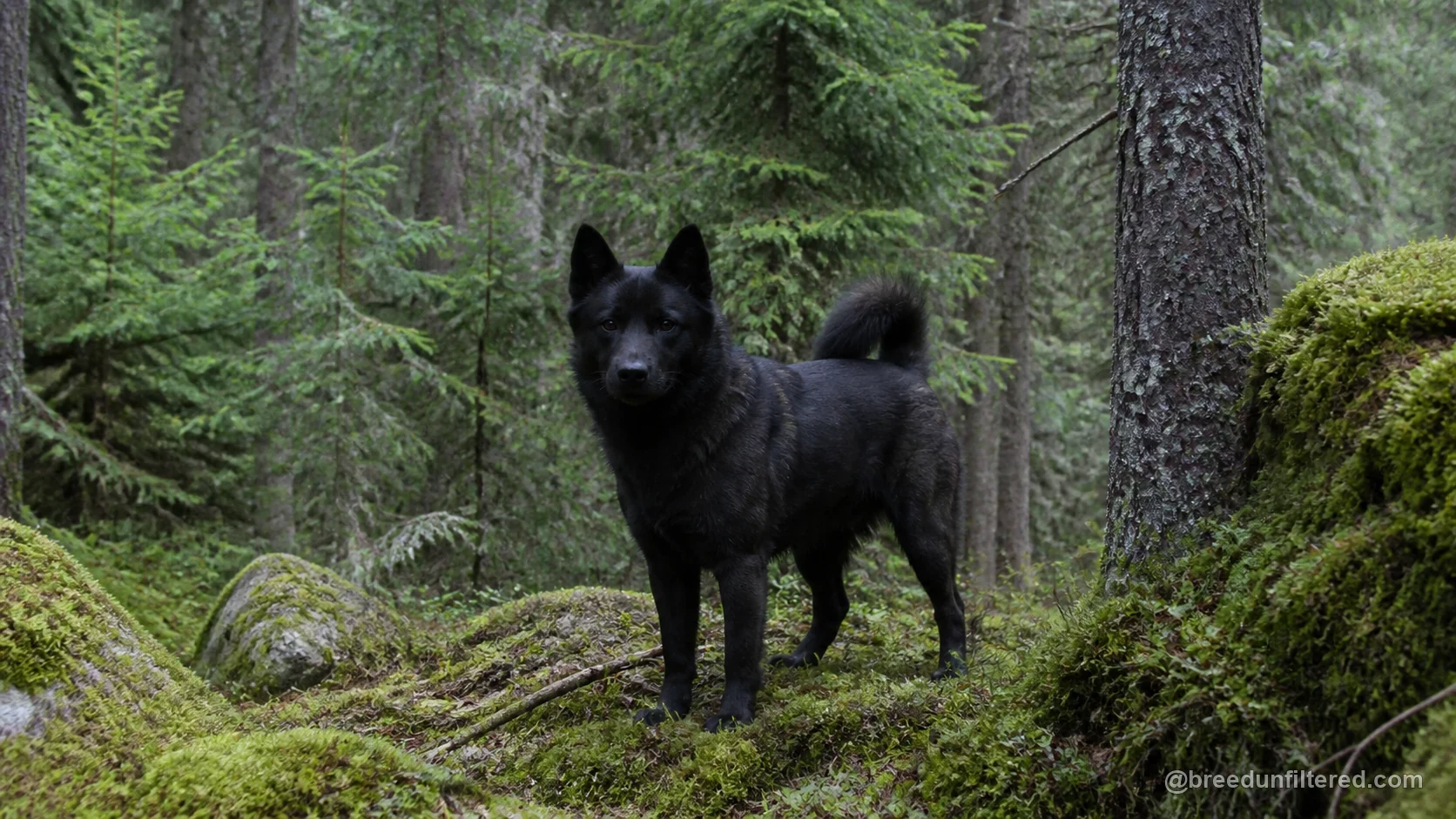
The Norwegian Elkhound Black, recognized by the FCI as Norsk Elghund Sort (268), is a lesser-known cousin of the more common grey Norwegian Elkhound. Bred in the rugged Scandinavian forests for hunting elk and other large game, this spitz-type dog is built for endurance, courage, and independence. Its black coat, compact body, and keen senses make it a distinctive and functional working dog, yet it also thrives as a devoted family companion when given proper outlets for its energy.
Prospective owners should understand that this breed is not a low-maintenance pet. It is intelligent, energetic, and has a strong prey drive, traits that were honed over centuries. While it can be affectionate and loyal, it requires consistent training, ample exercise, and mental challenges. This guide aims to provide an honest overview of the Norwegian Elkhound Black, covering its history, temperament, care needs, and the responsibilities that come with owning such a capable and spirited dog.
Origin and Purpose
The Norwegian Elkhound Black originates from Norway, where it was developed as a hunting dog for moose and other large game. Unlike the grey Norwegian Elkhound, which is more widely known, the black variety is rarer and was bred specifically for its ability to track and hold game at bay. Its black coat provided camouflage in the dark forests, and its stamina allowed it to work long hours in harsh conditions.
The breed's history is deeply tied to the Scandinavian hunting tradition. These dogs were expected to work independently, using their noses to locate prey and their voices to alert hunters. This purpose shaped their temperament: they are alert, vocal, and self-assured. Today, while still used for hunting in some regions, they are also kept as companions, but their instincts remain strong, and owners must respect their heritage.
Temperament and Variation
The Norwegian Elkhound Black is known for its bold and confident personality. It is typically loyal and affectionate with its family, often forming a strong bond with one person. However, it can be reserved with strangers, making it a natural watchdog. This breed is also known for its independence, which can be both a strength and a challenge in training.
While there is variation among individuals, most Norwegian Elkhound Blacks are energetic and playful, retaining a puppy-like enthusiasm well into adulthood. They are not typically aggressive, but they have a strong protective instinct. Early socialisation is crucial to ensure they are comfortable around new people and animals. Potential owners should be prepared for a dog that is both loving and stubborn, requiring a patient and consistent approach.
Exercise and Mental Work
The Norwegian Elkhound Black is a high-energy breed that needs substantial daily exercise. A simple walk around the block is not sufficient; they thrive with activities that allow them to use their natural abilities, such as hiking, jogging, or participating in dog sports like agility or tracking. Without adequate physical activity, they may become restless and develop destructive behaviors.
Mental stimulation is equally important. This intelligent dog enjoys problem-solving tasks, scent work, and interactive games. Providing puzzle toys, obedience training sessions, and opportunities to explore new environments can help satisfy their need for mental engagement. Owners should be prepared to dedicate time each day to both physical and mental exercise to keep their Elkhound balanced and happy.
Training and Socialisation
Training a Norwegian Elkhound Black requires patience and consistency. This breed is intelligent but also independent, which can make them appear stubborn. Positive reinforcement methods, such as treats and praise, work best. Harsh training techniques are counterproductive and can damage the trust between dog and owner. Early obedience training is essential to establish leadership and boundaries.
Socialisation should begin early and continue throughout the dog's life. Exposing the puppy to a variety of people, animals, and environments helps prevent fearfulness and aggression. Because of their hunting background, they may have a strong prey drive, so careful introductions to small pets are necessary. A well-socialised Elkhound can be a friendly and reliable companion, but this requires effort and dedication from the owner.
Family and Pets
The Norwegian Elkhound Black can make a wonderful family dog for active households. They are generally good with children, especially when raised with them, and they enjoy being part of family activities. Their playful nature makes them great playmates, but supervision is recommended with very young children due to their size and energy.
When it comes to other pets, the picture is more nuanced. Their hunting instincts may lead them to chase small animals, including cats, unless they are raised with them from a young age. With other dogs, they can be social if properly introduced, but they may be dominant. Early and ongoing socialisation is key to fostering harmonious relationships with other pets in the home.
Grooming and Health
The Norwegian Elkhound Black has a thick double coat that requires regular grooming. They shed heavily, especially during seasonal changes, and daily brushing is recommended during those times to manage loose hair. Outside of shedding seasons, weekly brushing is usually sufficient. They are generally clean dogs and do not require frequent baths, but regular ear checks and nail trims are important.
As a breed, they are generally healthy, but like all dogs, they can be prone to certain conditions. Hip dysplasia and progressive retinal atrophy are among the health issues that have been reported in the breed. Responsible breeders screen their breeding stock for these conditions. Prospective owners should ask about health clearances and be prepared for routine veterinary care to maintain their dog's well-being.
Costs and Responsibility
Owning a Norwegian Elkhound Black involves significant financial and time commitments. The initial cost of a puppy from a reputable breeder can be substantial, and ongoing expenses include high-quality food, routine veterinary care, grooming supplies, and pet insurance. Additionally, because this breed is energetic and intelligent, owners must invest time in training, exercise, and mental stimulation.
Beyond finances, prospective owners must consider the long-term responsibility. This breed can live 12 to 15 years, and during that time, they require consistent care and attention. They are not suited to a sedentary lifestyle or being left alone for long periods. Potential owners should honestly assess their ability to meet the breed's needs before bringing one home, ensuring a rewarding relationship for both dog and owner.
Clear answers
FREQUENTLY ASKED QUESTIONS
Is the Norwegian Elkhound Black good with children?
Generally, yes, when properly socialised and raised with children, they can be affectionate and playful. However, due to their size and energy, supervision is recommended with very young children to prevent accidental knocking over. Teaching children how to interact respectfully with dogs is also important.
How much exercise does a Norwegian Elkhound Black need?
This breed has high exercise needs and requires at least an hour of vigorous activity daily, such as running, hiking, or playing fetch. They also benefit from mental challenges like puzzle toys or scent games. Without sufficient exercise, they may become bored and develop destructive behaviors.
Does the Norwegian Elkhound Black shed a lot?
Yes, they shed heavily, especially during seasonal changes. Their thick double coat requires regular brushing, often daily during shedding periods, to manage loose hair. Weekly brushing is typically sufficient at other times. They are not considered hypoallergenic.
Are Norwegian Elkhound Blacks easy to train?
They are intelligent but independent, which can make training challenging for novice owners. They respond best to positive reinforcement and consistent, patient methods. Early socialisation and obedience training are essential to channel their intelligence and prevent stubbornness.
Can a Norwegian Elkhound Black live in an apartment?
While they can adapt to apartment living if given enough exercise, they are not ideal for small spaces. They are active and vocal, which may disturb neighbors. A home with a securely fenced yard is preferable, allowing them to burn off energy safely.
Sources and further reading
Scores describe typical breed tendencies from 1 to 10. They are not a quality ranking or a prediction for an individual dog.
Size and presence5/10
CompactVery large
Physical strength5/10
LightExceptional
Energy level9/10
LowRelentless
Exercise demand10/10
ModestVery demanding
Mental work needed8/10
ModerateDaily job
Trainability5/10
ChallengingExceptional
Everyday manageability2/10
SpecialistStraightforward
First-time owner fit3/10
Poor fitGood fit
Family-life fit6/10
LimitedExcellent
Dog sociability6/10
SelectiveVery social
Prey drive10/10
LowVery high
Guarding tendency7/10
MinimalSerious
Independence9/10
Handler-focusedSelf-directed
Grooming demand10/10
LightHeavy
Apartment fit4/10
Poor fitGood fit