Complete breed guide
Norwegian Buhund OWNERSHIP GUIDE
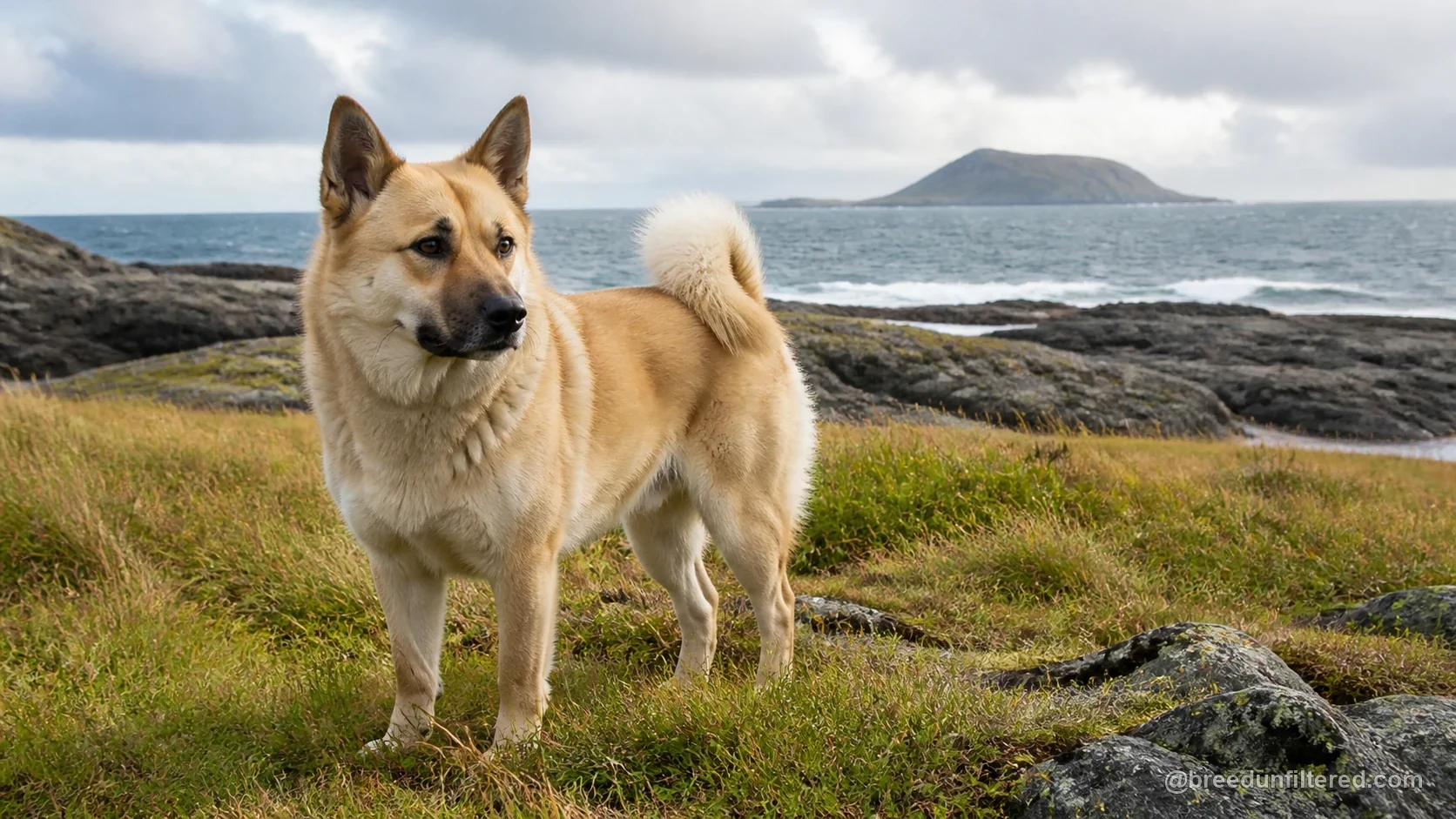
The Norwegian Buhund is a spitz-type herding dog from Norway, historically used for herding sheep and cattle, as well as guarding farms and hunting. With its pointed ears, curled tail, and dense double coat, it presents a classic Nordic appearance. This breed is known for its alertness, intelligence, and strong work ethic, making it a versatile companion for active individuals or families.
Before bringing a Buhund into your home, it's essential to understand that this is a high-energy, vocal, and independent-minded breed. They thrive on mental and physical challenges and are not suited to a sedentary lifestyle. This guide provides an evidence-conscious overview of the breed's characteristics, care requirements, and potential challenges, helping you make an informed decision.
Origin and Purpose
The Norwegian Buhund belongs to the FCI Group 5 (Spitz and primitive types) and is recognized as a definitive breed under standard number 237. Its name 'Buhund' derives from the Norwegian words 'bu' (farm) and 'hund' (dog), reflecting its role as a farm dog. Historically, these dogs were indispensable on Norwegian farms, herding livestock, guarding property, and even hunting. Their versatility and endurance made them valuable in the rugged Scandinavian terrain.
The breed's ancestry is ancient, with archaeological evidence suggesting similar spitz-type dogs existed in Viking times. However, the modern Buhund was standardized in the early 20th century, with the first breed club established in Norway in 1939. Today, while still used for herding in some regions, the Buhund is primarily a companion and performance dog, excelling in dog sports such as agility, obedience, and herding trials.
Temperament and Variation
The Norwegian Buhund is typically described as lively, confident, and alert. They are known for their strong bond with their family and their tendency to be vocal, often barking to alert their owners to anything unusual. This trait, combined with their herding instinct, means they may try to 'herd' children or other pets, which can be managed with training. Individual temperament varies, but the breed generally exhibits a high level of energy and a keen interest in their surroundings.
Buhunds are intelligent and can be somewhat independent, which may manifest as stubbornness if not properly motivated. They are not typically aggressive but can be reserved with strangers, making early socialization important. Their herding background means they are often good with other dogs if raised together, but their prey drive may be triggered by small animals. Understanding these tendencies helps prospective owners prepare for a dog that is both affectionate and spirited.
Exercise and Mental Work
The Norwegian Buhund is a high-energy breed that requires substantial daily exercise to remain physically and mentally healthy. Regular vigorous activities such as running, hiking, or cycling are beneficial, but the breed also excels in canine sports that challenge both body and mind. Without adequate exercise, Buhunds may become restless and develop undesirable behaviors like excessive barking or digging.
Mental stimulation is equally crucial. This breed is intelligent and thrives on problem-solving tasks, such as puzzle toys, obedience training, or herding exercises. Engaging their mind helps prevent boredom and strengthens the bond between dog and owner. Prospective owners should be prepared to dedicate time each day to both physical and mental activities, as a tired Buhund is a content Buhund.
Training and Socialisation
Training a Norwegian Buhund requires patience, consistency, and positive reinforcement methods. They respond well to reward-based training, but their independent nature can make them appear stubborn at times. Early obedience training is essential to establish clear communication and boundaries. Harsh methods are counterproductive and can damage the trust between dog and owner.
Socialisation from a young age is vital to ensure the Buhund grows into a well-adjusted adult. Exposing them to various people, environments, and other animals helps mitigate their natural reserve and prey drive. Puppy classes and controlled interactions with other dogs are recommended. With proper socialisation, Buhunds can learn to coexist peacefully with children and other pets, though supervision is always advised.
Family and Other Pets
Norwegian Buhunds can make excellent family dogs for active households. They are generally affectionate with their family members and enjoy being involved in daily activities. However, their herding instinct may lead them to nip at heels, especially with young children, so training and supervision are necessary. They are not typically a 'couch potato' breed and will appreciate a family that includes them in outdoor adventures.
When it comes to other pets, Buhunds can get along with dogs if properly socialised, but their prey drive may make them a risk to smaller animals like cats or rabbits. Each dog is an individual, and early introduction and consistent training can influence their behavior. Prospective owners with small pets should carefully consider the breed's instinctual tendencies and be prepared to manage them.
Grooming and Health
The Norwegian Buhund has a thick double coat that sheds heavily, especially during seasonal changes. Regular brushing, at least two to three times a week, is necessary to manage loose fur and prevent matting. During shedding seasons, daily brushing may be required. Bathing should be infrequent to preserve natural oils. Additionally, routine nail trimming, ear cleaning, and dental care are part of standard grooming.
As a breed, the Buhund is generally healthy, but like all dogs, they may be prone to certain conditions. Hip dysplasia and eye disorders are among the health concerns that have been reported in the breed. Responsible breeders screen their breeding stock for these issues. Prospective owners should ask for health clearances and be aware of the potential costs of veterinary care. Regular check-ups and a balanced diet contribute to overall well-being.
Costs and Responsibility
Owning a Norwegian Buhund involves financial and time commitments. Initial costs include purchasing from a reputable breeder, which can be significant, as well as supplies like a crate, bedding, and food. Ongoing expenses include high-quality dog food, routine veterinary care, vaccinations, and parasite prevention. Additionally, grooming supplies and potential training classes add to the budget.
Beyond finances, responsible ownership means dedicating time to exercise, training, and companionship. Buhunds are not a breed that can be left alone for long periods; they thrive on interaction and can become destructive if neglected. Prospective owners should assess their lifestyle to ensure they can meet the breed's needs. Adopting from a rescue is also an option, giving a home to a dog in need. Ultimately, a Buhund is a rewarding companion for those prepared for the commitment.
Clear answers
FREQUENTLY ASKED QUESTIONS
Are Norwegian Buhunds good with children?
Norwegian Buhunds can be good with children, especially when raised together and properly socialised. However, their herding instinct may cause them to nip at heels, so supervision and training are essential. They are energetic and may accidentally knock over small children during play. With consistent guidance, they can become loyal and affectionate family members.
How much exercise does a Norwegian Buhund need?
Norwegian Buhunds are high-energy dogs that require substantial daily exercise, typically at least an hour of vigorous activity. This can include running, hiking, or engaging in dog sports. Mental stimulation is equally important to prevent boredom. Without adequate exercise, they may develop behavioral issues like excessive barking or digging.
Are Norwegian Buhunds easy to train?
Norwegian Buhunds are intelligent and can be trained effectively with positive reinforcement methods. However, they have an independent streak that may be mistaken for stubbornness. Consistency and patience are key. Early socialisation and obedience training are recommended to channel their energy and intelligence productively.
Do Norwegian Buhunds shed a lot?
Yes, Norwegian Buhunds have a thick double coat that sheds heavily, particularly during seasonal changes. Regular brushing, at least two to three times a week, is necessary to manage loose fur. During shedding seasons, daily brushing may be required. They are not considered hypoallergenic.
Are Norwegian Buhunds suitable for apartment living?
Norwegian Buhunds can adapt to apartment living if their exercise and mental needs are met, but they are not ideal for small spaces due to their energy and vocal nature. They require ample outdoor activity and may bark, which could disturb neighbors. A house with a yard is often more suitable, but dedicated owners can make apartment life work with sufficient exercise.
Sources and further reading
Scores describe typical breed tendencies from 1 to 10. They are not a quality ranking or a prediction for an individual dog.
Size and presence5/10
CompactVery large
Physical strength5/10
LightExceptional
Energy level9/10
LowRelentless
Exercise demand10/10
ModestVery demanding
Mental work needed8/10
ModerateDaily job
Trainability5/10
ChallengingExceptional
Everyday manageability3/10
SpecialistStraightforward
First-time owner fit3/10
Poor fitGood fit
Family-life fit6/10
LimitedExcellent
Dog sociability6/10
SelectiveVery social
Prey drive8/10
LowVery high
Guarding tendency6/10
MinimalSerious
Independence9/10
Handler-focusedSelf-directed
Grooming demand10/10
LightHeavy
Apartment fit4/10
Poor fitGood fit