Complete breed guide
Greenland Dog OWNERSHIP GUIDE
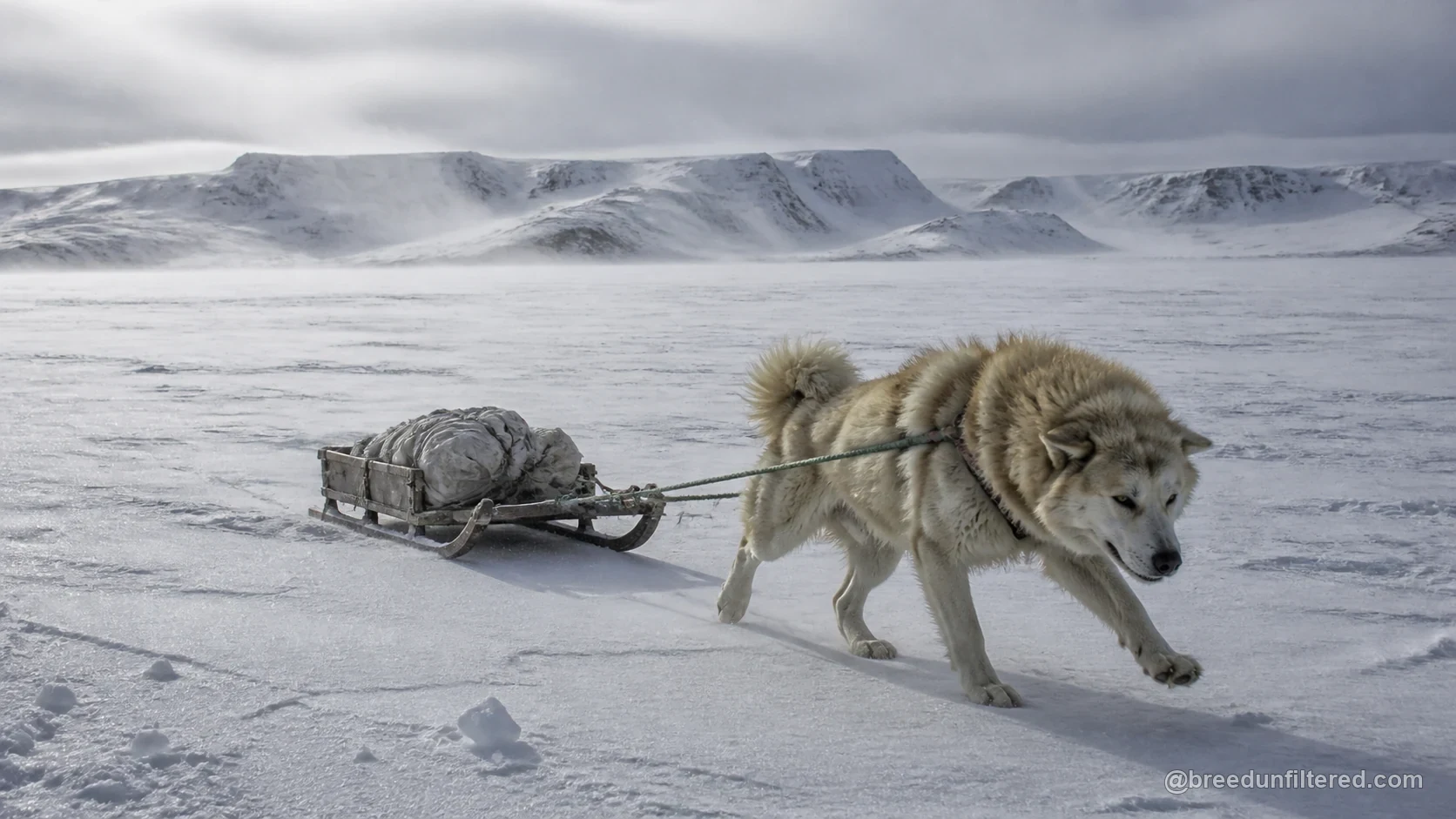
The Greenland Dog, known in its homeland as Grønlandshunden, is one of the world's oldest and purest Arctic sled dog breeds. For centuries, these dogs have been indispensable companions to the Inuit people of Greenland, pulling sleds across vast, frozen landscapes and assisting with hunting. Their history is deeply intertwined with survival in one of the harshest environments on Earth, shaping a breed that is robust, resilient, and remarkably well-adapted to cold climates.
Today, the Greenland Dog remains a working breed at heart, prized for its endurance, strength, and independent spirit. While they are not the typical family pet, they can form deep bonds with their human companions. Prospective owners must understand that this is a dog with immense physical and mental needs, a strong prey drive, and a pack-oriented nature. This guide provides an honest overview of what life with a Greenland Dog truly entails, helping you decide if this magnificent Arctic athlete is the right match for your lifestyle.
Origin and Purpose
The Greenland Dog is a spitz-type breed that originated in Greenland, where it has been used for centuries by the Inuit as a sled dog and hunting companion. Archaeological evidence suggests that dogs resembling the Greenland Dog have existed in the Arctic for over 4,000 years, making it one of the oldest known breeds. The breed's development was driven by the need for a powerful, enduring dog capable of pulling heavy loads over long distances in extreme cold.
Unlike many modern breeds, the Greenland Dog was not bred for appearance or companionship but for function. Their primary roles were hauling sleds and assisting in hunting polar bears and seals. This working heritage is still evident today in their strong prey drive, incredible stamina, and preference for a pack hierarchy. The breed was officially recognized by the FCI in 1967, and while they are still used for sledding in Arctic regions, they are also kept as companions and for recreational mushing in other parts of the world.
Temperament and Variation
Greenland Dogs are known for their friendly, outgoing, and confident temperament, but they are also highly independent and self-reliant. They were bred to make decisions on their own during long sled journeys, which translates into a dog that may not always look to its owner for guidance. This independence can be both a charm and a challenge, as they are not typically eager to please in the way a Labrador might be.
There is variation among individuals, but as a breed, Greenland Dogs tend to be alert, intelligent, and sometimes stubborn. They are generally not aggressive toward humans, but they can be reserved with strangers. Their pack-oriented nature means they thrive in a social environment, whether with other dogs or their human family. However, their strong prey drive means they may not be trustworthy with small animals, and their instinct to roam can be strong if not properly managed.
Exercise and Mental Work
The Greenland Dog is a high-energy breed that requires substantial daily exercise to stay physically and mentally healthy. This is not a dog that will be satisfied with a short walk around the block. They are built for endurance and need opportunities to run, pull, and explore. Activities like jogging, hiking, and especially sledding or carting are ideal outlets for their energy.
Mental stimulation is equally important. These intelligent dogs need challenges to keep their minds engaged, such as puzzle toys, obedience training, or scent work. Without adequate physical and mental outlets, Greenland Dogs can become bored and develop destructive behaviors like digging, chewing, or howling. Prospective owners should be prepared to dedicate a significant amount of time each day to meeting this breed's exercise and enrichment needs.
Training and Socialisation
Training a Greenland Dog requires patience, consistency, and a good understanding of their independent nature. They respond best to positive reinforcement methods that use rewards like treats, praise, or play. Harsh training techniques are counterproductive and can damage the trust between dog and owner. Because they are intelligent and sometimes stubborn, training sessions should be varied and interesting to hold their attention.
Early and ongoing socialisation is crucial for Greenland Dogs. Exposing them to a wide range of people, animals, and environments from a young age helps them become well-adjusted adults. They are naturally wary of strangers, so socialisation can help reduce fearfulness and promote a more confident demeanor. However, even with socialisation, they may retain a certain aloofness with unfamiliar people, which is part of their breed character.
Family and Pets
Greenland Dogs can be loyal and affectionate family members, especially with children they are raised with. They are generally playful and tolerant, but due to their size and strength, supervision is recommended when they are around very young children. Their herding or chasing instincts might cause them to knock over small kids accidentally, so teaching both dog and child appropriate interaction is essential.
When it comes to other pets, the Greenland Dog's high prey drive can be a concern. They may view small animals like cats, rabbits, or even small dogs as prey. They generally get along well with other dogs, especially if they are raised together, as they are pack-oriented. However, introductions should be managed carefully, and it's important to recognize that individual temperament varies. A secure fence is a must to prevent them from chasing after wildlife or small animals.
Grooming and Health
The Greenland Dog has a thick double coat that protects them from extreme cold. They shed heavily, especially during seasonal changes, and require regular brushing to remove loose fur and prevent matting. During shedding season, daily brushing may be necessary. They are generally clean dogs with little odor, and bathing should be infrequent to avoid stripping natural oils from their coat.
As a breed, Greenland Dogs are generally healthy, but like all dogs, they can be prone to certain conditions. Hip dysplasia and other joint issues can occur, and some lines may have a higher incidence of eye problems. Responsible breeders screen their dogs for these conditions. Their lifespan is typically around 10 to 14 years. Regular veterinary check-ups, a balanced diet, and proper exercise are key to maintaining their health.
Costs and Responsibility
Owning a Greenland Dog is a significant financial and time commitment. The initial cost of a puppy from a reputable breeder can be high, and ongoing expenses include quality food, veterinary care, grooming supplies, and equipment like a harness and pulling rig if you plan to engage in mushing. Additionally, their exercise needs may require investments in secure fencing or memberships to dog sports facilities.
Beyond finances, the responsibility of providing adequate exercise, mental stimulation, and socialisation is immense. This breed is not suitable for a sedentary lifestyle or a first-time dog owner. They thrive in homes with experience in handling independent, high-energy breeds. Prospective owners should honestly assess their ability to meet these needs for the dog's entire life, which can be over a decade. If you can provide the right environment, the Greenland Dog can be a rewarding and fascinating companion.
Clear answers
FREQUENTLY ASKED QUESTIONS
Are Greenland Dogs good family pets?
Greenland Dogs can be good family pets for experienced owners who understand their needs. They are generally affectionate with their family, including children, but their size and energy require supervision around young kids. They are not typically aggressive, but their independent nature and high prey drive mean they need a firm, consistent hand and plenty of exercise to be well-adjusted family members.
How much exercise does a Greenland Dog need?
Greenland Dogs need a substantial amount of daily exercise—at least one to two hours of vigorous activity, though this can vary by individual. They are bred for endurance and enjoy running, hiking, and pulling. Without sufficient exercise, they can become bored and destructive. Mental stimulation is also crucial to keep their intelligent minds engaged.
Are Greenland Dogs easy to train?
Greenland Dogs are intelligent but independent, which can make training a challenge. They are not as eager to please as some other breeds and may be stubborn. Positive reinforcement methods work best, and training should be consistent and varied. Early socialisation and obedience training are essential to manage their strong will and prey drive.
Do Greenland Dogs get along with other dogs?
Generally, Greenland Dogs get along well with other dogs, especially if they are raised together. They are pack animals and enjoy the company of their own kind. However, introductions should be gradual, and supervision is recommended, especially with unfamiliar dogs. Their prey drive may make them unsuitable for homes with small pets like cats or rabbits.
What are the grooming requirements for a Greenland Dog?
Greenland Dogs have a thick double coat that sheds heavily, particularly during seasonal changes. They require regular brushing, at least two to three times a week, and daily during shedding season. They are relatively clean dogs and need infrequent baths. Their nails should be trimmed regularly, and their ears checked for debris.
Sources and further reading
Scores describe typical breed tendencies from 1 to 10. They are not a quality ranking or a prediction for an individual dog.
Size and presence5/10
CompactVery large
Physical strength6/10
LightExceptional
Energy level9/10
LowRelentless
Exercise demand10/10
ModestVery demanding
Mental work needed8/10
ModerateDaily job
Trainability6/10
ChallengingExceptional
Everyday manageability2/10
SpecialistStraightforward
First-time owner fit3/10
Poor fitGood fit
Family-life fit6/10
LimitedExcellent
Dog sociability6/10
SelectiveVery social
Prey drive10/10
LowVery high
Guarding tendency6/10
MinimalSerious
Independence9/10
Handler-focusedSelf-directed
Grooming demand10/10
LightHeavy
Apartment fit4/10
Poor fitGood fit