Complete breed guide
Norrbottenspitz OWNERSHIP GUIDE
The Norrbottenspitz, also known as the Norrbottenspets, is a small to medium-sized spitz breed originating from the northern regions of Sweden and Finland. Historically used as a hunting dog for small game like squirrels and birds, this breed is prized for its keen senses, agility, and vocal communication with hunters. Today, it remains a versatile companion, equally at home in the field or as a family pet, though its rarity outside Scandinavia means prospective owners should be prepared for a long waitlist and a dog with a strong hunting heritage.
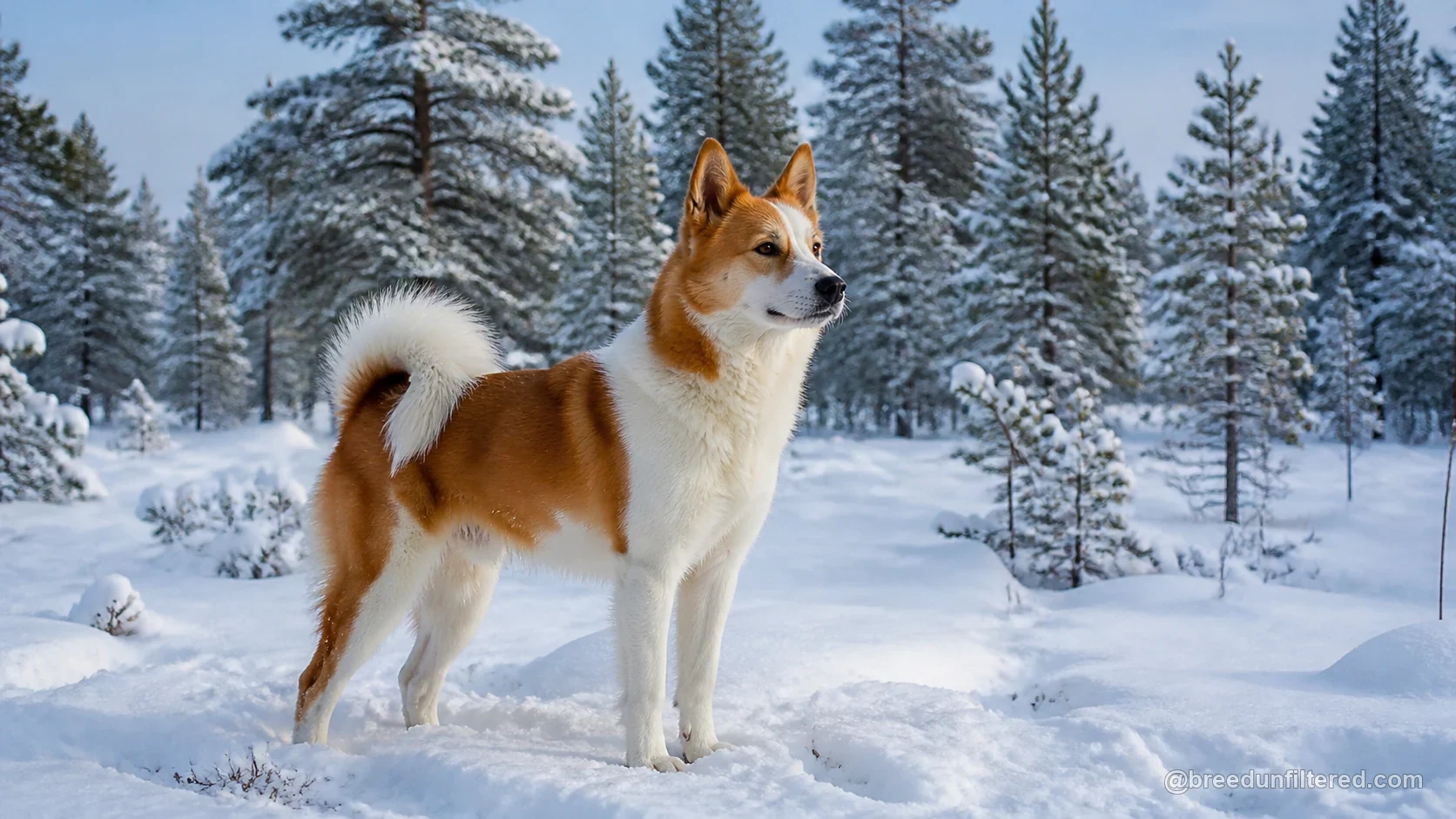
This breed is characterized by its square, sturdy build, erect ears, and a curled tail carried over the back. Its double coat is weather-resistant, typically white with patches of brown or yellow. Norrbottenspitz are known for their intelligence, alertness, and affectionate bond with their families. They are energetic and require ample exercise and mental stimulation to thrive. While they can be reserved with strangers, they are not typically aggressive. Understanding their needs is crucial for a harmonious relationship, as they are not a breed for a sedentary lifestyle.
Origin and Purpose
The Norrbottenspitz is an ancient Nordic spitz breed, with roots tracing back to the dogs of the Vikings and the indigenous Sami people. The breed was developed in the Norrbotten region of Sweden and Finland, where it was used for hunting small game such as squirrels, grouse, and other birds. Its ability to locate and bark at prey, keeping it at bay until the hunter arrived, made it an invaluable asset in the dense forests of the north.
By the mid-20th century, the breed had nearly disappeared, but dedicated enthusiasts revived it in the 1960s. The FCI recognized the Norrbottenspitz definitively in 1966 under standard number 276, placing it in Group 5 (Spitz and primitive types). Today, it remains a rare breed, with most populations in Scandinavia. Its hunting instinct is still strong, and many are used for hunting, but they also excel in dog sports and as companion animals.
Temperament and Variation
The Norrbottenspitz is known for its lively, intelligent, and affectionate temperament. It forms strong bonds with its family and is often described as a 'one-family' dog, though it can be social with everyone if properly introduced. It is alert and vocal, making it a good watchdog, but it is not typically aggressive. Individual variation exists, with some dogs being more independent and others more clingy, but the breed standard emphasizes a friendly and even-tempered disposition.
As a hunting breed, the Norrbottenspitz has a high prey drive and may chase small animals. It is also known for its 'bark point' behavior, where it barks to signal the presence of game. This vocal tendency can be managed with training, but it is an inherent trait. The breed is generally good with children and other dogs, especially when raised together, but early socialisation is essential to ensure a well-rounded adult.
Exercise and Mental Work
The Norrbottenspitz is an energetic breed that requires regular physical exercise to stay healthy and happy. A daily walk or jog, combined with off-leash time in a secure area, is often recommended. However, exercise needs can vary with age and individual health. As a hunting dog, it thrives on activities that engage its natural instincts, such as scent games, tracking, or agility. Without adequate exercise, it may become restless and develop behavioral issues.
Mental stimulation is equally important for this intelligent breed. Puzzle toys, obedience training, and interactive games can help keep its mind sharp. The Norrbottenspitz is known for its problem-solving abilities and enjoys tasks that challenge it. Owners should be prepared to provide both physical and mental outlets to prevent boredom, which can lead to excessive barking or destructive chewing.
Training and Socialisation
Training a Norrbottenspitz can be a rewarding experience due to its intelligence and eagerness to please. However, it can also be stubborn and independent, so consistent, positive reinforcement methods work best. Harsh corrections are counterproductive and can damage the trust between dog and owner. Early training should focus on basic obedience and impulse control, especially given the breed's prey drive.
Socialisation is crucial from a young age. Exposing the puppy to various people, animals, environments, and sounds helps prevent shyness or over-reactivity. The Norrbottenspitz is naturally alert and may be wary of strangers, but with proper socialisation, it can learn to be accepting. Enrolling in puppy classes and arranging playdates with other dogs can be beneficial. This breed responds well to clicker training and other reward-based techniques.
Family and Other Pets
The Norrbottenspitz can make a wonderful family dog for active households. It is affectionate with its family members and often forms a particularly strong bond with one person. It is generally patient and playful with children, but as with any dog, interactions should be supervised, especially with younger kids who may not understand how to behave around a dog. The breed's small to medium size makes it manageable in most homes.
When it comes to other pets, the Norrbottenspitz's hunting instincts can be a challenge. It may view small animals like rabbits, guinea pigs, or cats as prey, especially if not raised with them. However, with early and consistent socialisation, some individuals can live peacefully with cats and other dogs. It is essential to introduce new pets gradually and under controlled circumstances. The breed tends to do best in homes where it is the only pet or with other dogs of similar size.
Grooming and Health
The Norrbottenspitz has a double coat that sheds moderately year-round and more heavily during seasonal changes. Regular brushing, at least once or twice a week, helps remove loose fur and keep the coat healthy. During shedding seasons, daily brushing may be necessary. The breed is generally clean and does not have a strong doggy odor, so baths are only needed occasionally. Routine care includes nail trimming, ear cleaning, and dental hygiene.
As a breed, the Norrbottenspitz is considered relatively healthy, with a lifespan of around 12-15 years. However, like all breeds, it can be prone to certain conditions, including hip dysplasia, patellar luxation, and eye disorders. Responsible breeders screen their breeding stock for these issues. Prospective owners should ask for health clearances and be aware of the breed's potential health concerns. Regular veterinary check-ups and a balanced diet are essential for maintaining overall health.
Costs and Responsibility
Owning a Norrbottenspitz is a long-term commitment that involves financial and time investments. The initial cost of a puppy from a reputable breeder can be significant, and because the breed is rare, there may be a waiting list. Additionally, costs for food, veterinary care, grooming supplies, and training classes add up over the dog's lifetime. It is important to budget for unexpected medical expenses, which can be substantial.
Beyond finances, responsible ownership means providing proper training, socialisation, exercise, and mental stimulation. The Norrbottenspitz is not a breed for a first-time owner who is unprepared for its energy and intelligence. It thrives in an environment where it can be part of family activities and have a job to do. Prospective owners should research the breed thoroughly, talk to breeders and owners, and consider their lifestyle to ensure they can meet the dog's needs. Adopting from a rescue is also an option, though rare.
Clear answers
FREQUENTLY ASKED QUESTIONS
Is the Norrbottenspitz a good family dog?
The Norrbottenspitz can be a good family dog for active households. It is affectionate and playful with children, especially when raised with them. However, its high energy and prey drive require supervision around small pets. Early socialisation and training are essential to ensure it interacts well with kids and other animals.
How much exercise does a Norrbottenspitz need?
The Norrbottenspitz is an energetic breed that needs at least an hour of exercise daily, but this can vary with age and health. Activities like walking, jogging, or off-leash play in a secure area are beneficial. Mental stimulation through puzzle toys and training is equally important to prevent boredom.
Are Norrbottenspitz easy to train?
Norrbottenspitz are intelligent and eager to please, making them trainable with positive reinforcement methods. However, they can be independent and stubborn at times. Consistency and patience are key. Early socialisation and obedience training are recommended to manage their prey drive and vocal tendencies.
Do Norrbottenspitz bark a lot?
Yes, the Norrbottenspitz is a vocal breed, as it was bred to bark when hunting. It will alert you to strangers or unusual sounds. With training, you can manage excessive barking, but it is an inherent trait. Providing enough exercise and mental stimulation can help reduce nuisance barking.
Are Norrbottenspitz rare?
Yes, the Norrbottenspitz is a rare breed, especially outside Scandinavia. There are few breeders, and waitlists can be long. If you are interested in this breed, be prepared to travel and wait. Consider contacting breed clubs or rescue organizations for more information.
Sources and further reading
Scores describe typical breed tendencies from 1 to 10. They are not a quality ranking or a prediction for an individual dog.
Size and presence5/10
CompactVery large
Physical strength5/10
LightExceptional
Energy level8/10
LowRelentless
Exercise demand8/10
ModestVery demanding
Mental work needed8/10
ModerateDaily job
Trainability6/10
ChallengingExceptional
Everyday manageability3/10
SpecialistStraightforward
First-time owner fit3/10
Poor fitGood fit
Family-life fit6/10
LimitedExcellent
Dog sociability6/10
SelectiveVery social
Prey drive10/10
LowVery high
Guarding tendency7/10
MinimalSerious
Independence9/10
Handler-focusedSelf-directed
Grooming demand10/10
LightHeavy
Apartment fit4/10
Poor fitGood fit