Complete breed guide
Icelandic Sheepdog OWNERSHIP GUIDE
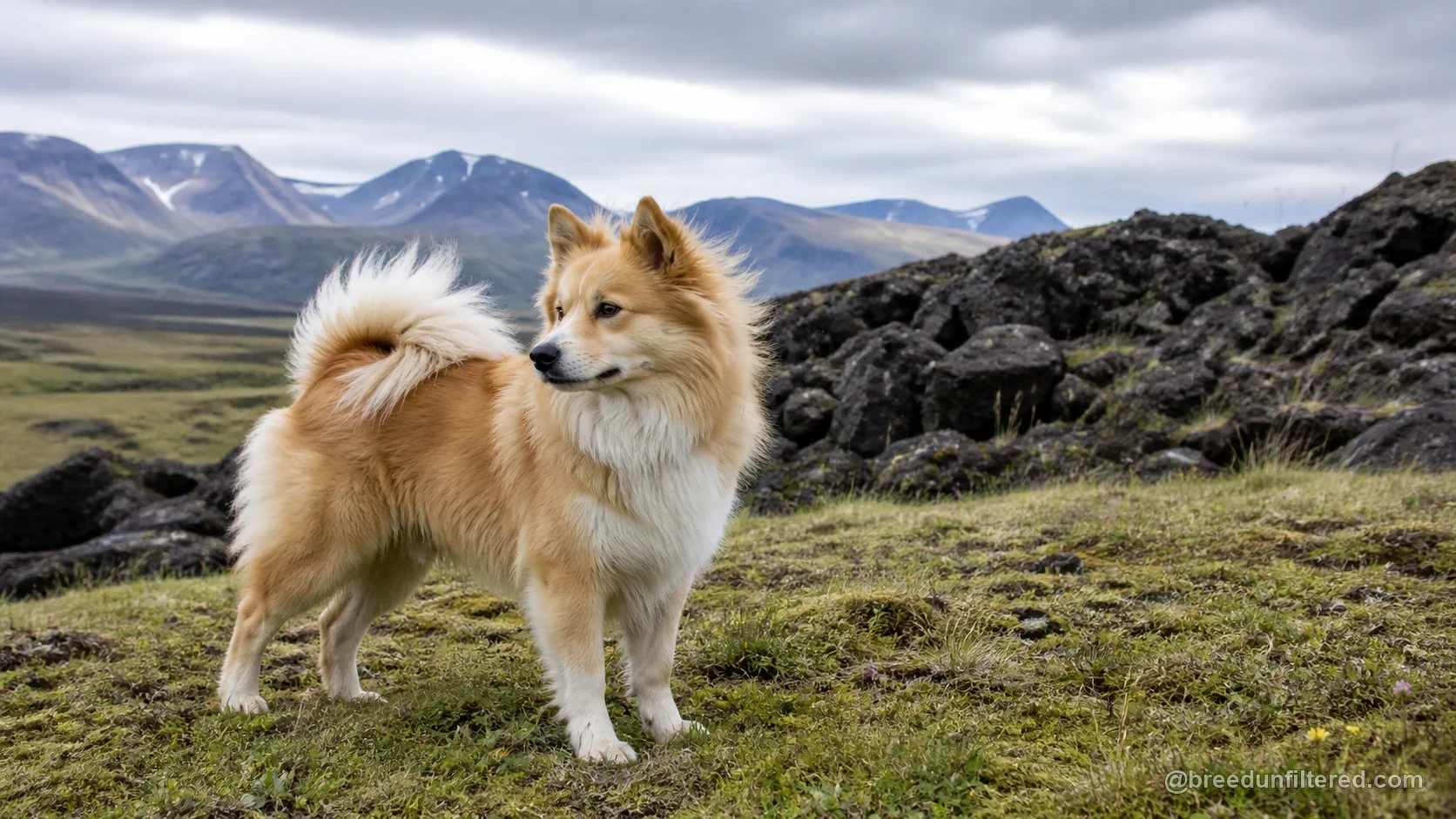
The Icelandic Sheepdog, known as Íslenskur fjárhundur in its native land, is a hardy and cheerful herding breed that has accompanied settlers and farmers in Iceland for over a thousand years. As the only native dog breed in Iceland, it has adapted to the rugged terrain and harsh climate of the North Atlantic island, developing a thick double coat and a resilient, agile body. This medium-sized spitz-type dog is characterized by its alert expression, curled tail, and a friendly, outgoing demeanor that makes it a beloved companion as well as a capable working dog.
For prospective owners, the Icelandic Sheepdog offers a unique blend of intelligence, loyalty, and playful energy. However, this breed is not for everyone. It thrives on human companionship and can become anxious or bored if left alone for long periods. Its herding instincts may manifest in chasing behaviors, and its vocal nature can be a challenge in close quarters. Understanding the breed's history, temperament, and care requirements is essential before welcoming one into your home. This article provides a comprehensive overview to help you decide if the Icelandic Sheepdog is the right fit for your lifestyle.
Origin and Purpose
The Icelandic Sheepdog's ancestors were brought to Iceland by Viking settlers in the 9th century. These dogs were essential to the survival of the settlers, herding sheep and horses, guarding livestock, and protecting farms from predators. Over centuries, the breed developed in isolation, adapting to the island's volcanic landscapes, glaciers, and unpredictable weather. The breed nearly faced extinction in the 20th century due to crossbreeding and disease, but dedicated breeders worked to revive it, and today it remains a rare but cherished breed worldwide.
The breed's primary purpose has always been herding. Icelandic Sheepdogs are known for their ability to work independently, using their bark to control livestock and alert farmers to danger. They are versatile workers, capable of herding both sheep and horses, and they excel in tasks that require agility and quick thinking. While they are still used as working dogs in Iceland, many now serve as companion animals, bringing their herding instincts and affectionate nature into homes across the globe.
Temperament and Variation
The Icelandic Sheepdog is renowned for its friendly, cheerful, and inquisitive disposition. It is a social breed that forms strong bonds with its family and is generally welcoming to strangers, making it a poor guard dog but an excellent companion. This breed is known for its 'happy bark' – it barks to communicate, whether to alert its owner to visitors, express excitement, or during play. While this vocal tendency can be managed with training, it is a defining trait that prospective owners should be prepared for.
Individual temperament can vary based on genetics, socialization, and environment. Some Icelandic Sheepdogs may be more reserved or independent, while others are exceptionally outgoing. They are intelligent and eager to please, but they also possess a stubborn streak that requires patient, consistent training. Early socialization is crucial to ensure they grow into well-adjusted adults, comfortable with various people, animals, and situations. Understanding that each dog is unique will help you appreciate the breed's charming personality while being prepared for potential challenges.
Exercise and Mental Work
As a herding breed, the Icelandic Sheepdog has moderate to high energy levels and requires regular physical activity to stay healthy and happy. Daily walks, play sessions, and opportunities to run in a securely fenced area are essential. However, exercise alone is not enough; this intelligent breed also needs mental stimulation to prevent boredom and destructive behaviors. Puzzle toys, obedience training, and activities like agility or herding trials can provide the mental challenges that satisfy their instinctual needs.
It's important to tailor exercise to the individual dog's age, health, and temperament. Puppies and young dogs may have bursts of energy, while older dogs may prefer shorter, gentler activities. The Icelandic Sheepdog is adaptable and can thrive in various living situations, including apartments, provided they receive adequate exercise and mental engagement. However, they are not suited to being left alone for long hours; they crave human interaction and may develop separation anxiety if neglected. A balanced routine of physical and mental stimulation is key to a well-adjusted Icelandic Sheepdog.
Training and Socialisation
Training an Icelandic Sheepdog can be a rewarding experience due to their intelligence and eagerness to learn. They respond well to positive reinforcement techniques, such as treats, praise, and play. Harsh methods can damage their trust and lead to stubbornness. Consistency and patience are vital, as this breed can be independent thinkers. Early training should focus on basic obedience, leash manners, and impulse control, particularly to manage their herding instincts and tendency to chase moving objects.
Socialisation is equally important. Exposing the Icelandic Sheepdog to a variety of people, animals, environments, and sounds from a young age helps them develop into confident, well-mannered adults. Puppy classes and regular outings can facilitate this process. Because they are naturally friendly, they generally get along well with other dogs and children, but supervision is always recommended, especially with young children who may be seen as 'livestock' to herd. With proper socialisation, the Icelandic Sheepdog can be a wonderful addition to a family, bringing joy and companionship to all.
Family and Other Pets
The Icelandic Sheepdog is a devoted family companion that thrives on being involved in daily activities. They are gentle and playful with children, often forming strong bonds with them. However, their herding instinct may lead them to nip at heels or try to round up small children, which can be managed through training and supervision. They are generally good with other dogs, especially if raised together, and can coexist with cats and other animals if introduced properly. Their friendly nature makes them poor guard dogs, but they will alert you to visitors with their bark.
When considering adding an Icelandic Sheepdog to a household with existing pets, gradual introductions and positive reinforcement are key. They are pack-oriented and enjoy the company of other dogs, but their herding drive may cause them to chase smaller animals. Early socialisation and training can help mitigate these tendencies. It's also important to provide each pet with their own space and resources to prevent jealousy. With careful management, the Icelandic Sheepdog can live harmoniously with a variety of pets, enriching the home environment with their affectionate and lively presence.
Grooming and Health
The Icelandic Sheepdog has a thick, double coat that requires regular grooming to keep it healthy and free of mats. They shed moderately throughout the year and heavily during seasonal changes, often referred to as 'blowing coat.' Brushing two to three times a week is recommended, with daily brushing during heavy shedding periods. Regular nail trimming, ear cleaning, and dental care are also essential parts of their grooming routine. Bathing should be done as needed, using a mild dog shampoo to preserve the coat's natural oils.
As a breed, the Icelandic Sheepdog is generally healthy, but like all breeds, they may be predisposed to certain conditions. Hip dysplasia, patellar luxation, and eye disorders such as cataracts are among the health concerns that have been reported. Responsible breeders screen their breeding dogs for these issues. Regular veterinary check-ups, a balanced diet, and appropriate exercise can help maintain their overall well-being. It's crucial to obtain a puppy from a reputable breeder who prioritizes health testing and provides a health guarantee. Being aware of potential health issues allows owners to take proactive steps in caring for their Icelandic Sheepdog.
Costs and Responsibility
Owning an Icelandic Sheepdog is a long-term commitment that involves financial and time investments. The initial cost of purchasing a puppy from a reputable breeder can be significant, often ranging from $1,500 to $3,000 or more, depending on location and bloodline. Additionally, you'll need to budget for essentials such as food, grooming supplies, a crate, bedding, and toys. Ongoing expenses include high-quality dog food, routine veterinary care, vaccinations, flea and tick prevention, and pet insurance. Emergency medical costs can be substantial, so planning ahead is wise.
Beyond finances, responsible ownership requires dedicating time to training, exercise, and companionship. The Icelandic Sheepdog is a social breed that does not do well when left alone for long periods. They need mental stimulation and physical activity to prevent boredom and behavioral issues. Prospective owners should assess their lifestyle to ensure they can meet these needs. Additionally, this breed is rare, so finding a reputable breeder may involve a waiting list. Adoption from rescue organizations is another option. Ultimately, bringing an Icelandic Sheepdog into your life is a rewarding experience that demands commitment, patience, and love.
Clear answers
FREQUENTLY ASKED QUESTIONS
Is the Icelandic Sheepdog good with children?
Yes, Icelandic Sheepdogs are generally good with children, as they are friendly, gentle, and playful. They often form strong bonds with kids and enjoy being part of family activities. However, their herding instinct may lead them to nip at heels or try to round up small children, so supervision and training are important. Teaching children how to interact respectfully with the dog and providing proper socialization can ensure a harmonious relationship.
How much exercise does an Icelandic Sheepdog need?
Icelandic Sheepdogs have moderate to high energy levels and require daily exercise to stay healthy and happy. This includes walks, playtime, and opportunities to run in a secure area. They also need mental stimulation, such as puzzle toys or training sessions, to prevent boredom. The exact amount varies by age and individual, but a general guideline is at least 30 to 60 minutes of activity per day, plus mental challenges.
Are Icelandic Sheepdogs easy to train?
Icelandic Sheepdogs are intelligent and eager to please, making them generally trainable. They respond well to positive reinforcement methods like treats and praise. However, they can be independent and stubborn at times, so consistency and patience are key. Early socialization and obedience training are recommended to channel their herding instincts and ensure they become well-mannered adults.
Do Icelandic Sheepdogs bark a lot?
Yes, Icelandic Sheepdogs are known for their vocal nature. They use barking to communicate, whether to alert their owners, express excitement, or during play. This trait is rooted in their herding heritage, where barking was used to control livestock. While training can help manage excessive barking, it is a natural behavior that prospective owners should be prepared for.
What is the lifespan of an Icelandic Sheepdog?
The average lifespan of an Icelandic Sheepdog is around 12 to 15 years, which is typical for a breed of its size. With proper care, a balanced diet, regular exercise, and routine veterinary check-ups, they can live long, healthy lives. Responsible breeding practices and health screening can also contribute to a longer lifespan by reducing the risk of inherited conditions.
Sources and further reading
Scores describe typical breed tendencies from 1 to 10. They are not a quality ranking or a prediction for an individual dog.
Size and presence5/10
CompactVery large
Physical strength5/10
LightExceptional
Energy level8/10
LowRelentless
Exercise demand8/10
ModestVery demanding
Mental work needed8/10
ModerateDaily job
Trainability5/10
ChallengingExceptional
Everyday manageability3/10
SpecialistStraightforward
First-time owner fit3/10
Poor fitGood fit
Family-life fit6/10
LimitedExcellent
Dog sociability7/10
SelectiveVery social
Prey drive8/10
LowVery high
Guarding tendency6/10
MinimalSerious
Independence10/10
Handler-focusedSelf-directed
Grooming demand10/10
LightHeavy
Apartment fit4/10
Poor fitGood fit