Complete breed guide
Norfolk Terrier OWNERSHIP GUIDE
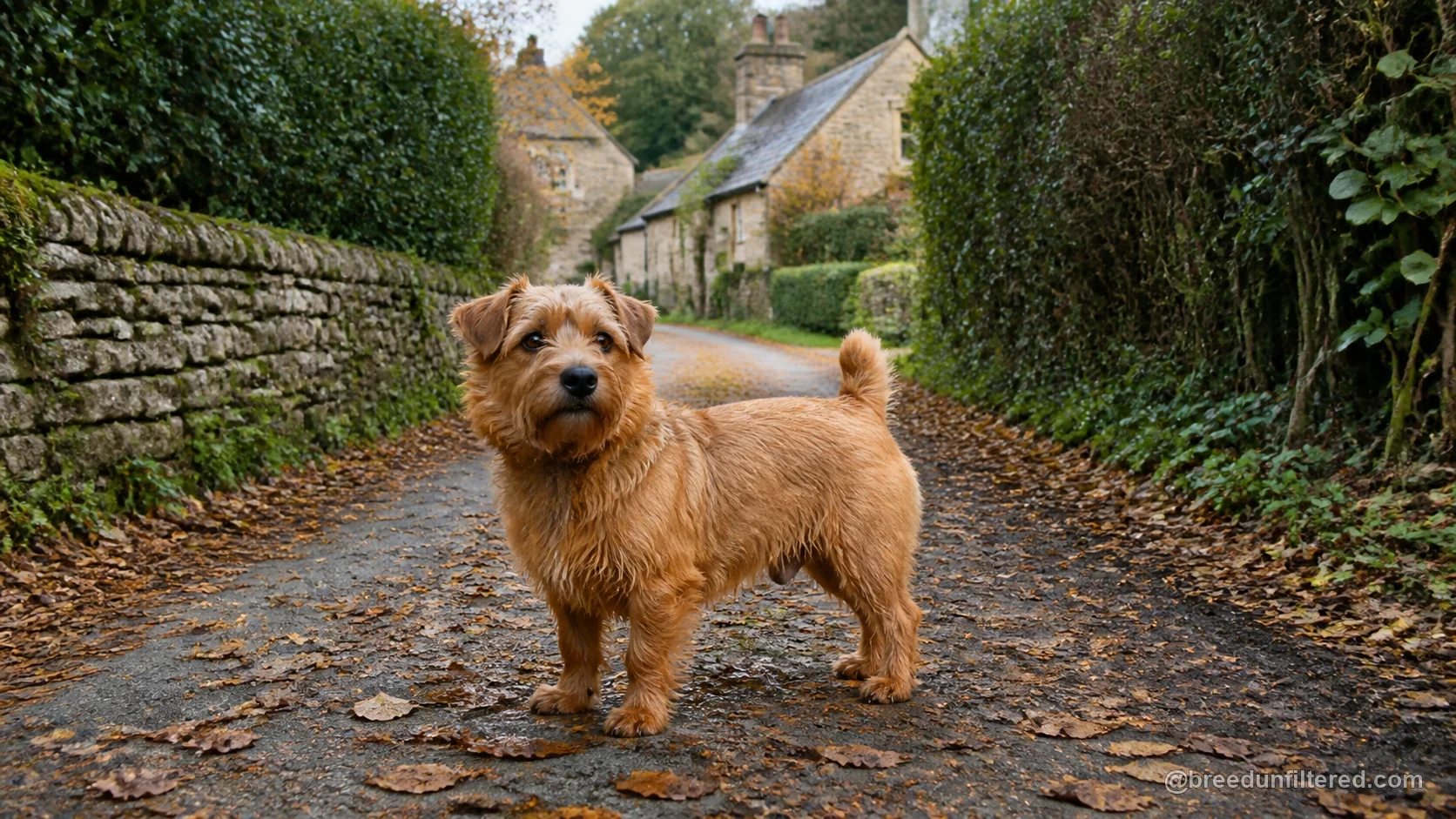
The Norfolk Terrier is a small, sturdy dog with a big personality, originally bred in England to hunt rats and foxes. Despite its compact size, it is a working terrier at heart, known for its fearless and determined nature. Prospective owners should understand that this breed combines the charm of a companion with the independence of a hunter, making it a delightful yet challenging pet for the right household.
This article provides an evidence-conscious overview of the Norfolk Terrier, drawing on official breed standards and recognized kennel club resources. We'll explore the breed's origin, temperament, exercise needs, training, grooming, and health considerations, helping you make an informed decision. Remember, every dog is an individual, and while breed tendencies exist, your experience may vary.
Origin and Purpose
The Norfolk Terrier originated in the county of Norfolk, England, in the late 19th century. It was developed by breeders who wanted a small, agile terrier capable of going to ground after foxes and other vermin. The breed shares its early history with the Norwich Terrier; they were once considered the same breed, distinguished only by ear type—prick ears for Norwich and drop ears for Norfolk. In 1964, the Kennel Club (UK) recognized them as separate breeds, and the FCI followed with the current standard (FCI 272).
The Norfolk Terrier was bred to work independently, making decisions in the field without constant human direction. This purpose shaped its temperament: confident, alert, and sometimes stubborn. Today, while most Norfolk Terriers are companions, they retain the instincts of a hunter. Understanding this heritage is crucial for owners, as it explains the breed's prey drive, digging behavior, and occasional tendency to chase small animals.
Temperament and Variation
The Norfolk Terrier is often described as a 'big dog in a small package.' It is typically fearless, affectionate, and full of self-importance. The breed standard from the FCI notes that the Norfolk Terrier is 'one of the smallest working terriers' and 'possesses a hard, fighting spirit.' However, individual temperaments can vary widely based on genetics, socialization, and training. Some Norfolk Terriers are outgoing and sociable, while others may be more reserved or independent.
It's important to avoid universal claims about temperament. While many Norfolk Terriers are good with children and other dogs when raised together, they may not tolerate rough handling or unfamiliar animals. Their terrier nature can lead to assertiveness, and they may not back down from a challenge. Prospective owners should meet the parents of a puppy if possible and work with reputable breeders who prioritize stable temperaments.
Exercise and Mental Work
Despite their small size, Norfolk Terriers are energetic and require regular exercise to stay healthy and happy. They enjoy daily walks, play sessions, and opportunities to explore safely. However, they are not high-energy dogs in the same way as some sporting breeds; a moderate amount of exercise, such as a 30-minute walk plus playtime, is often sufficient. The key is consistency and mental stimulation, as a bored Norfolk Terrier may resort to digging or barking.
Mental work is equally important. This breed is intelligent and enjoys problem-solving, so puzzle toys, scent games, and training sessions can help channel their energy constructively. Because they were bred to work, they thrive when given a 'job' to do, even if it's just learning new tricks or participating in dog sports like earthdog trials. Without adequate mental engagement, they may become destructive or develop excessive barking.
Training and Socialisation
Training a Norfolk Terrier requires patience and a sense of humor. They are intelligent but can be independent and stubborn, so traditional obedience methods may not always work. Positive reinforcement techniques, such as treats and praise, are generally most effective. Consistency is crucial, as is starting training early. Crate training and housebreaking are usually manageable, but owners should be prepared for occasional lapses, especially if the dog is not given enough opportunities to relieve itself.
Socialisation is vital from a young age. Exposing a Norfolk Terrier to various people, animals, and environments helps reduce fearfulness and aggression. However, their terrier instincts may lead to chasing small animals, so off-leash reliability is often challenging. Many owners find that a securely fenced yard is essential, as the breed's prey drive can override recall. Professional training classes can be beneficial, especially for first-time owners.
Family and Other Pets
Norfolk Terriers can make wonderful family pets for households that understand their needs. They are often affectionate with their family members and can be playful companions for older children who know how to interact gently with dogs. However, due to their small size and terrier tenacity, they may not be suitable for very young children who might accidentally hurt them or provoke a defensive reaction. Supervision is always recommended.
When it comes to other pets, Norfolk Terriers may get along with other dogs, especially if raised together, but they can be assertive and may not tolerate dominant or aggressive dogs. Their prey drive makes them a risk to small animals like rabbits, guinea pigs, or cats, although some individuals can live peacefully with cats if introduced early. It's essential to assess each situation individually and never leave a Norfolk Terrier unsupervised with small pets.
Grooming and Health
The Norfolk Terrier has a wiry, double coat that requires regular grooming. Weekly brushing is usually sufficient to remove loose hair and prevent mats, but hand-stripping or professional grooming may be needed a few times a year to maintain the coat's texture. They are considered a low-shedding breed, which can be appealing to some owners, but they are not hypoallergenic. Regular nail trimming, ear cleaning, and dental care are also part of routine maintenance.
As with all breeds, Norfolk Terriers are prone to certain health conditions, though not every dog will be affected. Some issues reported in the breed include patellar luxation, hip dysplasia, and eye disorders such as cataracts. Responsible breeders screen their breeding stock for these conditions. Prospective owners should ask about health clearances and be prepared for potential veterinary costs. Regular check-ups and a healthy diet can help mitigate some risks, but no breed is immune to health problems.
Costs and Responsibility
Owning a Norfolk Terrier involves financial and time commitments. The initial cost of a puppy from a reputable breeder can vary, and ongoing expenses include food, veterinary care, grooming, and supplies. Pet insurance is often recommended to help cover unexpected medical costs. Additionally, owners must invest time in daily exercise, training, and companionship. This breed thrives on human interaction and may not do well if left alone for long periods.
Responsible ownership also means understanding the breed's instincts and providing a safe environment. This includes secure fencing, supervision around small animals, and mental stimulation. Prospective owners should research local regulations regarding dog ownership and consider their lifestyle. A Norfolk Terrier can live 12 to 15 years, so it's a long-term commitment. By being prepared, you can ensure a rewarding relationship with this spirited and loyal companion.
Clear answers
FREQUENTLY ASKED QUESTIONS
Are Norfolk Terriers good with children?
Norfolk Terriers can be good with children, especially if they are raised together and the children are taught to interact respectfully. However, due to their small size and terrier temperament, they may not tolerate rough handling. Supervision is essential, and it's important to teach children how to approach and play with the dog gently. Each dog's temperament varies, so early socialization and positive experiences are key.
How much exercise does a Norfolk Terrier need?
Norfolk Terriers are energetic but not hyperactive. They typically need a moderate amount of exercise, such as a daily walk of about 30 minutes plus playtime in a secure area. Mental stimulation is equally important; puzzle toys and training sessions can help burn off energy. Without enough exercise and mental work, they may become bored and develop behaviors like digging or excessive barking.
Are Norfolk Terriers easy to train?
Norfolk Terriers are intelligent but can be independent and stubborn, which can make training a challenge. They respond best to positive reinforcement methods, such as treats and praise, and consistent, patient training. Early socialization and puppy classes are recommended. They may excel in activities like earthdog trials, which tap into their natural instincts. Harsh training methods are counterproductive.
Do Norfolk Terriers shed a lot?
Norfolk Terriers have a wiry double coat that sheds minimally, but they do require regular grooming to keep the coat healthy. Weekly brushing is usually sufficient, and hand-stripping or professional grooming may be needed a few times a year. They are not hypoallergenic, but their low-shedding coat may be more tolerable for some allergy sufferers. Regular grooming also helps reduce loose hair.
What health issues are common in Norfolk Terriers?
Like many purebred dogs, Norfolk Terriers may be prone to certain health conditions, though not all individuals will be affected. Some conditions reported in the breed include patellar luxation, hip dysplasia, and eye disorders such as cataracts. Responsible breeders screen their breeding dogs for these issues. Prospective owners should ask for health clearances and consider pet insurance to help manage potential costs.
Sources and further reading
Scores describe typical breed tendencies from 1 to 10. They are not a quality ranking or a prediction for an individual dog.
Size and presence4/10
CompactVery large
Physical strength5/10
LightExceptional
Energy level9/10
LowRelentless
Exercise demand9/10
ModestVery demanding
Mental work needed8/10
ModerateDaily job
Trainability6/10
ChallengingExceptional
Everyday manageability4/10
SpecialistStraightforward
First-time owner fit4/10
Poor fitGood fit
Family-life fit6/10
LimitedExcellent
Dog sociability4/10
SelectiveVery social
Prey drive9/10
LowVery high
Guarding tendency4/10
MinimalSerious
Independence7/10
Handler-focusedSelf-directed
Grooming demand6/10
LightHeavy
Apartment fit5/10
Poor fitGood fit