Complete breed guide
Irish Soft Coated Wheaten Terrier OWNERSHIP GUIDE
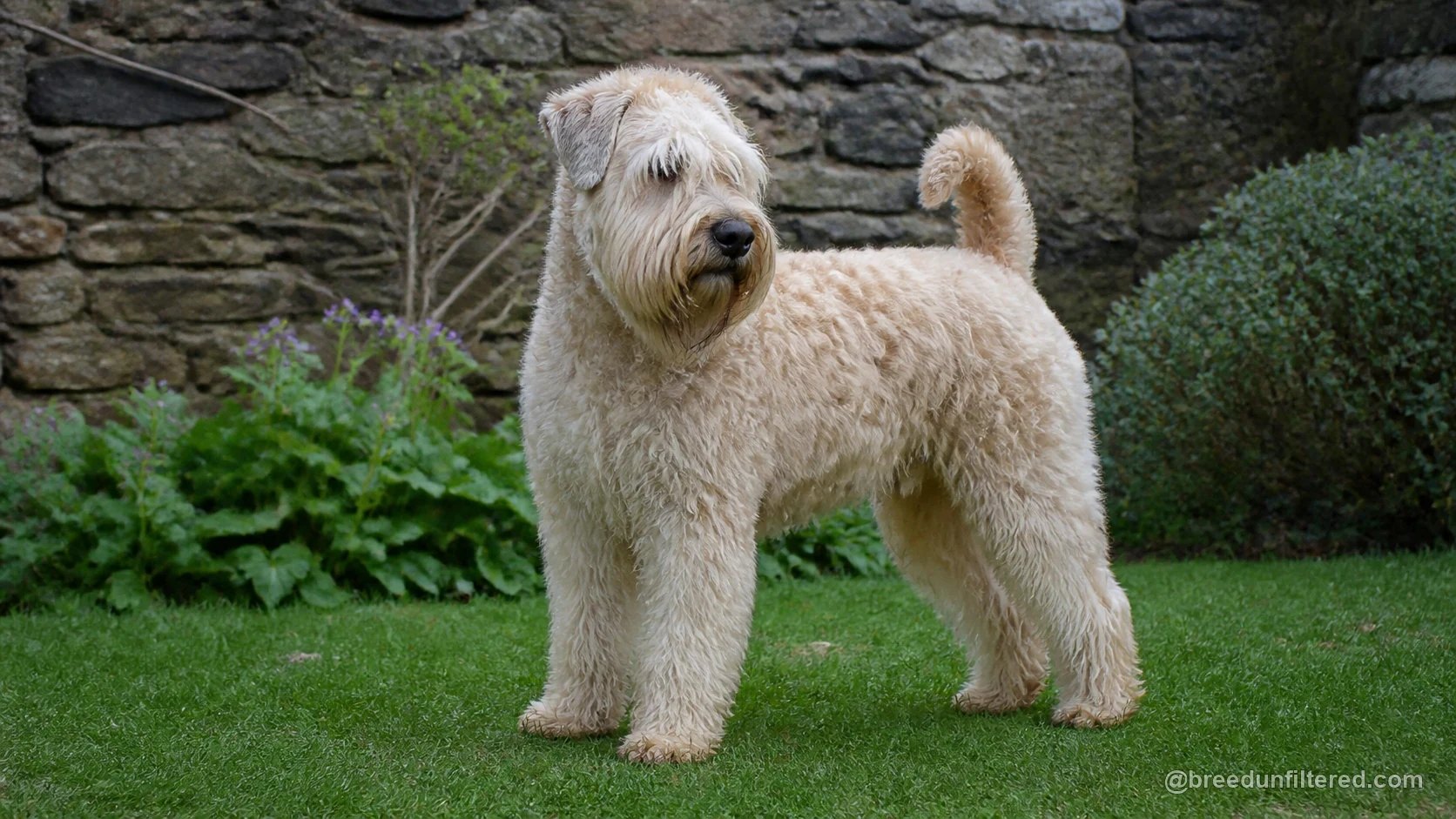
The Irish Soft Coated Wheaten Terrier, often simply called the Wheaten, is a medium-sized terrier that stands out for its soft, silky coat and its cheerful, affectionate demeanor. Originating from Ireland, this breed has a long history as a farm dog and vermin hunter, but today it is cherished primarily as a companion. With its distinctive 'wheaten' color ranging from pale gold to rich red-gold, the Wheaten brings a unique blend of terrier tenacity and family-friendly warmth to the home.
Prospective owners should be prepared for a dog that is both playful and loyal, with a personality that can be described as 'happy-go-lucky' yet sometimes stubborn. While they are not as intense as some other terriers, they still possess a strong prey drive and a love for activity. This guide aims to provide a balanced overview of the breed, covering its origins, temperament, care requirements, and the responsibilities that come with welcoming a Wheaten into your life.
Origin and Purpose
The Irish Soft Coated Wheaten Terrier is one of Ireland's oldest terrier breeds, with roots that trace back several centuries. Historically, they were all-purpose farm dogs, used for herding, guarding, and hunting small game. Their soft coat, which does not have the harsh texture of many other terriers, was an advantage in wet and cold climates, providing warmth without excessive bulk. The breed was not officially recognized until the 20th century, but its working heritage is still evident in its energetic and resourceful nature.
Today, the Wheaten is primarily a companion animal, but its original purpose has shaped its character. They are alert, intelligent, and always ready for action, whether that means a game of fetch or a long walk. Understanding this background helps owners appreciate why the breed thrives on activity and mental challenges, and why they may have a tendency to chase small animals. The FCI standard (No. 40) places them in Group 3 (Terriers), recognizing their terrier spirit while noting their softer, more gentle side.
Temperament and Variation
The Wheaten is often described as a 'happy' dog, with a playful and affectionate disposition. They are known for forming strong bonds with their families and are generally friendly towards strangers, though they may be reserved at first. Unlike some terriers that are more independent, Wheatens tend to be 'velcro dogs' that enjoy being involved in family activities. However, they can also be stubborn and have a mind of their own, which can present training challenges.
Individual temperament can vary based on genetics, socialization, and training. Some Wheatens may be more outgoing, while others are more cautious. It is important for prospective owners to meet the parents of a puppy if possible and to choose a reputable breeder who prioritizes temperament. Early and ongoing socialization is key to helping a Wheaten develop into a well-rounded adult. They are not typically aggressive, but they can be protective and will alert their family to anything unusual.
Exercise and Mental Work
Wheatens are an energetic breed that requires regular exercise to stay happy and healthy. Daily walks, play sessions, and opportunities to run in a secure area are essential. They are not suited to a sedentary lifestyle and may become bored and destructive if their exercise needs are not met. However, they are not hyperactive; they can adapt to a moderate routine as long as they get sufficient activity.
Mental stimulation is equally important. Wheatens are intelligent and enjoy problem-solving, so puzzle toys, obedience training, and interactive games can help keep their minds sharp. Activities like agility, nose work, or even simple trick training can be excellent outlets for their energy. Without adequate mental and physical exercise, they may develop unwanted behaviors such as excessive barking or digging.
Training and Socialisation
Training a Wheaten requires patience and consistency. They are intelligent but can be independent and stubborn, so positive reinforcement methods work best. Harsh corrections are counterproductive and can damage the trust between dog and owner. Early training should focus on basic obedience and impulse control, as Wheatens can be easily distracted by scents and small animals.
Socialisation is crucial from a young age. Exposing the puppy to a variety of people, places, and other animals helps prevent shyness or over-reactivity. Wheatens generally get along well with other dogs if properly socialized, but their terrier instincts may lead them to chase cats or small pets. Managing these instincts through training and supervision is important. Enrolling in puppy classes can provide a structured environment for both training and socialisation.
Family and Other Pets
Wheatens are known for their love of children and can make excellent family dogs. They are playful and tolerant, but like any dog, they should be supervised around young children to prevent accidental injuries. Their medium size and sturdy build allow them to handle rough play, but they may also be sensitive to teasing. Teaching children how to interact respectfully with dogs is essential.
When it comes to other pets, Wheatens can coexist with cats and other dogs if raised together, but their prey drive may be triggered by smaller animals like rabbits or hamsters. They are generally friendly with other dogs, but same-sex aggression can occur in some individuals. Early socialisation and careful introductions are key to fostering harmonious relationships. Prospective owners should consider their existing pets and be prepared to manage the Wheaten's instincts.
Grooming and Health
The Wheaten's soft, silky coat is one of its most distinctive features, but it requires regular grooming. The coat does not shed much, but it can mat easily if not brushed several times a week. Many owners choose to keep the coat clipped short for easier maintenance, but if left long, it needs daily attention. Regular bathing, ear cleaning, and nail trimming are also part of the grooming routine.
As with many purebred dogs, Wheatens are prone to certain health conditions. These may include hip dysplasia, progressive retinal atrophy, and a kidney disease called protein-losing nephropathy. Responsible breeders screen for these issues, but prospective owners should be aware of the potential costs and care involved. Regular veterinary check-ups and a healthy diet can help maintain overall well-being. It is important to obtain health clearances for the parents when choosing a puppy.
Costs and Responsibility
Owning a Wheaten is a long-term commitment, both financially and emotionally. The initial cost of a puppy from a reputable breeder can be significant, and ongoing expenses include food, grooming, veterinary care, and insurance. Grooming costs can be particularly high if you use a professional, as the breed requires regular maintenance. Budgeting for these expenses is essential.
Beyond finances, Wheatens require time and attention. They are social dogs that do not do well when left alone for long periods. They need daily exercise, training, and companionship. Prospective owners should assess their lifestyle to ensure they can meet these needs. Adopting from a rescue is also an option, and many breed-specific rescues exist. Responsible ownership means being prepared for the joys and challenges that come with this lively, affectionate breed.
Clear answers
FREQUENTLY ASKED QUESTIONS
Are Irish Soft Coated Wheaten Terriers good with children?
Yes, Wheatens are generally good with children, as they are playful and affectionate. However, they are a medium-sized, energetic dog, so supervision is recommended with very young children to prevent accidental knocks. Teaching children how to interact gently with dogs is important. Early socialisation and training can help ensure a positive relationship.
Do Wheaten Terriers shed a lot?
Wheatens are considered low-shedding dogs, which can be appealing for allergy sufferers. However, they are not truly hypoallergenic, and their soft coat requires regular brushing to prevent mats and tangles. Many owners opt for professional grooming every few months to keep the coat manageable. Regular grooming also helps reduce loose hair in the home.
How much exercise does a Wheaten Terrier need?
Wheatens are an energetic breed and need at least an hour of exercise daily, though individual needs vary. This should include walks, playtime, and opportunities to run in a safe area. They also benefit from mental stimulation, such as puzzle toys or training sessions. Without enough exercise, they may become bored and develop destructive behaviors.
Are Wheaten Terriers easy to train?
Wheatens are intelligent but can be stubborn and independent, which can make training a challenge. They respond best to positive reinforcement techniques, such as treats and praise. Consistency and patience are key. Early socialisation and puppy classes are highly recommended to help them become well-mannered adults.
What health issues are common in Wheaten Terriers?
Wheatens may be prone to certain health conditions, including hip dysplasia, progressive retinal atrophy (PRA), and protein-losing nephropathy (PLN), a kidney disease. Responsible breeders screen for these issues, but prospective owners should be aware of the potential risks. Regular veterinary check-ups and a healthy lifestyle can help manage health.
Sources and further reading
Scores describe typical breed tendencies from 1 to 10. They are not a quality ranking or a prediction for an individual dog.
Size and presence4/10
CompactVery large
Physical strength5/10
LightExceptional
Energy level8/10
LowRelentless
Exercise demand8/10
ModestVery demanding
Mental work needed8/10
ModerateDaily job
Trainability6/10
ChallengingExceptional
Everyday manageability3/10
SpecialistStraightforward
First-time owner fit4/10
Poor fitGood fit
Family-life fit6/10
LimitedExcellent
Dog sociability3/10
SelectiveVery social
Prey drive10/10
LowVery high
Guarding tendency4/10
MinimalSerious
Independence7/10
Handler-focusedSelf-directed
Grooming demand6/10
LightHeavy
Apartment fit5/10
Poor fitGood fit