Complete breed guide
Parson Russell Terrier OWNERSHIP GUIDE
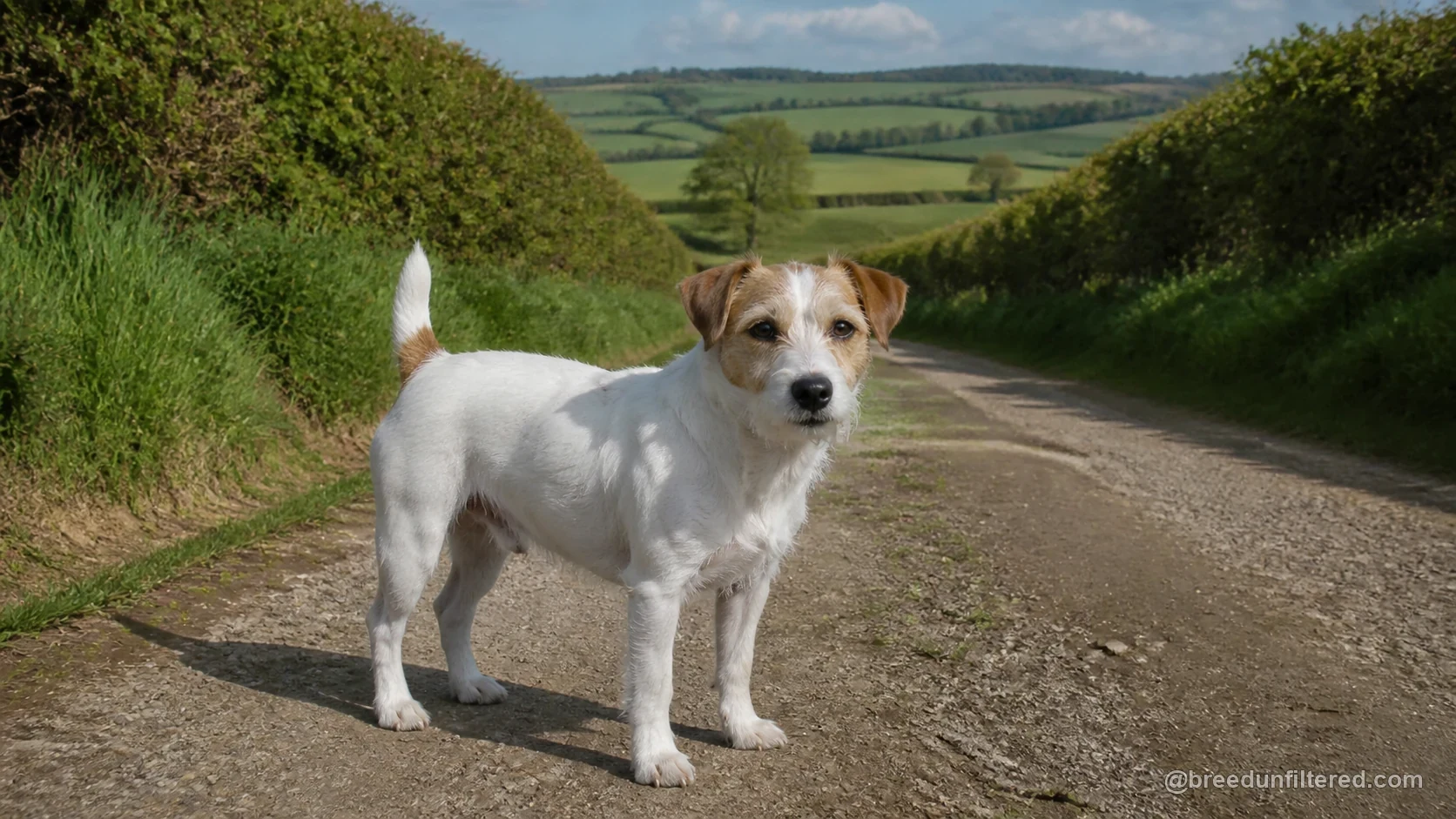
The Parson Russell Terrier is a lively, intelligent, and determined breed, originally developed in England for fox hunting. Known for its boundless energy and bold character, this terrier is not a couch potato but a working dog at heart. Prospective owners should be prepared for a canine companion that thrives on activity, mental challenges, and a clear sense of purpose.
This article provides an evidence-conscious overview of the breed, drawing on official standards and recognized sources. We'll explore the breed's origins, temperament, exercise and training needs, suitability for families and other pets, grooming and health considerations, and the financial and time commitments involved. By the end, you'll have a realistic picture of what life with a Parson Russell Terrier entails.
Origin and Purpose
The Parson Russell Terrier traces its roots to the Reverend John Russell, a 19th-century English clergyman and hunting enthusiast. He aimed to create a terrier capable of flushing foxes from underground dens, requiring a dog with courage, agility, and a compact size. The breed was later named in his honor, and the FCI standard (number 339) recognizes it as a distinct type within Group 3 (Terriers).
Today, the Parson Russell Terrier retains its working heritage, often participating in earthdog trials and agility. Its historical purpose influences its modern temperament: a high prey drive, a strong work ethic, and a resilient nature. Understanding this background helps prospective owners appreciate why the breed needs ample physical and mental outlets.
Temperament and Variation
Parson Russell Terriers are typically alert, confident, and spirited. They are known for their intelligence and independence, which can be both endearing and challenging. While individual temperaments vary, the breed standard describes a friendly and bold disposition, with no signs of shyness or aggression. Early and consistent socialization is crucial to nurture a well-rounded adult dog.
It's important to note that the breed's energy and determination are not for everyone. They are not typically 'couch potatoes' and may become destructive if bored or under-exercised. Prospective owners should be ready for a dog that is always 'on' and eager to engage in activities, whether that's a game of fetch, a hike, or a puzzle toy.
Exercise and Mental Work
Exercise is a cornerstone of Parson Russell Terrier care. These dogs have high energy levels and require daily vigorous activity, such as brisk walks, runs, or play sessions in a securely fenced area. However, exercise alone is not enough; mental stimulation is equally vital. Puzzle toys, scent games, and training sessions that challenge their minds can help prevent boredom and related behavioral issues.
Because of their hunting heritage, they have a strong prey drive and may chase small animals. Off-leash exercise should be approached with caution, as they may bolt after a squirrel or cat. Providing structured activities like agility, flyball, or earthdog trials can channel their instincts productively and strengthen the bond between dog and owner.
Training and Socialisation
Training a Parson Russell Terrier requires patience, consistency, and positive reinforcement methods. They are intelligent but can be stubborn, so a firm yet gentle approach works best. Early socialization is essential to expose them to various people, animals, and environments, helping to mitigate any tendencies toward wariness or reactivity. Puppy classes and ongoing obedience training are highly recommended.
Owners should be prepared for a dog that may test boundaries. Using reward-based techniques, such as treats and praise, can motivate them to learn. Harsh methods are counterproductive and may damage trust. With dedicated training, these terriers can excel in canine sports and become well-mannered companions, but they are not a breed for first-time owners who are not committed to consistent training.
Family and Other Pets
Parson Russell Terriers can make affectionate and playful family members, especially in active households. They often bond closely with their owners and enjoy being involved in family activities. However, their high energy and boisterous nature may be overwhelming for very young children, and supervision is recommended to ensure safe interactions. They are generally better suited to families with older children who understand how to respect a dog's space.
Regarding other pets, their prey drive can be a significant factor. They may not coexist peacefully with small animals like rabbits, guinea pigs, or even cats, especially if not raised together. With other dogs, they can be sociable if properly introduced, but they may exhibit same-sex aggression. Careful management and gradual introductions are essential for multi-pet households.
Grooming and Health
Grooming needs for the Parson Russell Terrier are relatively low. Their coat is typically smooth or broken, requiring weekly brushing to remove loose hair. They are moderate shedders, and occasional bathing keeps them clean. Regular ear checks, nail trims, and dental care are part of routine maintenance. Their wiry coat may require hand-stripping if they have a broken coat, which some owners learn to do themselves or seek professional help.
As with many purebred dogs, Parson Russell Terriers may be predisposed to certain health conditions, including patellar luxation, lens luxation, and deafness. Responsible breeders screen for these issues, but prospective owners should be aware of potential health concerns. Regular veterinary check-ups and a healthy diet contribute to overall well-being. It's important to note that this is not an exhaustive list, and individual dogs may vary.
Costs and Responsibility
Owning a Parson Russell Terrier involves significant financial and time commitments. Initial costs include the purchase price from a reputable breeder, which can vary, and essential supplies like crates, bedding, and food. Ongoing expenses include high-quality dog food, routine veterinary care, vaccinations, and preventive medications. Emergency medical costs can be substantial, so pet insurance is worth considering.
Beyond finances, the responsibility of providing adequate exercise, mental stimulation, and training is considerable. This breed is not suited to a sedentary lifestyle or long periods alone. Prospective owners should honestly assess their ability to meet these needs. Adopting from a rescue or breed-specific organization is also an option, giving a deserving dog a second chance. Ultimately, responsible ownership ensures a rewarding relationship.
Clear answers
FREQUENTLY ASKED QUESTIONS
Are Parson Russell Terriers good with children?
Parson Russell Terriers can be good with children, especially when raised together and properly socialized. However, their high energy and boisterous play may be too much for very young kids. Supervision is essential to prevent accidental injuries, and teaching children how to interact respectfully with dogs is crucial. Older children who can engage in active play often enjoy this breed.
Do Parson Russell Terriers get along with other dogs?
Parson Russell Terriers can get along with other dogs, but their social tolerance varies. They may be more accepting of opposite-sex dogs and can show same-sex aggression. Early and ongoing socialization helps improve their dog sociability. In multi-dog households, careful introductions and management are necessary to ensure harmony.
How much exercise does a Parson Russell Terrier need?
Parson Russell Terriers are high-energy dogs that require daily vigorous exercise, such as long walks, runs, or play sessions. They also need mental stimulation to prevent boredom. While exact amounts vary, most need at least an hour of active exercise per day, plus interactive games and training. Without sufficient activity, they may develop destructive behaviors.
Are Parson Russell Terriers easy to train?
Parson Russell Terriers are intelligent but can be independent and stubborn, making training a challenge for novice owners. They respond best to positive reinforcement methods, consistency, and patience. Early socialization and obedience classes are recommended. With dedicated training, they can excel in dog sports, but they may test boundaries.
Do Parson Russell Terriers shed a lot?
Parson Russell Terriers are moderate shedders. Their coat, whether smooth or broken, requires weekly brushing to remove loose hair. Broken coats may need hand-stripping a few times a year. They are not considered hypoallergenic, and regular grooming helps manage shedding around the home.
Sources and further reading
Scores describe typical breed tendencies from 1 to 10. They are not a quality ranking or a prediction for an individual dog.
Size and presence4/10
CompactVery large
Physical strength5/10
LightExceptional
Energy level9/10
LowRelentless
Exercise demand9/10
ModestVery demanding
Mental work needed8/10
ModerateDaily job
Trainability6/10
ChallengingExceptional
Everyday manageability2/10
SpecialistStraightforward
First-time owner fit4/10
Poor fitGood fit
Family-life fit6/10
LimitedExcellent
Dog sociability3/10
SelectiveVery social
Prey drive10/10
LowVery high
Guarding tendency4/10
MinimalSerious
Independence7/10
Handler-focusedSelf-directed
Grooming demand4/10
LightHeavy
Apartment fit5/10
Poor fitGood fit