Complete breed guide
Miniature Bull Terrier OWNERSHIP GUIDE
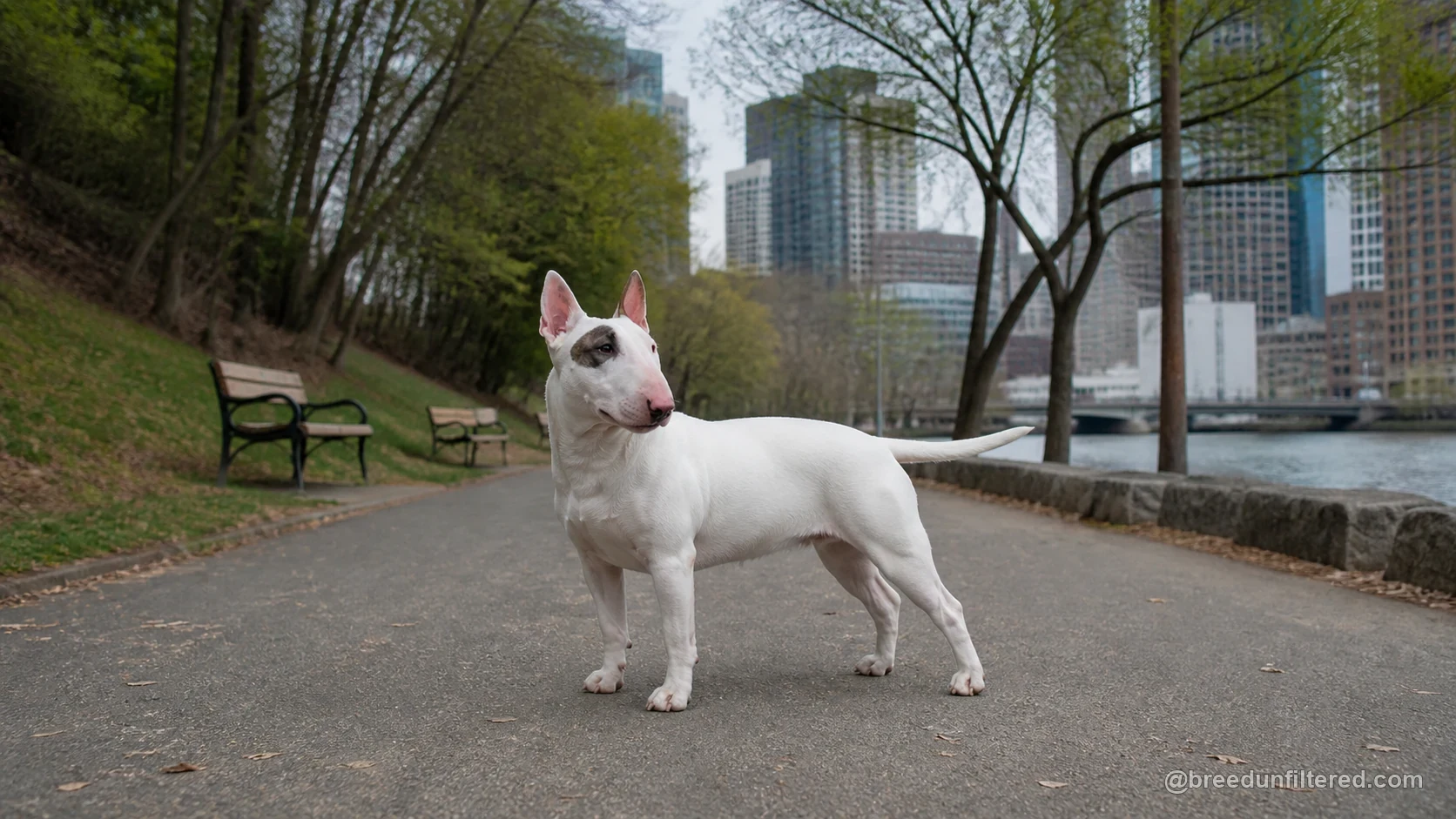
The Miniature Bull Terrier is a compact version of the standard Bull Terrier, recognized as a distinct breed by the Fédération Cynologique Internationale (FCI) under standard number 359. With its distinctive egg-shaped head and muscular build, this breed often draws attention, but prospective owners should look beyond its unique appearance to understand its energetic and determined nature. This article provides an evidence-conscious overview of the breed's history, temperament, care requirements, and responsibilities, helping you decide if this breed aligns with your lifestyle.
While the Miniature Bull Terrier shares many traits with its larger counterpart, it is not simply a scaled-down dog; it has its own breed standard and characteristics. Originally bred for vermin control and as a companion, this breed is known for its playful, sometimes clownish, behavior, yet it also possesses a strong-willed and tenacious streak. As with any breed, individual dogs vary, and responsible ownership involves thorough research, early socialization, and consistent training. This guide aims to present a balanced view, avoiding universal claims and emphasizing the need for personalized assessment.
Origin and Purpose
The Miniature Bull Terrier traces its roots to 19th-century England, where it was developed by crossing the Bulldog with the now-extinct White English Terrier. The goal was to create a dog with the Bulldog's tenacity and the Terrier's agility and spirit. Over time, breeders refined the size, leading to the miniature version, which was recognized as a separate breed by the FCI in 1939. Historically, these dogs were used for vermin control and as companions, and they also participated in dog fighting, a practice that has long been outlawed.
Today, the Miniature Bull Terrier is primarily a companion and show dog, but it retains its working heritage. The breed's purpose has evolved, yet its instincts remain: a strong prey drive, a determined personality, and a playful disposition. Understanding this background helps prospective owners appreciate the breed's need for mental and physical stimulation. The FCI standard describes the breed as 'a miniature Bull Terrier' with the same characteristics, emphasizing its balanced, muscular build and distinctive head shape.
Temperament and Variation
The Miniature Bull Terrier is often described as spirited, courageous, and full of personality. Many owners note a playful, sometimes mischievous, streak that can be endearing but also challenging. The breed is known for its strong attachment to its family and can be protective, though it is not typically aggressive without cause. However, temperament varies widely among individuals, influenced by genetics, socialization, and training. Some may be more outgoing, while others are more reserved, so it is crucial to meet the parents and observe the puppy's behavior when possible.
This breed is not a 'one-size-fits-all' dog. Its determination and stubbornness can be mistaken for obstinacy, but these traits also contribute to its charm. The Miniature Bull Terrier is often described as a 'clown' due to its antics, yet it has a serious side when it comes to guarding its territory. Prospective owners should be prepared for a dog that is both affectionate and independent, requiring a patient and consistent approach. As with any breed, early and ongoing socialization is key to fostering a well-rounded adult dog.
Exercise and Mental Work
The Miniature Bull Terrier is an energetic breed that requires regular physical activity to stay healthy and happy. While it is not a hyperactive dog, it does need daily walks, playtime, and opportunities to run in a secure area. The breed's terrier heritage means it enjoys activities that engage its mind, such as puzzle toys, scent games, and obedience training. Without adequate exercise and mental stimulation, this breed may develop undesirable behaviors like excessive digging or chewing.
It is important to tailor exercise to the individual dog's age, health, and energy level. Puppies should not be over-exercised, while adult dogs may benefit from more vigorous activities. Mental work is equally crucial; the Miniature Bull Terrier is intelligent and thrives on challenges. Activities like agility, nose work, or trick training can provide both physical and mental outlets. However, owners should avoid overestimating the breed's stamina and always consider weather conditions, as the breed's short coat offers little protection against extreme cold or heat.
Training and Socialisation
Training a Miniature Bull Terrier requires patience, consistency, and positive reinforcement methods. This breed is intelligent but can be stubborn, so harsh training techniques are counterproductive. Early socialization is essential to help the dog become comfortable with various people, animals, and environments. Puppy classes and controlled introductions can lay a foundation for good behavior. The breed's strong will means that owners must establish clear boundaries and be consistent in enforcing rules.
Socialization should continue throughout the dog's life to prevent fearfulness or aggression. The Miniature Bull Terrier can be territorial and may not always get along with other dogs of the same sex, so careful introductions are necessary. Training sessions should be short and engaging to hold the dog's attention. Using treats, praise, and play as rewards can be effective. It is also important to teach bite inhibition and impulse control from a young age, as the breed has a strong prey drive and may chase small animals.
Family and Other Pets
The Miniature Bull Terrier can make a loyal and affectionate family companion, but it may not be the best choice for every household. Its playful nature can be a good match for older children who understand how to interact with dogs, but its boisterousness might be too much for very young children. Supervision is always recommended when dogs and children are together. The breed's strong prey drive means it may not be reliable with small pets like rabbits or guinea pigs, and its interactions with other dogs can be unpredictable, especially with same-sex dogs.
With proper socialization, some Miniature Bull Terriers can live peacefully with other dogs and even cats, but this is not guaranteed. Each dog has its own personality, and early experiences play a significant role. Prospective owners should be prepared to manage introductions carefully and provide separate spaces if needed. The breed's protective instinct can make it a good watchdog, but it is not typically a guard dog. Overall, this breed is best suited to families that can provide consistent training and supervision.
Grooming and Health
The Miniature Bull Terrier has a short, flat coat that is relatively low-maintenance. Weekly brushing with a soft bristle brush or grooming mitt can help remove loose hair and keep the coat shiny. The breed sheds moderately, and more frequent brushing may be needed during seasonal changes. Routine care includes regular nail trimming, ear cleaning, and dental hygiene. The breed's distinctive head shape means the ears are naturally erect, and they should be checked for dirt or infection.
As with all breeds, the Miniature Bull Terrier is prone to certain health conditions, though not every dog will be affected. Some issues reported in the breed include deafness, heart problems, and kidney disease. Responsible breeders screen for these conditions, and prospective owners should ask about health clearances. Regular veterinary check-ups and a balanced diet are essential for overall well-being. It is important to note that the breed's muscular build requires careful weight management to avoid obesity, which can exacerbate joint issues.
Costs and Responsibility
Owning a Miniature Bull Terrier involves significant financial and time commitments. The initial cost of a puppy from a reputable breeder can be substantial, and ongoing expenses include food, veterinary care, grooming supplies, and insurance. The breed's potential health issues may lead to higher medical costs over its lifetime. Additionally, this breed requires a considerable amount of time for exercise, training, and companionship. Prospective owners should assess their ability to meet these needs before acquiring a dog.
Responsible ownership also involves legal and ethical considerations. Some regions have breed-specific legislation that may affect ownership, so it is crucial to check local laws. Furthermore, this breed is not suitable for everyone; its strong personality and exercise needs may be challenging for first-time owners. It is essential to research breeders thoroughly, avoid puppy mills, and consider adoption from rescue organizations. Ultimately, the decision to bring a Miniature Bull Terrier into your home should be made with careful thought and a long-term commitment.
Clear answers
FREQUENTLY ASKED QUESTIONS
Are Miniature Bull Terriers good with children?
Miniature Bull Terriers can be good with children, especially when raised with them and properly socialized. They are playful and energetic, which can match well with older kids who know how to interact respectfully. However, their boisterous nature may be too much for very young children, and supervision is always recommended. Each dog is an individual, so it's important to assess temperament and teach children how to behave around dogs.
How much exercise does a Miniature Bull Terrier need?
The Miniature Bull Terrier is an energetic breed that needs daily physical activity, such as walks and playtime, but the exact amount varies by age, health, and individual energy. Mental stimulation is equally important to prevent boredom. Owners should provide a mix of physical and mental challenges, but avoid over-exercising puppies. Always consider weather conditions and the dog's fitness level.
Are Miniature Bull Terriers easy to train?
Training a Miniature Bull Terrier can be challenging due to their stubborn and independent nature. They are intelligent but may not always be eager to please. Positive reinforcement methods, consistency, and patience are key. Early socialization and obedience training are essential. While they can excel in activities like agility, they may test boundaries, so owners need to be firm and consistent.
Do Miniature Bull Terriers get along with other pets?
Miniature Bull Terriers have a strong prey drive and may not be reliable with small animals like rodents or birds. With early socialization, some can live with cats and other dogs, but same-sex aggression can occur. Introductions should be gradual and supervised. It's important to recognize that each dog is unique, and some may never be trustworthy with other pets.
What health issues are common in Miniature Bull Terriers?
Miniature Bull Terriers may be prone to certain health conditions, including deafness, heart disease, and kidney problems. Not all dogs will be affected, but responsible breeders screen for these issues. Regular veterinary check-ups and a healthy lifestyle can help manage risks. Prospective owners should ask breeders about health clearances and be prepared for potential medical expenses.
Sources and further reading
Scores describe typical breed tendencies from 1 to 10. They are not a quality ranking or a prediction for an individual dog.
Size and presence2/10
CompactVery large
Physical strength5/10
LightExceptional
Energy level8/10
LowRelentless
Exercise demand8/10
ModestVery demanding
Mental work needed8/10
ModerateDaily job
Trainability6/10
ChallengingExceptional
Everyday manageability2/10
SpecialistStraightforward
First-time owner fit4/10
Poor fitGood fit
Family-life fit6/10
LimitedExcellent
Dog sociability3/10
SelectiveVery social
Prey drive10/10
LowVery high
Guarding tendency5/10
MinimalSerious
Independence9/10
Handler-focusedSelf-directed
Grooming demand4/10
LightHeavy
Apartment fit6/10
Poor fitGood fit