Complete breed guide
Nederlandse Kooikerhondje OWNERSHIP GUIDE
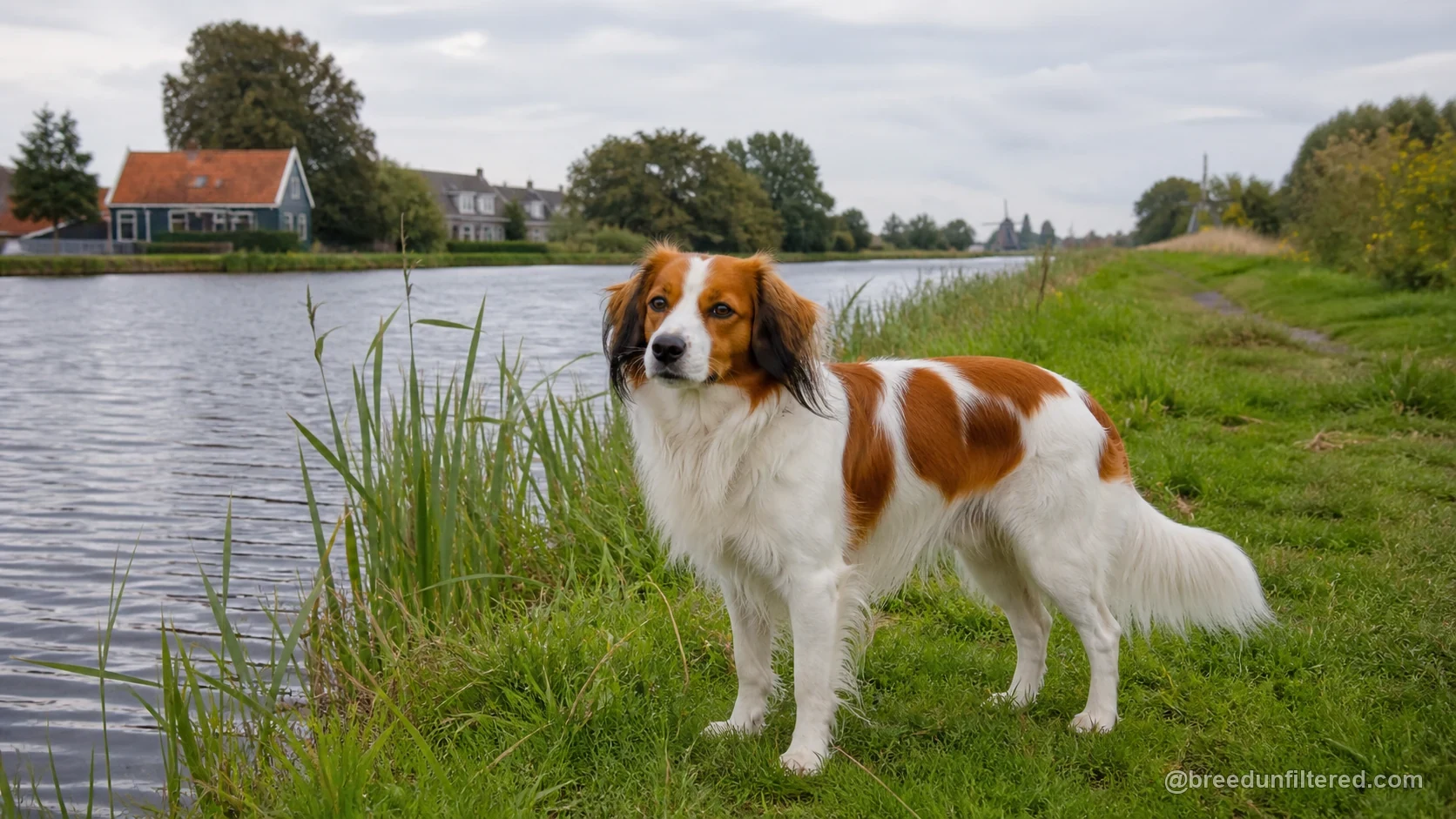
The Nederlandse Kooikerhondje, often simply called the Kooikerhondje, is a small, spaniel-type dog with a rich history as a working decoy dog in the Netherlands. Its name translates to 'cage dog' or 'cage hunter,' reflecting its original role in luring ducks into funnel-shaped traps called 'koois.' This breed is known for its striking orange-red and white coat, feathered ears, and a cheerful, alert expression. While still relatively rare outside its homeland, the Kooikerhondje has gained a devoted following among those who appreciate its intelligence, agility, and affectionate nature.
As a prospective owner, understanding the Kooikerhondje's unique blend of working drive and companionable temperament is essential. This breed thrives on human interaction and mental stimulation, and it may not be the best fit for a sedentary lifestyle. With proper training, socialization, and regular activity, the Kooikerhondje can be a delightful and loyal family member. This article provides an in-depth look at the breed's origins, temperament, care requirements, and more, to help you decide if this charming Dutch dog is the right companion for you.
Origin and Purpose
The Nederlandse Kooikerhondje originated in the Netherlands, where it was developed to work in 'eendenkooi' (duck decoys). These were carefully designed ponds with funnel-shaped channels that allowed hunters to capture ducks for food and for collecting eggs. The dog's role was to entice ducks into the traps by moving playfully along the banks, often with a feathered tail held high, while the hunter remained hidden. This required a dog with intelligence, agility, and a natural ability to work independently yet cooperatively with humans.
The breed's history can be traced back to the 16th century, and it was popular among Dutch nobility. However, with the decline of duck decoying in the 20th century, the Kooikerhondje nearly became extinct. Thanks to the dedicated efforts of breed enthusiasts, particularly Baroness van Hardenbroek van Ammerstol in the 1940s, the breed was revived. Today, the Kooikerhondje is recognized by the FCI (Fédération Cynologique Internationale) in Group 8, Section 2, and serves primarily as a companion dog, though it still retains its working instincts.
Temperament and Variation
The Kooikerhondje is generally described as cheerful, alert, and friendly. It is known for its strong bond with its family and its tendency to be somewhat reserved with strangers, making it a good watchdog. However, individual temperaments can vary widely. Some Kooikerhondjes are outgoing and social, while others may be more cautious or even shy. Early and ongoing socialization is crucial to help them develop into confident adults. They are sensitive dogs that respond best to positive, gentle training methods.
This breed is intelligent and often has a mind of its own, which can be both endearing and challenging. They are not typically 'push-button' dogs; they may think before obeying a command. Their hunting background means they have a moderate to high prey drive, and they may chase small animals if given the chance. While they are generally good with children and other dogs when raised together, their herding or chasing instincts can sometimes lead to nipping at heels. Prospective owners should be prepared for a dog that is both affectionate and independent, requiring a patient and understanding approach.
Exercise and Mental Work
The Kooikerhondje is an active and agile breed that requires regular exercise to stay physically and mentally healthy. Daily walks, play sessions, and opportunities to run in a securely fenced area are important. However, exercise needs can vary based on the individual dog's age, health, and energy level. As a working breed, they also need mental stimulation to prevent boredom, which can lead to destructive behaviors. Puzzle toys, nose work, and training sessions that challenge their minds are excellent ways to keep them engaged.
Because of their history as decoy dogs, Kooikerhondjes often excel in dog sports such as agility, obedience, and rally. They are quick learners and enjoy tasks that involve problem-solving. Owners should be prepared to provide a variety of activities to keep their Kooikerhondje content. Without adequate mental and physical outlets, they may become restless or develop unwanted habits. It's important to note that every dog is an individual, and exercise requirements should be tailored to the specific dog's needs, always considering factors like weather and overall health.
Training and Socialisation
Training a Kooikerhondje requires patience, consistency, and a positive reinforcement approach. They are sensitive and do not respond well to harsh corrections or forceful methods. Early socialization is vital to help them become well-adjusted adults. Exposing them to a variety of people, places, sounds, and other animals in a controlled and positive manner can help prevent shyness or fearfulness. Puppy classes and regular outings can be very beneficial.
The breed's intelligence means they can learn quickly, but they may also become bored with repetitive training. Keeping sessions short, varied, and fun is key. They are often eager to please their owners, but they may also exhibit a stubborn streak. Using treats, praise, and play as rewards can be very effective. It's also important to establish clear boundaries and rules from the start. With the right approach, Kooikerhondjes can be highly trainable and responsive companions.
Family and Other Pets
The Kooikerhondje can make a wonderful family dog for those who understand its needs. They are generally affectionate with their family members and enjoy being involved in daily activities. They can be good with children, especially when raised with them, but as with any breed, interactions should always be supervised. Their herding instincts may lead them to try to round up small children, which could be startling. Teaching children how to interact respectfully with dogs is essential.
When it comes to other pets, the Kooikerhondje's prey drive can be a concern. They may chase cats or small animals, especially if not socialized properly from a young age. However, many Kooikerhondjes live peacefully with cats and other dogs when introduced gradually and consistently. Early socialization and training can help mitigate these tendencies. It's important to remember that individual temperaments vary, and some Kooikerhondjes may have a stronger prey drive than others. Prospective owners should be prepared to manage this instinct through training and supervision.
Grooming and Health
The Kooikerhondje has a medium-length, slightly wavy coat that requires regular grooming. Weekly brushing is usually sufficient to remove loose hair and prevent mats, but more frequent brushing may be needed during shedding seasons. The feathered ears and tail require extra attention to keep them clean and free of tangles. They are moderate shedders. Regular ear checks are important, as the drop ears can be prone to infections if moisture or debris accumulates.
As with many purebred dogs, the Kooikerhondje may be predisposed to certain health conditions. Some of the concerns that have been reported in the breed include patellar luxation, epilepsy, and certain eye disorders. Responsible breeders screen their breeding stock for these conditions. It's also important to note that the breed has a higher than average risk of a condition called 'steroid-responsive meningitis-arteritis' (SRMA), which is an inflammatory disease. Prospective owners should ask breeders about health testing and be prepared for potential veterinary costs. Regular veterinary check-ups and a healthy lifestyle can help maintain overall well-being.
Costs and Responsibility
Owning a Kooikerhondje involves financial and time commitments. The initial cost of purchasing a puppy from a reputable breeder can be significant, and ongoing expenses include high-quality food, routine veterinary care, grooming supplies, and pet insurance. Additionally, because this breed is relatively rare, finding a breeder may require a waiting list, and travel may be necessary. Prospective owners should budget for these costs and be prepared for the long-term responsibility of caring for a dog for 12 to 15 years or more.
Beyond finances, owning a Kooikerhondje requires a commitment to providing adequate exercise, mental stimulation, training, and companionship. They are not a breed that thrives when left alone for long periods. They are social animals that need to be part of the family. Potential owners should assess their lifestyle and ensure they have the time and energy to meet the breed's needs. Adopting from a rescue or breed-specific organization is also an option, though availability may be limited. Responsible ownership means being prepared for the challenges as well as the joys of living with this unique and charming dog.
Clear answers
FREQUENTLY ASKED QUESTIONS
Are Nederlandse Kooikerhondjes good with children?
Kooikerhondjes can be good with children, especially when raised together and properly socialized. They are generally affectionate and playful, but their herding instincts may cause them to nip at heels. Supervision and teaching children how to interact respectfully with dogs are important to ensure positive experiences for both the dog and the child.
How much exercise does a Kooikerhondje need?
The Kooikerhondje is an active breed that requires daily exercise, including walks and playtime. They also need mental stimulation to prevent boredom. The exact amount varies by individual, but most will benefit from at least an hour of activity per day, along with training or puzzle games. Always adapt to your dog's age and health.
Are Kooikerhondjes easy to train?
Kooikerhondjes are intelligent and can be trainable, but they are also sensitive and may have a stubborn streak. Positive reinforcement methods work best. They respond well to short, varied training sessions that keep them engaged. Early socialization and consistent, patient training are key to bringing out their best.
Do Kooikerhondjes shed a lot?
Kooikerhondjes are moderate shedders. They have a double coat that sheds seasonally, with heavier shedding in spring and fall. Regular weekly brushing helps manage loose hair and keeps the coat healthy. During shedding seasons, more frequent brushing may be necessary.
What health issues are common in Kooikerhondjes?
Kooikerhondjes may be prone to certain health conditions, including patellar luxation, epilepsy, and eye disorders. They also have a higher risk for steroid-responsive meningitis-arteritis (SRMA). Responsible breeders screen for these issues. Regular vet check-ups and a healthy lifestyle can help manage risks.
Sources and further reading
Scores describe typical breed tendencies from 1 to 10. They are not a quality ranking or a prediction for an individual dog.
Size and presence6/10
CompactVery large
Physical strength6/10
LightExceptional
Energy level8/10
LowRelentless
Exercise demand8/10
ModestVery demanding
Mental work needed8/10
ModerateDaily job
Trainability8/10
ChallengingExceptional
Everyday manageability5/10
SpecialistStraightforward
First-time owner fit6/10
Poor fitGood fit
Family-life fit9/10
LimitedExcellent
Dog sociability8/10
SelectiveVery social
Prey drive9/10
LowVery high
Guarding tendency4/10
MinimalSerious
Independence6/10
Handler-focusedSelf-directed
Grooming demand7/10
LightHeavy
Apartment fit5/10
Poor fitGood fit