Complete breed guide
Drentsche Partridge Dog OWNERSHIP GUIDE
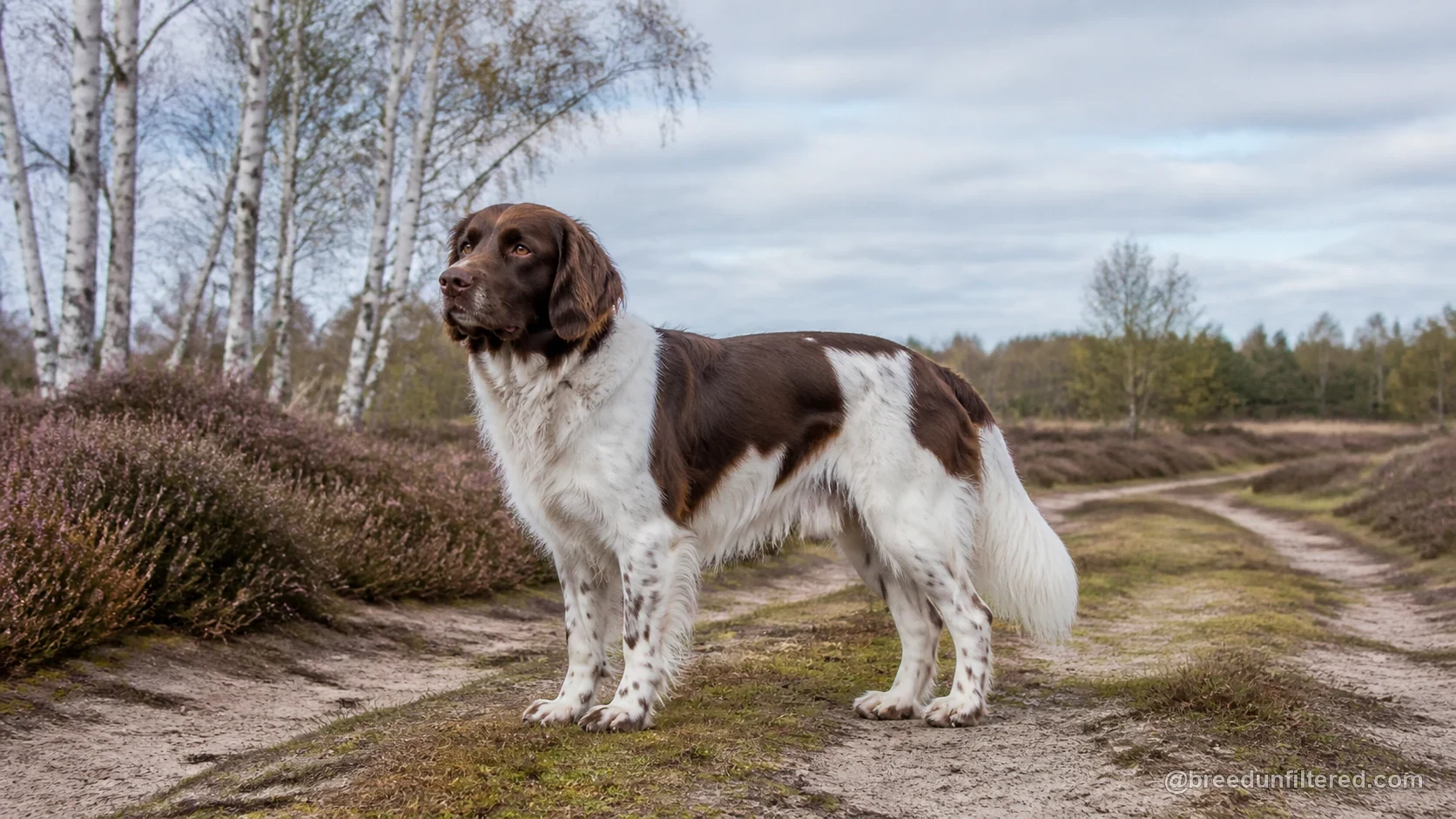
The Drentsche Partridge Dog, also known as the Drentsche Patrijshond, is a versatile gundog breed originating from the Drenthe province in the Netherlands. Recognized by the Fédération Cynologique Internationale (FCI) in Group 7, this breed is prized for its hunting ability, gentle disposition, and adaptability as a family companion. With a history rooted in the 'spaniel-type' dogs of the 16th century, the Drentsche Partridge Dog has evolved into a skilled pointer and retriever, equally at home in the field and in the living room.
For prospective owners, the Drentsche Partridge Dog offers a unique blend of working capability and affectionate companionship. They are known for their even temperament, intelligence, and strong bond with their human family. However, they are not a breed for everyone: they require ample exercise, mental stimulation, and consistent training to thrive. This article provides an in-depth look at the breed's characteristics, care needs, and considerations for those thinking of welcoming a Drentsche Partridge Dog into their lives.
Origin and Purpose
The Drentsche Partridge Dog is one of the oldest gundog breeds in the Netherlands, with roots tracing back to the 16th century. It is believed to have descended from spaniel-type dogs brought from Spain, which were then crossed with local pointing breeds. The breed was developed in the province of Drenthe, where it was used as a versatile hunting dog capable of pointing, flushing, and retrieving game, particularly partridge and other upland birds. The breed's name, 'Patrijshond', literally means 'partridge dog' in Dutch.
Today, the Drentsche Partridge Dog remains a dedicated working dog, but it has also gained popularity as a companion. The breed was officially recognized by the FCI in 1943, and its standard is maintained under the guidance of the Dutch Kennel Club (Raad van Beheer). While still relatively rare outside the Netherlands, the breed is cherished by enthusiasts for its versatility, intelligence, and calm demeanor. Prospective owners should appreciate the breed's dual nature: a hardworking hunter in the field and a gentle, loyal companion at home.
Temperament and Variation
The Drentsche Partridge Dog is known for its balanced and gentle temperament. They are typically affectionate with their family, including children, and are often described as 'soft' dogs that respond poorly to harsh training methods. They are intelligent and eager to please, which makes them trainable, but they can also be sensitive and may become reserved or anxious if not socialized properly. While individual personalities vary, the breed generally exhibits a calm and patient nature, making them suitable for families who can provide consistent, positive guidance.
There is some variation within the breed, as working lines may be more energetic and driven, while show lines might be more laid-back. However, all Drentsche Partridge Dogs share a strong attachment to their owners and a desire to be involved in family activities. They are not typically aggressive, but they can be wary of strangers, making early socialization essential. This breed thrives on human companionship and may develop separation anxiety if left alone for long periods. Prospective owners should be prepared to offer plenty of quality time and attention.
Exercise and Mental Work
As a gundog, the Drentsche Partridge Dog has considerable exercise needs. They are energetic and require daily physical activity to stay healthy and content. This can include long walks, jogging, or off-leash play in a securely fenced area. They also excel in dog sports such as agility, obedience, and tracking, which provide both physical and mental stimulation. Without adequate exercise, they may become restless and develop behavioral issues like excessive barking or chewing.
Mental work is equally important for this intelligent breed. They are problem-solvers and enjoy tasks that challenge their minds, such as puzzle toys, scent games, or training sessions that teach new commands. Because they were bred to work closely with hunters, they thrive on having a 'job' to do. Owners should incorporate mental enrichment into their daily routine to prevent boredom. A tired Drentsche Partridge Dog is a happy one, and meeting their exercise and mental needs will result in a well-adjusted companion.
Training and Socialisation
Training a Drentsche Partridge Dog requires patience, consistency, and a gentle hand. They are sensitive and respond best to positive reinforcement techniques such as treats, praise, and play. Harsh corrections or force-based methods can damage their trust and lead to reluctance or fear. Early obedience training is essential to establish good manners and a strong bond. They are quick learners, but they can also be independent thinkers, so training sessions should be varied and engaging to hold their interest.
Socialisation is crucial from a young age. Exposing the puppy to a wide range of people, animals, environments, and situations helps them develop into confident, well-rounded adults. This is particularly important because the breed can be reserved with strangers and may have a natural prey drive. Proper socialisation can help mitigate these tendencies and ensure they are comfortable in various settings. Puppy classes and regular outings are excellent ways to build their social skills and prevent fearfulness or aggression.
Family and Other Pets
The Drentsche Partridge Dog is generally an excellent family dog. They are known for their gentle and patient nature with children, often forming strong bonds with all family members. They are not typically aggressive and are usually tolerant of the noise and activity that come with a busy household. However, as with any breed, interactions between dogs and young children should always be supervised to ensure safety for both. Their affectionate disposition makes them wonderful companions for families who can include them in daily activities.
When it comes to other pets, the Drentsche Partridge Dog can coexist peacefully with other dogs, especially if raised together. Their hunting background means they may have a strong prey drive, so caution is needed with small animals such as cats, rabbits, or birds. Early socialisation and training can help them learn to live with other pets, but it is not guaranteed. Prospective owners should assess their household dynamics and be prepared to manage the breed's instincts. With proper introductions and supervision, many Drentsche Partridge Dogs live happily alongside other animals.
Grooming and Health
The Drentsche Partridge Dog has a medium-length, dense coat that is water-resistant and requires moderate grooming. Weekly brushing is usually sufficient to remove loose hair and prevent mats, with more frequent brushing during seasonal shedding periods. They are moderate shedders, and regular ear cleaning is important to prevent infections, especially since they are an active breed that may spend time in water. Nail trimming and dental care should also be part of their routine.
As a relatively healthy breed, the Drentsche Partridge Dog has a life expectancy of around 12 to 14 years. However, like all breeds, they may be prone to certain health conditions, including hip dysplasia, elbow dysplasia, and eye disorders such as progressive retinal atrophy. Responsible breeders screen their breeding stock for these conditions. Prospective owners should ask for health clearances and be aware of the potential costs of veterinary care. Maintaining a healthy weight, providing regular exercise, and scheduling routine check-ups can help promote a long, healthy life.
Costs and Responsibility
Owning a Drentsche Partridge Dog involves significant financial and time commitments. Initial costs include purchasing a puppy from a reputable breeder, which can be substantial due to the breed's rarity. Ongoing expenses include high-quality food, routine veterinary care, vaccinations, grooming supplies, and pet insurance. Additionally, owners should budget for potential health issues that may arise. It is essential to consider these costs before bringing a dog home to ensure you can provide for their needs throughout their lifetime.
Beyond finances, owning this breed requires a serious commitment to their exercise, training, and socialisation needs. They are not a low-maintenance breed and thrive in homes where they are given ample attention and activity. Prospective owners should also consider their living situation; while they can adapt to apartment living if given enough exercise, they are best suited to homes with a securely fenced yard. Responsible ownership also involves adhering to local regulations, such as leash laws and licensing. By understanding and embracing these responsibilities, owners can enjoy a rewarding relationship with their Drentsche Partridge Dog.
Clear answers
FREQUENTLY ASKED QUESTIONS
Are Drentsche Partridge Dogs good with children?
Yes, Drentsche Partridge Dogs are generally known for their gentle and patient nature, making them good companions for children. They form strong bonds with family members and are typically tolerant of the noise and activity of a busy household. However, as with any breed, interactions should be supervised, and children should be taught how to behave around dogs to ensure a positive experience for both.
How much exercise does a Drentsche Partridge Dog need?
Drentsche Partridge Dogs are energetic gundogs that require a significant amount of daily exercise to stay healthy and happy. This should include at least one long walk or run, plus opportunities for off-leash play in a safe area. They also benefit from mental stimulation such as puzzle toys or training sessions. Without adequate exercise, they may become restless and develop behavioral issues.
Are Drentsche Partridge Dogs easy to train?
Drentsche Partridge Dogs are intelligent and eager to please, which makes them trainable, but they are also sensitive and respond best to positive reinforcement methods. Harsh training techniques can be counterproductive. Consistency and patience are key. Early socialisation and obedience training are essential to help them become well-mannered adults.
Do Drentsche Partridge Dogs get along with other pets?
Drentsche Partridge Dogs can get along with other dogs, especially if raised together. However, due to their hunting background, they may have a strong prey drive, so caution is needed with small animals like cats or rabbits. Early socialisation and training can help them coexist peacefully, but it is not guaranteed. Supervision is recommended during introductions.
What are the grooming requirements for a Drentsche Partridge Dog?
The Drentsche Partridge Dog has a medium-length, dense coat that requires weekly brushing to remove loose hair and prevent mats. They shed moderately, with heavier shedding during seasonal changes. Regular ear cleaning, nail trimming, and dental care are also important. Overall, grooming is manageable but should not be neglected.
Sources and further reading
Scores describe typical breed tendencies from 1 to 10. They are not a quality ranking or a prediction for an individual dog.
Size and presence6/10
CompactVery large
Physical strength5/10
LightExceptional
Energy level8/10
LowRelentless
Exercise demand9/10
ModestVery demanding
Mental work needed8/10
ModerateDaily job
Trainability9/10
ChallengingExceptional
Everyday manageability5/10
SpecialistStraightforward
First-time owner fit5/10
Poor fitGood fit
Family-life fit9/10
LimitedExcellent
Dog sociability8/10
SelectiveVery social
Prey drive10/10
LowVery high
Guarding tendency3/10
MinimalSerious
Independence4/10
Handler-focusedSelf-directed
Grooming demand4/10
LightHeavy
Apartment fit5/10
Poor fitGood fit