Complete breed guide
Ariege Pointing Dog OWNERSHIP GUIDE
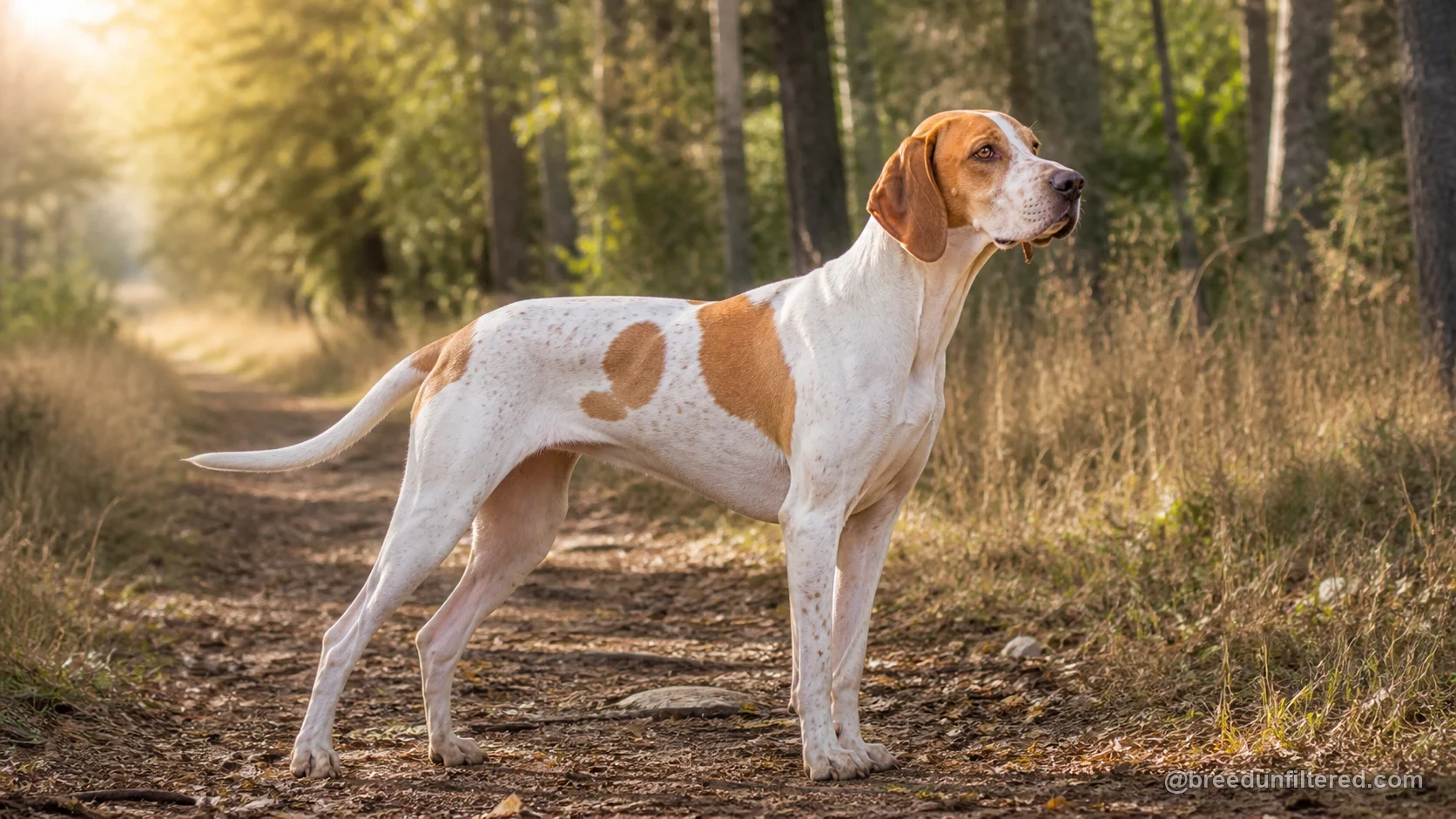
The Ariege Pointing Dog, also known as the Braque de l'Ariège, is a rustic and athletic gundog from the foothills of the French Pyrenees. Bred for centuries to hunt game birds and small mammals over varied terrain, this breed combines the drive of a pointer with the steady companionship of a family dog. Its short coat, moderate size, and balanced temperament make it an appealing choice for hunters and active owners alike, though it remains relatively rare outside its native France.
As a versatile working dog, the Ariege Pointing Dog thrives when given a job to do, whether that involves fieldwork, dog sports, or long hikes. While it is known for its keen nose and natural pointing ability, it is also an affectionate and loyal companion at home. Prospective owners should be prepared for a dog that needs ample exercise and mental stimulation, as well as consistent, positive training to channel its energy productively.
Origin and Purpose
The Ariege Pointing Dog originates from the Ariège department in southwestern France, a region of rolling hills and rugged terrain. Developed from local pointing breeds and possibly crosses with Spanish and French hounds, the breed was refined to hunt partridge, woodcock, and hare. Its name, 'Braque de l'Ariège,' reflects its pointing heritage, and it has been recognized by the Fédération Cynologique Internationale (FCI) under standard number 177.
Historically, the breed was prized for its endurance and ability to work in challenging conditions, from dense underbrush to open fields. After a decline in the mid-20th century, dedicated breeders worked to preserve the Ariege Pointing Dog, and today it remains a rare but valued hunting companion. Its purpose has always been practical: to locate game, point staunchly, and retrieve on command, making it a versatile asset for hunters.
Temperament and Variation
The Ariege Pointing Dog is generally described as even-tempered, intelligent, and eager to please. It forms strong bonds with its family and is often gentle with children, though individual variation exists. As a hunting breed, it may be more reserved with strangers than some companion breeds, but it is not typically aggressive. Its temperament is a blend of determination in the field and calmness at home, provided its exercise needs are met.
Like all dogs, the Ariege Pointing Dog's personality is shaped by genetics, socialization, and training. Some lines may be more energetic or independent, while others are more laid-back. Prospective owners should meet the parents of a puppy if possible and discuss temperament with breeders. Early and ongoing socialization is crucial to ensure the dog develops into a well-adjusted adult, comfortable in various situations and with different people and animals.
Exercise and Mental Work
The Ariege Pointing Dog is a high-energy breed that requires substantial daily exercise to stay physically and mentally healthy. A typical adult will benefit from at least an hour of vigorous activity, such as running, hiking, or off-leash play in a secure area. Without adequate exercise, this dog may become restless and develop undesirable behaviors like excessive barking or chewing. It is not a couch potato and is best suited to active individuals or families.
Mental stimulation is equally important for this intelligent breed. Activities that engage its nose and problem-solving skills, such as scent work, tracking, or puzzle toys, can help satisfy its natural instincts. Participation in dog sports like agility, obedience, or rally can also provide both physical and mental challenges. Owners should be prepared to incorporate a variety of activities into their routine to keep the dog engaged and content.
Training and Socialisation
Training an Ariege Pointing Dog is generally a rewarding experience due to its intelligence and eagerness to please. Positive reinforcement methods, such as treats, praise, and play, work best, as harsh corrections can damage trust and enthusiasm. Consistency and patience are key, especially during puppyhood. Early obedience training is recommended to establish basic commands and good manners, which will be valuable both at home and in the field.
Socialisation should begin early and continue throughout the dog's life. Exposing the puppy to a variety of people, animals, environments, and sounds helps prevent fearfulness and aggression. Because the breed has a hunting background, it may have a strong prey drive, so careful introduction to small pets is necessary. With proper socialisation, the Ariege Pointing Dog can learn to coexist peacefully with other dogs and even cats, though supervision is advised.
Family and Pets
The Ariege Pointing Dog can make a wonderful family companion for those who can meet its needs. It is typically affectionate and loyal, often forming strong bonds with all family members. Its moderate size and gentle nature can make it suitable for families with children, provided interactions are supervised and the dog is raised with them. However, its high energy may be overwhelming for very young children, so teaching both dog and child appropriate behavior is essential.
When it comes to other pets, the breed's hunting instincts can pose challenges. It may view smaller animals, such as rabbits or rodents, as prey, and its chasing instinct can be strong. With early and consistent socialisation, some individuals may learn to live with cats, but it is not guaranteed. For households with other dogs, the Ariege Pointing Dog generally gets along well, especially if introduced properly. Prospective owners should consider their existing pets and be prepared to manage interactions.
Grooming and Health
The Ariege Pointing Dog has a short, dense coat that is relatively low-maintenance. Weekly brushing with a soft bristle brush or hound glove will help remove loose hair and keep the coat healthy. It sheds moderately, and more frequent brushing may be needed during seasonal changes. Bathing is only necessary when the dog is dirty, as over-bathing can strip natural oils. Regular ear cleaning, nail trimming, and dental care are also important parts of its grooming routine.
As a generally healthy breed, the Ariege Pointing Dog does not have a long list of breed-specific health issues, but like all dogs, it can be prone to certain conditions. Hip dysplasia, ear infections, and skin allergies are possibilities, though not guaranteed. Responsible breeders screen their breeding stock for common hereditary conditions. Prospective owners should ask about health clearances and the longevity of the dog's lineage. Regular veterinary check-ups and a balanced diet are essential for maintaining overall health.
Costs and Responsibility
Owning an Ariege Pointing Dog involves significant financial and time commitments. Initial costs include the purchase price, which can vary depending on the breeder and location, as well as supplies like a crate, bedding, food, and veterinary care. Ongoing expenses include high-quality dog food, routine vet visits, vaccinations, parasite prevention, and potential emergency medical care. Pet insurance is worth considering to help manage unexpected costs.
Beyond finances, responsible ownership requires a commitment to the dog's well-being for its entire life, which can be 10 to 14 years. This includes providing adequate exercise, mental stimulation, training, and socialisation, as well as ensuring a safe and loving environment. The breed is not well-suited to apartment living or owners who are away for long hours. Prospective owners should honestly assess their lifestyle and ability to meet the dog's needs before bringing one home.
Clear answers
FREQUENTLY ASKED QUESTIONS
Is the Ariege Pointing Dog good with children?
The Ariege Pointing Dog can be good with children when properly socialised and raised with them. It is generally gentle and affectionate, but its high energy may be too much for very young kids. Supervision and teaching children how to interact respectfully with dogs are essential to ensure positive experiences for both.
How much exercise does an Ariege Pointing Dog need?
This breed requires substantial daily exercise, typically at least an hour of vigorous activity. Activities like running, hiking, or off-leash play in a secure area are ideal. Without enough exercise, it may become restless and develop behavioral issues. Mental stimulation through scent work or puzzle toys is also important.
Does the Ariege Pointing Dog get along with other pets?
Due to its hunting background, the Ariege Pointing Dog may have a strong prey drive and may not be reliable with small pets like rabbits or hamsters. With early socialisation, some individuals can live with cats, but it is not guaranteed. It generally gets along with other dogs if introduced properly.
Is the Ariege Pointing Dog easy to train?
Yes, the breed is intelligent and eager to please, making training relatively straightforward with positive reinforcement methods. Consistency and patience are key. Early obedience training and socialisation are recommended to ensure a well-mannered adult dog.
What are the grooming requirements for an Ariege Pointing Dog?
The short coat is low-maintenance, requiring weekly brushing to remove loose hair. Bathing is only needed when dirty. Regular ear cleaning, nail trimming, and dental care are also important. The breed sheds moderately, with increased shedding during seasonal changes.
Sources and further reading
Scores describe typical breed tendencies from 1 to 10. They are not a quality ranking or a prediction for an individual dog.
Size and presence6/10
CompactVery large
Physical strength5/10
LightExceptional
Energy level9/10
LowRelentless
Exercise demand10/10
ModestVery demanding
Mental work needed8/10
ModerateDaily job
Trainability9/10
ChallengingExceptional
Everyday manageability4/10
SpecialistStraightforward
First-time owner fit5/10
Poor fitGood fit
Family-life fit9/10
LimitedExcellent
Dog sociability8/10
SelectiveVery social
Prey drive10/10
LowVery high
Guarding tendency3/10
MinimalSerious
Independence4/10
Handler-focusedSelf-directed
Grooming demand4/10
LightHeavy
Apartment fit5/10
Poor fitGood fit