Complete breed guide
Little Lion Dog OWNERSHIP GUIDE
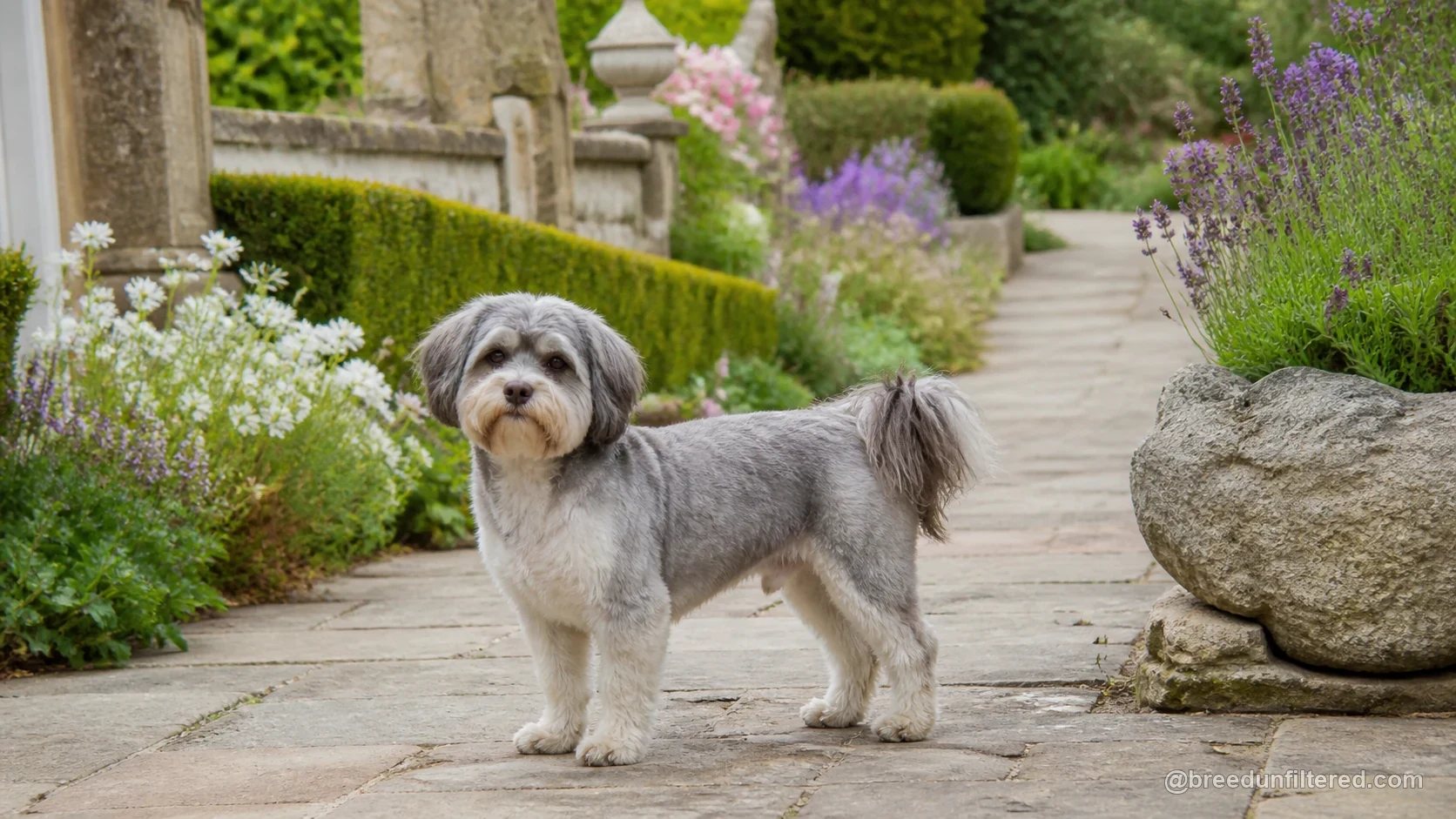
The Little Lion Dog, also known as the Petit Chien Lion, is a rare companion breed with a distinctive lion-like clip. Recognized definitively by the FCI under standard number 233, this small dog has a history that traces back centuries, often associated with Mediterranean nobility. Despite its regal appearance, the breed is known for its affectionate and playful nature, making it a potential match for those seeking a devoted companion.
Prospective owners should understand that the Little Lion Dog is not a high-energy working breed but rather a companion that thrives on human interaction. Its intelligence and eagerness to please can make training a rewarding experience, but its sensitive nature requires a gentle, consistent approach. This article provides an evidence-conscious overview of the breed's origin, temperament, care needs, and responsibilities, helping you decide if this charming dog fits your lifestyle.
Origin and Purpose
The Little Lion Dog's exact origins are debated, but it is believed to have been a favorite of European aristocrats, particularly in France and Italy, during the Renaissance. Depictions in paintings and tapestries suggest the breed was a cherished lapdog, often seen in the company of nobility. Its name derives from the traditional lion clip, which trims the rear half of the body while leaving a mane of hair around the head and shoulders, mimicking a lion's appearance.
Historically, the breed's purpose was purely companionship, providing warmth and entertainment to its owners. The FCI classifies it in Group 9, Companion and Toy Dogs, reflecting its role as a companion. Today, the Little Lion Dog remains a rare breed, with dedicated enthusiasts working to preserve its unique characteristics and gentle disposition.
Temperament and Variation
The Little Lion Dog is often described as cheerful, affectionate, and lively. It tends to form strong bonds with its family and may enjoy being involved in daily activities. While individual temperaments vary, the breed is generally known for its playful and sociable nature, often getting along well with children and other pets when properly introduced. Its intelligence can make it a quick learner, but it may also exhibit a stubborn streak if not motivated.
As with any breed, early socialization is crucial to help a Little Lion Dog develop into a well-rounded adult. Exposure to various people, environments, and situations can reduce the likelihood of shyness or anxiety. Prospective owners should be prepared for a dog that may be sensitive to harsh tones, as this breed often responds best to positive reinforcement and gentle guidance.
Exercise and Mental Work
The Little Lion Dog is a small breed with moderate exercise needs. Daily walks and play sessions in a securely fenced area can help meet its physical activity requirements. While it may enjoy a good romp, it is not a high-energy dog and can adapt to apartment living if given regular opportunities to stretch its legs. Mental stimulation is equally important; puzzle toys, training games, and interactive play can keep its mind sharp and prevent boredom.
Because of its intelligence, the Little Lion Dog may benefit from activities that challenge its problem-solving abilities. Simple obedience exercises, trick training, or even canine sports like agility (adapted for its size) can provide both mental and physical enrichment. Owners should avoid overexertion, especially in hot weather, as the breed's small size and potential for respiratory sensitivity warrant caution.
Training and Socialisation
Training a Little Lion Dog can be a delightful experience due to its eagerness to please and responsiveness to positive methods. Consistency and patience are key, as the breed may become distracted or disinterested if training sessions are too long or repetitive. Short, fun sessions with treats and praise tend to yield the best results. Harsh corrections are generally counterproductive and can damage the trust between dog and owner.
Socialisation should begin early and continue throughout the dog's life. Introducing the puppy to a variety of people, friendly dogs, and novel environments can help build confidence and reduce the risk of fear-based behaviors. Puppy classes or supervised playdates can be excellent venues for social learning. A well-socialized Little Lion Dog is more likely to be a relaxed and adaptable companion.
Family and Other Pets
The Little Lion Dog often thrives in a family environment, enjoying the attention and interaction that comes with a busy household. It can be a good match for families with older children who understand how to handle a small dog gently. As with any breed, supervision is recommended when the dog is around very young children to prevent accidental injury to either party. The breed's affectionate nature may make it a devoted companion for individuals and couples alike.
Regarding other pets, the Little Lion Dog generally has a sociable disposition and may get along well with other dogs and cats, especially if raised together. Its moderate prey drive means it might chase small animals, but with proper training and socialization, it can coexist peacefully. Early introductions and ongoing management can help ensure harmonious relationships within a multi-pet household.
Grooming and Health
The Little Lion Dog's coat is one of its most distinctive features, requiring regular grooming to maintain its appearance and health. The traditional lion clip involves shaving the rear half of the body, leaving a mane around the head and shoulders, and a pom on the tail. This clip reduces matting, but the remaining hair still needs daily brushing to prevent tangles. Regular baths, ear cleaning, and nail trimming are also part of the grooming routine.
As a breed, the Little Lion Dog may be prone to certain health conditions, though responsible breeding practices can reduce risks. Potential issues include patellar luxation, dental problems, and eye conditions. Prospective owners should seek breeders who perform health screenings and provide health clearances. Regular veterinary check-ups, a balanced diet, and appropriate exercise can contribute to a long, healthy life. It is essential to consult with a veterinarian for personalized advice.
Costs and Responsibility
Owning a Little Lion Dog involves financial and time commitments. Initial costs include the purchase price, which can be significant due to the breed's rarity, as well as supplies such as a crate, bedding, and grooming tools. Ongoing expenses include high-quality food, routine veterinary care, grooming services (if not done at home), and pet insurance. Emergency medical costs can be substantial, so planning is wise.
Beyond finances, the responsibility of caring for a living being should not be underestimated. The Little Lion Dog requires daily companionship, mental stimulation, and grooming. It may not thrive if left alone for long periods, as it is a social breed. Prospective owners should assess their lifestyle, living situation, and ability to provide a lifelong commitment before bringing a Little Lion Dog home. Researching reputable breeders or rescue organizations is a crucial first step.
Clear answers
FREQUENTLY ASKED QUESTIONS
Is the Little Lion Dog a good choice for first-time dog owners?
The Little Lion Dog can be a good choice for first-time owners due to its moderate energy and trainability, but its grooming needs and sensitivity require dedication. Novice owners should be prepared for regular brushing and gentle, positive training methods. With proper research and commitment, a first-time owner can successfully raise a well-adjusted Little Lion Dog.
How much exercise does a Little Lion Dog need?
The Little Lion Dog has moderate exercise needs, typically satisfied with daily walks and play sessions. It is not a high-energy breed, but it enjoys interactive activities. Mental stimulation is equally important to prevent boredom. Owners should adapt exercise to the dog's age and health, avoiding overexertion, especially in hot weather.
Does the Little Lion Dog shed a lot?
The Little Lion Dog has a single coat that sheds minimally, making it a potentially suitable choice for some allergy sufferers. However, regular grooming is essential to prevent matting and keep the coat healthy. The traditional lion clip reduces shedding but requires maintenance. No dog is truly hypoallergenic, so spending time with the breed is advisable.
Are Little Lion Dogs good with children?
Little Lion Dogs can be good with children, especially when raised with them and properly socialized. They are generally affectionate and playful, but due to their small size, they can be easily injured by rough handling. Supervision and teaching children how to interact gently are important to ensure a positive relationship for both the dog and the child.
What health issues are common in Little Lion Dogs?
Like many small breeds, Little Lion Dogs may be prone to patellar luxation, dental disease, and certain eye conditions. Responsible breeders screen for these issues, but no breed is free from health concerns. Regular veterinary check-ups, a balanced diet, and good dental hygiene can help mitigate risks. Always consult a veterinarian for specific health advice.
Sources and further reading
Scores describe typical breed tendencies from 1 to 10. They are not a quality ranking or a prediction for an individual dog.
Size and presence1/10
CompactVery large
Physical strength2/10
LightExceptional
Energy level6/10
LowRelentless
Exercise demand5/10
ModestVery demanding
Mental work needed6/10
ModerateDaily job
Trainability6/10
ChallengingExceptional
Everyday manageability6/10
SpecialistStraightforward
First-time owner fit9/10
Poor fitGood fit
Family-life fit8/10
LimitedExcellent
Dog sociability7/10
SelectiveVery social
Prey drive4/10
LowVery high
Guarding tendency3/10
MinimalSerious
Independence7/10
Handler-focusedSelf-directed
Grooming demand9/10
LightHeavy
Apartment fit9/10
Poor fitGood fit