Complete breed guide
Landseer (European Continental Type) OWNERSHIP GUIDE
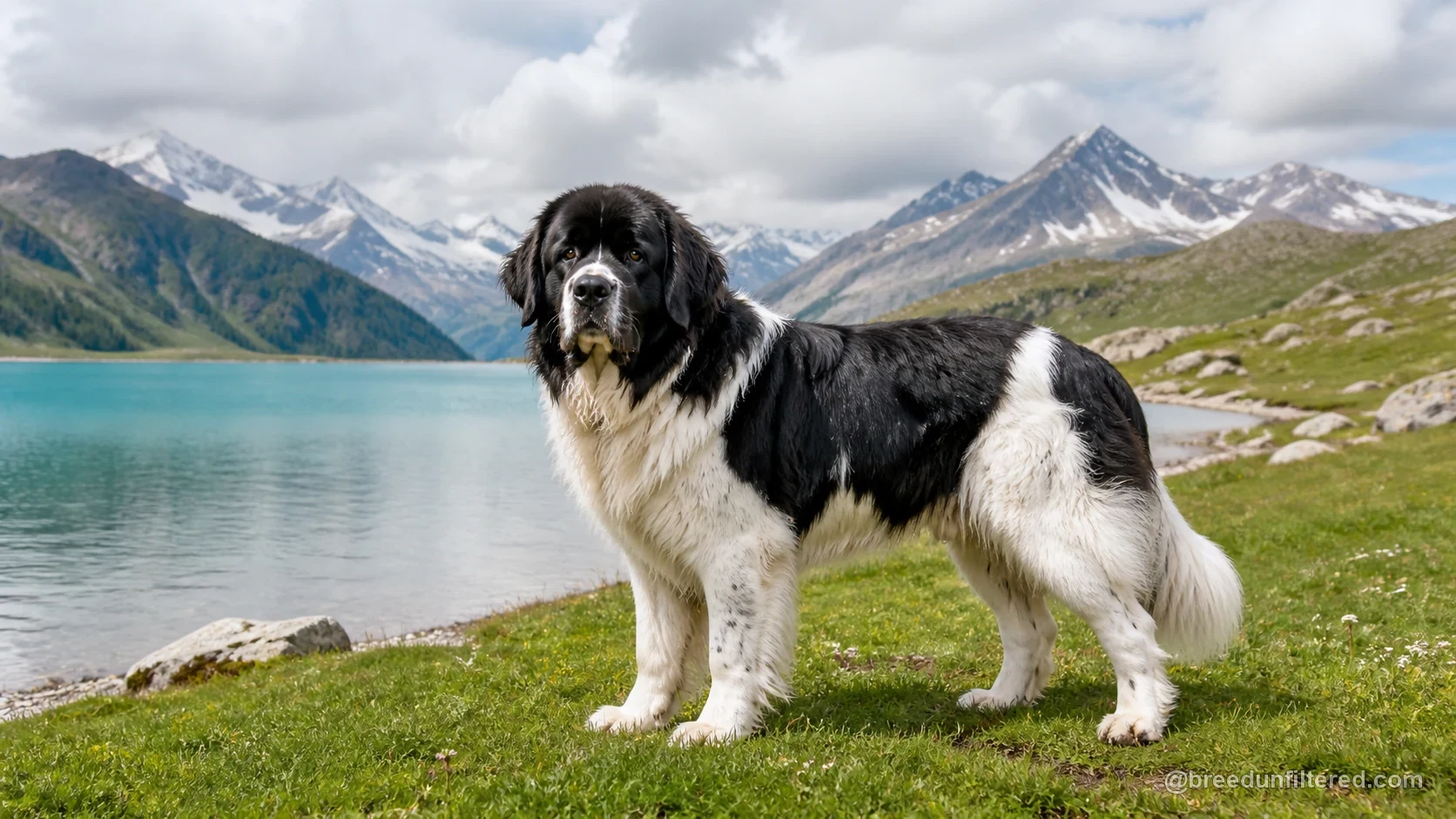
The Landseer (European Continental Type) is a large, striking black-and-white dog, often mistaken for a Newfoundland but recognized as a distinct breed by the Fédération Cynologique Internationale (FCI). Its name honors the painter Sir Edwin Landseer, who famously depicted these dogs in his art. This breed is known for its calm, gentle demeanor and its historical role as a water rescue dog, particularly in the cold waters of the North Atlantic.
Prospective owners should understand that the Landseer is a substantial commitment. They are powerful, intelligent, and deeply loyal, but they also require ample space, regular exercise, and consistent training. This article provides an evidence-conscious overview of the breed's origins, temperament, care needs, and potential challenges, helping you decide if this noble dog is the right fit for your home.
Origin and Purpose
The Landseer's history is intertwined with that of the Newfoundland, from which it diverged in the 20th century. The FCI recognizes two distinct types: the Newfoundland and the Landseer (European Continental Type). The Landseer is believed to have been developed in Europe, particularly in Germany and Switzerland, with a focus on preserving the black-and-white coloration and a slightly different conformation. Historically, these dogs were used by fishermen to haul nets and perform water rescues, leveraging their strength, endurance, and natural swimming ability.
The breed's name pays tribute to Sir Edwin Landseer, a 19th-century British painter who featured black-and-white dogs in his works, such as 'A Distinguished Member of the Humane Society.' While the exact lineage is debated, the Landseer as a distinct breed has been standardized, with the FCI publishing its first standard in 1960. Today, they are primarily companion animals, but their working heritage still influences their need for activity and purpose.
Temperament and Variation
Landseers are generally described as calm, gentle, and patient. They are known for their affectionate nature with family members and a particular affinity for children. Their temperament is often compared to that of the Newfoundland, but some enthusiasts note that Landseers may be slightly more energetic and playful. However, individual variation is significant, and early socialization plays a crucial role in shaping a dog's personality. They are typically not aggressive, but their size alone can be intimidating, so proper training is essential.
As with any breed, there is variation in temperament. Some Landseers may be more reserved with strangers, while others are outgoing. They are generally not known for high prey drive, but they may show interest in small animals. Their guarding tendency is low; they are more likely to greet a visitor than to deter them. This makes them poor watchdogs but excellent family companions. Prospective owners should meet several dogs and speak with breeders to understand the range of temperaments within the breed.
Exercise and Mental Work
Landseers are a large, working breed with moderate to high energy levels. They require daily exercise to maintain physical health and mental well-being. This can include brisk walks, swimming, or play sessions in a securely fenced area. Their historical role as water rescue dogs means they often love to swim, and this is an excellent low-impact exercise for their joints. However, it is important to avoid excessive exercise in young dogs to protect developing bones and joints.
Mental stimulation is equally important. Landseers are intelligent and can become bored if left without challenges. Puzzle toys, obedience training, and scent games can help keep their minds engaged. They also thrive when given a job, such as carrying a backpack on hikes or participating in water rescue demonstrations. Without adequate mental and physical activity, they may develop destructive behaviors like chewing or digging. A well-exercised Landseer is typically calm and content indoors.
Training and Socialisation
Training a Landseer requires patience, consistency, and positive reinforcement. They are generally eager to please and respond well to reward-based methods. Harsh corrections are unnecessary and can damage the trust between dog and owner. Early socialization is critical to ensure they grow into well-adjusted adults. Expose them to a variety of people, animals, environments, and sounds from a young age. Puppy classes and supervised interactions with other dogs can help build confidence.
Due to their size, basic obedience is non-negotiable. A Landseer that pulls on the leash or jumps on visitors can be a liability. Teaching reliable recall is especially important, as they may be tempted to investigate interesting scents or other animals. They are generally not stubborn, but they can be independent thinkers, so training sessions should be varied and engaging. Consistency across all family members is key to avoiding confusion.
Family and Other Pets
Landseers are known for their gentle nature with children, making them a popular choice for families. They are typically patient and tolerant, but their large size means supervision is necessary to prevent accidental knocks or bumps. Teaching children how to interact respectfully with dogs is essential. They often form strong bonds with all family members and may follow them from room to room. They are not typically 'one-person' dogs and usually enjoy being part of family activities.
With other pets, Landseers generally get along well, especially if raised together. They have a low prey drive, so they may coexist peacefully with cats and small animals. However, their size and playful nature could be overwhelming for very small pets, so introductions should be gradual and controlled. They are usually sociable with other dogs, though same-sex aggression can occur in some individuals. Early socialization and neutering can help reduce potential conflicts.
Grooming and Health
The Landseer has a double coat that is water-resistant and sheds seasonally. Regular grooming is necessary to manage shedding and prevent mats. Brushing two to three times a week is typical, with daily brushing during heavy shedding periods. They are not considered hypoallergenic. Bathing should be done as needed, and regular ear cleaning, nail trimming, and dental care are important. Their coat is relatively easy to maintain, but the sheer size of the dog can make grooming a time-consuming task.
As a large breed, Landseers are prone to certain health conditions, including hip and elbow dysplasia, cardiac issues, and bloat (gastric dilatation-volvulus). Responsible breeders screen for these conditions. It is crucial to feed a high-quality diet appropriate for large breeds and to avoid vigorous exercise immediately before or after meals to reduce bloat risk. Regular veterinary check-ups are essential. The average lifespan is around 8 to 10 years, which is typical for giant breeds.
Costs and Responsibility
Owning a Landseer is a significant financial and time commitment. Initial costs include the purchase price from a reputable breeder, which can be substantial, as well as supplies like a crate, bedding, and grooming tools. Ongoing expenses include high-quality food, routine veterinary care, vaccinations, and pet insurance. Large breeds eat more and may have higher medical costs, especially for joint issues. Emergency veterinary care can be expensive, so planning is essential.
Beyond finances, Landseers require a considerable amount of time and attention. They are not suited to apartment living unless the owner is exceptionally dedicated to providing exercise and space. They need a home with a securely fenced yard and an owner who is home often. They are social animals and can suffer from separation anxiety if left alone for long periods. Prospective owners should honestly assess their lifestyle and ability to meet the breed's needs before committing.
Clear answers
FREQUENTLY ASKED QUESTIONS
Is the Landseer the same as a Newfoundland?
No, the Landseer (European Continental Type) is a distinct breed recognized by the FCI, separate from the Newfoundland. While they share a common ancestry, the Landseer is bred to a different standard, emphasizing the black-and-white coloration and certain conformational differences. The Newfoundland is typically solid black, brown, or gray, while the Landseer is always white with black patches.
Are Landseers good with children?
Landseers are generally known for their gentle and patient nature, making them good companions for children. However, due to their large size, supervision is always recommended to prevent accidental injury. Teaching children how to interact respectfully with dogs is important. Early socialization and training are key to ensuring a well-mannered dog around kids.
How much exercise does a Landseer need?
Landseers are a working breed with moderate to high energy levels. They typically need at least an hour of exercise daily, which can include walks, swimming, or playtime. Mental stimulation is also important to prevent boredom. Puppies should have controlled exercise to protect their developing joints, and activities should be adjusted to the individual dog's age and health.
Do Landseers shed a lot?
Yes, Landseers shed seasonally and require regular grooming to manage loose hair. Brushing two to three times a week is typical, with daily brushing during heavy shedding periods. They are not hypoallergenic. Regular grooming also helps keep their coat healthy and reduces the amount of hair around the home.
Are Landseers easy to train?
Landseers are intelligent and generally eager to please, making them trainable with positive reinforcement methods. They respond well to consistent, patient training. However, they can be independent at times, so training sessions should be engaging and varied. Early socialization and obedience training are essential for this large breed.
Sources and further reading
15-point breed scorecard
LANDSEER (EUROPEAN CONTINENTAL TYPE) AT A GLANCE
Compare this breedScores describe typical breed tendencies from 1 to 10. They are not a quality ranking or a prediction for an individual dog.
Size and presence10/10
CompactVery large
Physical strength10/10
LightExceptional
Energy level7/10
LowRelentless
Exercise demand7/10
ModestVery demanding
Mental work needed7/10
ModerateDaily job
Trainability7/10
ChallengingExceptional
Everyday manageability1/10
SpecialistStraightforward
First-time owner fit3/10
Poor fitGood fit
Family-life fit6/10
LimitedExcellent
Dog sociability3/10
SelectiveVery social
Prey drive8/10
LowVery high
Guarding tendency8/10
MinimalSerious
Independence7/10
Handler-focusedSelf-directed
Grooming demand7/10
LightHeavy
Apartment fit1/10
Poor fitGood fit