Complete breed guide
Spanish Greyhound OWNERSHIP GUIDE
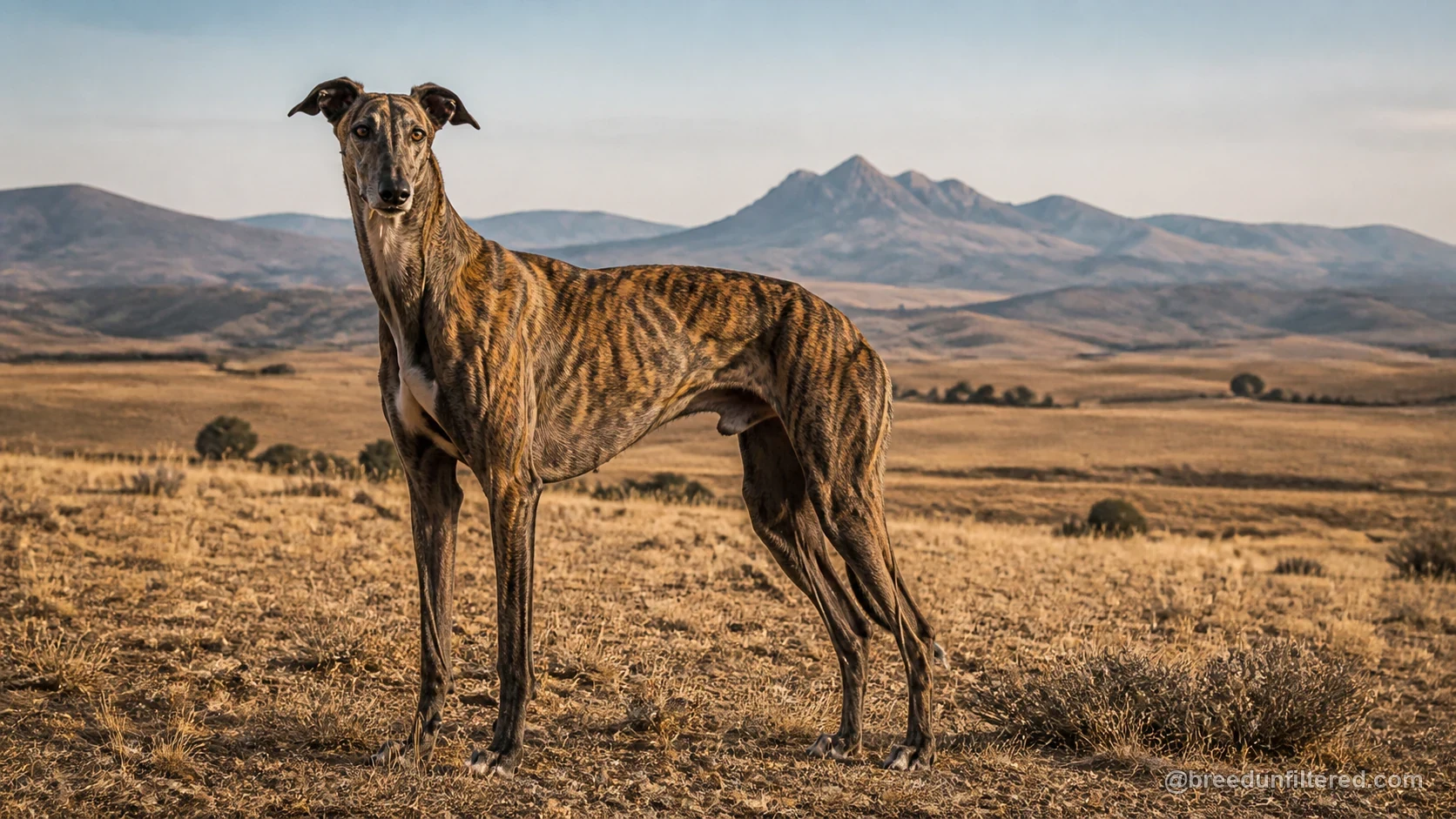
The Spanish Greyhound, or Galgo Español, is a sighthound of ancient lineage, traditionally used for coursing and hunting in Spain. Recognized by the FCI in Group 10, this breed is known for its slender, athletic build and remarkable speed. However, beyond its physical prowess, the Galgo is often described as a gentle, sensitive companion, forming deep bonds with its family. Prospective owners should understand that this breed carries a unique set of needs and characteristics that require thoughtful consideration.
While the Galgo shares ancestry with other sighthounds, it has its own distinct temperament and care requirements. They are typically calm and quiet indoors, but they possess a strong prey drive and an instinct to chase. Their history as working dogs means they are resilient and adaptable, yet they can be sensitive to harsh training methods. This article aims to provide a balanced overview of the Spanish Greyhound, covering their origin, temperament, exercise needs, training, family compatibility, grooming, health, and the responsibilities of ownership.
Origin and Purpose
The Spanish Greyhound has a long history on the Iberian Peninsula, where it was developed for coursing hares and other game. Their name 'Galgo' is derived from the Latin 'canis gallicus', and they are considered one of the oldest sighthound breeds in Spain. Historically, they were prized by nobility for their hunting abilities, but they also served as companions and guardians of flocks. Their lean, aerodynamic build and exceptional eyesight made them well-suited for the open terrain of Spain.
Today, the breed is still used for hunting in some regions, but they have also gained popularity as companion animals. Unfortunately, many Galgos are abandoned or mistreated after hunting season, leading to a significant rescue movement. Understanding their working background is crucial for prospective owners, as it explains their high prey drive, endurance, and need for regular, off-leash exercise in safe areas. The FCI recognizes the breed under standard number 285, and it is classified in Group 10, which includes sighthounds.
Temperament and Variation
The Spanish Greyhound is often described as gentle, affectionate, and somewhat reserved with strangers. They are typically loyal to their family and can be quite sensitive, responding best to positive reinforcement and a calm environment. While they are not typically aggressive, they may be aloof or shy if not properly socialized. Individual temperaments can vary, with some Galgos being more outgoing and others more timid, reflecting their diverse backgrounds and experiences.
There are two coat varieties: smooth and wirehaired, with the wirehaired type having a rougher, longer coat. Both types share similar temperaments, but coat care differs slightly. It's important to note that many Galgos in rescue have unknown histories, which can influence their behavior. Prospective owners should be prepared to work with a dog that may need time to adjust and build trust. Patience and understanding are key to helping a Galgo thrive in a home environment.
Exercise and Mental Work
As a sighthound, the Spanish Greyhound requires regular opportunities to run and stretch its legs. They are sprinters, not endurance runners, so a few short bursts of high-speed running in a securely fenced area are ideal. Daily walks are essential, but they also need a safe space to run off-leash, as their prey drive can be triggered by small animals. Without adequate exercise, they may become restless or develop behavioral issues.
Mental stimulation is equally important. Galgos are intelligent and can become bored easily. Puzzle toys, scent games, and training sessions that challenge their minds can help keep them content. They also enjoy activities like lure coursing, which taps into their natural instincts. However, it's crucial to balance physical and mental exertion to prevent over-tiring a dog that may not always show signs of fatigue. Owners should be mindful of their Galgo's limits and provide a variety of enrichment.
Training and Socialisation
Training a Spanish Greyhound requires patience and a gentle approach. They are sensitive and do not respond well to harsh corrections or force. Positive reinforcement methods, such as treats and praise, work best. They are generally eager to please but can be independent thinkers, so consistency and short, engaging sessions are recommended. Early socialization is crucial to help them become well-adjusted adults, especially given their natural wariness of strangers.
Socialization should include exposure to various people, environments, and other animals in a controlled, positive manner. Galgos can get along with other dogs, especially if they are raised together, but their prey drive may make them unsafe around small pets like cats or rabbits. It's important to manage their environment and never assume they will be reliable off-leash in unfenced areas. Training should also focus on recall, as their instinct to chase can override their obedience.
Family and Pets
Spanish Greyhounds can make wonderful family companions for those who understand their needs. They are typically gentle and affectionate with their family members, including children, though they may be better suited to homes with older children who respect their space. They are not known for being overly protective, but they can be alert. Their calm demeanor indoors makes them suitable for apartment living if their exercise needs are met.
When it comes to other pets, Galgos have a strong prey drive, which means they may not be safe with small animals such as cats, rabbits, or guinea pigs. They can coexist with other dogs, especially if they are socialized from a young age, but introductions should be gradual and supervised. It's essential to consider the individual dog's history and temperament, as some Galgos may have a higher prey drive than others. Responsible ownership involves managing these instincts to ensure the safety of all pets.
Grooming and Health
Grooming needs for the Spanish Greyhound are relatively low. The smooth-coated variety requires minimal brushing, while the wirehaired variety may need occasional hand-stripping or brushing to remove dead hair. They are generally clean dogs and do not have a strong odor. Regular nail trimming, ear cleaning, and dental care are important for overall health. Their thin skin and lack of body fat mean they are sensitive to cold and may need a coat in winter.
As a breed, Galgos are generally healthy, but like all dogs, they can be prone to certain conditions. These may include bone and joint issues, such as osteosarcoma, and some eye problems. They are also sensitive to anesthesia and certain medications due to their low body fat. It's crucial to work with a veterinarian who is familiar with sighthounds. Regular check-ups, a balanced diet, and appropriate exercise can help maintain their health. Prospective owners should be aware of potential health costs and ensure they can provide necessary care.
Costs and Responsibility
Owning a Spanish Greyhound involves financial and time commitments. Initial costs include adoption fees or purchase price, which can vary widely. Ongoing expenses include high-quality food, routine veterinary care, vaccinations, and preventive medications. Additionally, because Galgos are prone to injuries from running, owners should be prepared for potential emergency vet bills. Pet insurance is often recommended to help mitigate these costs.
Beyond finances, responsible ownership means providing a safe environment, adequate exercise, and mental stimulation. It also involves committing to the dog's entire lifespan, which can be 12 to 14 years. Galgos are sensitive and form strong bonds, so rehoming can be traumatic. Prospective owners should consider their lifestyle, living situation, and ability to meet the breed's needs. Adopting from a rescue organization is a rewarding option, as many Galgos are in need of loving homes.
Clear answers
FREQUENTLY ASKED QUESTIONS
Are Spanish Greyhounds good with children?
Spanish Greyhounds can be good with children, especially if they are raised together and properly socialized. They are typically gentle and patient, but their sensitive nature means they may not tolerate rough handling. It's important to teach children how to interact respectfully with the dog and to supervise interactions, especially with younger kids. Each dog is an individual, so it's essential to assess the dog's temperament and history.
How much exercise does a Spanish Greyhound need?
Spanish Greyhounds are sprinters and need regular opportunities to run at full speed in a safe, fenced area. They typically require at least one or two daily walks, plus a few short bursts of running each week. Mental stimulation is also important to prevent boredom. However, they are not high-energy dogs indoors and are often content to lounge after exercise. The exact amount varies by age and individual, so it's best to observe your dog's needs.
Are Spanish Greyhounds easy to train?
Spanish Greyhounds are intelligent but can be independent and sensitive. They respond best to positive reinforcement methods, such as treats and praise, and do poorly with harsh corrections. Training sessions should be short and engaging to maintain their interest. Early socialization and consistent, patient training can help them become well-behaved companions. However, their prey drive can make recall challenging, so reliable off-leash training is difficult.
Do Spanish Greyhounds get along with other pets?
Spanish Greyhounds have a strong prey drive, which can make them unsafe around small animals like cats, rabbits, or rodents. They can generally get along with other dogs, especially if they are socialized from a young age, but introductions should be gradual and supervised. It's important to consider the individual dog's history and temperament, as some may have a higher prey drive than others. Never leave them unsupervised with small pets.
What are common health issues in Spanish Greyhounds?
Spanish Greyhounds are generally healthy, but they can be prone to certain conditions like bone cancer (osteosarcoma), bloat, and eye issues. They are also sensitive to anesthesia and some medications due to their low body fat. Regular veterinary check-ups, a balanced diet, and appropriate exercise can help maintain their health. It's important to work with a vet who understands sighthound-specific needs and to be aware of potential health costs.
Sources and further reading
Scores describe typical breed tendencies from 1 to 10. They are not a quality ranking or a prediction for an individual dog.
Size and presence6/10
CompactVery large
Physical strength6/10
LightExceptional
Energy level9/10
LowRelentless
Exercise demand9/10
ModestVery demanding
Mental work needed6/10
ModerateDaily job
Trainability6/10
ChallengingExceptional
Everyday manageability3/10
SpecialistStraightforward
First-time owner fit4/10
Poor fitGood fit
Family-life fit6/10
LimitedExcellent
Dog sociability7/10
SelectiveVery social
Prey drive10/10
LowVery high
Guarding tendency2/10
MinimalSerious
Independence8/10
Handler-focusedSelf-directed
Grooming demand3/10
LightHeavy
Apartment fit5/10
Poor fitGood fit