Complete breed guide
Old English Sheepdog OWNERSHIP GUIDE
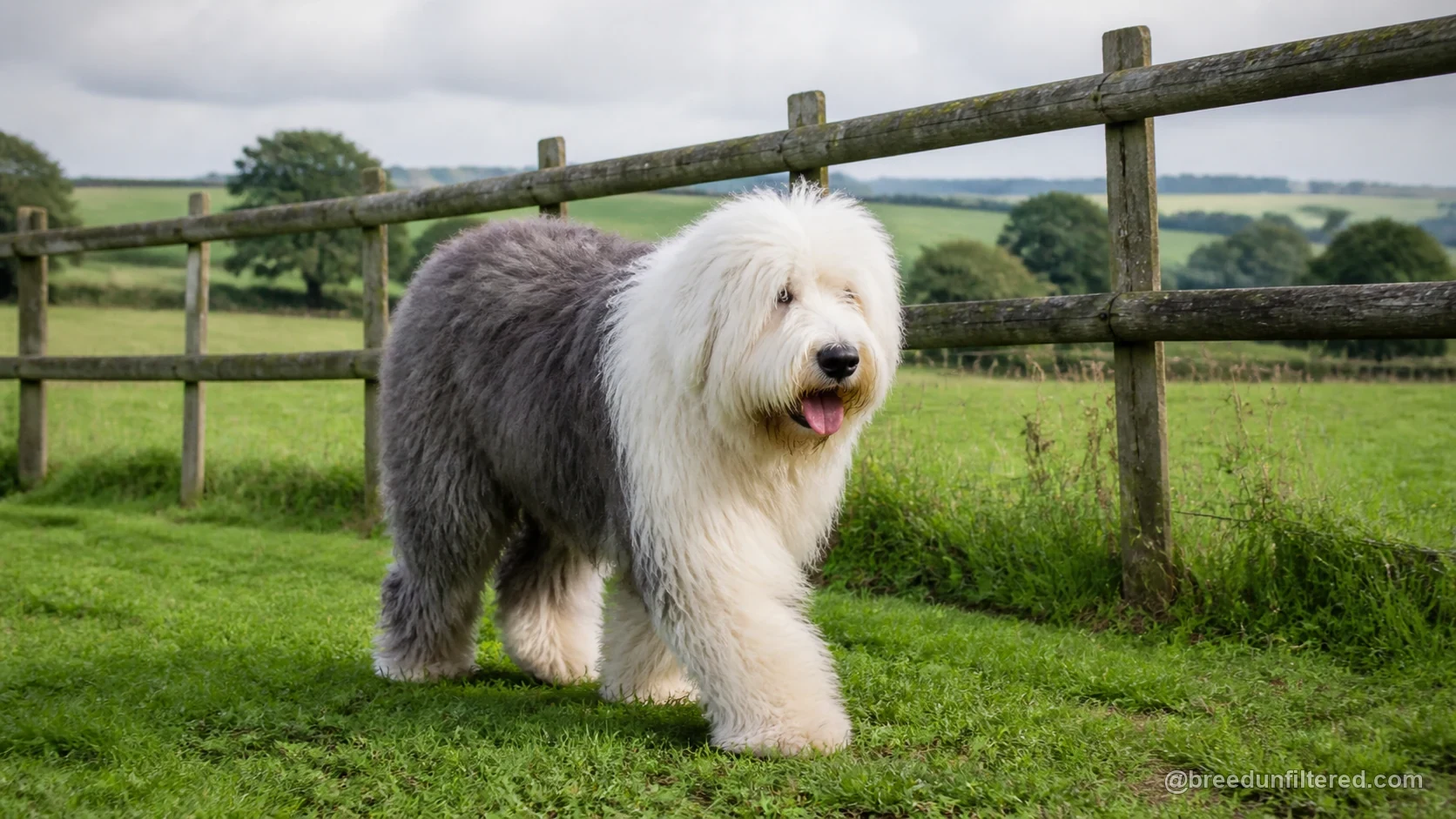
The Old English Sheepdog, affectionately known as the Bobtail, is a large, shaggy herding dog with a history rooted in the farms of western England. Recognized by the FCI in Group 1 (Sheepdogs and Cattle Dogs), this breed was developed to drive cattle and sheep to market, a task that required intelligence, endurance, and a sturdy build. Today, they are cherished companions known for their distinctive bear-like gait and profuse coat, but their working heritage still shapes their needs and temperament.
Prospective owners should understand that the Old English Sheepdog is not a low-maintenance pet. They demand regular grooming, consistent training, and ample mental and physical activity. While they can be affectionate and playful family members, their size, strength, and herding instincts require an experienced hand. This guide provides a balanced overview of the breed's characteristics, care requirements, and the responsibilities that come with sharing your life with a Bobtail.
Origin and Purpose
The Old English Sheepdog originated in the western counties of England, where farmers needed a hardy dog to drive livestock over long distances. Their exact ancestry is uncertain, but they likely descend from various herding and drover dogs, possibly including the Bearded Collie and the Russian Owtchar. The breed's hallmark 'bobtail' (a naturally short or absent tail) was historically a mark of a drover's dog, as it exempted them from taxation in some regions.
Their primary role was to move sheep and cattle from rural farms to urban markets, a job that required independence, stamina, and a loud, intimidating bark. This working background explains their strong herding instincts, protective nature, and need for a job to do. While they are no longer common on farms, these traits persist, making them best suited to active households that can channel their energy and intelligence constructively.
Temperament and Variation
Old English Sheepdogs are often described as gentle, adaptable, and clownish, with a strong desire to be near their people. They typically form close bonds with their family and can be particularly good with children, often displaying a patient and playful demeanor. However, they are also known for their stubborn streak and can be willful if not properly motivated. Individual temperament varies, influenced by genetics, socialization, and training.
While they are generally friendly, their herding instinct may lead them to 'herd' children or other pets, which can be managed with training. They can be reserved with strangers, making them decent watchdogs, but they are not typically aggressive. Early and ongoing socialization is crucial to ensure they grow into well-rounded adults. Prospective owners should meet multiple dogs and seek reputable breeders to understand the range of temperaments within the breed.
Exercise and Mental Work
The Old English Sheepdog is an energetic breed that requires regular exercise to stay healthy and content. Daily walks, play sessions, and opportunities to run in a securely fenced area are essential. However, their exercise needs are not extreme; they are not marathon runners but enjoy moderate activity. Mental stimulation is equally important, as they are intelligent dogs that can become bored and destructive if left without challenges.
Engaging their minds through puzzle toys, obedience training, or dog sports like herding trials or agility can be highly rewarding. They thrive when they have a 'job' to do, whether it's learning new tricks or participating in canine activities. Without adequate mental and physical outlets, they may develop undesirable behaviors such as excessive barking or chewing. Owners should be prepared to dedicate time each day to both exercise and mental enrichment.
Training and Socialisation
Training an Old English Sheepdog requires patience, consistency, and positive reinforcement methods. They are intelligent but can be independent and sometimes stubborn, so harsh methods are counterproductive. Early socialization is vital to expose them to various people, animals, and environments, helping to prevent shyness or overprotectiveness. Puppy classes and ongoing training can strengthen the bond between dog and owner.
Their herding background means they respond well to clear commands and structure. They excel in activities that involve problem-solving, but they may also test boundaries. Using treats, praise, and play as rewards can keep them engaged. It's important to establish leadership without being heavy-handed, as they respect confident and fair guidance. With consistent training, they can become well-mannered companions, but novice owners may find their willfulness challenging.
Family and Other Pets
Old English Sheepdogs are generally good with children and can be wonderful family dogs. Their playful and protective nature makes them devoted companions, and they often enjoy being part of family activities. However, their large size and herding instincts mean they should be supervised around very young children to prevent accidental knocking over. They may also try to herd children, which can be redirected with training.
With other pets, they can coexist peacefully if raised together, but their herding instinct may cause them to chase or nip at smaller animals. They typically get along with other dogs, especially if socialized early. However, they may attempt to herd cats or livestock, so introductions should be managed. As with any breed, individual temperament varies, and proper socialization is key to fostering harmonious relationships.
Grooming and Health
The Old English Sheepdog's profuse double coat is one of its most distinctive features, but it requires significant upkeep. Daily brushing is necessary to prevent mats and tangles, and professional grooming every few months is often recommended. Their coat sheds moderately, and they may 'blow' their undercoat seasonally. Regular ear cleaning, nail trimming, and dental care are also part of the routine.
As a breed, Old English Sheepdogs may be prone to certain health conditions, including hip dysplasia, progressive retinal atrophy, and hypothyroidism. Responsible breeders screen for these issues, but owners should be prepared for potential veterinary costs. Their average lifespan is around 10-12 years. Regular check-ups and a healthy diet can help maintain their well-being, but prospective owners should consider pet insurance and budget for possible health care needs.
Costs and Responsibility
Owning an Old English Sheepdog involves significant financial and time commitments. Initial costs include purchasing from a reputable breeder (often several hundred to over a thousand dollars) or adoption fees, plus supplies like a crate, bedding, and grooming tools. Ongoing expenses include high-quality food, routine veterinary care, grooming services, and potential emergency medical costs. Pet insurance can help mitigate some of these expenses.
Beyond finances, owners must dedicate time to daily exercise, grooming, and training. This breed thrives on human companionship and may suffer from separation anxiety if left alone for long periods. They are not ideal for people who are away from home frequently or who cannot commit to their care. Responsible ownership also involves proper socialization and training to ensure they are well-behaved members of the community. Prospective owners should honestly assess their lifestyle and resources before bringing a Bobtail home.
Clear answers
FREQUENTLY ASKED QUESTIONS
Are Old English Sheepdogs good with children?
Old English Sheepdogs can be excellent with children, often being patient, gentle, and playful. However, their large size and herding instincts mean they should be supervised around very young children to prevent accidental knocking over. Early socialization and training can help them learn appropriate behavior, and they typically form strong bonds with family members, making them loving companions for kids who respect their space.
How much grooming does an Old English Sheepdog need?
Old English Sheepdogs require significant grooming due to their long, thick double coat. Daily brushing is essential to prevent mats and tangles, and professional grooming every 4-6 weeks is often recommended to keep the coat healthy and manageable. They also shed moderately, with heavier seasonal shedding. Regular ear cleaning, nail trimming, and dental care are also necessary parts of their grooming routine.
Are Old English Sheepdogs easy to train?
Old English Sheepdogs are intelligent and can be trained, but they have a stubborn and independent streak. They respond best to positive reinforcement methods, such as treats and praise, and consistent, patient training. Early socialization and obedience classes are highly recommended. While they can excel in activities like agility or herding, novice owners may find their willfulness challenging, so a firm but gentle approach is key.
Do Old English Sheepdogs need a lot of exercise?
Old English Sheepdogs have moderate to high exercise needs. They require daily walks and playtime, but they are not extreme athletes. Mental stimulation is equally important to prevent boredom and destructive behaviors. Activities like puzzle toys, training sessions, or dog sports can help meet their needs. A securely fenced yard is beneficial, but they can adapt to apartment living if given sufficient exercise and attention.
What health issues are common in Old English Sheepdogs?
Old English Sheepdogs may be prone to certain health conditions, including hip dysplasia, progressive retinal atrophy (PRA), and hypothyroidism. They can also be susceptible to bloat, a life-threatening stomach condition. Responsible breeders screen for these issues, but owners should be aware of potential health care costs. Regular veterinary check-ups and a healthy lifestyle can help manage risks, but pet insurance is often recommended.
Sources and further reading
Scores describe typical breed tendencies from 1 to 10. They are not a quality ranking or a prediction for an individual dog.
Size and presence6/10
CompactVery large
Physical strength5/10
LightExceptional
Energy level8/10
LowRelentless
Exercise demand8/10
ModestVery demanding
Mental work needed10/10
ModerateDaily job
Trainability7/10
ChallengingExceptional
Everyday manageability4/10
SpecialistStraightforward
First-time owner fit4/10
Poor fitGood fit
Family-life fit7/10
LimitedExcellent
Dog sociability6/10
SelectiveVery social
Prey drive7/10
LowVery high
Guarding tendency7/10
MinimalSerious
Independence7/10
Handler-focusedSelf-directed
Grooming demand8/10
LightHeavy
Apartment fit4/10
Poor fitGood fit