Complete breed guide
Korea Jindo Dog OWNERSHIP GUIDE
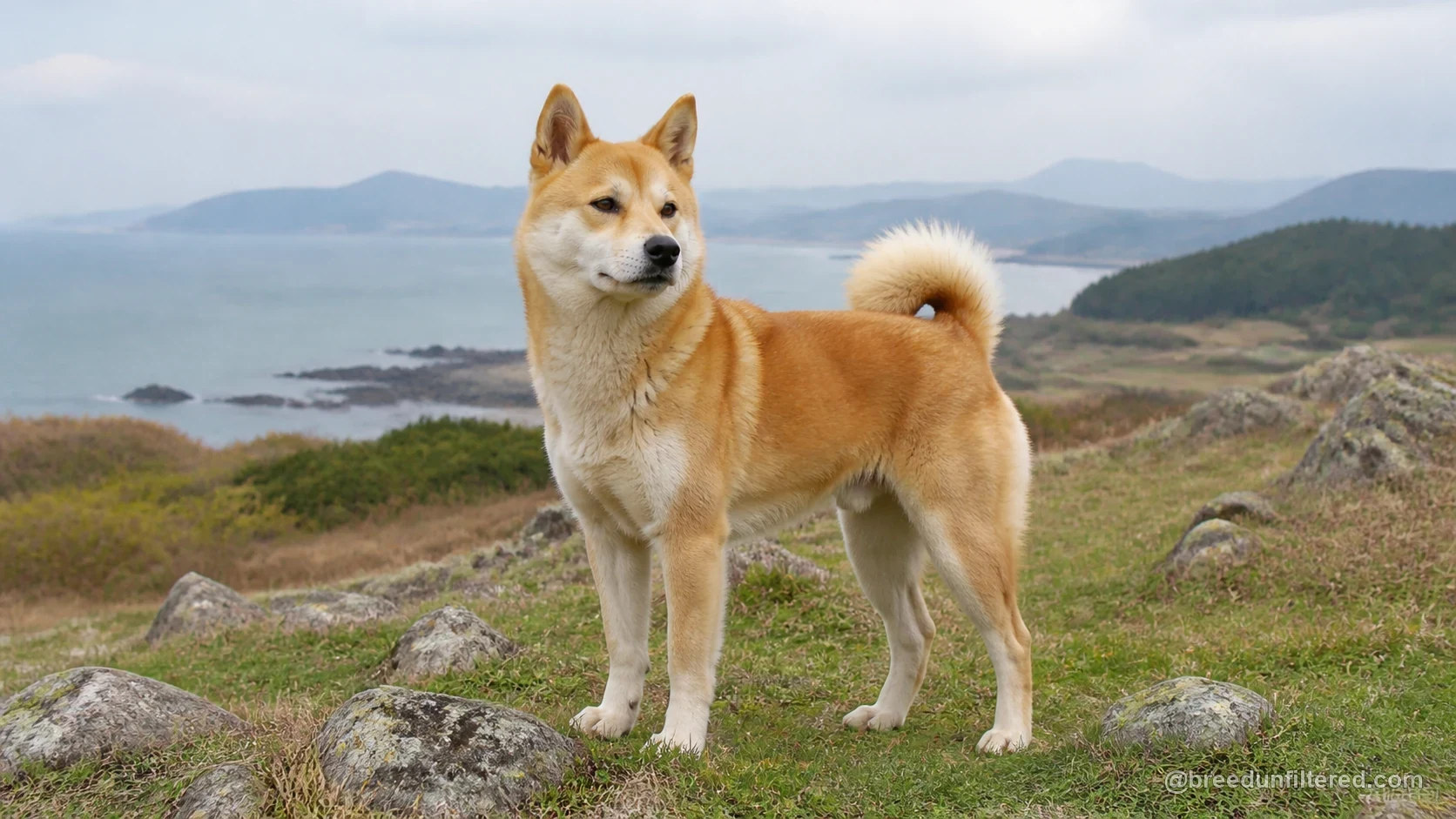
The Korea Jindo Dog, recognized by the FCI in Group 5, is a spitz-type breed native to Jindo Island in South Korea. Known for its loyalty and intelligence, the Jindo has a rich history as a hunting and companion dog. Its balanced, athletic build and distinctive double coat reflect its adaptation to a temperate climate and a life of activity.
Prospective owners should understand that the Jindo is not a typical first dog. It is independent, alert, and deeply bonded to its family, yet reserved with strangers. This breed thrives with experienced handlers who can provide consistent training, ample exercise, and mental challenges. This article offers an evidence-conscious overview of the Jindo's characteristics, care requirements, and the responsibilities of ownership.
Origin and Purpose
The Korea Jindo Dog originates from Jindo Island in South Korea, where it has been bred for centuries as a hunting dog for game such as deer and boar. Its history is intertwined with Korean culture, and it is considered a national treasure. The breed's development in relative isolation contributed to its distinct traits and genetic purity.
The Jindo's primary purpose was hunting, but it also served as a loyal companion and guardian. Its keen senses, agility, and endurance made it an effective hunter, while its protective instincts made it a reliable watchdog. Today, the Jindo is still used for hunting in some regions, but it is more commonly kept as a companion and show dog, recognized by the FCI under standard number 334.
Temperament and Variation
The Jindo is known for its loyalty, intelligence, and strong will. It forms deep bonds with its family and is often described as a one-family dog. While it can be affectionate with its own people, it tends to be aloof and wary of strangers. This breed is also known for its cleanliness and lack of doggy odor, which some owners appreciate.
There are two coat varieties: the standard (smooth) and the long-haired (fluffy). Both types share similar temperaments, but individual variation exists. Some Jindos may be more outgoing, while others are more reserved. Early socialization and training are crucial to help shape a well-adjusted adult. It is important to note that temperament is influenced by genetics, environment, and upbringing, so no universal guarantees can be made.
Exercise and Mental Work
The Jindo is an active and athletic breed that requires regular physical exercise to stay healthy and content. Daily walks, runs, or play sessions in a securely fenced area are beneficial. However, exercise needs can vary with age, health, and individual energy levels. Owners should adapt routines to their dog's condition and avoid overexertion, especially in hot weather.
Mental stimulation is equally important for this intelligent breed. Puzzle toys, scent games, and training sessions that challenge the mind can help prevent boredom and destructive behaviors. The Jindo's hunting background means it enjoys activities that engage its natural instincts, such as tracking or agility. Without adequate mental and physical outlets, a Jindo may become restless or develop behavioral issues.
Training and Socialisation
Training a Jindo requires patience, consistency, and positive reinforcement methods. This breed is intelligent but can be stubborn and independent, so harsh training techniques are counterproductive. Early obedience training is recommended to establish clear communication and boundaries. Short, varied sessions tend to work better than long, repetitive ones.
Socialisation from a young age is essential to help the Jindo become comfortable with various people, animals, and environments. Exposing the puppy to different sights, sounds, and experiences can reduce the likelihood of fearfulness or aggression. However, even with socialisation, the Jindo's natural wariness of strangers may persist. Owners should be prepared to manage these tendencies and provide a structured environment.
Family and Pets
The Jindo can be a devoted family companion, especially in households with older children who understand how to interact respectfully with dogs. It may not be the best choice for families with very young children, as its independent nature and low tolerance for rough handling could lead to issues. Supervision and teaching children appropriate behavior are important.
Regarding other pets, the Jindo's prey drive can be strong, particularly towards small animals like cats or rodents. It may not coexist peacefully with other dogs of the same sex, as it can be territorial. Early socialisation and careful introductions can help, but there are no guarantees. Prospective owners with existing pets should consider these factors and seek guidance from experienced breeders or trainers.
Grooming and Health
The Jindo has a double coat that sheds seasonally, with heavier shedding during spring and fall. Regular brushing, at least weekly, helps manage loose hair and keep the coat healthy. During shedding seasons, daily brushing may be necessary. Bathing should be infrequent to preserve natural oils, and routine nail trimming, ear cleaning, and dental care are also part of grooming.
As a breed, the Jindo is generally healthy, but like all dogs, it can be prone to certain conditions. Hip dysplasia, hypothyroidism, and eye disorders have been reported, though not at high frequencies. Responsible breeders screen for these issues. Regular veterinary check-ups, a balanced diet, and appropriate exercise contribute to overall well-being. Owners should be aware of potential health concerns and seek veterinary advice as needed.
Costs and Responsibility
Owning a Jindo involves financial and time commitments. Initial costs include purchasing from a reputable breeder or adopting from a rescue, which can vary widely. Ongoing expenses include high-quality food, routine veterinary care, grooming supplies, and training classes. Emergency medical costs should also be considered, and pet insurance may be a prudent investment.
Beyond finances, a Jindo requires a significant time investment for exercise, training, and companionship. This breed is not suited to being left alone for long periods. Prospective owners must be prepared for a long-term commitment, as Jindos can live 12 to 15 years. They should also consider local regulations regarding dog ownership, such as leash laws and breed-specific legislation, and ensure they can provide a safe, secure environment.
Clear answers
FREQUENTLY ASKED QUESTIONS
Is the Korea Jindo Dog good for first-time owners?
The Jindo is generally not recommended for first-time owners due to its independent nature and strong will. It requires experienced handling, consistent training, and early socialisation. Novice owners may find the breed challenging, but with dedication and professional guidance, some can succeed. It is essential to research thoroughly and consider your experience level before choosing a Jindo.
How much exercise does a Korea Jindo Dog need?
The Jindo is an active breed that benefits from daily physical activity, such as brisk walks, runs, or play sessions in a secure area. The exact amount varies with age, health, and individual energy levels. Mental stimulation is equally important to prevent boredom. Owners should tailor exercise to their dog's needs and avoid overexertion, especially in hot weather.
Are Korea Jindo Dogs good with children and other pets?
Jindos can be good with older children who respect their space, but they may not tolerate rough handling. Their prey drive can be strong, making them less suitable for homes with small pets like cats. They may also be territorial with other dogs of the same sex. Early socialisation and supervision are crucial, but individual temperaments vary.
What are the grooming requirements for a Korea Jindo Dog?
The Jindo has a double coat that sheds seasonally, requiring regular brushing—at least weekly, and more during shedding periods. Bathing should be infrequent to preserve natural oils. Routine nail trimming, ear cleaning, and dental care are also necessary. Grooming is manageable but requires consistency to keep the coat healthy and reduce loose hair.
Are Korea Jindo Dogs prone to any health issues?
The Jindo is generally a healthy breed, but like all dogs, it may be predisposed to certain conditions such as hip dysplasia, hypothyroidism, and eye disorders. Responsible breeders screen for these issues. Regular veterinary check-ups, a balanced diet, and proper exercise can help maintain health. Owners should be aware of potential concerns and consult a vet if problems arise.
Sources and further reading
Scores describe typical breed tendencies from 1 to 10. They are not a quality ranking or a prediction for an individual dog.
Size and presence5/10
CompactVery large
Physical strength5/10
LightExceptional
Energy level8/10
LowRelentless
Exercise demand8/10
ModestVery demanding
Mental work needed8/10
ModerateDaily job
Trainability5/10
ChallengingExceptional
Everyday manageability3/10
SpecialistStraightforward
First-time owner fit2/10
Poor fitGood fit
Family-life fit6/10
LimitedExcellent
Dog sociability6/10
SelectiveVery social
Prey drive8/10
LowVery high
Guarding tendency7/10
MinimalSerious
Independence9/10
Handler-focusedSelf-directed
Grooming demand10/10
LightHeavy
Apartment fit4/10
Poor fitGood fit