Complete breed guide
Kleiner Münsterländer OWNERSHIP GUIDE
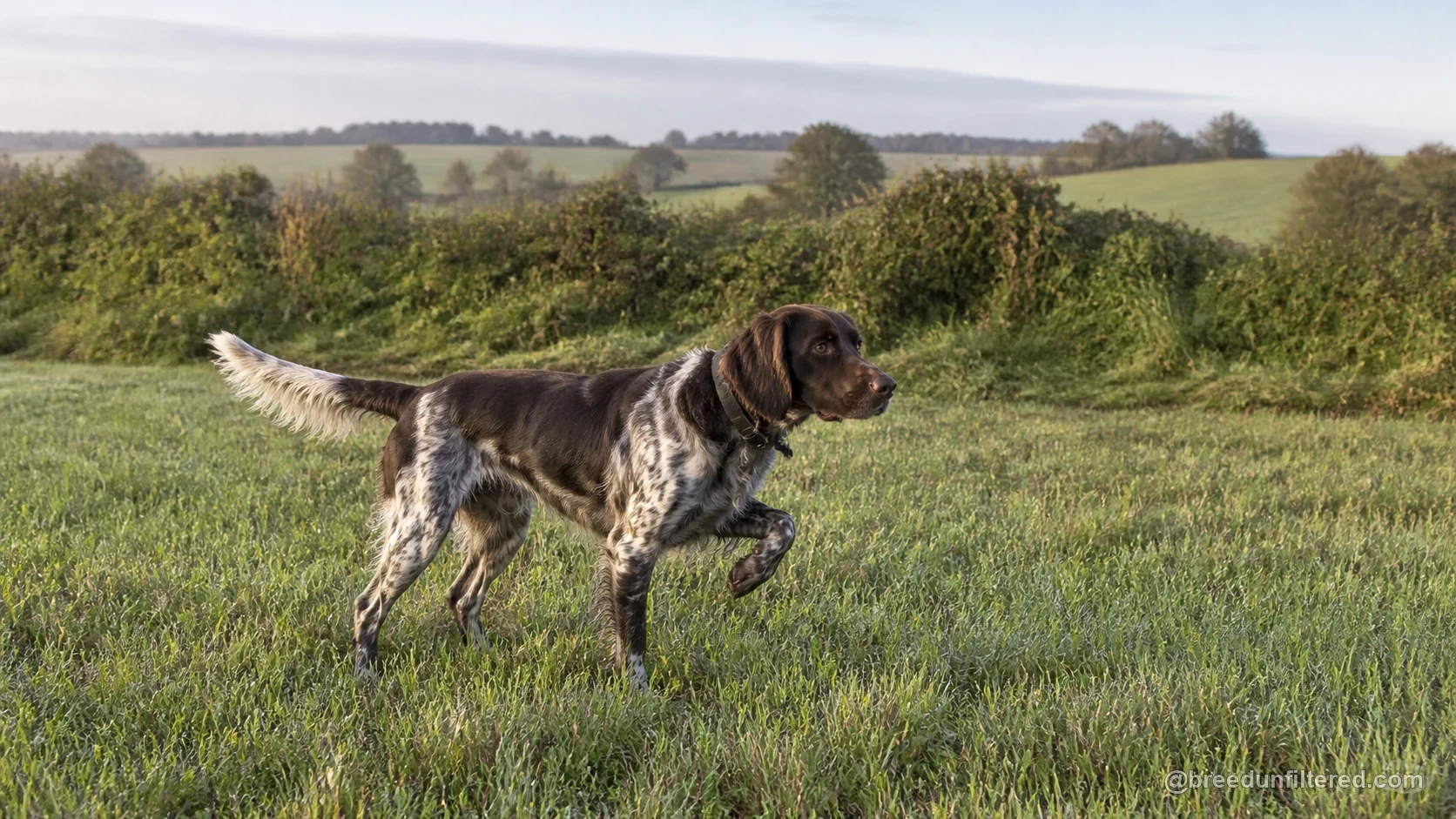
The Kleiner Münsterländer, also known as the Small Münsterländer, is a versatile gundog that has earned admiration for its hunting ability and companionable nature. Originating from the Münster region of Germany, this breed was developed to be an all-around working dog, capable of pointing, retrieving, and tracking in varied terrain. Its name, meaning 'small' in German, distinguishes it from the larger Münsterländer, though it is by no means a small dog—it is a medium-sized, athletic breed built for endurance and agility.
For prospective owners, the Kleiner Münsterländer offers a blend of intelligence, enthusiasm, and loyalty. However, this breed is not a casual pet; it thrives in an active household that can provide ample physical and mental stimulation. Understanding the breed's origins and purpose is essential to appreciating its needs and ensuring a harmonious partnership. This article explores the breed's history, temperament, care requirements, and more, to help you decide if the Kleiner Münsterländer is the right companion for you.
Origin and Purpose
The Kleiner Münsterländer's roots trace back to the 19th century in the Münsterland region of Germany, where hunters sought a versatile dog that could work both in the field and in the water. The breed is believed to descend from the long-haired pointing dogs of the time, possibly including the German Longhaired Pointer and various local hunting dogs. By the early 20th century, the breed was standardized, and the first breed club was established in 1912, focusing on preserving its hunting instincts and working ability.
Today, the Kleiner Münsterländer remains primarily a working gundog, prized for its ability to point, retrieve, and track game. It is also known for its 'soft mouth' when retrieving, a trait that is highly valued by hunters. The breed's versatility extends to various hunting environments, from dense forests to marshy wetlands. While it is still used extensively for hunting in Europe, it has also gained popularity as a companion and in dog sports such as agility and obedience, thanks to its trainability and eagerness to please.
Temperament and Variation
The Kleiner Münsterländer is known for its intelligent, energetic, and affectionate temperament. It forms strong bonds with its family and is often described as a 'velcro dog' that prefers to be involved in all activities. This breed is typically alert and responsive, making it an excellent watchdog, though it is not aggressive. Individual temperaments can vary, with some dogs being more reserved with strangers while others are more outgoing, but early socialization helps ensure a well-rounded adult.
As a hunting breed, the Kleiner Münsterländer has a strong prey drive and a natural instinct to chase small animals. This means that in a home with cats or other small pets, careful introduction and supervision are necessary. The breed is also known for its sensitivity; it responds best to positive reinforcement and gentle guidance. Harsh training methods can lead to a timid or stubborn dog. Overall, the Kleiner Münsterländer is a loyal and devoted companion for those who can meet its needs.
Exercise and Mental Work
The Kleiner Münsterländer is a high-energy breed that requires substantial daily exercise to stay physically and mentally healthy. A typical adult will need at least an hour or two of vigorous activity each day, such as running, hiking, or playing fetch. This breed excels in activities that engage its natural abilities, like retrieving games or scent work. Without adequate exercise, it may become restless and develop destructive behaviors, such as chewing or digging.
Mental stimulation is equally important for this intelligent breed. Puzzle toys, obedience training, and interactive games can help keep its mind sharp. The Kleiner Münsterländer thrives when given a job to do, whether that's participating in dog sports, assisting in hunting, or learning new tricks. Owners should be prepared to dedicate time each day to both physical and mental enrichment. A bored Kleiner Münsterländer is not a happy one, and meeting its needs is key to a well-adjusted companion.
Training and Socialisation
Training a Kleiner Münsterländer is generally a rewarding experience due to its intelligence and eagerness to please. However, this breed can also be independent and strong-willed at times, so consistent, patient, and positive training methods are essential. Early obedience training is recommended to establish a strong foundation. The breed responds well to clicker training and reward-based techniques, as it is sensitive to tone and praise. Harsh corrections can damage the trust between dog and owner.
Socialisation is crucial for the Kleiner Münsterländer to develop into a well-mannered adult. Exposing the puppy to various people, animals, environments, and situations from an early age helps prevent shyness or over-reactivity. This breed is generally good with other dogs, especially when raised together, but its hunting instincts may make it unreliable with small non-canine pets. Regular visits to dog parks or training classes can help reinforce positive social behaviors. With proper training and socialisation, the Kleiner Münsterländer becomes a versatile and dependable companion.
Family and Pets
The Kleiner Münsterländer can make a wonderful family dog for active households. It is typically gentle and patient with children, especially when raised with them, and enjoys being part of family activities. Its affectionate nature means it often seeks out physical contact and wants to be involved in everything. However, due to its high energy, it may inadvertently knock over small children during play, so supervision is recommended. The breed is best suited to families that can provide ample exercise and attention.
When it comes to other pets, the Kleiner Münsterländer's compatibility varies. It generally gets along well with other dogs, particularly if socialised from a young age. However, its strong prey drive can make it a risk to cats, rabbits, and other small animals. Some individuals may live peacefully with cats if raised together, but there is no guarantee. Prospective owners with small pets should be prepared for careful management and training. Overall, the breed is loyal and devoted to its family, making it a rewarding companion for the right household.
Grooming and Health
The Kleiner Münsterländer has a medium-length, dense coat that is water-resistant and requires regular grooming. Weekly brushing is usually sufficient to remove loose hair and prevent matting, but more frequent brushing may be needed during seasonal shedding periods. The coat is relatively low-maintenance, but the ears should be checked regularly for dirt and moisture to prevent infections. Bathing is only necessary when the dog is particularly dirty, as over-bathing can strip the coat of natural oils.
As a breed, the Kleiner Münsterländer is generally healthy, but like all breeds, it is prone to certain health conditions. These may include hip dysplasia, elbow dysplasia, and eye disorders such as progressive retinal atrophy. Responsible breeders screen their breeding stock for these conditions. Regular veterinary check-ups, a balanced diet, and appropriate exercise can help maintain overall health. Prospective owners should be prepared for potential health issues and consider pet insurance. The breed's lifespan is typically around 12 to 14 years, which is average for a dog of its size.
Costs and Responsibility
Owning a Kleiner Münsterländer involves significant financial and time commitments. The initial cost of a puppy from a reputable breeder can range from $1,500 to $3,000 or more, depending on the breeder's reputation and the dog's lineage. Ongoing expenses include high-quality food, routine veterinary care, vaccinations, and preventative medications. Additionally, this breed may require professional grooming occasionally, though it is not as high-maintenance as some other long-haired breeds. Owners should also budget for training classes, equipment, and potential emergency medical costs.
Beyond finances, the Kleiner Münsterländer demands a considerable investment of time and energy. It is not a breed that can be left alone for long periods; it thrives on human interaction and can develop separation anxiety if neglected. Prospective owners should assess their lifestyle to ensure they can provide the necessary exercise, mental stimulation, and companionship. This breed is best suited to active individuals or families who enjoy outdoor activities and are committed to training and socialisation. Responsible ownership also involves adhering to local regulations regarding dog ownership and ensuring the dog is properly identified and licensed.
Clear answers
FREQUENTLY ASKED QUESTIONS
Is the Kleiner Münsterländer a good family dog?
The Kleiner Münsterländer can be a good family dog for active households that can provide ample exercise and attention. It is generally gentle and affectionate with children, especially when raised with them. However, its high energy may be overwhelming for very young children, and supervision is recommended. Early socialisation and training are essential to ensure it interacts well with all family members.
How much exercise does a Kleiner Münsterländer need?
The Kleiner Münsterländer is a high-energy breed that requires at least one to two hours of vigorous exercise daily. This can include running, hiking, playing fetch, or engaging in dog sports. Without sufficient exercise, it may become restless and develop behavioral issues. Mental stimulation is also important to keep this intelligent breed content.
Does the Kleiner Münsterländer get along with other pets?
The Kleiner Münsterländer generally gets along well with other dogs, especially if socialised from a young age. However, its strong prey drive can make it a risk to cats and other small animals. Some individuals may live peacefully with cats if raised together, but there is no guarantee. Careful introductions and management are necessary.
What are the grooming requirements for a Kleiner Münsterländer?
The Kleiner Münsterländer has a medium-length, dense coat that requires weekly brushing to remove loose hair and prevent matting. More frequent brushing may be needed during shedding seasons. The ears should be checked regularly for dirt and moisture to prevent infections. Bathing is only necessary when the dog is particularly dirty.
Is the Kleiner Münsterländer easy to train?
The Kleiner Münsterländer is intelligent and eager to please, making it generally trainable. However, it can also be independent and strong-willed at times, so consistent, patient, and positive training methods are essential. Early obedience training and socialisation are recommended to bring out the best in this breed.
Sources and further reading
Scores describe typical breed tendencies from 1 to 10. They are not a quality ranking or a prediction for an individual dog.
Size and presence6/10
CompactVery large
Physical strength5/10
LightExceptional
Energy level9/10
LowRelentless
Exercise demand10/10
ModestVery demanding
Mental work needed8/10
ModerateDaily job
Trainability8/10
ChallengingExceptional
Everyday manageability3/10
SpecialistStraightforward
First-time owner fit5/10
Poor fitGood fit
Family-life fit9/10
LimitedExcellent
Dog sociability9/10
SelectiveVery social
Prey drive10/10
LowVery high
Guarding tendency4/10
MinimalSerious
Independence6/10
Handler-focusedSelf-directed
Grooming demand6/10
LightHeavy
Apartment fit5/10
Poor fitGood fit