Complete breed guide
Nova Scotia Duck Tolling Retriever OWNERSHIP GUIDE
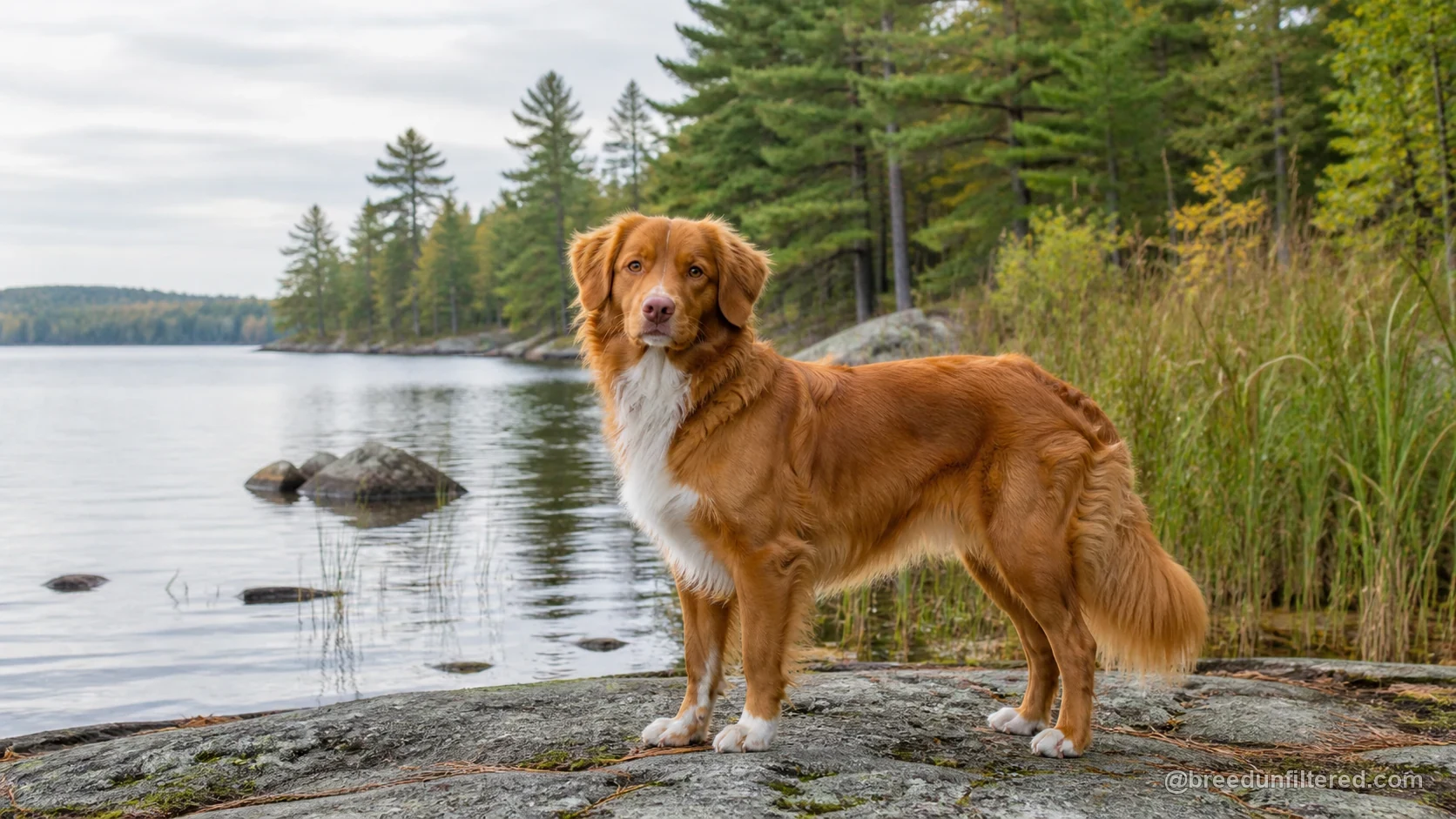
The Nova Scotia Duck Tolling Retriever, often simply called the Toller, is a medium-sized gundog that combines the retrieving instincts of a retriever with the cleverness and energy of a spaniel. Developed in the early 20th century in the Canadian province of Nova Scotia, this breed was designed to lure waterfowl within gunshot range by playing along the shoreline—a behavior known as tolling. Today, Tollers are cherished as versatile hunting companions, enthusiastic agility competitors, and devoted family pets, but their high intelligence and boundless energy mean they are not a suitable match for every household.
Prospective owners should be prepared for a dog that thrives on mental and physical challenges. The Toller is known for its playful, almost mischievous personality, and its trademark 'Toller smile' is a reflection of its generally upbeat demeanor. However, this breed can be reserved with strangers and may exhibit strong prey drive, so early socialisation and consistent training are essential. This article provides a comprehensive overview of the Toller's origins, temperament, care requirements, and the responsibilities that come with sharing your life with this remarkable retriever.
Origin and Purpose
The Nova Scotia Duck Tolling Retriever originated in the early 1900s in the Acadian region of Nova Scotia, Canada. Breeders aimed to create a dog that could toll, or lure, ducks and geese within range of hunters' guns. The breed's ancestors likely included the now-extinct Little River Duck Dog, as well as retrievers, spaniels, and possibly collies or other herding breeds. The result was a compact, agile dog with a water-repellent double coat and an uncanny ability to entice waterfowl with playful movements along the water's edge.
The Toller was recognized by the Canadian Kennel Club in 1945 and later by the American Kennel Club in 2003. The Fédération Cynologique Internationale (FCI) classifies the breed in Group 8, Retrievers – Flushing Dogs – Water Dogs, under standard number 312. While still relatively rare, Tollers have gained a devoted following among hunters and dog sports enthusiasts who appreciate their versatility, intelligence, and enduring work ethic.
Temperament and Variation
Tollers are known for their high energy, intelligence, and strong desire to be involved in family activities. They are often described as 'velcro dogs' because they prefer to be close to their people, and they can become bored and destructive if left alone for long periods. Their temperament is generally friendly and outgoing, but they can be reserved or aloof with strangers, making early and ongoing socialisation important. Individual variation exists, with some Tollers being more outgoing and others more cautious, but the breed standard emphasizes a dog that is alert, determined, and confident.
The Toller's playful nature is one of its most endearing traits. They are known for their 'Toller smile,' a wide grin that often accompanies their enthusiastic antics. This breed is also highly vocal, using a distinctive whine or bark to communicate, which can be a challenge in close quarters. While they are not typically aggressive, their strong prey drive means they may chase small animals, and their guarding instincts, though not pronounced, can manifest as alert barking. Prospective owners should be prepared for a dog that is both affectionate and independent-minded.
Exercise and Mental Work
The Nova Scotia Duck Tolling Retriever is a high-energy breed that requires substantial daily exercise to remain happy and healthy. A typical adult Toller benefits from at least an hour of vigorous activity each day, which can include running, swimming, hiking, or playing fetch. Without adequate physical outlet, Tollers may develop behavioral issues such as excessive barking, digging, or chewing. However, exercise alone is not enough; this intelligent breed also needs mental stimulation to prevent boredom.
Mental work is equally important for Tollers. They excel in dog sports such as agility, obedience, rally, and dock diving, which challenge both their bodies and minds. Puzzle toys, nose work, and training sessions that teach new tricks can also provide valuable mental enrichment. Because Tollers were bred to work closely with humans, they thrive on interactive activities that involve their owners. A tired Toller is a well-behaved Toller, but a mentally stimulated Toller is a truly content companion.
Training and Socialisation
Training a Toller requires patience, consistency, and a positive approach. This breed is intelligent and eager to please, but it can also be sensitive and independent, so harsh methods are counterproductive. Reward-based training using treats, praise, and play works best. Early socialisation is crucial to help Tollers become well-adjusted adults; exposing them to a variety of people, animals, environments, and sounds during puppyhood can reduce the likelihood of shyness or fearfulness later in life.
Tollers are known for their problem-solving abilities, which can sometimes translate into stubbornness. They may test boundaries, so clear rules and consistent follow-through are essential. Enrolling in puppy classes and continuing with obedience training can help establish a strong bond and ensure good manners. Because of their retrieving instincts, many Tollers naturally enjoy fetching and can be trained to retrieve specific objects on command. However, their prey drive means that off-leash reliability should be built gradually and in safe, enclosed areas.
Family and Other Pets
Tollers can make wonderful family dogs for active households that can meet their exercise and attention needs. They are generally good with children, especially when raised with them, and they often form strong bonds with all family members. However, their herding and retrieving instincts may lead them to nip at heels or try to 'herd' young children, so supervision and training are necessary. As with any breed, interactions between dogs and young children should always be supervised to ensure safety for both.
When it comes to other pets, Tollers may have a high prey drive, which can make them a poor match for households with small animals such as rabbits, guinea pigs, or cats, unless they are raised with them from a young age. With other dogs, Tollers generally get along well, especially if they are properly socialised. They can be dominant or assertive with same-sex dogs, so early and ongoing socialisation is important. Prospective owners should consider their existing pets and lifestyle when deciding if a Toller is the right fit.
Grooming and Health
The Toller has a medium-length, water-repellent double coat that requires regular grooming. Weekly brushing is usually sufficient to remove loose hair and prevent mats, but during seasonal shedding periods, daily brushing may be necessary. Tollers are moderate shedders, and their coat naturally repels dirt and water, so baths are only needed occasionally. Regular ear cleaning, nail trimming, and dental care are also important parts of a grooming routine.
As a breed, Tollers are generally healthy, but like all purebred dogs, they can be prone to certain hereditary conditions. These may include hip dysplasia, progressive retinal atrophy (PRA), and autoimmune disorders such as Addison's disease. Responsible breeders screen their breeding dogs for these conditions, and prospective owners should ask for health clearances. Regular veterinary check-ups, a balanced diet, and appropriate exercise can help maintain a Toller's overall health. It is also important to be aware that Tollers are sensitive to some medications, so always inform your veterinarian of your dog's breed.
Costs and Responsibility
Owning a Nova Scotia Duck Tolling Retriever is a significant financial and time commitment. The initial cost of a puppy from a reputable breeder can range from $1,500 to $3,000 or more, depending on location and pedigree. Ongoing expenses include high-quality food, routine veterinary care, vaccinations, flea and tick prevention, and pet insurance. Additionally, Tollers require regular grooming supplies and professional grooming may be needed occasionally. Owners should also budget for training classes, toys, and equipment.
Beyond finances, Tollers demand a substantial investment of time and energy. They are not a breed that can be left alone for long hours; they need daily exercise, mental stimulation, and companionship. Prospective owners should honestly assess their lifestyle and ability to meet these needs. Adopting a Toller from a rescue or shelter is also an option, and many breed-specific rescues exist. Ultimately, responsible ownership means being prepared for the dog's entire lifespan, which can be 12 to 14 years, and providing a loving, active home.
Clear answers
FREQUENTLY ASKED QUESTIONS
Are Nova Scotia Duck Tolling Retrievers good family dogs?
Tollers can be excellent family dogs for active households that can provide ample exercise and attention. They are generally affectionate and good with children, especially when raised with them. However, their high energy and herding instincts may require supervision with very young kids. Early socialisation and training are key to ensuring they become well-mannered family members.
How much exercise does a Toller need?
Tollers are a high-energy breed and typically need at least an hour of vigorous exercise daily, such as running, swimming, or playing fetch. They also require mental stimulation through training, puzzle toys, or dog sports. Without sufficient physical and mental activity, they may become bored and develop destructive behaviors.
Are Tollers easy to train?
Tollers are intelligent and eager to please, which makes them generally trainable, but they can also be sensitive and independent. Positive reinforcement methods work best, as harsh training can be counterproductive. Consistency and early socialisation are important. They excel in obedience and dog sports when trained with patience and rewards.
Do Tollers get along with other pets?
Tollers have a strong prey drive, so they may not be suitable for homes with small animals like rabbits or guinea pigs unless raised with them. With other dogs, they usually get along well if properly socialised, but they can be assertive with same-sex dogs. Early and ongoing socialisation is crucial to foster good relationships with other pets.
What health issues are common in Tollers?
Tollers are generally healthy, but they can be prone to certain hereditary conditions such as hip dysplasia, progressive retinal atrophy (PRA), and autoimmune disorders like Addison's disease. Responsible breeders screen for these issues. Regular veterinary care and a healthy lifestyle can help manage risks, but owners should be aware of potential breed-specific health concerns.
Sources and further reading
Scores describe typical breed tendencies from 1 to 10. They are not a quality ranking or a prediction for an individual dog.
Size and presence6/10
CompactVery large
Physical strength6/10
LightExceptional
Energy level9/10
LowRelentless
Exercise demand10/10
ModestVery demanding
Mental work needed8/10
ModerateDaily job
Trainability9/10
ChallengingExceptional
Everyday manageability5/10
SpecialistStraightforward
First-time owner fit6/10
Poor fitGood fit
Family-life fit9/10
LimitedExcellent
Dog sociability8/10
SelectiveVery social
Prey drive9/10
LowVery high
Guarding tendency3/10
MinimalSerious
Independence4/10
Handler-focusedSelf-directed
Grooming demand9/10
LightHeavy
Apartment fit5/10
Poor fitGood fit