Complete breed guide
Hungarian Wire-Haired Pointer OWNERSHIP GUIDE
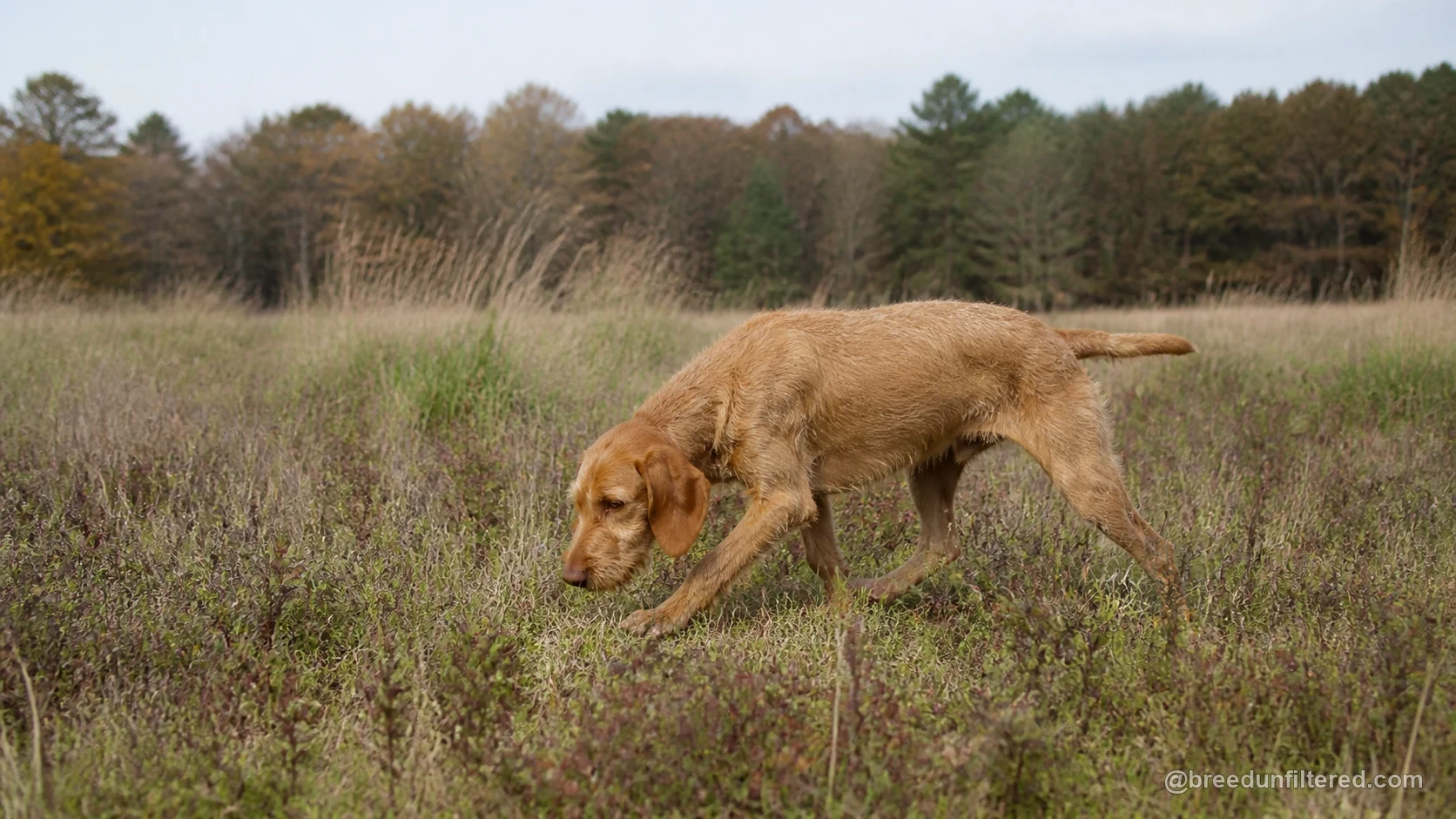
The Hungarian Wire-Haired Pointer, known in its homeland as the Drótzörü Magyar Vizsla, is a versatile hunting dog that has also won admirers as a companion. Developed to work in harsh terrain and cold water, this breed combines the classic Vizsla's affectionate nature with a weather-resistant wiry coat. Prospective owners should understand that this is a dog bred for stamina and cooperation, not a lapdog, though it thrives on close human contact.
This article offers a balanced overview of what life with a Hungarian Wire-Haired Pointer entails. We cover the breed's origins, typical temperament, exercise and mental needs, training approaches, family compatibility, grooming, health considerations, and the financial and time commitments involved. The goal is to help you decide if this energetic, intelligent, and loyal breed fits your lifestyle, while acknowledging that individual dogs vary.
Origin and Purpose
The Hungarian Wire-Haired Pointer was developed in the early 20th century in Hungary, primarily by hunters who wanted a dog that could withstand cold, wet conditions while pointing and retrieving game. Breeders crossed the smooth-haired Vizsla with wire-haired breeds such as the German Wirehaired Pointer and the Pudelpointer, aiming to retain the Vizsla's hunting ability and temperament while adding a dense, protective coat.
The breed was recognized by the FCI in 1966 and is classified in Group 7 (Pointing Dogs). Today, it remains a dedicated hunting companion, prized for its versatility in upland game and waterfowl. While some are kept purely as pets, their instincts are strong, and they excel in field trials and other canine sports. Understanding this heritage is key to appreciating their energy and drive.
Temperament and Variation
The Hungarian Wire-Haired Pointer is typically described as affectionate, loyal, and eager to please. They form strong bonds with their families and often want to be involved in all activities. Compared to the smooth-haired Vizsla, they may be slightly more reserved with strangers, but they are not typically aggressive. Individual temperament varies based on genetics, socialization, and training.
As a pointing breed, they have a natural instinct to hunt, which can manifest as a strong prey drive and a tendency to roam if not properly contained. They are generally good-natured and adaptable, but they are not suited to a sedentary lifestyle. Prospective owners should be prepared for a dog that is both a working partner and a devoted companion, often following their person from room to room.
Exercise and Mental Work
The Hungarian Wire-Haired Pointer is a high-energy breed that requires substantial daily exercise. This should include not only physical activity like running, hiking, or swimming but also mental challenges such as scent games, puzzle toys, or obedience training. Without adequate outlets, they may become restless and develop undesirable behaviors like digging or excessive barking.
Because they were bred to work closely with hunters, they thrive on structured activities that engage their minds and bodies. Activities like tracking, agility, or dock diving can be excellent ways to channel their energy. It is important to note that exercise needs vary by age and individual health; a young dog may need more than an older one. Always consult with a veterinarian to tailor an appropriate regimen.
Training and Socialisation
This breed is intelligent and generally eager to learn, making them responsive to positive reinforcement methods. They do best with consistent, patient training that avoids harsh corrections. Early socialization is crucial to help them become well-adjusted adults, exposing them to various people, animals, and environments. Puppy classes and regular outings can build confidence and prevent shyness or over-reactivity.
Because of their hunting background, they may have a strong instinct to chase, so reliable recall is essential. Training should incorporate impulse control and off-leash reliability in safe areas. They are sensitive dogs that bond closely with their handlers, so a gentle but firm approach works best. Professional guidance can be beneficial, especially for first-time owners of this energetic breed.
Family and Other Pets
Hungarian Wire-Haired Pointers can make wonderful family dogs when raised with children and given proper supervision. They are typically playful and tolerant, but like any dog, interactions should be monitored to ensure safety for both the dog and the child. Their high energy might be overwhelming for very young kids, so teaching children how to respect the dog's space is important.
With other dogs, they often get along well, especially if socialized from an early age. However, their prey drive may lead them to chase small animals such as cats, rabbits, or birds. While some individuals can live peacefully with cats if raised together, it is not guaranteed. Prospective owners with small pets should be cautious and manage introductions carefully, always prioritizing safety.
Grooming and Health
The wire-haired coat is low-shedding but requires regular maintenance. Weekly brushing with a slicker brush or comb helps remove dead hair and prevent matting. Hand-stripping, a process of pulling out dead hairs, is often recommended to maintain the coat's texture, though many pet owners opt for clipping. Bathing should be done as needed, and routine ear cleaning and nail trimming are essential.
As a generally robust breed, the Hungarian Wire-Haired Pointer is prone to some hereditary conditions, including hip dysplasia, epilepsy, and eye disorders. Responsible breeders screen their breeding stock for these issues. Regular veterinary check-ups, a balanced diet, and appropriate exercise contribute to overall health. Lifespan is typically 12-14 years, but individual outcomes vary.
Costs and Responsibility
Owning a Hungarian Wire-Haired Pointer involves significant financial and time commitments. Initial costs include the purchase price from a reputable breeder, which can be substantial, plus supplies like crates, leashes, and grooming tools. Ongoing expenses include high-quality food, routine veterinary care, vaccinations, and preventive medications. Emergency medical costs can be unexpected, so pet insurance is worth considering.
Beyond money, this breed demands a considerable investment of time for exercise, training, and companionship. They are not suited to being left alone for long hours. Prospective owners should assess their lifestyle honestly, ensuring they can provide the physical and mental stimulation this dog needs. Adoption from a rescue is also an option, but be prepared for potential behavioral challenges that require patience and commitment.
Clear answers
FREQUENTLY ASKED QUESTIONS
Is the Hungarian Wire-Haired Pointer good for first-time owners?
This breed is intelligent and trainable, but its high energy and strong hunting instincts can be challenging for novices. First-time owners should be prepared for consistent training and ample exercise. With dedication and possibly professional guidance, they can succeed, but an experienced owner may find the breed easier to manage.
How much exercise does a Hungarian Wire-Haired Pointer need?
They need substantial daily exercise, typically at least 1-2 hours of vigorous activity, but this varies by age and health. Activities should include running, hiking, or swimming, plus mental stimulation like scent games. Without enough exercise, they may become destructive or hyperactive.
Are Hungarian Wire-Haired Pointers good with children?
They can be good with children if properly socialized and supervised. They are generally playful and tolerant, but their energy might be too much for very young kids. Teaching children to interact respectfully and providing a safe space for the dog is essential.
Do Hungarian Wire-Haired Pointers shed a lot?
They have a wiry, low-shedding coat, but they do shed moderately. Regular brushing helps manage loose hair. Hand-stripping or clipping is needed to maintain coat texture. They are not hypoallergenic, but some people with allergies may tolerate them better.
What health issues are common in Hungarian Wire-Haired Pointers?
Like many purebreds, they can be prone to hip dysplasia, epilepsy, and eye conditions. Responsible breeders screen for these issues. Regular vet check-ups and a healthy lifestyle can mitigate risks. Not every dog will develop these problems, but awareness is important.
Sources and further reading
Scores describe typical breed tendencies from 1 to 10. They are not a quality ranking or a prediction for an individual dog.
Size and presence6/10
CompactVery large
Physical strength6/10
LightExceptional
Energy level9/10
LowRelentless
Exercise demand10/10
ModestVery demanding
Mental work needed8/10
ModerateDaily job
Trainability9/10
ChallengingExceptional
Everyday manageability4/10
SpecialistStraightforward
First-time owner fit5/10
Poor fitGood fit
Family-life fit8/10
LimitedExcellent
Dog sociability8/10
SelectiveVery social
Prey drive10/10
LowVery high
Guarding tendency3/10
MinimalSerious
Independence4/10
Handler-focusedSelf-directed
Grooming demand4/10
LightHeavy
Apartment fit5/10
Poor fitGood fit