Complete breed guide
Bourbonnais Pointing Dog OWNERSHIP GUIDE
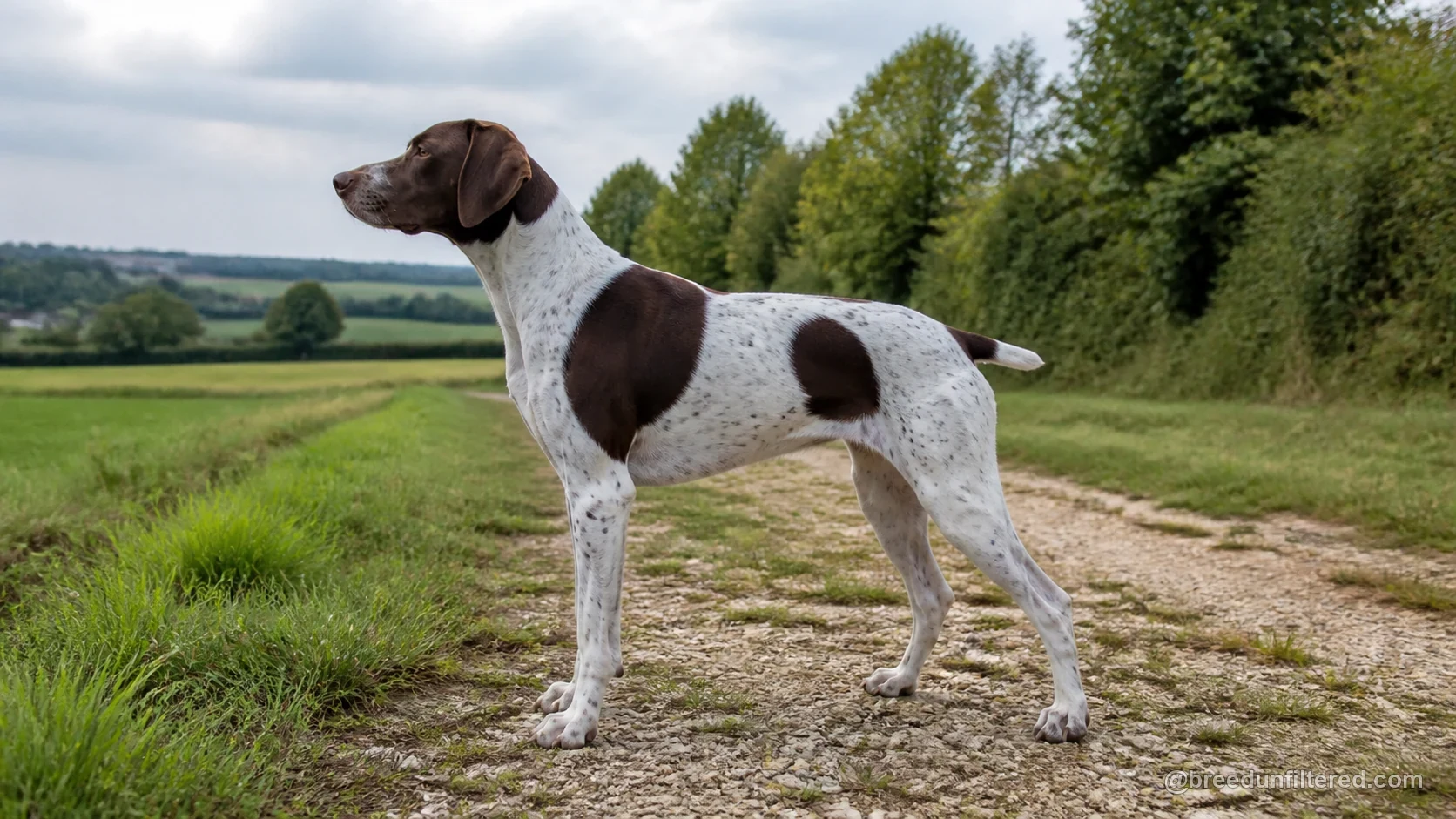
The Bourbonnais Pointing Dog, or Braque du Bourbonnais, is a French pointing breed with a history that may reach back several centuries. Known for its distinctive 'coup de sabre' tail and a coat that can be ticked or roan, this dog was developed to work closely with hunters in varied terrain. Today, it remains a dedicated companion for those who appreciate its hunting heritage and its calm, affectionate nature at home.
Prospective owners should understand that this is a breed with strong instincts and a need for purposeful activity. While not as high-energy as some sporting breeds, the Bourbonnais Pointing Dog thrives when given regular opportunities to exercise both body and mind. This guide offers a balanced look at what it means to live with this versatile gundog, from its origins to the practical aspects of daily care.
Origin and Purpose
The Bourbonnais Pointing Dog originates from the Bourbonnais region in central France, where it was historically used as a versatile hunting companion. The breed's exact ancestry is not fully documented, but it is believed to be one of the oldest French pointing breeds, with references dating back to the 16th century. Its primary role was to locate game birds, point to indicate their location, and retrieve after the shot, working in a methodical and close-ranging manner.
The breed's development was influenced by the need for a dog that could work in dense cover and varied terrain, often in partnership with a hunter on foot. Over time, the Bourbonnais Pointing Dog became known for its excellent nose, its calm persistence, and its ability to adapt to different hunting styles. While still used for hunting today, it has also gained recognition as a devoted family companion, valued for its gentle disposition and moderate exercise needs.
Temperament and Variation
The Bourbonnais Pointing Dog is often described as calm, affectionate, and even-tempered. It tends to form strong bonds with its family and is known for being particularly gentle with children. While individual temperaments can vary, the breed generally exhibits a balanced nature, neither overly timid nor excessively bold. This makes it a pleasant companion in the home, provided it receives adequate mental and physical stimulation.
As with any breed, there is variation among individuals. Some Bourbonnais Pointing Dogs may be more reserved with strangers, while others are more outgoing. Early and ongoing socialisation can help shape a well-adjusted adult. The breed's hunting instincts are strong, and it may display a natural interest in chasing small animals, though this can be managed with training and supervision. Overall, the Bourbonnais Pointing Dog is a versatile dog that can adapt to various lifestyles if its needs are met.
Exercise and Mental Work
The Bourbonnais Pointing Dog is a sporting breed with moderate to high exercise needs. It benefits from daily opportunities to run, play, and explore in a safe, enclosed area. Activities such as hiking, jogging, or off-lead walks in secure locations can help satisfy its natural desire to move. Without sufficient exercise, this breed may become restless or develop undesirable behaviours, so a commitment to regular physical activity is essential.
Mental stimulation is equally important for this intelligent dog. Puzzle toys, scent games, and training sessions that challenge its mind can help prevent boredom. Because it was bred to work closely with humans, the Bourbonnais Pointing Dog often enjoys activities that involve cooperation, such as obedience, agility, or even nose work. Providing a variety of mental and physical outlets will contribute to a content and well-balanced companion.
Training and Socialisation
Training a Bourbonnais Pointing Dog can be a rewarding experience due to its eagerness to please and its intelligence. Positive reinforcement methods, such as treats, praise, and play, tend to work best. This breed is sensitive and may not respond well to harsh corrections. Consistency and patience are key, as is starting training early to establish good habits and a strong bond.
Socialisation is crucial for this breed to develop into a confident adult. Exposing the puppy to a variety of people, animals, environments, and sounds in a positive manner can help prevent shyness or fearfulness. While the Bourbonnais Pointing Dog is generally sociable with other dogs, early and ongoing socialisation can help ensure it interacts appropriately. Puppy classes and regular outings can be valuable for building a well-rounded dog.
Family and Other Pets
The Bourbonnais Pointing Dog is known for its gentle and affectionate nature, making it a good fit for many families. It tends to be patient with children and can form strong bonds with all family members. However, as with any dog, interactions with young children should be supervised, and children should be taught how to behave around dogs. The breed's moderate size and sturdy build make it a suitable playmate for older children.
When it comes to other pets, the Bourbonnais Pointing Dog's hunting instincts may lead it to chase small animals such as cats or rabbits. With proper socialisation and training, some individuals can live peacefully with cats, but it is not guaranteed. Early introduction and consistent supervision are important. The breed generally gets along well with other dogs, especially if raised together, but individual personalities can vary.
Grooming and Health
The Bourbonnais Pointing Dog has a short, dense coat that is relatively low-maintenance. Weekly brushing with a soft bristle brush or a grooming mitt can help remove loose hair and keep the coat healthy. The breed sheds moderately, and more frequent brushing may be needed during seasonal changes. Regular ear cleaning, nail trimming, and dental care are also important parts of a grooming routine.
As with many purebred dogs, the Bourbonnais Pointing Dog may be prone to certain health conditions, though the breed is generally considered robust. Potential concerns include hip dysplasia, eye disorders, and some inherited conditions. Responsible breeders screen their breeding stock for these issues. Prospective owners should ask about health clearances and be prepared for routine veterinary care. A balanced diet and regular exercise can contribute to overall well-being.
Costs and Responsibility
Owning a Bourbonnais Pointing Dog involves financial and time commitments. Initial costs include the purchase price from a reputable breeder, which can vary, as well as supplies such as a crate, bedding, food, and veterinary check-ups. Ongoing expenses include high-quality dog food, routine veterinary care, vaccinations, parasite prevention, and potential emergency medical costs. Pet insurance may be a consideration to help manage unexpected expenses.
Beyond finances, responsible ownership requires a significant investment of time and energy. This breed needs daily exercise, mental stimulation, and social interaction. It is not suited to being left alone for long periods on a regular basis. Prospective owners should assess their lifestyle and living situation to ensure they can meet the breed's needs. Adopting from a rescue or breed-specific organisation is also an option, and it is important to be prepared for the long-term commitment of a dog's lifetime.
Clear answers
FREQUENTLY ASKED QUESTIONS
Is the Bourbonnais Pointing Dog good with children?
The Bourbonnais Pointing Dog is generally known for its gentle and patient nature, which can make it a good companion for children. However, as with any breed, supervision is essential, and children should be taught how to interact respectfully with dogs. Early socialisation and training can help ensure a positive relationship.
How much exercise does a Bourbonnais Pointing Dog need?
This breed has moderate to high exercise needs. It benefits from daily walks, runs, or play sessions in a secure area. Mental stimulation is also important to prevent boredom. The exact amount can vary by individual, but a typical adult may need at least an hour of activity per day, adjusted for age and health.
Does the Bourbonnais Pointing Dog shed a lot?
The Bourbonnais Pointing Dog has a short, dense coat that sheds moderately. Regular brushing, perhaps once or twice a week, can help manage loose hair. Shedding may increase during seasonal changes. Overall, grooming needs are relatively low compared to many other breeds.
Is the Bourbonnais Pointing Dog easy to train?
This breed is intelligent and eager to please, which can make training a positive experience. Positive reinforcement methods work best, as the breed can be sensitive to harsh corrections. Consistency and early socialisation are key to developing a well-behaved adult. Some individuals may have a stubborn streak, but patience usually pays off.
Can a Bourbonnais Pointing Dog live in an apartment?
While the Bourbonnais Pointing Dog can adapt to apartment living if its exercise needs are met, it is not ideal. This breed thrives with access to a yard or nearby open spaces for off-lead activity. Without sufficient exercise and mental stimulation, it may become restless. A committed owner can make it work, but a house with a fenced yard is often more suitable.
Sources and further reading
Scores describe typical breed tendencies from 1 to 10. They are not a quality ranking or a prediction for an individual dog.
Size and presence6/10
CompactVery large
Physical strength6/10
LightExceptional
Energy level9/10
LowRelentless
Exercise demand10/10
ModestVery demanding
Mental work needed8/10
ModerateDaily job
Trainability8/10
ChallengingExceptional
Everyday manageability4/10
SpecialistStraightforward
First-time owner fit5/10
Poor fitGood fit
Family-life fit9/10
LimitedExcellent
Dog sociability9/10
SelectiveVery social
Prey drive9/10
LowVery high
Guarding tendency3/10
MinimalSerious
Independence6/10
Handler-focusedSelf-directed
Grooming demand4/10
LightHeavy
Apartment fit5/10
Poor fitGood fit