Complete breed guide
Kerry Blue Terrier OWNERSHIP GUIDE
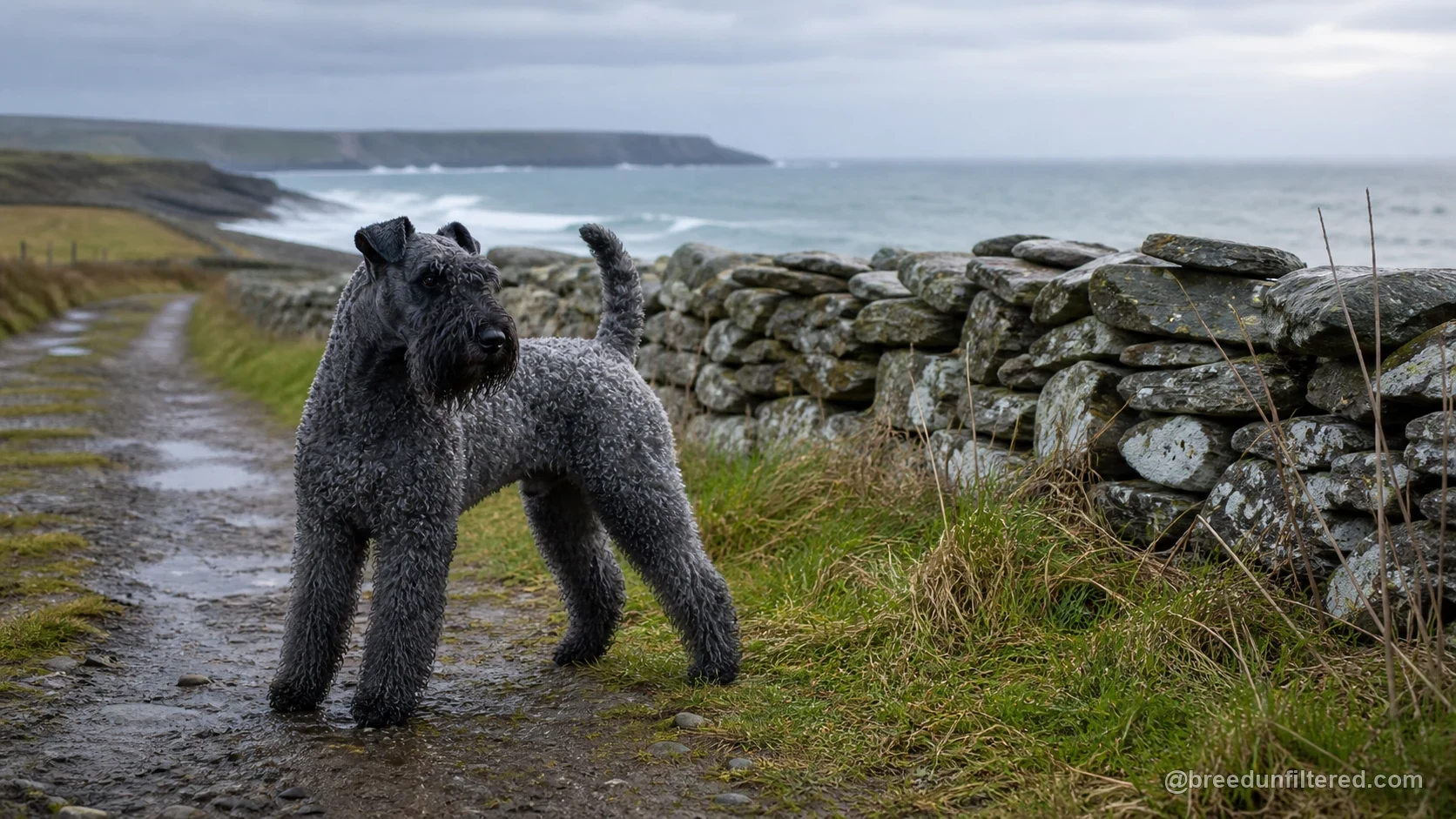
The Kerry Blue Terrier, Ireland's national terrier, is a breed of striking contrasts. With a soft, wavy blue-grey coat and a sturdy, athletic build, they capture attention wherever they go. But beneath that elegant exterior lies a spirited, intelligent, and sometimes stubborn terrier with a strong will and a heart full of loyalty. This guide aims to give you a realistic, evidence-conscious overview of what life with a Kerry Blue Terrier truly entails, helping you decide if this unique breed is the right match for your home and lifestyle.
Originating from County Kerry in southwest Ireland, the Kerry Blue was developed as a versatile farm dog and hunter, capable of working on land and water. Today, they are primarily companion animals, but they retain the drive, energy, and independent thinking of their working heritage. Prospective owners should be prepared for a dog that is both affectionate and assertive, playful yet protective, and always ready to engage in a challenge. This article explores the breed's origins, temperament, care requirements, and the responsibilities that come with sharing your life with a Kerry Blue Terrier.
Origin and Purpose
The Kerry Blue Terrier hails from the mountainous region of County Kerry in Ireland, where it was bred as an all-purpose working dog. Historical accounts suggest that the breed was used for hunting small game, retrieving from water, and herding livestock, as well as serving as a loyal watchdog for farms and homes. The breed's exact ancestry is not fully documented, but it is believed to include Irish Terriers, Bedlington Terriers, and possibly soft-coated wheaten terriers, contributing to its distinctive blue coat and versatile abilities.
The Kerry Blue was first exhibited in Ireland in the early 20th century and gained recognition by the Irish Kennel Club in 1922. The Fédération Cynologique Internationale (FCI) later granted definitive recognition, and the breed is now classified in FCI Group 3 (Terriers), Section 1 (Large and medium-sized terriers). While their working roles have diminished, the Kerry Blue's intelligence and adaptability have made them successful in dog sports such as obedience, agility, and earthdog trials, as well as beloved companions.
Temperament and Variation
Kerry Blue Terriers are known for their spirited and affectionate nature. They are often described as 'soft' with their families, forming strong bonds and showing a playful, clownish side. However, they are also alert, confident, and possess a natural guarding instinct, which can make them wary of strangers. Individual temperament varies widely, influenced by genetics, socialization, and training. Some Kerry Blues are outgoing and friendly, while others are more reserved and protective, so early and ongoing socialization is essential to shape a well-adjusted adult.
This breed is not typically aggressive without reason, but they are terriers, and they can be assertive and determined. They tend to be independent thinkers, which can be both endearing and challenging. A Kerry Blue may decide that a command is optional if they see no benefit in complying. This independence, combined with their intelligence, means they thrive with owners who provide consistent, positive guidance and who appreciate a dog with a mind of their own.
Exercise and Mental Work
Kerry Blue Terriers are energetic and athletic dogs that require regular physical activity to stay healthy and content. They enjoy brisk walks, runs, and play sessions in a securely fenced area. However, their exercise needs are not extreme; a daily routine of moderate exercise, such as a 30- to 60-minute walk plus playtime, is often sufficient for many adults. Puppies and young adults may have more energy and require additional outlets. It is important to tailor exercise to the individual dog's age, health, and fitness level, avoiding overexertion, especially in hot weather.
Mental stimulation is equally crucial for this intelligent breed. Without adequate mental challenges, Kerry Blues can become bored and may resort to destructive behaviors like digging or chewing. Puzzle toys, nose work, obedience training, and interactive games can help keep their minds engaged. Activities that tap into their natural terrier instincts, such as earthdog trials or barn hunts, can be particularly rewarding. A tired Kerry Blue is a well-behaved Kerry Blue, so a combination of physical and mental exercise is key.
Training and Socialisation
Training a Kerry Blue Terrier requires patience, consistency, and a positive, reward-based approach. They respond well to treats, praise, and play, but they can be sensitive to harsh corrections, which may lead to stubbornness or defensiveness. Early socialization is vital: expose your Kerry Blue puppy to a variety of people, animals, environments, and sounds to help them develop into a confident and well-mannered adult. Puppy classes and regular outings can be invaluable.
Because of their independent nature, Kerry Blues may test boundaries, so clear and consistent rules are important. They excel in activities that challenge their minds, such as obedience, agility, and rally, where they can work as a team with their owner. However, they may not be the easiest breed for a first-time dog owner, as they require a firm but gentle hand and an understanding of terrier psychology. Professional training classes can be helpful for both the dog and the owner, especially for those new to the breed.
Family and Other Pets
Kerry Blue Terriers can make wonderful family dogs, especially in households with older children who understand how to interact respectfully with dogs. They are often playful and affectionate with their family members, and they can be protective of children. However, their terrier nature may lead to chasing or nipping if provoked, so supervision and teaching children appropriate behavior around dogs are essential. They are generally not recommended for homes with very young children who may not yet understand boundaries.
Regarding other pets, Kerry Blues have a strong prey drive, which can make them a risk to small animals such as rabbits, hamsters, or cats, especially if they have not been raised with them. With proper socialization from an early age, some Kerry Blues can coexist peacefully with cats and other dogs, but it is not guaranteed. They may be same-sex aggressive with other dogs, particularly if not neutered or spayed. Careful introductions and management are necessary to ensure harmony in a multi-pet household.
Grooming and Health
The Kerry Blue Terrier's coat is soft, wavy, and non-shedding, which makes it a popular choice for allergy sufferers, though no dog is truly hypoallergenic. However, this coat requires regular grooming to prevent matting and to maintain its distinctive appearance. Weekly brushing is essential, and many owners choose to have their Kerry Blue professionally groomed every 6-8 weeks. The coat needs to be trimmed or clipped, and the beard and eyebrows are often kept longer, which can collect food and debris, requiring regular cleaning.
As with all breeds, Kerry Blue Terriers are prone to certain health conditions, though not all individuals will be affected. Some conditions that have been reported include hip dysplasia, eye problems such as cataracts and progressive retinal atrophy, and a neurological condition called 'spongiform degeneration' that can affect puppies. Responsible breeders screen their breeding stock for these issues. Regular veterinary check-ups, a balanced diet, and appropriate exercise can help maintain overall health. Prospective owners should be prepared for potential health care costs and should seek a reputable breeder who prioritizes health testing.
Costs and Responsibility
Owning a Kerry Blue Terrier is a significant financial and time commitment. The initial cost of a puppy from a reputable breeder can be substantial, often ranging from $1,500 to $3,000 or more, depending on location and pedigree. Ongoing expenses include high-quality food, routine veterinary care, vaccinations, flea and tick prevention, grooming supplies or professional grooming services, and pet insurance. Emergency medical care can be costly, so it is wise to budget for unexpected expenses.
Beyond finances, Kerry Blue Terriers require a considerable investment of time and energy. They need daily exercise, mental stimulation, grooming, and training, and they thrive on human companionship. They are not a breed that can be left alone for long periods on a regular basis, as they may become bored and destructive. Prospective owners should honestly assess their lifestyle, living situation, and ability to meet the breed's needs. Adopting from a rescue or shelter is also an option, as there are Kerry Blue Terrier rescue organizations that rehome dogs in need.
Clear answers
FREQUENTLY ASKED QUESTIONS
Are Kerry Blue Terriers good with children?
Kerry Blue Terriers can be good with children, especially when raised with them and properly socialized. They are often playful and affectionate, but they can be boisterous and may not tolerate rough handling. Supervision is recommended, and children should be taught how to interact gently and respectfully with the dog. As with any breed, individual temperament varies, so it's important to assess the dog's personality and provide consistent training.
Do Kerry Blue Terriers shed a lot?
Kerry Blue Terriers are considered low-shedding dogs, which can be appealing to people with allergies. However, their coat requires regular grooming to prevent matting and to remove dead hair. They need weekly brushing and periodic professional grooming to maintain their coat's condition and appearance. While they shed less than many breeds, they are not hypoallergenic, and allergens can still be present in dander and saliva.
How much exercise does a Kerry Blue Terrier need?
Kerry Blue Terriers are energetic and need regular exercise to stay healthy and happy. A daily walk of 30 to 60 minutes, plus playtime in a fenced yard, is often sufficient for adults. They also benefit from mental stimulation, such as puzzle toys or training sessions. Puppies and young dogs may need more activity, but it's important to avoid overexercising growing puppies. Adjust exercise based on your dog's age, health, and energy level.
Are Kerry Blue Terriers easy to train?
Kerry Blue Terriers are intelligent but can be independent and stubborn, which can make training challenging. They respond best to positive reinforcement methods, such as treats and praise, and they may become bored with repetitive drills. Consistency and patience are key. Early socialization and obedience training are essential. They excel in activities that engage their minds, but they may not be the best choice for first-time dog owners without prior training experience.
Do Kerry Blue Terriers get along with other dogs and pets?
Kerry Blue Terriers have a strong prey drive and may not get along with small animals like cats or rodents, especially if not raised with them. They can be same-sex aggressive with other dogs, particularly if not spayed or neutered. With early and thorough socialization, some Kerry Blues can live peacefully with other pets, but it is not guaranteed. Careful introductions and management are necessary to prevent conflicts.
Sources and further reading
Scores describe typical breed tendencies from 1 to 10. They are not a quality ranking or a prediction for an individual dog.
Size and presence4/10
CompactVery large
Physical strength5/10
LightExceptional
Energy level8/10
LowRelentless
Exercise demand8/10
ModestVery demanding
Mental work needed8/10
ModerateDaily job
Trainability6/10
ChallengingExceptional
Everyday manageability4/10
SpecialistStraightforward
First-time owner fit4/10
Poor fitGood fit
Family-life fit6/10
LimitedExcellent
Dog sociability4/10
SelectiveVery social
Prey drive10/10
LowVery high
Guarding tendency5/10
MinimalSerious
Independence7/10
Handler-focusedSelf-directed
Grooming demand6/10
LightHeavy
Apartment fit5/10
Poor fitGood fit