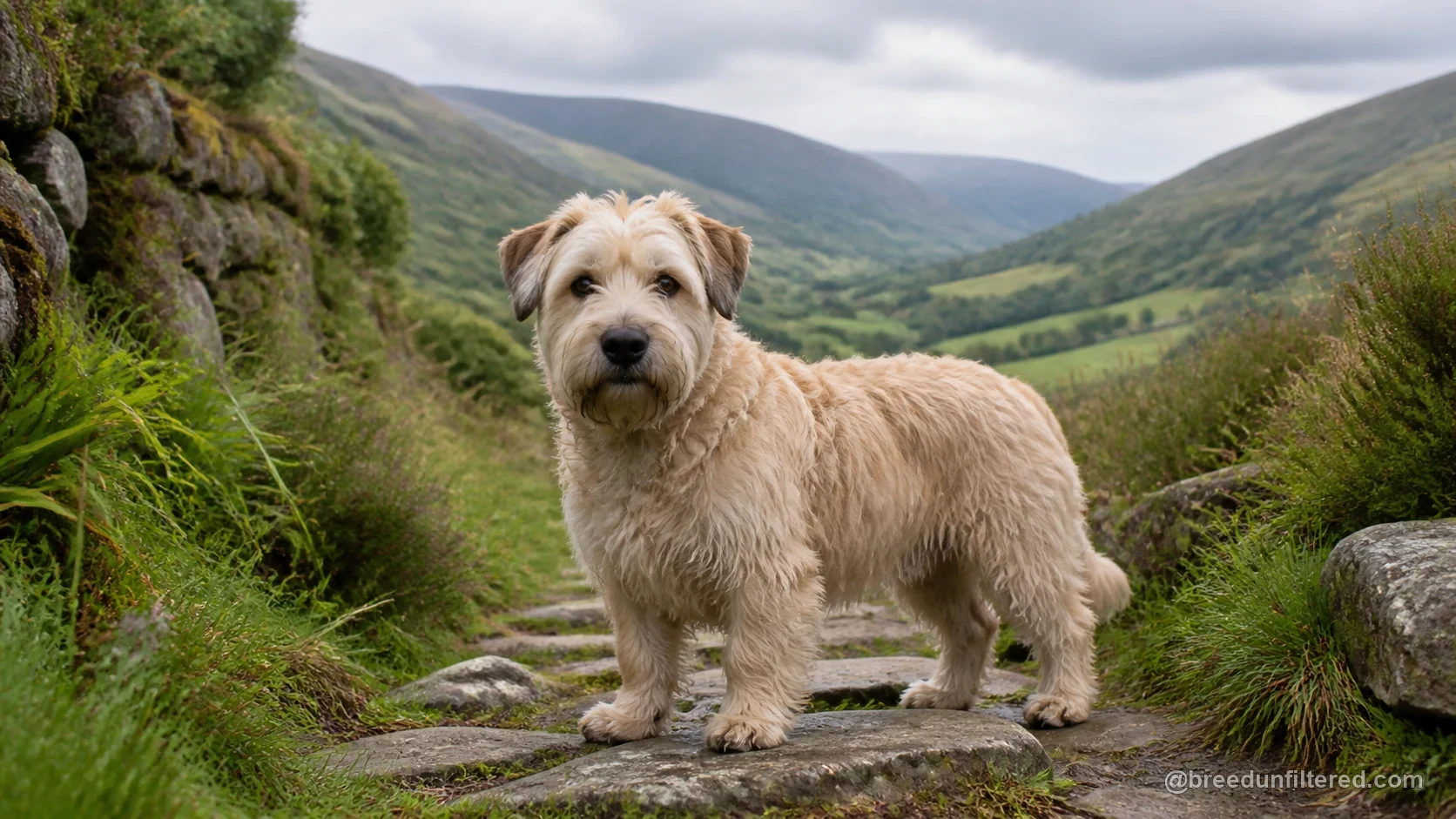
Complete breed guide
Irish Glen Of Imaal Terrier OWNERSHIP GUIDE
The Irish Glen of Imaal Terrier, one of Ireland's four native terrier breeds, is a sturdy, low-set dog with a history rooted in the rugged Wicklow Mountains. Bred to work badgers and foxes, this breed combines a determined spirit with a surprisingly calm and affectionate nature at home. For prospective owners, understanding the Glen's unique blend of independence and loyalty is essential to building a rewarding partnership.
Unlike many terriers, the Glen is known for its 'big dog in a small body' attitude, yet it tends to be less hyperactive and more laid-back indoors. However, this does not mean they are low-maintenance: they require consistent training, early socialisation, and a secure environment to channel their instincts appropriately. This guide offers a balanced overview of the breed's characteristics, care needs, and the responsibilities of ownership.
Origin and Purpose
The Irish Glen of Imaal Terrier takes its name from the remote Glen of Imaal in County Wicklow, Ireland, where it was developed in the 16th century. Farmers and hunters needed a versatile dog that could work in difficult terrain, driving game from rocky crevices and controlling vermin. The breed's short legs and strong, flexible body allowed it to navigate underground tunnels, while its courage and tenacity were essential for confronting badgers and foxes.
Despite its working heritage, the Glen was also valued as a family companion, often living alongside people in small cottages. This dual role shaped a dog that is both a determined worker and a gentle, sometimes comical, household member. The breed was not widely known outside Ireland until the 20th century, and it remains relatively rare today, with a devoted following that appreciates its unique character and historical significance.
Temperament and Variation
The Glen of Imaal Terrier is often described as having a 'split personality': bold and tenacious when working, yet calm and affectionate at home. Individual dogs vary, but many Glens are known for their quiet, steady demeanor, and they may be less yappy than other terriers. They tend to form strong bonds with their families and can be particularly devoted to one person, though they generally get along with everyone in the household.
This breed is also noted for its sense of humor and playful antics, which can endear them to owners. However, they retain a stubborn streak and a strong prey drive, so their independent nature should not be underestimated. Early and consistent socialisation helps ensure that these traits are expressed in a balanced way, making the Glen a adaptable companion for those who appreciate a dog with a mind of its own.
Exercise and Mental Work
While the Glen is not a high-energy dog, it still requires regular exercise to stay healthy and content. A daily walk or two, combined with opportunities to explore and sniff, usually suffices. Because of their terrier heritage, they enjoy activities that engage their natural instincts, such as digging, tracking, or participating in earthdog trials. Owners should be prepared to provide a safe, fenced area for off-leash play, as their prey drive can lead them to chase small animals.
Mental stimulation is equally important for this intelligent breed. Puzzle toys, scent games, and obedience training sessions can help prevent boredom and the development of undesirable behaviors. Without adequate mental and physical outlets, a Glen may become restless or resort to digging and chewing. A balanced routine that includes both exercise and mental challenges will help this breed thrive in a home environment.
Training and Socialisation
Training a Glen of Imaal Terrier requires patience and a positive, consistent approach. They respond well to reward-based methods, but their independent nature means they may question commands or lose interest if training becomes repetitive. Short, engaging sessions that incorporate play and treats are often more effective than long drills. Harsh corrections are counterproductive and can damage the trust between dog and owner.
Early socialisation is crucial to help the Glen become a well-adjusted adult. Exposing them to a variety of people, places, and other animals in a controlled manner can reduce the likelihood of shyness or aggression. While they are generally good with children in their own family, supervision is always recommended, as with any terrier. Enrolling in puppy classes and continuing socialisation throughout adolescence can help shape a confident, friendly companion.
Family and Other Pets
The Glen of Imaal Terrier can make a wonderful family dog, especially for families with older children who understand how to interact respectfully with dogs. They are often playful and tolerant, but their sturdy build and terrier tenacity mean they may not be the best choice for very young children who might accidentally provoke them. As with any breed, teaching children to approach and handle the dog gently is essential.
When it comes to other pets, the Glen's prey drive can be a challenge. They may not be reliable with small animals such as rabbits, guinea pigs, or cats, especially if not raised with them from puppyhood. With other dogs, they can be sociable if properly introduced, but they may show same-sex aggression or assertiveness. Careful management and gradual introductions are key to fostering peaceful multi-pet households.
Grooming and Health
Grooming a Glen of Imaal Terrier is relatively straightforward. Their wiry, medium-length coat requires brushing a few times a week to remove loose hair and prevent mats. They are considered a low-shedding breed, which may appeal to some owners, but they do need occasional hand-stripping or clipping to maintain the coat's texture. Regular ear checks, nail trims, and dental care are also part of a good grooming routine.
As with many purebred dogs, the Glen may be predisposed to certain health conditions, though responsible breeding practices can reduce risks. Some conditions reported in the breed include hip dysplasia, progressive retinal atrophy, and a bleeding disorder called von Willebrand's disease. Prospective owners should ask breeders about health testing and the health history of the parents. Regular veterinary check-ups and a balanced diet contribute to overall well-being.
Costs and Responsibility
Owning an Irish Glen of Imaal Terrier involves financial and time commitments. Initial costs include the purchase price from a reputable breeder, which can be significant due to the breed's rarity, as well as supplies like a crate, bedding, and food. Ongoing expenses include high-quality dog food, routine veterinary care, grooming supplies or professional grooming, and pet insurance. Emergency medical costs can be unexpected, so planning ahead is wise.
Beyond finances, responsible ownership means dedicating time to training, exercise, and companionship. The Glen is a loyal and affectionate dog that thrives on being part of the family; leaving them alone for long periods can lead to boredom and behavioral issues. Prospective owners should also consider their living situation, as the breed can adapt to apartment life if given enough exercise, but a securely fenced yard is a bonus. Ultimately, bringing a Glen into your home is a long-term commitment that rewards with a unique and devoted companion.
Clear answers
FREQUENTLY ASKED QUESTIONS
Are Irish Glen of Imaal Terriers good with children?
They can be good with children, especially when raised together and properly socialized. Their sturdy build and playful nature make them suitable for older kids who understand how to interact with dogs. However, as with any terrier, supervision is recommended with younger children to prevent accidental injuries, and teaching children respectful handling is essential.
Do Glen of Imaal Terriers bark a lot?
Generally, they are not excessive barkers compared to some other terriers. They may bark to alert their owners or when excited, but they tend to be quieter indoors. However, individual variation exists, and a bored or under-exercised Glen may bark more. Providing adequate mental and physical stimulation helps minimize nuisance barking.
How much exercise does a Glen of Imaal Terrier need?
They need moderate exercise, typically a daily walk or two plus playtime in a secure area. They are not high-energy dogs, but they do enjoy activities that engage their instincts, like digging or tracking. Mental stimulation is equally important, so puzzle toys and training sessions are recommended to keep them content.
Are Glen of Imaal Terriers easy to train?
They are intelligent but can be stubborn and independent, which may make training a challenge for first-time owners. Positive reinforcement methods work best, with short, engaging sessions. Consistency and patience are key. Early socialisation and obedience classes are beneficial to shape a well-mannered adult.
Do Glen of Imaal Terriers shed a lot?
They are considered low shedders, with a wiry coat that requires regular brushing to remove loose hair. They do not shed heavily, but they do need occasional hand-stripping or clipping to maintain coat health. This makes them a potential option for people with mild allergies, though no dog is truly hypoallergenic.
Sources and further reading
Scores describe typical breed tendencies from 1 to 10. They are not a quality ranking or a prediction for an individual dog.
Size and presence4/10
CompactVery large
Physical strength5/10
LightExceptional
Energy level9/10
LowRelentless
Exercise demand9/10
ModestVery demanding
Mental work needed8/10
ModerateDaily job
Trainability5/10
ChallengingExceptional
Everyday manageability1/10
SpecialistStraightforward
First-time owner fit4/10
Poor fitGood fit
Family-life fit6/10
LimitedExcellent
Dog sociability3/10
SelectiveVery social
Prey drive10/10
LowVery high
Guarding tendency4/10
MinimalSerious
Independence9/10
Handler-focusedSelf-directed
Grooming demand6/10
LightHeavy
Apartment fit5/10
Poor fitGood fit