Complete breed guide
Kazakh Tazy OWNERSHIP GUIDE
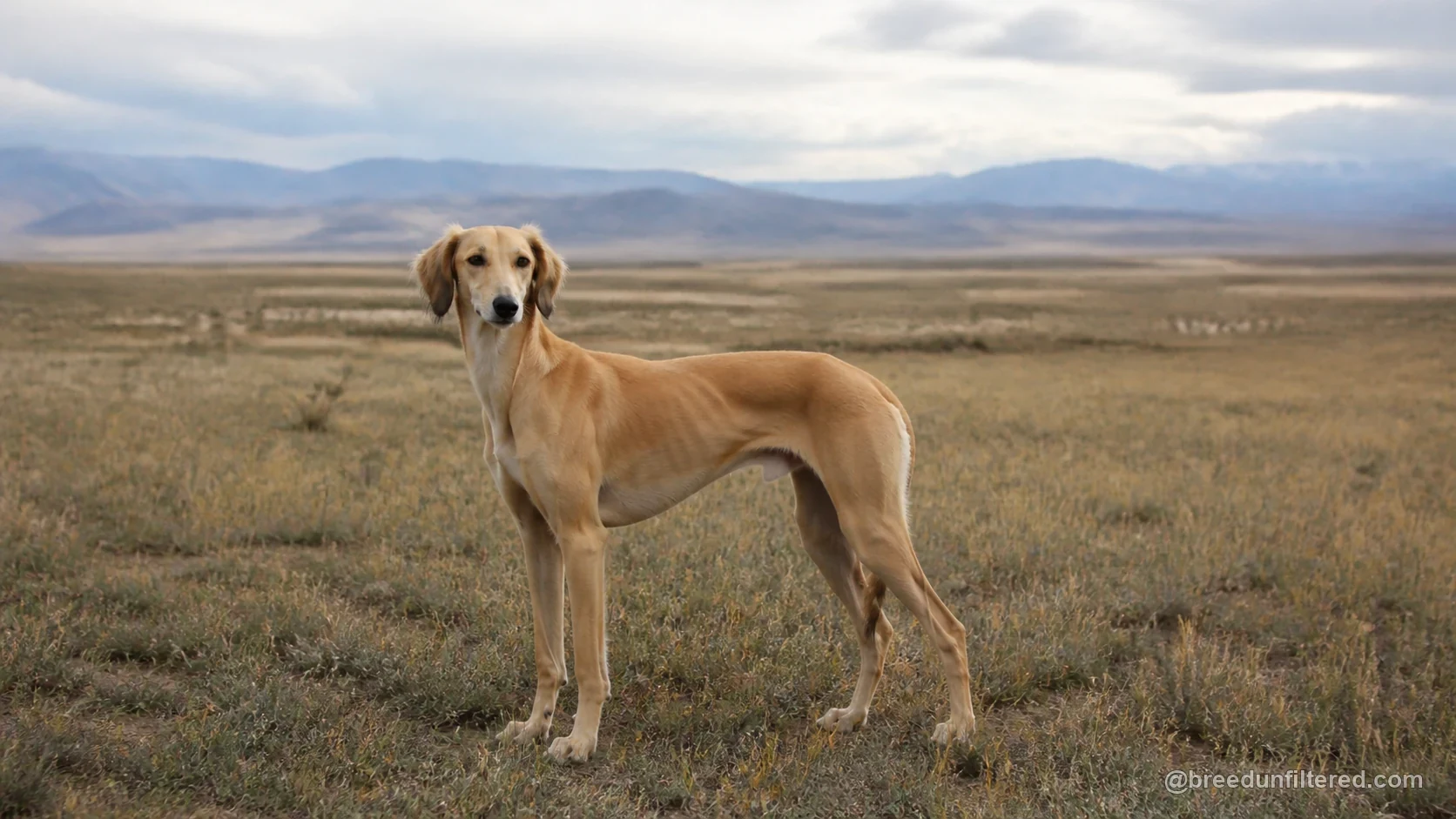
The Kazakh Tazy is a sighthound breed with deep roots in the steppes of Kazakhstan, where it has been prized for centuries by nomadic herders and hunters. Recognized provisionally by the FCI under standard number 372, this elegant and athletic dog is known for its speed, endurance, and keen hunting instincts. As a breed that has historically lived closely with humans, the Tazy is also valued for its loyalty and sensitivity, making it a fascinating companion for the right owner.
However, the Kazakh Tazy is not a typical household pet. Its background as a working hunter means it has specific needs in terms of exercise, mental stimulation, and training. Prospective owners should be prepared for a dog that is independent yet devoted, and that thrives in environments where it can use its natural abilities. This article provides an overview of the breed's characteristics, care requirements, and considerations for those thinking about welcoming a Tazy into their home.
Origin and Purpose
The Kazakh Tazy originates from the vast steppes of Kazakhstan, where it has been bred for centuries by nomadic tribes. Its primary role was hunting game such as hares, foxes, and even larger animals, relying on its exceptional speed and keen eyesight. The breed's name 'Tazy' is derived from the Arabic word for 'hunting dog,' reflecting its long-standing association with the hunt.
Historically, the Tazy was not just a working dog but also a cherished member of the family, often sleeping in the yurt and being treated with great respect. This dual role as a hunter and companion has shaped its temperament, making it both independent in the field and affectionate at home. Today, the breed is recognized provisionally by the FCI, and efforts are being made to preserve its numbers and heritage.
Temperament and Variation
The Kazakh Tazy is known for its gentle and sensitive nature, often forming strong bonds with its family. It can be reserved with strangers, but this is more a sign of its discerning nature than aggression. As a sighthound, it has a strong prey drive and may chase small animals, so early socialisation and training are important to manage this instinct.
There is some variation in temperament among individuals, influenced by genetics and upbringing. Some Tazys may be more outgoing, while others are more aloof. Generally, they are intelligent and responsive, but they also have an independent streak that can make them seem stubborn at times. Understanding and respecting this independence is key to building a trusting relationship with a Tazy.
Exercise and Mental Work
As a sighthound, the Kazakh Tazy requires ample opportunity to run and stretch its legs. Regular, vigorous exercise is essential to keep it physically fit and mentally satisfied. A securely fenced area where it can sprint off-leash is ideal, as its chasing instinct can be triggered by moving objects. Without sufficient exercise, a Tazy may become restless or develop behavioural issues.
Mental stimulation is equally important. The Tazy is an intelligent breed that benefits from activities that engage its mind, such as puzzle toys, scent games, or even lure coursing. These activities not only provide mental enrichment but also strengthen the bond between dog and owner. Owners should be prepared to dedicate time each day to both physical and mental exercise to ensure a well-balanced dog.
Training and Socialisation
Training a Kazakh Tazy requires patience and a gentle, consistent approach. This breed responds best to positive reinforcement techniques, such as treats and praise, rather than harsh methods. Because of its independent nature, a Tazy may not always be eager to please, so training sessions should be kept interesting and varied to hold its attention.
Early socialisation is crucial to help a Tazy become a well-adjusted adult. Exposing it to a variety of people, animals, and environments from a young age can reduce shyness or fearfulness. However, even with socialisation, the Tazy's natural prey drive means it may not be trustworthy with small pets, and supervision is always recommended when it is around other animals.
Family and Pets
The Kazakh Tazy can be a loving and loyal family companion, especially in households that understand its needs. It tends to be gentle with children, though its herding or chasing instincts might lead it to nip at heels if not properly trained. As with any dog, interactions between the Tazy and young children should always be supervised to ensure safety for both.
When it comes to other pets, the Tazy's hunting background can pose challenges. It may view small animals such as cats, rabbits, or rodents as prey, so introducing it to such pets requires careful management and gradual acclimatisation. In many cases, a Tazy may be best suited to a home without small pets, or with pets that have been raised alongside it from puppyhood.
Grooming and Health
The Kazakh Tazy has a short, dense coat that is relatively low-maintenance. Regular brushing, perhaps once or twice a week, will help remove loose hair and keep the coat in good condition. Shedding is moderate, and during seasonal changes, more frequent brushing may be needed. Bathing should be done only when necessary to avoid stripping the coat of natural oils.
As a breed, the Tazy is generally healthy, but like all dogs, it may be prone to certain conditions. These can include hip dysplasia, eye issues, and sensitivity to anaesthesia, which is common in sighthounds. Prospective owners should seek a responsible breeder who screens for hereditary conditions and provides health clearances. Regular veterinary check-ups and a balanced diet are essential to maintaining the Tazy's overall well-being.
Costs and Responsibility
Owning a Kazakh Tazy comes with financial and time commitments. Initial costs include the purchase price from a reputable breeder, which can be significant due to the breed's rarity. Additionally, owners must budget for food, veterinary care, grooming supplies, and training classes. Emergency medical expenses should also be considered, as sighthounds can be prone to injuries during exercise.
Beyond finances, owning a Tazy is a long-term responsibility that requires dedication to its exercise and mental needs. This breed is not suited to a sedentary lifestyle or apartment living without ample outdoor access. Prospective owners should honestly assess their ability to provide the time, space, and resources necessary to ensure a happy and healthy life for a Tazy. Rescue and adoption are also options to consider, though the breed is rare outside its native region.
Clear answers
FREQUENTLY ASKED QUESTIONS
Is the Kazakh Tazy a good family dog?
The Kazakh Tazy can be a good family dog for active households that understand its needs. It is generally gentle and loyal with its family, including children, but its strong prey drive means it may not be safe around small pets. Early socialisation and training are essential to ensure it behaves well around kids and other animals.
How much exercise does a Kazakh Tazy need?
The Kazakh Tazy is a high-energy sighthound that requires daily vigorous exercise, including opportunities to run off-leash in a secure area. Without sufficient physical activity, it may become restless or develop behavioural issues. Mental stimulation is also important to keep it engaged and content.
Is the Kazakh Tazy easy to train?
Training a Kazakh Tazy can be challenging due to its independent nature. It responds best to positive reinforcement methods, such as treats and praise, and training sessions should be varied and interesting. Patience and consistency are key, and early socialisation is crucial to prevent shyness or fearfulness.
Does the Kazakh Tazy shed a lot?
The Kazakh Tazy has a short coat that sheds moderately. Regular brushing once or twice a week can help manage loose hair, and more frequent brushing may be needed during seasonal shedding periods. Overall, grooming requirements are relatively low compared to many other breeds.
Is the Kazakh Tazy suitable for apartment living?
The Kazakh Tazy is generally not well-suited to apartment living due to its high exercise needs and strong prey drive. It thrives in homes with access to a securely fenced yard or open spaces where it can run freely. Without adequate space and exercise, it may become frustrated or destructive.
Sources and further reading
Scores describe typical breed tendencies from 1 to 10. They are not a quality ranking or a prediction for an individual dog.
Size and presence5/10
CompactVery large
Physical strength5/10
LightExceptional
Energy level7/10
LowRelentless
Exercise demand7/10
ModestVery demanding
Mental work needed7/10
ModerateDaily job
Trainability7/10
ChallengingExceptional
Everyday manageability3/10
SpecialistStraightforward
First-time owner fit5/10
Poor fitGood fit
Family-life fit7/10
LimitedExcellent
Dog sociability6/10
SelectiveVery social
Prey drive8/10
LowVery high
Guarding tendency5/10
MinimalSerious
Independence6/10
Handler-focusedSelf-directed
Grooming demand5/10
LightHeavy
Apartment fit5/10
Poor fitGood fit