Complete breed guide
Halden Hound OWNERSHIP GUIDE
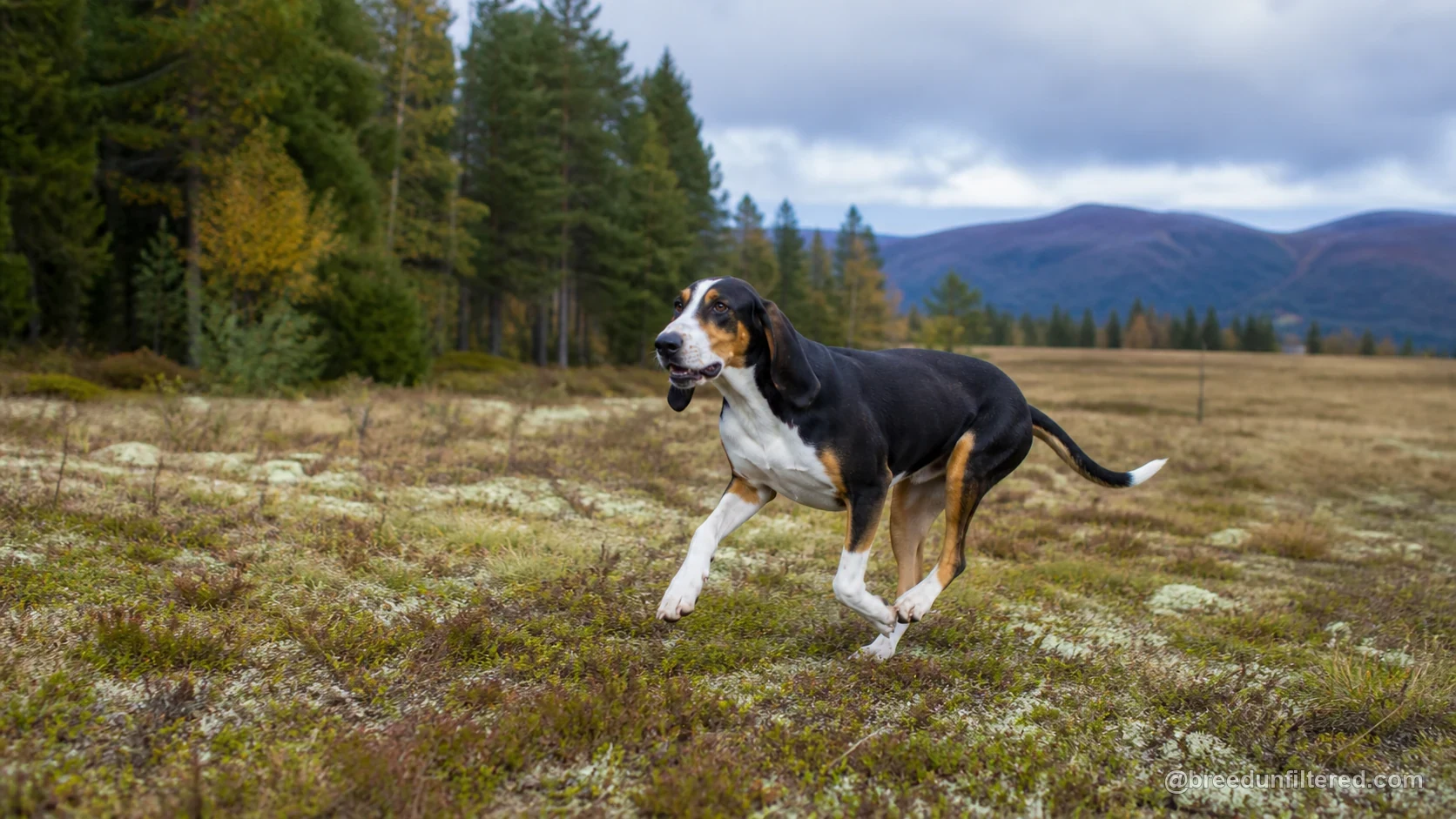
The Halden Hound, also known as the Haldenstøver, is a Norwegian scent hound developed for hare hunting in the forests and fields of southeastern Norway. Recognized definitively by the Fédération Cynologique Internationale (FCI) in Group 6, this breed is prized for its endurance, determination, and a melodious voice that carries across the countryside. While not as widely known as some other hounds, the Halden Hound offers a unique blend of hunting capability and a calm, sociable demeanor that can make it a rewarding companion for the right owner.
Prospective owners should understand that this is a working hound with strong instincts and specific needs. The Halden Hound is not a couch potato; it thrives with ample exercise and mental stimulation. However, its even temperament and moderate size can make it a pleasant family dog when properly socialized and given a job to do. This article provides an evidence-conscious overview of the breed's origins, temperament, care requirements, and potential challenges, helping you decide if the Halden Hound is the right fit for your lifestyle.
Origin and Purpose
The Halden Hound originated in the Halden region of Norway, near the Swedish border, during the late 19th and early 20th centuries. It was developed by crossing various Swedish and Norwegian hounds, including the Hygen Hound and possibly the Foxhound, to create a dog suited for hunting hare in the rugged Scandinavian terrain. The breed was recognized by the FCI in the 1950s, and its standard emphasizes a robust, well-balanced hound with a strong nose and a persistent hunting style.
As a scenthound, the Halden Hound works independently, following scent trails with determination and vocalizing to signal its location to hunters. This purpose has shaped its physical and behavioral traits: it is built for endurance, with a deep chest and strong legs, and it has a keen sense of smell. While still primarily used for hunting in its native country, the breed also participates in dog shows and can excel in scent work and tracking trials. Understanding this heritage is crucial for prospective owners, as it explains the breed's high exercise needs and strong prey drive.
Temperament and Variation
The Halden Hound is generally described as calm, friendly, and even-tempered, especially when compared to some other hounds. It is known to be good-natured with people and can be a devoted family member. However, individual temperament can vary based on genetics, socialization, and training. While the breed standard does not emphasize aggression, it does note that the Halden Hound should be neither shy nor aggressive, reflecting a balanced disposition.
As a hound, it retains a strong independent streak, which can manifest as stubbornness during training. It is also a vocal breed, using its voice not only when hunting but also to express excitement or alertness. Prospective owners should be prepared for a dog that may bark or bay, especially when it picks up an interesting scent. Early and consistent training, along with plenty of positive reinforcement, can help channel these traits into acceptable behaviors. The breed's temperament is best suited to owners who appreciate a dog with a mind of its own and a love for the outdoors.
Exercise and Mental Work
The Halden Hound is a high-energy breed that requires substantial daily exercise to remain physically and mentally healthy. As a hunting dog, it is accustomed to covering long distances over varied terrain. A typical adult will benefit from at least an hour of vigorous activity each day, such as running, hiking, or cycling alongside an owner. Without sufficient exercise, the breed may become restless and develop undesirable behaviors like digging or excessive barking.
Mental stimulation is equally important. Scent work, tracking games, and puzzle toys can engage the Halden Hound's keen nose and problem-solving abilities. Activities like nose work classes or simply hiding treats around the yard can provide valuable mental challenges. Because the breed is bred to work independently, it may not always look to its owner for direction, so owners should be creative in keeping the dog engaged. A tired Halden Hound is a content one, and meeting its exercise and mental needs is essential for a harmonious household.
Training and Socialisation
Training a Halden Hound requires patience, consistency, and a positive approach. This breed is intelligent but can be independent, so traditional obedience methods that rely on force or harsh corrections are likely to be counterproductive. Instead, using treats, praise, and play as rewards will yield better results. Early socialization is crucial to help the dog become a well-adjusted adult; exposing it to various people, animals, and environments during puppyhood can reduce the risk of fearfulness or reactivity.
Because of its hunting background, the Halden Hound may have a strong prey drive, which can make off-leash reliability a challenge. Owners should invest time in recall training, perhaps using a long line in safe areas, and should be cautious in areas with small animals. The breed is generally good with other dogs, especially when raised with them, but its hunting instinct may lead it to chase smaller pets. Consistent training from an early age can help manage these instincts, but they are unlikely to be completely eliminated.
Family and Pets
The Halden Hound can make a loving family dog, particularly in active households that can include it in outdoor activities. It is typically gentle with children, though as with any dog, interactions should be supervised to ensure safety for both the dog and the child. The breed's calm demeanor at home is a plus, but its energy levels mean it may be too boisterous for very young children. Families that enjoy hiking, running, or other outdoor pursuits will find a willing companion in the Halden Hound.
Regarding other pets, the Halden Hound's prey drive can be a concern. It may view cats, rabbits, or other small animals as quarry, especially if not raised with them. However, with early and consistent socialization, some individuals can learn to coexist peacefully with cats and other dogs. The breed is generally sociable with other dogs, and many do well in multi-dog households. Prospective owners should assess their home environment and be prepared to manage the dog's instincts through training and supervision.
Grooming and Health
The Halden Hound has a short, dense, and weather-resistant coat that requires minimal grooming. Weekly brushing with a soft bristle brush or a hound glove will help remove loose hair and keep the coat healthy. The breed sheds moderately year-round, with heavier shedding during seasonal changes. Regular ear checks are important, as the breed's floppy ears can trap moisture and debris, potentially leading to infections. Nail trimming, dental care, and occasional baths are also part of routine maintenance.
As with many purebred dogs, the Halden Hound may be predisposed to certain health conditions, though the breed is generally considered hardy. Potential issues that have been reported in similar hounds include hip dysplasia, ear infections, and bloat (gastric dilatation-volvulus). However, there is limited breed-specific health data, so prospective owners should seek breeders who perform health screenings on their breeding stock, such as hip and elbow evaluations. Regular veterinary check-ups and a balanced diet are essential to maintaining the dog's overall health.
Costs and Responsibility
Owning a Halden Hound involves significant financial and time commitments. Initial costs include the purchase price from a reputable breeder, which can vary, as well as supplies such as a crate, bedding, food, and grooming tools. Ongoing expenses include high-quality dog food, routine veterinary care, vaccinations, parasite prevention, and pet insurance. Emergency medical costs can be substantial, so planning ahead is wise. Additionally, because the breed is energetic, owners may incur costs for training classes, daycare, or professional services if they cannot meet its exercise needs.
Beyond finances, responsible ownership means dedicating time to exercise, training, and companionship. The Halden Hound is not a breed that can be left alone for long periods without becoming bored or destructive. It thrives in homes with secure, fenced yards where it can safely explore, and it requires an owner who is committed to providing both physical and mental stimulation. Prospective owners should also consider the breed's vocal nature and potential impact on neighbors. Ultimately, the Halden Hound is best suited to experienced dog owners who appreciate its hunting heritage and are prepared to meet its needs.
Clear answers
FREQUENTLY ASKED QUESTIONS
Is the Halden Hound a good family dog?
The Halden Hound can be a good family dog for active households. It is generally gentle with children and can be affectionate with family members. However, its high energy and prey drive require supervision around small pets and young kids. Early socialization and training are essential to ensure it becomes a well-mannered companion.
How much exercise does a Halden Hound need?
The Halden Hound is a high-energy breed that needs at least an hour of vigorous exercise daily, such as running, hiking, or playing fetch. It also benefits from mental stimulation like scent work or puzzle toys. Without adequate exercise, it may become restless and develop behavioral issues.
Does the Halden Hound bark a lot?
Yes, the Halden Hound is a vocal breed, as is typical for hounds. It uses its voice to communicate, especially when following a scent or alerting to something. This can be a challenge in close quarters, so owners should be prepared for barking and may need to train for quiet commands.
Is the Halden Hound easy to train?
The Halden Hound is intelligent but independent, which can make training a bit challenging. It responds best to positive reinforcement methods like treats and praise. Consistency and patience are key, and early socialization is crucial to prevent stubbornness or shyness.
What health issues are common in Halden Hounds?
There is limited breed-specific health data, but like many hounds, they may be prone to hip dysplasia, ear infections, and bloat. Responsible breeders screen for these conditions. Regular veterinary care and a healthy lifestyle can help mitigate risks.
Sources and further reading
Scores describe typical breed tendencies from 1 to 10. They are not a quality ranking or a prediction for an individual dog.
Size and presence5/10
CompactVery large
Physical strength6/10
LightExceptional
Energy level9/10
LowRelentless
Exercise demand10/10
ModestVery demanding
Mental work needed8/10
ModerateDaily job
Trainability5/10
ChallengingExceptional
Everyday manageability2/10
SpecialistStraightforward
First-time owner fit3/10
Poor fitGood fit
Family-life fit7/10
LimitedExcellent
Dog sociability9/10
SelectiveVery social
Prey drive10/10
LowVery high
Guarding tendency3/10
MinimalSerious
Independence8/10
Handler-focusedSelf-directed
Grooming demand2/10
LightHeavy
Apartment fit4/10
Poor fitGood fit