Complete breed guide
Eurasian OWNERSHIP GUIDE
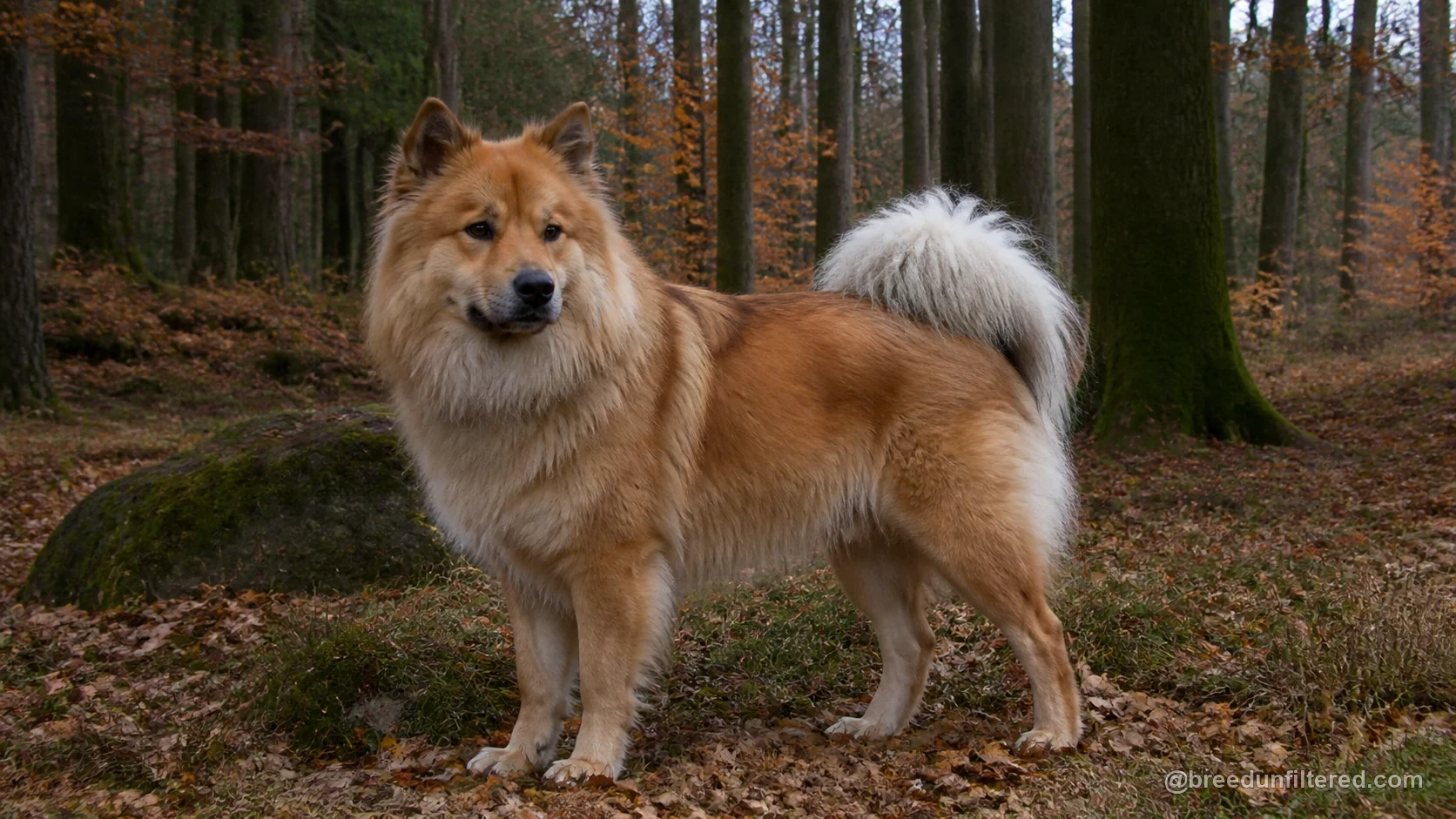
The Eurasian, recognized by the FCI as breed number 291 in Group 5, is a relatively recent companion breed developed in Germany during the 1960s. It was created by crossing Chow Chow, Keeshond, and Samoyed, aiming to produce a robust, family-oriented dog with a balanced temperament. The breed's name reflects its mixed heritage, combining European and Asian ancestry. Today, Eurasians are known for their calm, even-tempered nature and strong bond with their human families, making them intriguing candidates for those seeking a devoted companion.
Prospective owners should understand that the Eurasian is not a high-energy working dog but rather a companion breed that thrives on close human contact. They are intelligent and somewhat reserved with strangers, yet affectionate with their own people. This breed requires consistent, gentle training and early socialization to flourish. While they adapt to various living situations, they are not suited to being left alone for long periods. This article provides a comprehensive overview of the Eurasian, covering its origin, temperament, care needs, and more, to help you decide if this breed fits your lifestyle.
Origin and Purpose
The Eurasian breed was developed in Germany in the 1960s by crossing Chow Chows with Keeshonds, and later adding Samoyed blood. The goal was to create a dog that combined the robustness and loyalty of the Chow Chow with the friendly, sociable nature of the Keeshond and the Samoyed's gentle disposition. The breed was recognized by the FCI in 1973, and its standard emphasizes a medium-sized, well-balanced dog with a distinct, bear-like appearance.
Unlike many breeds developed for specific working roles, the Eurasian was bred primarily as a companion. Its purpose is to be a devoted family member, alert and watchful but not aggressive. The breed's heritage contributes to its moderate energy levels and strong attachment to its owners. Understanding this background helps prospective owners appreciate why the Eurasian values close companionship and may be wary of strangers, traits that are deeply ingrained in its character.
Temperament and Variation
Eurasians are known for their calm, composed temperament. They are typically even-tempered, self-assured, and not easily startled. They form strong bonds with their family and are often described as 'one-person' dogs, though they can be affectionate with all household members. Their reserve with strangers is a notable trait, but with proper socialization, they can learn to accept new people politely. Individual variation exists, and some Eurasians may be more outgoing or more aloof than others.
This breed is not typically aggressive, but they are protective of their family and territory. They have a moderate prey drive, which may be influenced by their Chow Chow ancestry. Eurasians are intelligent and somewhat independent, which can make training a rewarding challenge. They respond best to positive reinforcement and patience. Prospective owners should be prepared for a dog that is loyal and devoted but not overly demonstrative, and that may take time to warm up to new situations.
Exercise and Mental Work
Eurasians have moderate exercise needs. They enjoy daily walks and playtime but are not excessively energetic. A couple of 30- to 45-minute walks per day, along with some off-leash time in a secure area, usually suffice. They are not typically suited for intense endurance activities like long-distance running, but they can participate in canine sports such as obedience, rally, or agility at a recreational level. Mental stimulation is equally important; puzzle toys, scent games, and training sessions help keep their intelligent minds engaged.
Without adequate mental and physical activity, Eurasians may become bored and develop undesirable behaviors like excessive barking or chewing. However, they are not hyperactive and are generally content to relax indoors after their exercise needs are met. Because they are so people-oriented, they prefer activities that involve their owners. A fenced yard is beneficial, but they can adapt to apartment living if given sufficient walks and mental enrichment. The key is consistency and variety to prevent monotony.
Training and Socialisation
Training a Eurasian requires patience and a gentle, consistent approach. They are intelligent but can be stubborn, and they do not respond well to harsh methods. Positive reinforcement using treats, praise, and play is most effective. Early socialization is crucial to help them become well-adjusted adults. Exposing them to various people, environments, and other animals from a young age can mitigate their natural reserve and prevent fearfulness or overprotectiveness.
Eurasians are not typically eager to please in the way some working breeds are, but they are capable of learning commands and tricks. They may become bored with repetitive training, so keeping sessions short and varied is advisable. They are sensitive to their owner's mood, so a calm, confident trainer will get the best results. Crate training and housebreaking are usually straightforward with consistency. This breed thrives on routine and clear boundaries, which help them feel secure.
Family and Other Pets
Eurasians can make excellent family dogs, especially in households with older children who understand how to interact respectfully with dogs. They are typically gentle and patient, but their reserved nature may not suit very young children who are loud or unpredictable. As with any breed, supervision and teaching children to respect the dog's space are essential. Eurasians are loyal and protective of their family, which can be a positive trait, but it also means they need proper socialization to avoid overprotectiveness.
Regarding other pets, Eurasians can coexist with cats and other dogs if raised together or introduced carefully. Their prey drive is moderate, so small animals like rabbits or hamsters may trigger chasing instincts. Early and ongoing socialization with other animals is key. They may be dominant with other dogs of the same sex, so careful introductions and management are recommended. Overall, with proper training and socialization, Eurasians can live harmoniously with a variety of pets.
Grooming and Health
The Eurasian has a thick double coat that sheds moderately year-round and heavily during seasonal changes. Regular brushing, at least two to three times a week, is necessary to remove loose fur and prevent matting. During shedding seasons, daily brushing may be required. They do not need frequent baths, but occasional bathing helps keep their coat clean. Their ears should be checked regularly, and nails trimmed as needed. Dental hygiene is also important for overall health.
As a relatively healthy breed, Eurasians are not known for a high incidence of specific genetic disorders, but like all breeds, they can be prone to certain conditions. These may include hip dysplasia, elbow dysplasia, and some eye issues. Responsible breeders screen their breeding dogs for these conditions. The breed's lifespan is typically around 11 to 13 years. Prospective owners should be prepared for routine veterinary care and consider pet insurance. Maintaining a healthy weight and providing regular exercise can help prevent some health issues.
Costs and Responsibility
Owning a Eurasian involves significant financial and time commitments. The initial cost of a puppy from a reputable breeder can be substantial, and ongoing expenses include high-quality food, routine veterinary care, grooming supplies, and training classes. Emergency medical costs can be unexpected, so pet insurance is advisable. Additionally, Eurasians require daily exercise and mental stimulation, which demands time and energy from their owners. They are not a breed that can be left alone for long hours regularly.
Responsible ownership also includes proper socialization and training, which requires patience and consistency. Prospective owners should research breeders thoroughly, ensuring they perform health screenings and raise puppies in a nurturing environment. Adopting from a rescue is another option. Eurasians thrive in homes where they are included in family activities and given plenty of attention. They are not suited for those who are away frequently or prefer a more independent dog. Commitment to the breed's needs is essential for a harmonious relationship.
Clear answers
FREQUENTLY ASKED QUESTIONS
Are Eurasians good with children?
Eurasians can be good with children, especially when raised with them and properly socialized. They are generally gentle and patient, but their reserved nature may not suit very young children who are loud or unpredictable. Supervision and teaching children to respect the dog's space are essential to ensure a positive relationship.
Do Eurasians bark a lot?
Eurasians are not typically excessive barkers, but they may bark to alert their family to strangers or unusual noises. They are watchful and protective, so they may bark when someone approaches the home. With proper training and socialization, they can learn to be quiet on command and not bark unnecessarily.
How much exercise does a Eurasian need?
Eurasians have moderate exercise needs, typically requiring about 60 minutes of activity per day, which can be split into walks and playtime. They enjoy mental stimulation as well, such as puzzle toys or training sessions. They are not high-energy dogs but do need regular activity to stay healthy and content.
Are Eurasians easy to train?
Eurasians are intelligent but can be stubborn, so training requires patience and consistency. They respond best to positive reinforcement methods like treats and praise. Early socialization and obedience training are important. They may not be as eager to please as some breeds, but they are capable learners with a gentle approach.
Do Eurasians shed a lot?
Yes, Eurasians shed moderately throughout the year and heavily during seasonal changes. Their thick double coat requires regular brushing, at least two to three times a week, and daily brushing during shedding periods. This helps manage loose fur and keeps their coat healthy. They are not considered hypoallergenic.
Sources and further reading
Scores describe typical breed tendencies from 1 to 10. They are not a quality ranking or a prediction for an individual dog.
Size and presence5/10
CompactVery large
Physical strength6/10
LightExceptional
Energy level9/10
LowRelentless
Exercise demand9/10
ModestVery demanding
Mental work needed8/10
ModerateDaily job
Trainability6/10
ChallengingExceptional
Everyday manageability3/10
SpecialistStraightforward
First-time owner fit3/10
Poor fitGood fit
Family-life fit6/10
LimitedExcellent
Dog sociability6/10
SelectiveVery social
Prey drive8/10
LowVery high
Guarding tendency7/10
MinimalSerious
Independence9/10
Handler-focusedSelf-directed
Grooming demand10/10
LightHeavy
Apartment fit4/10
Poor fitGood fit