Complete breed guide
Jämthund OWNERSHIP GUIDE
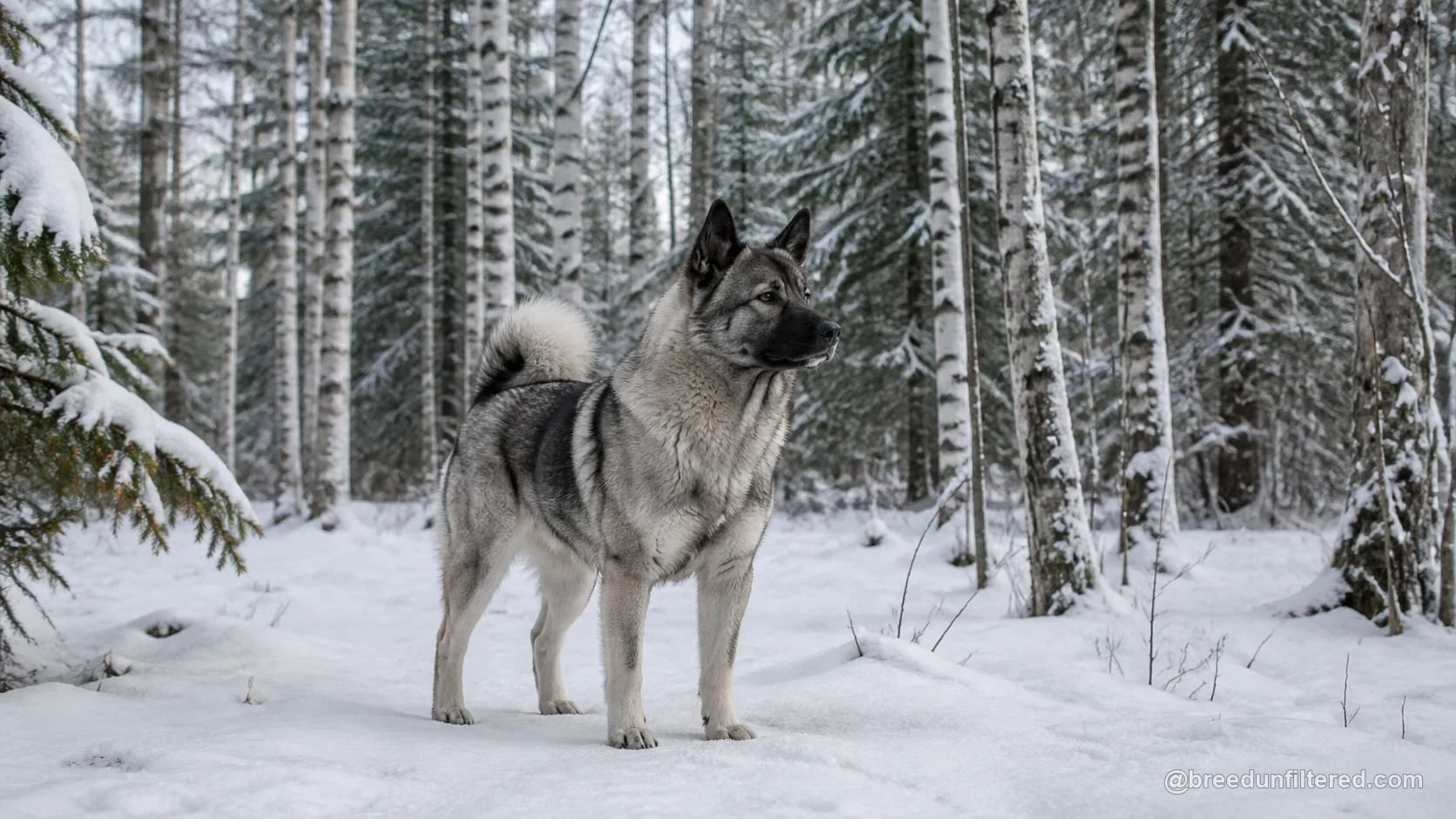
The Jämthund, also known as the Swedish Elkhound, is a robust and versatile spitz-type breed originating from the forests of northern Sweden. Bred primarily for hunting large game such as moose and bear, this dog is prized for its endurance, courage, and independent thinking. Its name derives from the historical province of Jämtland, where the breed was developed and refined over centuries.
Today, the Jämthund remains a dedicated working dog, but it also finds a place in active families that appreciate its loyalty and protective nature. While not a breed for everyone, those who understand its needs for exercise, mental stimulation, and firm, consistent guidance will find a devoted companion. This article explores the breed's origins, temperament, care requirements, and more to help prospective owners make an informed decision.
Origin and Purpose
The Jämthund's history is deeply intertwined with the Scandinavian wilderness. For generations, these dogs were used by hunters to track and hold large game, particularly moose, at bay until the hunter arrived. Their ability to work independently in harsh, snowy conditions made them invaluable. The breed was officially recognized by the FCI in 1946, with the standard number 42, and is considered a definitive breed within Group 5 (Spitz and primitive types).
The breed's purpose has shaped its physical and mental characteristics. Jämthunds are medium to large, well-muscled dogs with a thick double coat that protects them from cold and brush. Their keen senses, stamina, and courage are essential for hunting, but these traits also influence their behavior at home. They are not typically aggressive but are alert and reserved with strangers, making them natural watchdogs.
Temperament and Variation
The Jämthund is known for its calm and steady demeanor when not working. They are loyal and affectionate with their family, often forming a strong bond with one person. However, they retain a high degree of independence, a trait that can be challenging for novice owners. This independence means they may not always be eager to please, and they can be stubborn if they see no reason to comply.
Individual temperament varies, but the breed generally exhibits a confident and composed nature. They are not typically hyperactive but possess a latent energy that surfaces during exercise or play. Early socialization is crucial to ensure they are comfortable around other dogs and people, as their natural wariness can develop into shyness or overprotectiveness if not properly managed.
Exercise and Mental Work
The Jämthund is a high-energy breed that requires substantial daily exercise to remain physically and mentally healthy. A simple walk around the block is insufficient; they thrive on activities that engage their natural instincts, such as hiking, jogging, or participating in canine sports like tracking or agility. Without adequate exercise, they may become restless and develop destructive behaviors.
Mental stimulation is equally important. These intelligent dogs need challenges that require problem-solving, such as puzzle toys, scent games, or obedience training that varies in routine. Boredom can lead to excessive barking or digging. Prospective owners should be prepared to invest time in both physical and mental enrichment to keep their Jämthund content.
Training and Socialisation
Training a Jämthund requires patience, consistency, and a positive, reward-based approach. They respond well to clear communication and fair treatment, but they are not pushovers. Harsh methods are counterproductive and can damage the trust between dog and owner. Early training should focus on basic obedience and impulse control, as their independent nature can make them selective listeners.
Socialisation from puppyhood is essential. Exposing the Jämthund to a variety of people, animals, and environments helps them develop into well-adjusted adults. They can be dog-aggressive, especially with same-sex dogs, so careful introductions and ongoing management are necessary. With proper socialisation, they can coexist peacefully with other pets, but their prey drive may still be triggered by small animals.
Family and Pets
The Jämthund can be a wonderful family dog for active households. They are generally good with children, especially when raised with them, and they are protective of their family members. However, their size and exuberance may be overwhelming for very young children, so supervision is advised. They are not typically aggressive but may be reserved with unfamiliar guests.
When it comes to other pets, the Jämthund's hunting background can pose challenges. They may view small animals such as cats, rabbits, or rodents as prey, and their tolerance for other dogs varies. Early socialisation can help, but it is not a guarantee. Prospective owners with existing pets should consider the individual dog's temperament and be prepared for careful introductions and ongoing supervision.
Grooming and Health
The Jämthund has a thick, double coat that sheds heavily, especially during seasonal changes. Regular brushing, at least two to three times a week, is necessary to manage loose hair and keep the coat healthy. During shedding season, daily brushing may be required. They are relatively clean dogs and do not need frequent baths, but their nails should be trimmed regularly, and ears checked for debris.
As a breed, the Jämthund is generally healthy, but like all dogs, they can be prone to certain conditions. Hip dysplasia and elbow dysplasia are seen in some lines, and eye disorders such as progressive retinal atrophy have been reported. Responsible breeders screen their breeding stock for these issues. Prospective owners should ask for health clearances and be prepared for routine veterinary care throughout the dog's life.
Costs and Responsibility
Owning a Jämthund is a significant financial and time commitment. Initial costs include purchasing from a reputable breeder, which can be substantial, as well as supplies such as a crate, bedding, and food. Ongoing expenses include high-quality dog food, routine veterinary care, vaccinations, and parasite prevention. Emergency medical costs can be unexpected, so pet insurance is worth considering.
Beyond finances, the Jämthund requires a dedicated owner who can provide ample exercise, mental stimulation, and training. This breed is not suited to apartment living or a sedentary lifestyle. They thrive in homes with secure, fenced yards where they can roam and explore. Prospective owners should honestly assess their ability to meet these needs before bringing a Jämthund into their lives.
Clear answers
FREQUENTLY ASKED QUESTIONS
Is the Jämthund a good family dog?
The Jämthund can be a good family dog for active households that understand its needs. They are loyal and protective of their family, and they generally get along well with children when raised together. However, their size and energy may be too much for very young kids, and they can be reserved with strangers. Early socialisation and training are essential to ensure they are well-adjusted.
How much exercise does a Jämthund need?
The Jämthund is a high-energy breed that requires substantial daily exercise. This should include not just physical activity like long walks, hikes, or runs, but also mental stimulation such as puzzle toys or training sessions. Without enough exercise, they may become bored and develop destructive behaviors. The exact amount varies by individual, but expect at least an hour or more of vigorous activity each day.
Are Jämthunds good with other dogs?
Jämthunds can be dog-selective and may show aggression toward same-sex dogs. Early and ongoing socialisation can help them learn to tolerate other dogs, but it is not a guarantee. They are often more comfortable with dogs of the opposite sex. Careful introductions and supervision are necessary when they interact with unfamiliar dogs.
Do Jämthunds shed a lot?
Yes, Jämthunds shed heavily, especially during seasonal changes. They have a thick double coat that requires regular brushing, at least two to three times a week, to manage loose hair. During shedding season, daily brushing may be necessary. They are not hypoallergenic and are not recommended for people with allergies.
Are Jämthunds easy to train?
Jämthunds are intelligent but independent, which can make training a challenge for novice owners. They respond best to positive reinforcement methods that are consistent and patient. Harsh training techniques are counterproductive. Early socialisation and obedience training are crucial to channel their intelligence and prevent stubbornness.
Sources and further reading
Scores describe typical breed tendencies from 1 to 10. They are not a quality ranking or a prediction for an individual dog.
Size and presence5/10
CompactVery large
Physical strength6/10
LightExceptional
Energy level9/10
LowRelentless
Exercise demand10/10
ModestVery demanding
Mental work needed8/10
ModerateDaily job
Trainability6/10
ChallengingExceptional
Everyday manageability2/10
SpecialistStraightforward
First-time owner fit3/10
Poor fitGood fit
Family-life fit6/10
LimitedExcellent
Dog sociability3/10
SelectiveVery social
Prey drive8/10
LowVery high
Guarding tendency7/10
MinimalSerious
Independence9/10
Handler-focusedSelf-directed
Grooming demand10/10
LightHeavy
Apartment fit4/10
Poor fitGood fit