Complete breed guide
Italian Spinone OWNERSHIP GUIDE
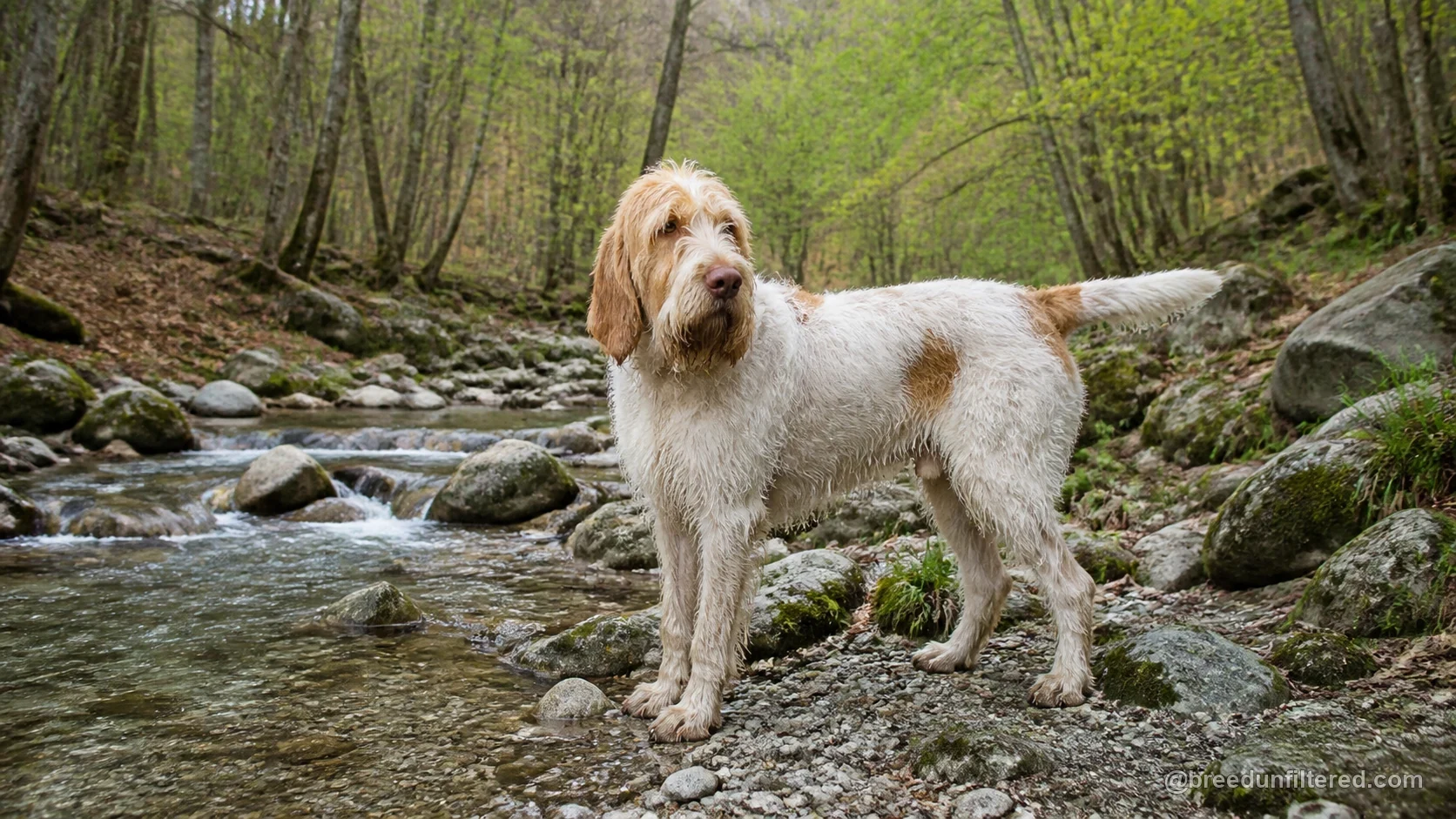
The Italian Spinone, a versatile pointing dog from Italy, is known for its distinctive wiry coat, deliberate gait, and patient, affectionate nature. As a member of FCI Group 7, it was bred to work tirelessly in challenging terrain, from dense undergrowth to cold water, making it a resilient and determined hunter. However, beyond the field, the Spinone has earned a reputation as a gentle and loyal companion, often described as 'the clown of the sporting dog world' for its playful antics and expressive face.
For prospective owners, the Spinone offers a unique blend of athleticism and calmness, but it is not a breed for everyone. Its strong hunting instincts, moderate energy levels, and need for consistent, positive training require a committed and patient owner. This article aims to provide a balanced overview of the breed's origins, temperament, care requirements, and potential challenges, helping you decide if the Italian Spinone is the right fit for your lifestyle.
Origin and Purpose
The Italian Spinone's roots trace back to the Piedmont region of Italy, where it was developed as a versatile hunting dog capable of pointing, flushing, and retrieving game in harsh environments. Its name is derived from 'spinone,' referring to a thorny shrub, reflecting its ability to navigate dense, prickly vegetation. The breed's ancestors likely include ancient wire-haired dogs brought to Italy by traders and invaders, and it has been refined over centuries to excel in both upland and waterfowl hunting.
Today, the Spinone remains a dedicated working dog, but it has also gained popularity as a companion. Its deliberate, methodical hunting style contrasts with the flashier pointing breeds, and its strong nose and stamina make it a reliable partner for hunters. The breed was officially recognized by the FCI in 1955, and its standard emphasizes a robust, square-built dog with a distinctive beard and bushy eyebrows, reflecting its functional origins.
Temperament and Variation
The Italian Spinone is often described as gentle, patient, and affectionate, with a strong bond to its family. It tends to be calm indoors, but it can be playful and even clownish, especially when excited. Individual temperament varies, but the breed generally exhibits a low level of aggression and a high tolerance for children and other animals, making it a potential family dog. However, its hunting drive can be strong, and it may chase small animals if not properly socialized.
While the breed standard describes a consistent temperament, individual dogs can differ based on genetics, socialization, and training. Some Spinoni may be more reserved with strangers, while others are outgoing. It is important for prospective owners to meet the parents of a puppy and observe their behavior, as this can provide clues about the puppy's future temperament. Early and ongoing socialization is crucial to ensure a well-rounded adult dog.
Exercise and Mental Work
The Italian Spinone has moderate energy levels, but it is a working breed that requires regular physical activity to stay healthy and content. Daily walks, play sessions, and opportunities to run in a securely fenced area are generally recommended. However, the breed is not as hyperactive as some other sporting dogs, and it often enjoys downtime after exercise. Activities like hiking, swimming, and scent work can be particularly fulfilling for this breed, tapping into its natural abilities.
Mental stimulation is equally important for the Spinone, as it is an intelligent dog that can become bored and potentially destructive if under-stimulated. Puzzle toys, nose work, and obedience training can provide mental challenges. The breed's strong hunting instinct means that activities like tracking or field trials can be excellent outlets. Prospective owners should be prepared to dedicate time each day to both physical and mental exercise, though the exact amount will vary with the individual dog's age and health.
Training and Socialisation
Training an Italian Spinone requires patience and a positive, reward-based approach. The breed is intelligent but can be independent and somewhat stubborn, so harsh methods are counterproductive. Early socialization is essential to expose the puppy to various people, animals, and environments, helping to prevent shyness or fearfulness. Consistent, gentle training sessions that are short and engaging tend to work best, as the Spinone responds well to praise and treats.
The Spinone's hunting background means it may have a strong prey drive and a tendency to follow its nose, so reliable recall is a critical skill to teach. Off-leash training should be approached cautiously, especially in areas with wildlife. Many owners find that enrolling in obedience classes or working with a professional trainer can be beneficial, particularly for first-time dog owners. With time and consistency, the Spinone can become a well-mannered companion, but it may never have the instant obedience of some other breeds.
Family and Other Pets
The Italian Spinone is generally known for its gentle and patient nature, making it a potential good match for families with children. It tends to be tolerant of handling and can form strong bonds with all family members. However, as with any dog, interactions between dogs and young children should always be supervised, and children should be taught how to approach and handle the dog respectfully. The Spinone's size and strength mean it could accidentally knock over a small child during play.
When it comes to other pets, the Spinone's compatibility depends on early socialization and individual temperament. Many Spinoni live peacefully with other dogs, and some can coexist with cats if raised together. However, due to its hunting instincts, it may view smaller animals such as rabbits or guinea pigs as prey. Prospective owners should be prepared to manage introductions carefully and provide a safe environment for all pets.
Grooming and Health
The Italian Spinone has a distinctive wiry, dense coat that requires regular grooming to keep it in good condition. Weekly brushing is generally sufficient to remove loose hair and prevent matting, and occasional hand-stripping or clipping may be needed to maintain the coat's texture. The breed is a moderate shedder, and its beard and eyebrows can collect food and debris, so regular cleaning of the face is recommended. Bathing should be done as needed, using a mild dog shampoo.
As with many purebred dogs, the Italian Spinone may be predisposed to certain health conditions, though responsible breeders screen for these. Potential issues include hip dysplasia, elbow dysplasia, and certain eye disorders. The breed is also known to be sensitive to certain medications, particularly those affecting the central nervous system, so it is important to inform your veterinarian of the breed. Regular veterinary check-ups, a balanced diet, and appropriate exercise can help maintain overall health, but no dog is guaranteed to be free of health problems.
Costs and Responsibility
Owning an Italian Spinone involves significant financial and time commitments. Initial costs include the purchase price from a reputable breeder, which can vary widely, as well as supplies such as a crate, bedding, food, and grooming tools. Recurring expenses include high-quality dog food, routine veterinary care, vaccinations, parasite prevention, and pet insurance. Emergency medical costs can be substantial, so it is wise to plan for unexpected expenses.
Beyond finances, responsible ownership requires a commitment to training, socialization, and providing adequate exercise and mental stimulation. The Spinone is a social breed that thrives on human companionship and should not be left alone for long periods. Prospective owners should assess their lifestyle, living situation, and ability to meet the breed's needs before acquiring a dog. Adoption from a rescue or breed-specific organization is also an option, giving a home to a dog in need.
Clear answers
FREQUENTLY ASKED QUESTIONS
Are Italian Spinones good with children?
Italian Spinones are generally known for their gentle and patient nature, which can make them good companions for children. However, as with any breed, supervision is essential, and children should be taught how to interact respectfully with the dog. Early socialization and training help ensure a positive relationship.
Do Italian Spinones require a lot of exercise?
Italian Spinones have moderate energy levels, but they are a working breed and need regular daily exercise, such as walks and playtime. They also benefit from mental stimulation like scent work or puzzle toys. The exact amount varies by individual, but they are not typically as demanding as some high-energy sporting breeds.
Are Italian Spinones easy to train?
Italian Spinones are intelligent but can be independent and somewhat stubborn, so training requires patience and positive reinforcement. Harsh methods are not effective. Early socialization and consistent, reward-based training can lead to a well-mannered dog, but they may not have the instant obedience of some other breeds.
Do Italian Spinones shed a lot?
Italian Spinones are moderate shedders. Their wiry coat requires weekly brushing to remove loose hair and prevent matting. They may also need occasional hand-stripping or clipping to maintain coat texture. Regular grooming helps manage shedding and keeps the coat healthy.
Are Italian Spinones prone to health problems?
Like many purebred dogs, Italian Spinones may be predisposed to certain health conditions, including hip dysplasia, elbow dysplasia, and eye disorders. They are also known to be sensitive to some medications. Responsible breeders screen for these issues, but no dog is guaranteed to be free of health problems.
Sources and further reading
Scores describe typical breed tendencies from 1 to 10. They are not a quality ranking or a prediction for an individual dog.
Size and presence6/10
CompactVery large
Physical strength6/10
LightExceptional
Energy level9/10
LowRelentless
Exercise demand10/10
ModestVery demanding
Mental work needed8/10
ModerateDaily job
Trainability8/10
ChallengingExceptional
Everyday manageability4/10
SpecialistStraightforward
First-time owner fit5/10
Poor fitGood fit
Family-life fit8/10
LimitedExcellent
Dog sociability8/10
SelectiveVery social
Prey drive10/10
LowVery high
Guarding tendency3/10
MinimalSerious
Independence4/10
Handler-focusedSelf-directed
Grooming demand4/10
LightHeavy
Apartment fit5/10
Poor fitGood fit