Complete breed guide
German Wire- Haired Pointing Dog OWNERSHIP GUIDE
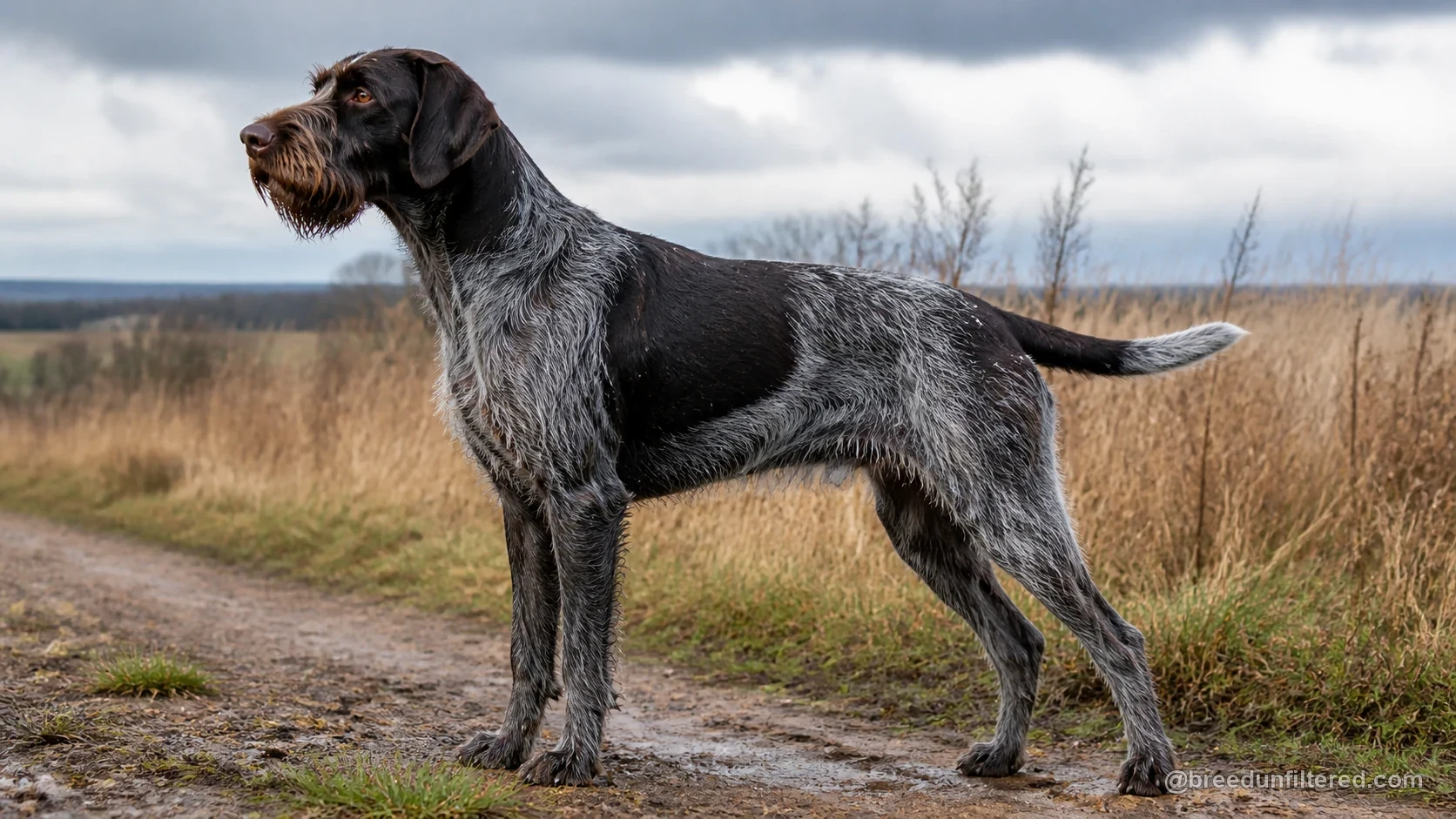
The German Wire-Haired Pointer, known in its homeland as the Deutsch Drahthaar, is a versatile hunting dog developed to work in challenging terrain and variable weather. Its harsh, wiry coat and distinctive facial furnishings are not just for looks; they provide protection from brambles and cold water. While bred primarily as a hunter's companion, this breed has gained admirers for its loyalty, intelligence, and striking appearance, making it a candidate for active homes that can meet its considerable needs.
Before welcoming a German Wire-Haired Pointer into your life, it is essential to understand that this is a dog with a strong work ethic and a high energy level. They thrive when given a job, whether that is formal hunting, dog sports, or long hikes. This article provides an evidence-conscious overview of the breed's origin, temperament, care requirements, and potential challenges, helping you assess whether this versatile gundog is the right fit for your lifestyle.
Origin and Purpose
The German Wire-Haired Pointer was developed in Germany in the late 19th and early 20th centuries. Breeders aimed to create a versatile hunting dog that could work on land and in water, track game, and point and retrieve. They crossed various breeds, including the German Shorthaired Pointer, the Pudelpointer, and the Griffon, to achieve a dog with a dense, weather-resistant coat and a strong hunting instinct. The breed was officially recognized by the FCI in 1954 under standard number 98.
Today, the German Wire-Haired Pointer remains primarily a working dog, prized for its versatility and endurance. In many European countries, breeding is often tied to performance testing to ensure working ability is preserved. While some individuals are kept as companions, the breed's purpose-driven nature means that without an outlet for its instincts, it may become restless or develop behavioral issues. Prospective owners should be prepared to provide ample physical and mental stimulation.
Temperament and Variation
German Wire-Haired Pointers are typically described as intelligent, confident, and sometimes stubborn. They are known for their strong bond with their family and their alertness. However, temperament can vary between individuals and lines. Some may be more eager to please, while others are more independent and willful. Early and consistent training is important to channel their intelligence positively.
As a breed, they are often reserved with strangers, making them good watchdogs, but they are not typically aggressive. Their hunting drive is strong, which can influence their behavior around small animals. It is crucial to remember that each dog is an individual, and while breed tendencies exist, they do not guarantee a specific temperament. Meeting the parents and observing the puppy's behavior can provide some insight, but socialization and training play a significant role in shaping the adult dog.
Exercise and Mental Work
The German Wire-Haired Pointer is a high-energy breed that requires substantial daily exercise. This is not a dog that will be satisfied with a short walk around the block. They need opportunities to run, preferably in a safe, fenced area, and to engage in activities that challenge them physically. Long hikes, jogging, and swimming are often enjoyed. Without adequate exercise, they may become hyperactive or develop destructive behaviors.
Mental stimulation is equally important. These dogs are intelligent and need to use their brains. Puzzle toys, scent work, and training sessions that require problem-solving can help tire them out. Activities like tracking, agility, or obedience can provide both physical and mental outlets. Prospective owners should be prepared to dedicate a significant portion of their day to meeting the dog's exercise and enrichment needs.
Training and Socialisation
Training a German Wire-Haired Pointer requires patience, consistency, and a positive approach. They respond well to reward-based methods, but they can be sensitive to harsh corrections. Early socialization is crucial to help them become well-adjusted adults. Exposing them to various people, animals, environments, and sounds during puppyhood can reduce the likelihood of fearfulness or aggression later.
Because of their independent streak, they may test boundaries. Establishing clear rules and being consistent will help. Many owners find that enrolling in obedience classes or working with a professional trainer is beneficial. The breed's intelligence means they can learn quickly, but they may also get bored with repetitive training. Keeping sessions short and varied can maintain their interest.
Family and Other Pets
German Wire-Haired Pointers can make loyal and affectionate family dogs, especially when raised with children. They are often playful and protective. However, their high energy and boisterous nature may be overwhelming for very young children. Supervision is recommended, and teaching children how to interact respectfully with dogs is essential.
Regarding other pets, their strong prey drive can be a concern. They may chase small animals such as cats, rabbits, or rodents. Early socialization with other dogs can help them get along with canine companions, but their instinct to chase may still be strong. It is not uncommon for them to be best friends with the family cat if raised together, but this is not guaranteed. Prospective owners with small pets should be cautious and manage interactions carefully.
Grooming and Health
The German Wire-Haired Pointer's wiry coat requires regular grooming to keep it in good condition. Weekly brushing helps remove loose hair and prevent matting. Some owners opt for hand-stripping to maintain the coat's texture, while others use clippers. They are moderate shedders. Regular ear cleaning is important, as their floppy ears can trap moisture and debris, potentially leading to infections.
As with many purebred dogs, they may be prone to certain health conditions, including hip dysplasia, eye disorders, and von Willebrand's disease. Responsible breeders screen their breeding stock for these issues. Regular veterinary check-ups and a healthy diet are important. It is not possible to predict an individual dog's health, but being aware of breed tendencies can help owners monitor for signs and seek timely care.
Costs and Responsibility
Owning a German Wire-Haired Pointer involves significant financial and time commitments. Initial costs include purchasing from a reputable breeder, which can be substantial, as well as supplies like crates, leashes, and food. Ongoing expenses include high-quality food, routine veterinary care, grooming supplies, and possibly professional grooming services. Pet insurance is also worth considering.
Beyond money, this breed demands a considerable amount of time and energy. They are not suited to a sedentary lifestyle or being left alone for long periods. Prospective owners must be prepared to provide daily exercise, training, and companionship for the dog's entire life, which can be 12 to 14 years. It is a long-term responsibility that should not be taken lightly.
Clear answers
FREQUENTLY ASKED QUESTIONS
Are German Wire-Haired Pointers good family dogs?
German Wire-Haired Pointers can be good family dogs for active households. They are often loyal and affectionate with their family members, including children, especially when raised together. However, their high energy and strong prey drive require supervision around small pets and very young kids. Proper socialization and training are essential to ensure they are well-behaved companions.
How much exercise does a German Wire-Haired Pointer need?
German Wire-Haired Pointers are high-energy dogs that need substantial daily exercise. This typically includes at least an hour or more of vigorous activity, such as running, hiking, or swimming, along with mental stimulation. Without enough exercise, they may become restless or destructive. The exact amount varies by individual, so owners should adjust based on their dog's behavior.
Are German Wire-Haired Pointers easy to train?
German Wire-Haired Pointers are intelligent and can be trained, but they are also independent and sometimes stubborn. They respond best to positive, reward-based methods and consistent, patient handling. Early socialization and obedience training are important. While they can excel in various dog sports, they may challenge novice owners, so experience with training is beneficial.
Do German Wire-Haired Pointers shed a lot?
German Wire-Haired Pointers have a wiry, dense coat that sheds moderately. Regular brushing, about once a week, helps remove loose hair and keep the coat healthy. Some owners choose to hand-strip the coat to maintain its texture, which can reduce shedding. They are not considered heavy shedders, but they do require consistent grooming.
Are German Wire-Haired Pointers good with other dogs?
German Wire-Haired Pointers can get along with other dogs, especially if they are socialized from a young age. However, their strong prey drive may make them prone to chasing smaller animals. They may be dominant with same-sex dogs, so careful introductions and supervision are recommended. Early and ongoing socialization can help them develop good canine social skills.
Sources and further reading
Scores describe typical breed tendencies from 1 to 10. They are not a quality ranking or a prediction for an individual dog.
Size and presence6/10
CompactVery large
Physical strength5/10
LightExceptional
Energy level9/10
LowRelentless
Exercise demand10/10
ModestVery demanding
Mental work needed8/10
ModerateDaily job
Trainability9/10
ChallengingExceptional
Everyday manageability4/10
SpecialistStraightforward
First-time owner fit5/10
Poor fitGood fit
Family-life fit8/10
LimitedExcellent
Dog sociability8/10
SelectiveVery social
Prey drive10/10
LowVery high
Guarding tendency3/10
MinimalSerious
Independence4/10
Handler-focusedSelf-directed
Grooming demand6/10
LightHeavy
Apartment fit5/10
Poor fitGood fit