Complete breed guide
Hygen Hound OWNERSHIP GUIDE
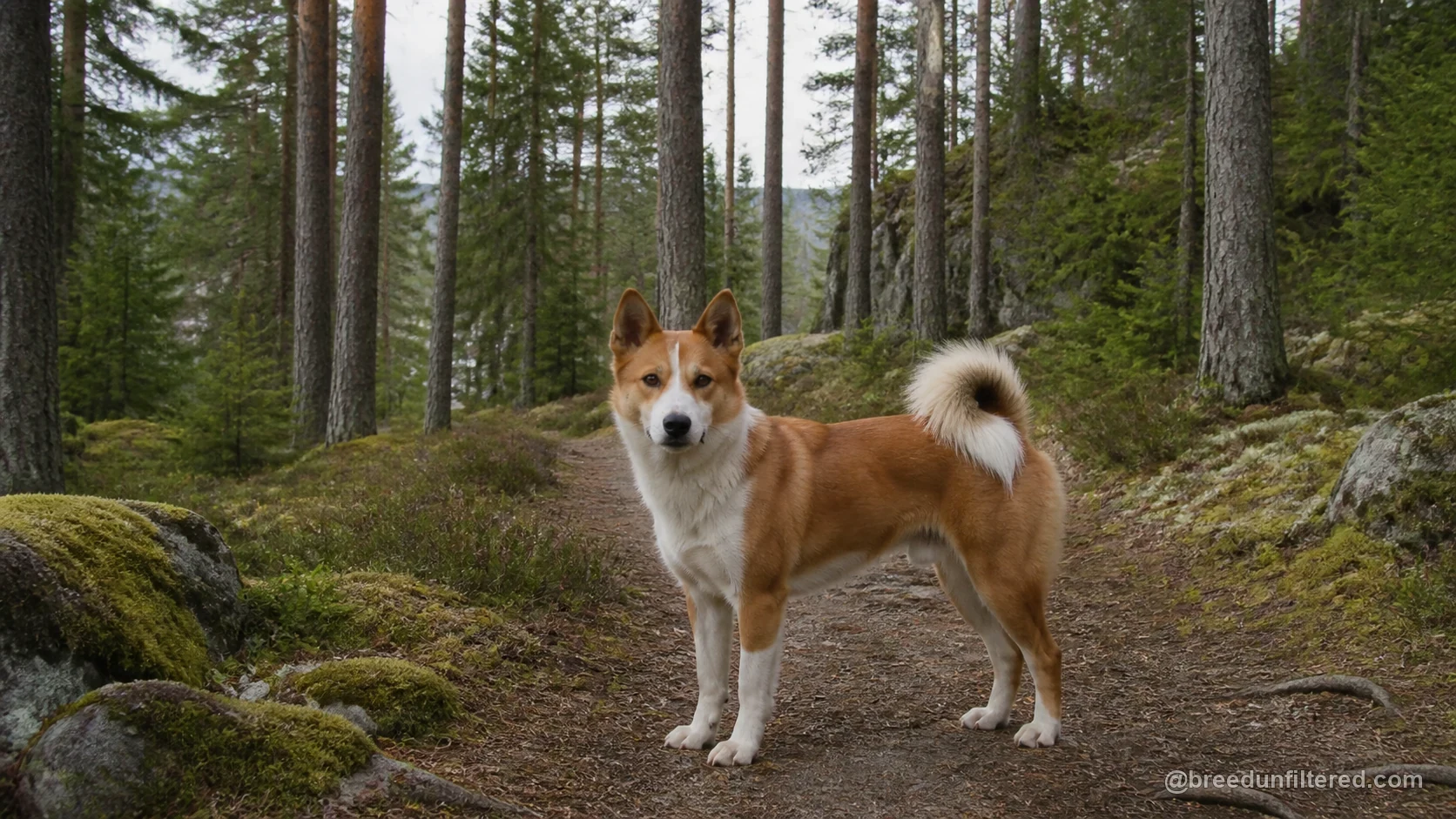
The Hygen Hound is a Norwegian scenthound developed in the 19th century by breeder Hygen, who aimed to create a robust and enduring dog suited for hare hunting in the rugged Scandinavian terrain. This breed is known for its strong tracking ability, stamina, and a somewhat reserved yet friendly demeanor. While not as widely known as some other hounds, the Hygen Hound has a dedicated following among hunters and those who appreciate its working heritage.
As a prospective owner, it's essential to understand that the Hygen Hound is primarily a working dog, not a typical companion. Its instincts are deeply rooted in hunting, which influences its exercise needs, training approach, and behavior around other animals. This article provides an evidence-conscious overview of the breed's characteristics, care requirements, and the responsibilities that come with owning a Hygen Hound, helping you make an informed decision.
Origin and Purpose
The Hygen Hound originated in Norway, developed by a man named Hygen in the 1800s. He crossed various hounds, including the Swiss Jura Hound and other Scandinavian breeds, to create a dog that could hunt hares in the cold, mountainous terrain. The breed was recognized by the FCI in 1954, and today it remains a specialized hunting dog, prized for its ability to work independently and persistently in challenging conditions.
Its primary purpose is to track and flush out hares, using its keen sense of smell and a distinctive baying voice. This working background means that the Hygen Hound is not a dog that thrives on being a couch potato; it requires a job to do, whether that is actual hunting or engaging in scent-based activities. Understanding this purpose is crucial for anyone considering the breed, as it shapes nearly every aspect of their care and temperament.
Temperament and Variation
The Hygen Hound is generally described as friendly and even-tempered, but it can be somewhat reserved with strangers. It is a pack-oriented dog, often getting along well with other dogs, but its hunting instinct can be strong, leading to a high prey drive. Individual variation exists, and early socialization plays a significant role in shaping a dog's behavior, but the breed's inherent traits are consistent with its hound heritage.
As a working hound, the Hygen Hound is independent and can be stubborn, which is not uncommon in scent hounds. It is not typically aggressive, but it may be aloof. Prospective owners should be prepared for a dog that is affectionate with its family but may not be overly demonstrative. The breed's temperament is best suited to those who appreciate a dog with a mind of its own and a strong work ethic.
Exercise and Mental Work
The Hygen Hound is a high-energy breed that requires substantial daily exercise to stay physically and mentally healthy. A simple walk around the block is insufficient; this dog needs opportunities to run and explore in a safe, enclosed area. Activities like jogging, hiking, or participating in canine sports such as tracking or scent work can help meet its exercise needs. Without adequate exercise, the Hygen Hound may become restless and develop behavioral issues.
Mental stimulation is equally important. As a scent hound, it thrives on activities that engage its nose, such as hide-and-seek games, puzzle toys, or formal nose work. Providing varied and challenging tasks can prevent boredom and channel its natural instincts productively. Prospective owners should be ready to dedicate significant time and effort to both physical and mental enrichment.
Training and Socialisation
Training a Hygen Hound requires patience and consistency. This breed is intelligent but independent, often preferring to follow its nose rather than obey commands. Positive reinforcement methods, such as treats and praise, work best, while harsh corrections can lead to resistance. Early and ongoing socialization is vital to help the dog become a well-adjusted adult, comfortable with various people, environments, and other animals.
Because of its hunting background, the Hygen Hound may have a strong instinct to chase, so reliable recall is essential but can be challenging to achieve. Training should focus on building a strong bond and using high-value rewards. It is also important to note that this breed may not be suitable for off-leash activities in unsecured areas, as its prey drive can override training. Professional guidance from a trainer experienced with hounds can be beneficial.
Family and Other Pets
The Hygen Hound can be a good family dog, especially in homes with older children who understand how to interact respectfully with dogs. It is generally gentle and tolerant, but its size and energy might be overwhelming for very young children. As with any breed, supervision and teaching children proper behavior around dogs are essential. The breed's pack mentality often makes it get along well with other dogs, but its prey drive can be a concern with smaller pets like cats or rabbits.
Introducing a Hygen Hound to a household with small animals requires careful management and should be done gradually, if at all. The breed's hunting instinct is deeply ingrained, and even with socialization, it may never be fully trustworthy with non-canine pets. Prospective owners should honestly assess their living situation and whether they can provide a safe environment for all animals involved.
Grooming and Health
The Hygen Hound has a short, dense coat that is relatively low-maintenance. Regular brushing, about once a week, helps remove loose hair and keep the coat healthy. It sheds moderately, and more frequent brushing during seasonal changes can manage shedding. Bathing is only needed occasionally, as over-bathing can strip natural oils. Routine care includes nail trimming, ear cleaning, and dental hygiene.
As a breed, the Hygen Hound is generally healthy, but like all dogs, it can be prone to certain conditions. Hip dysplasia and ear infections are potential concerns, but there is limited breed-specific health data. Responsible breeders screen their breeding stock for common issues. Prospective owners should ask about health clearances and be prepared for routine veterinary care. Maintaining a healthy weight and providing regular exercise can contribute to overall well-being.
Costs and Responsibility
Owning a Hygen Hound involves significant financial and time commitments. Initial costs include the purchase price from a reputable breeder, which can vary, and essential supplies like a crate, leash, and food. Ongoing expenses include high-quality dog food, routine veterinary care, vaccinations, and preventive medications. Additionally, because this breed requires ample exercise and mental stimulation, owners must invest time daily, which can be a considerable responsibility.
Beyond financial costs, responsible ownership means providing a suitable environment. A securely fenced yard is often necessary to allow safe off-leash play, and owners must be prepared for the dog's strong hunting instincts. The Hygen Hound is not a breed for everyone; it is best suited for active individuals or families who understand and appreciate its working nature. Prospective owners should thoroughly research and consider whether they can meet the breed's needs for its entire lifespan, which can be 10-12 years or more.
Clear answers
FREQUENTLY ASKED QUESTIONS
Is the Hygen Hound good with children?
The Hygen Hound can be good with children, especially when raised with them and properly socialized. It is generally gentle and tolerant, but its size and energy may be too much for very young kids. Supervision and teaching children how to interact respectfully with dogs are important to ensure positive experiences for both.
How much exercise does a Hygen Hound need?
The Hygen Hound is a high-energy breed that needs substantial daily exercise, including opportunities to run and explore. Activities like jogging, hiking, or scent work are beneficial. Without adequate physical and mental stimulation, it may become restless or develop behavioral issues. Owners should be prepared for at least an hour or more of active exercise each day.
Does the Hygen Hound get along with other dogs?
Generally, the Hygen Hound is pack-oriented and can get along well with other dogs, especially when socialized from an early age. However, its prey drive may be triggered by smaller animals, so introductions to non-canine pets should be done carefully. Supervision is recommended, especially in new situations.
Is the Hygen Hound easy to train?
Training a Hygen Hound can be challenging due to its independent nature and strong hunting instincts. It responds best to positive reinforcement methods, but consistency and patience are key. Reliable recall may be difficult to achieve, so off-leash activities in unsecured areas are not recommended. Professional training help can be beneficial.
What is the lifespan of a Hygen Hound?
The Hygen Hound typically lives around 10 to 12 years, though some may live longer with proper care. As with any breed, providing a balanced diet, regular exercise, and routine veterinary check-ups can contribute to a longer, healthier life. Responsible breeding practices also play a role in overall health.
Sources and further reading
Scores describe typical breed tendencies from 1 to 10. They are not a quality ranking or a prediction for an individual dog.
Size and presence5/10
CompactVery large
Physical strength6/10
LightExceptional
Energy level9/10
LowRelentless
Exercise demand10/10
ModestVery demanding
Mental work needed8/10
ModerateDaily job
Trainability5/10
ChallengingExceptional
Everyday manageability2/10
SpecialistStraightforward
First-time owner fit3/10
Poor fitGood fit
Family-life fit6/10
LimitedExcellent
Dog sociability8/10
SelectiveVery social
Prey drive10/10
LowVery high
Guarding tendency3/10
MinimalSerious
Independence8/10
Handler-focusedSelf-directed
Grooming demand4/10
LightHeavy
Apartment fit4/10
Poor fitGood fit